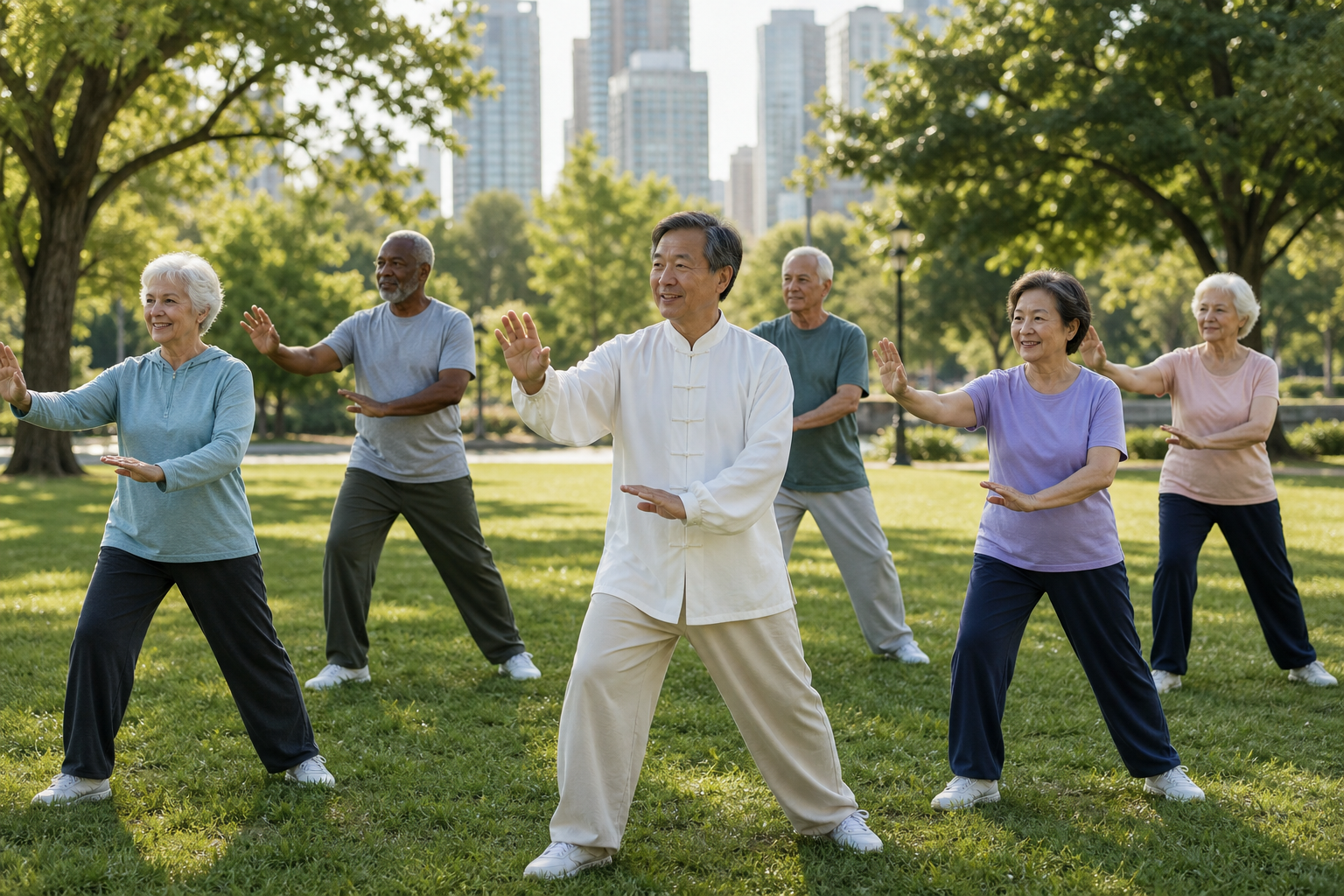
Tai Chi Isn’t Hype — Here’s How It Actually Helps with Arthritis and Balance
My phone buzzed at 8:13am — a text from an old patient, Nancy, age 68. She wrote: “Sarah, I made it to week 6 of tai chi! My knees don’t ache as much, but I still wobble on stairs. Is this normal?” Nancy’s message reminded me just how many people are searching for honest answers about tai chi — not Instagram hype, but real changes in their pain and confidence on their feet.
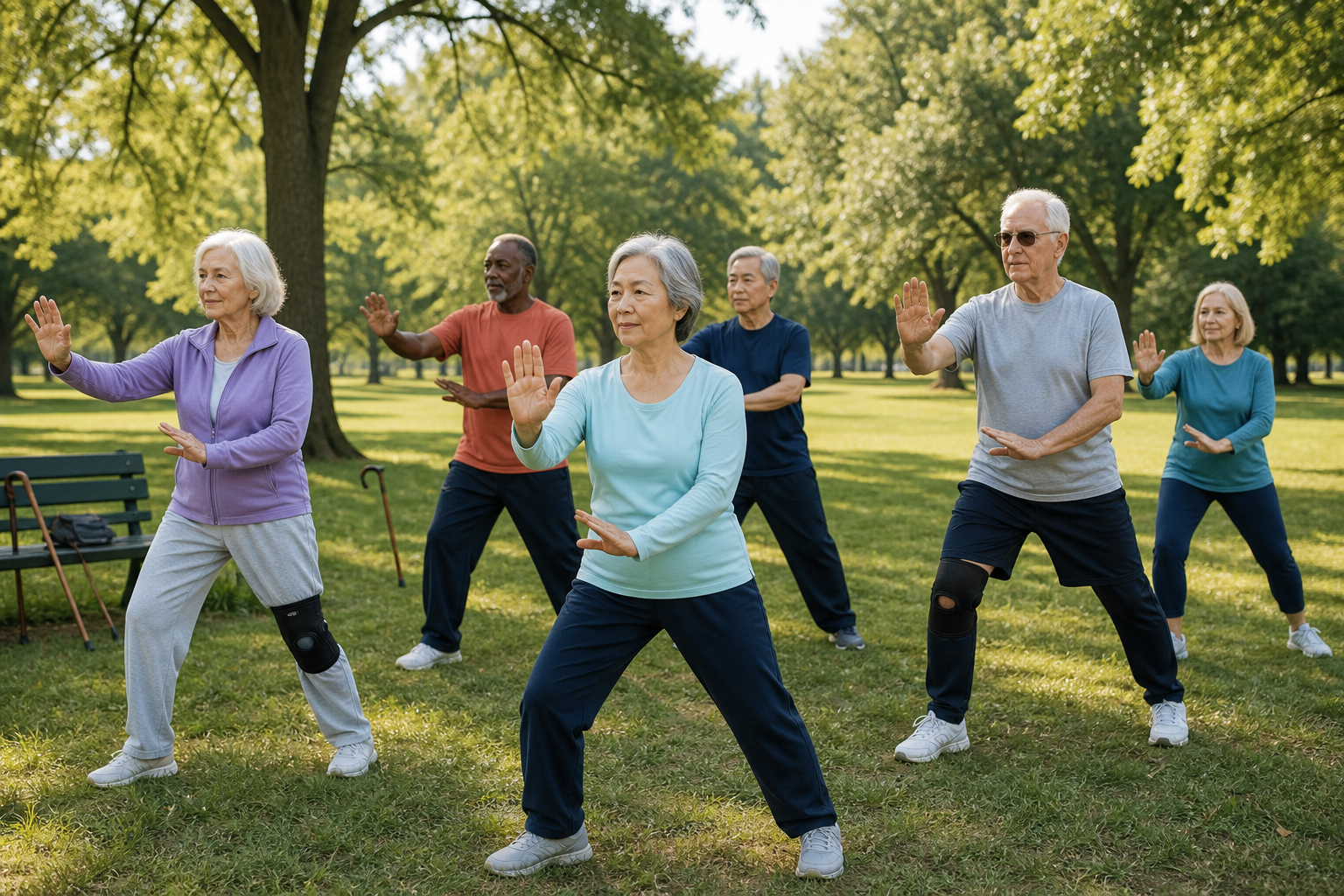
If you live with arthritis — sore knees, stiff hips, that deep, muttering ache in your joints — I know you’ve tried every magic solution. Physical therapy, creams, maybe even cortisone shots. And if you (like Nancy) dread icy sidewalks or balancing on curbs, the promise that a gentle martial art could help both your pain and your balance sounds too good to be true.
But here’s the thing: Tai chi really does have measurable benefits for both arthritis pain and stability. Not overnight — but I’ve seen the difference in my own clinic, and the research backs it up. The trick is knowing how to start, what to expect, and how to stack the odds in your favor.
Why Tai Chi? The Science (And Common Mistakes)
Tai chi looks almost meditative — slow-motion choreography, flowing arms, a kind of standing yoga. But under the surface, it’s a masterclass in joint-friendly movement and neuromuscular retraining. I’ll never forget a skeptical patient muttering, “How can waving my arms help my knees?” She changed her tune after eight weeks, but her question is a fair one.
So what does the actual research say? Let’s get specific. A 2016 Annals of Internal Medicine study tracked 204 adults with knee osteoarthritis. Half joined a tai chi group, half did standard physical therapy. At 12 weeks, the tai chi group had as much pain relief and function improvement as physical therapy. Even better — the benefits lasted at least a year for many participants.
And for balance? One meta-analysis (see BMJ Open Sport & Exercise Medicine, 2022) crunched data from over a dozen trials: tai chi reduced fall rates by 20-30% among older adults, especially those with arthritis, Parkinson’s, or frailty. That’s not just a statistical blip. That’s the difference between a bruised ego and a broken hip.
If you’re nodding along: yes, it’s slow. Yes, it looks simple. The magic is in the details — weight shifting, mindful posture, soft knees. Tai chi gently trains the muscles around arthritic joints (glutes, quads, calves) in a safer, low-impact way than, say, squats or lunges.
The Real Problem: Sticking With It (And Getting Results)
I’ll be blunt: most people quit tai chi too soon. Why? The first few classes can feel awkward — “I’m not graceful,” “My knees still twinge,” etc. But the research consistently tracks benefits at 8-12 weeks minimum. Those graceful seniors on YouTube have been at it for years. You don’t need years — but you do need consistency.
And there’s another big mistake: thinking tai chi is a magic bullet. In reality, it works best when combined with day-to-day joint care — like gentle strengthening, good shoes, maybe a supportive knee brace for trickier days. (More on that in a minute.)
How Does Tai Chi Actually Help Arthritis?
Here’s where it gets interesting. Most people think the benefit is all about “gentle movement,” but there’s more under the hood. Tai chi improves:
- Proprioception (your body’s sense of joint position in space)
- Muscle strength around affected joints (especially quads and glutes)
- Joint lubrication via controlled, full-range movements
- Endorphin release (your body’s own pain-killers)
- Confidence — which matters more than you’d think!
I remember when my own mother-in-law tried tai chi for her arthritic hips and knees. At first, she said, “I don’t feel much.” But after two months, she noticed she could stand up from the couch more easily and her morning stiffness was less severe. That’s classic — slow, subtle gains that add up.
Key Mechanisms Backed by Research
Let’s get nerdy (briefly). Studies using gait analysis and EMG (muscle activity sensors) show that tai chi:
- Improves stride length and walking speed in people with knee OA (see Arthritis Care & Research, 2015)
- Reduces joint loading (the force on the joint surface) compared to brisk walking
- Strengthens stabilizer muscles without high impact or twisting
Translation? You get the benefits of leg strengthening without beating up your cartilage. That’s gold if you’re trying to preserve what joint space you have left.
Balance Gains: The Quiet Superpower of Tai Chi
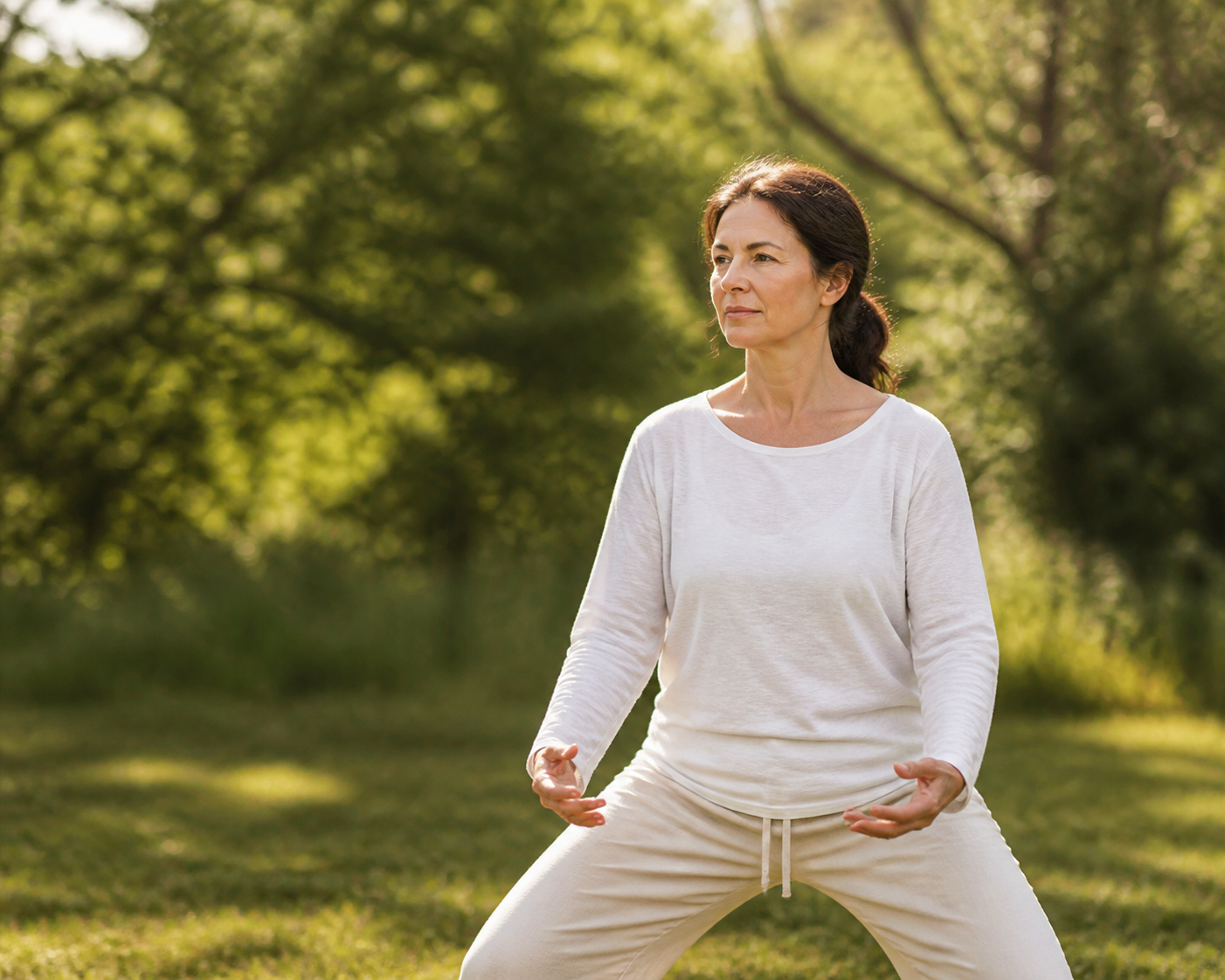
I have to admit: the balance improvements with tai chi sometimes surprise even me. Every year, I see patients stand taller, walk steadier, and stop “furniture surfing” (grabbing the table, counter, or their spouse’s arm) after a few months of practice.
The reason? Tai chi challenges your balance in a safe, controlled way. Those slow weight-shifts force your ankles, hips, and core to cooperate. I’ve seen 75-year-olds who haven’t stood on one leg in decades manage a 10-second hold by week 8. (If you’re thinking, “I’d fall!” — that’s exactly why tai chi is so powerful. It meets you where you are.)
The Journal of the American Geriatrics Society published a 2017 trial: older adults practicing tai chi twice a week fell 31% less often than those doing standard balance exercises. That’s a huge deal, especially if you’re worried about falls, stairs, or icy weather.
Can Tai Chi Actually Decrease Arthritis Pain?
Quick answer: yes, but your experience may vary. Meta-analyses (big reviews of smaller studies) show a reduction in pain scores by about 20-25% on average after regular tai chi practice — typically 2-3 times per week, 30-45 minutes per session, for at least 8 weeks. And no, you don’t need perfect form (or silk pajamas).
The real kicker? The benefits often last for months after you finish a class series. It seems to “rewire” your sense of movement — and that makes you less likely to over-protect a sore joint or limp, which is half the battle.
Tips for Starting Tai Chi with Arthritis or Balance Worries
- Find a beginner-friendly class. Many YMCAs, senior centers, and community colleges offer “Tai Chi for Arthritis” programs. Ask if the instructor has experience with chronic pain or mobility limitations.
- Go at your own pace. If you can’t stand unsupported, start seated — yes, that’s allowed. Small, slow shifts still count.
- Wear shoes with a good grip (unless you balance better barefoot on soft carpet). Avoid thick, squishy soles that destabilize your stance.
- Talk to your doctor first if you have a history of frequent falls or joint replacements. Tai chi is safe for most, but medical clearance is smart.
- Track your progress: jot down pain scores, number of steps, or how steady you feel on stairs every 2 weeks.
I’m not gonna lie — some patients (and instructors!) over-promise. Tai chi won’t reverse structural joint damage. If your arthritis is flaring, it’s okay to take breaks or shorten your practice. But stacking tai chi with a few simple aids can really boost results — and that brings me to a few favorites I’ve seen help in real life.
Stacking the Odds: My Favorite Gear for Maximizing Tai Chi’s Benefits
Look, you don’t need fancy equipment to start. But I’ve noticed that people who support their joints during activity are more likely to stick with it — and less likely to tweak a knee or lose confidence on wobbly days. Here’s what I recommend most often (as a PT, not a salesperson):
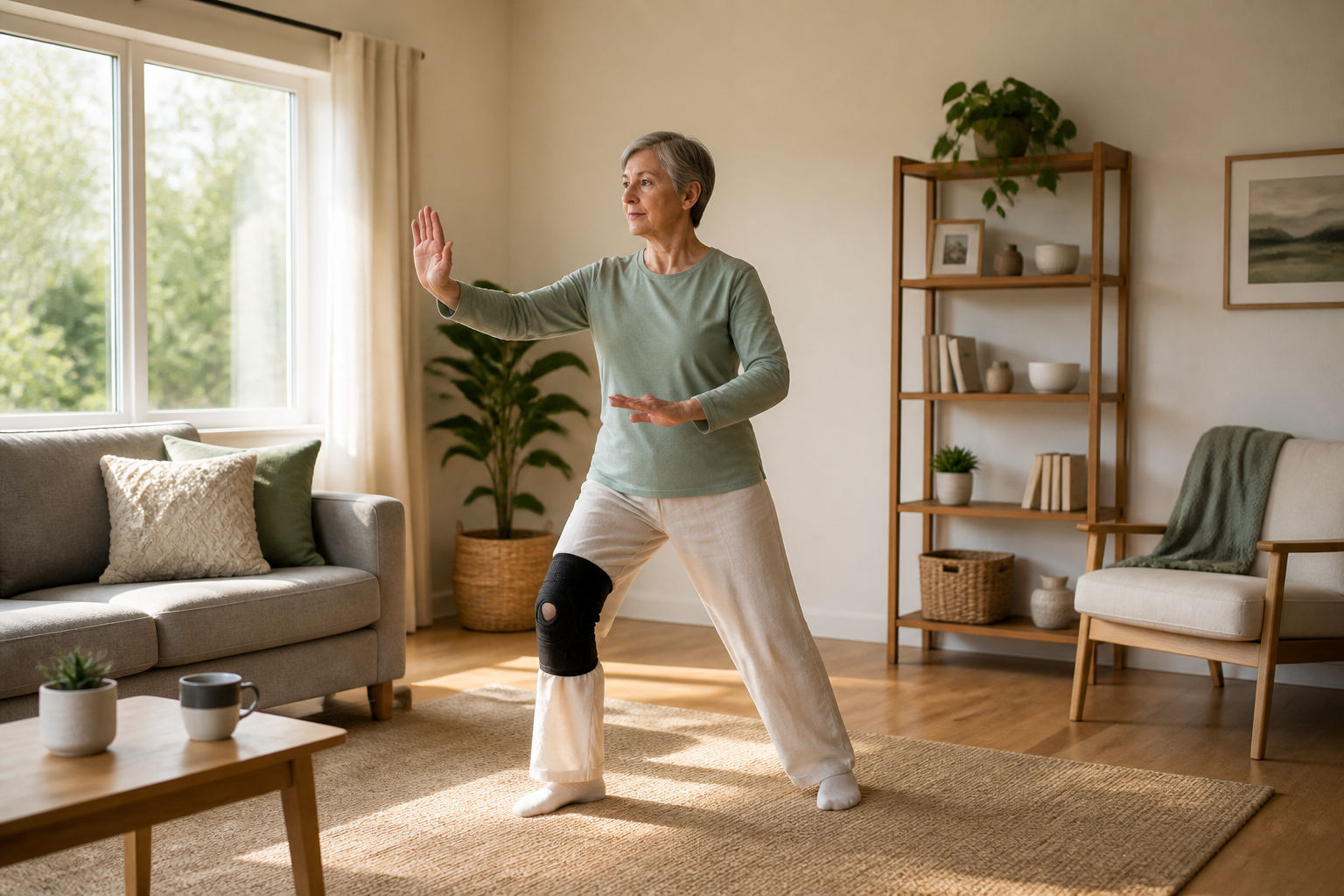
- Stabilizing Knee Braces: Especially if you have moderate arthritis, a good brace can provide gentle compression and remind you to avoid risky pivots. The NEENCA Professional Knee Brace offers medical-grade support with side stabilizers and a patella gel pad. Several of my patients swear by it for both exercise and everyday stability (and at under $30, you’re not breaking the bank).
- Gentle Topicals: On “ouchy” days, it’s smart to manage pain before you move. A thin layer of Voltaren Arthritis Pain Gel can take the sting out of stiff knees — so you’re less likely to compensate awkwardly. This is the only OTC topical I’ve seen consistently recommended by rheumatologists, and the research is robust (diclofenac is the active ingredient, 1% concentration).
- Clear, Home-Based Guidance: If you can’t find a local class, there are some excellent books and online videos. For practical, research-backed home exercises that complement tai chi, I like Treat Your Own Knees by Jim Johnson, PT. It covers not just tai chi basics, but simple strengthening and flexibility moves — with drawings that even my 80-year-old dad found easy to follow.
Important: No product (not even my favorites) replaces the fundamentals — consistent practice, gradual progress, and realistic expectations. But they’re solid tools if you want to build a routine that works for your joints.
What About Side Effects or Downsides?
Honest answer: tai chi is one of the safest exercise options for people with arthritis and balance concerns. Minor muscle soreness (especially in the thighs and calves) is common at first, but major injuries are rare. I always tell new patients, “The main risk is boredom or frustration, not injury.”
If you have advanced joint degeneration, spinal stenosis, or are prone to fainting, get medical clearance. And if you feel sharp pain (not just mild discomfort) during any movement, pause and modify. There’s no trophy for pushing through true pain — “no pain, no gain” is not the motto here.
Expert Opinions (And What the Data Misses)
Most articles gloss over the real-world messiness — random aches, bad days, lack of motivation. In my practice, the most successful patients combine tai chi with other self-care strategies: warm showers in the morning, pacing themselves, and sometimes a little social support (Zoom classes count!).
I know there’s controversy: a few old-school orthopedists scoff at anything “soft” or “mindful.” But the evidence is so consistently positive that I’d challenge any skeptic to try it for a month. If you want to get technical, read the 2020 Cochrane Review — it’s a beast, but their conclusion is clear: tai chi reliably improves pain and function in osteoarthritis, with a bonus for balance.
Comparisons: Tai Chi Versus Yoga, Walking, and Strength Training
Here’s what I see on the ground:
- Yoga: Great for flexibility, but some poses put more stress on knees/wrists. Not always best for unstable joints.
- Walking: Simple and effective, but doesn’t challenge balance in the same way. Higher joint impact if you walk briskly on hard surfaces.
- Strength Training: Essential, but can be intimidating or painful if you don’t modify. Tai chi is often a gateway to tolerating more strength work later.
Bottom line? They all have value. But if your big goals are less pain, better confidence on your feet, and staying active as you age, tai chi deserves a spot near the top of your list.
Takeaways and Next Steps
If you’ve made it this far, here’s what I want you to remember (not a sales pitch, just the honest truth):
- Regular tai chi — even 20 minutes, twice a week — can noticeably improve pain, joint function, and fall risk in people with arthritis.
- Expect slow progress. Benefits usually show up after 6-8 weeks, and get more profound after 3 months.
- Combine tai chi with joint-friendly aids (like the NEENCA Professional Knee Brace or Voltaren Arthritis Pain Gel) for best results, but don’t expect miracles if you skip the practice itself.
- There’s no “perfect” way to start. Classes, videos, or books like Treat Your Own Knees all have their place — the best option is the one you’ll actually use.
And if you feel awkward, sore, or discouraged early on? That means you’re doing it right. Stick with it; the best testimonials I’ve ever gotten usually start with “I almost gave up, but…”
Questions? Email me — I answer every reader (eventually!). And if you try tai chi, I’d love to hear what you notice after a month. Keep moving, be patient with yourself, and don’t buy the hype — embrace the slow, steady progress instead.
Dr. Sarah Mitchell, DPT — Senior Health Editor, JointReliefReviews. 12+ years’ clinical experience with arthritis and balance rehab.