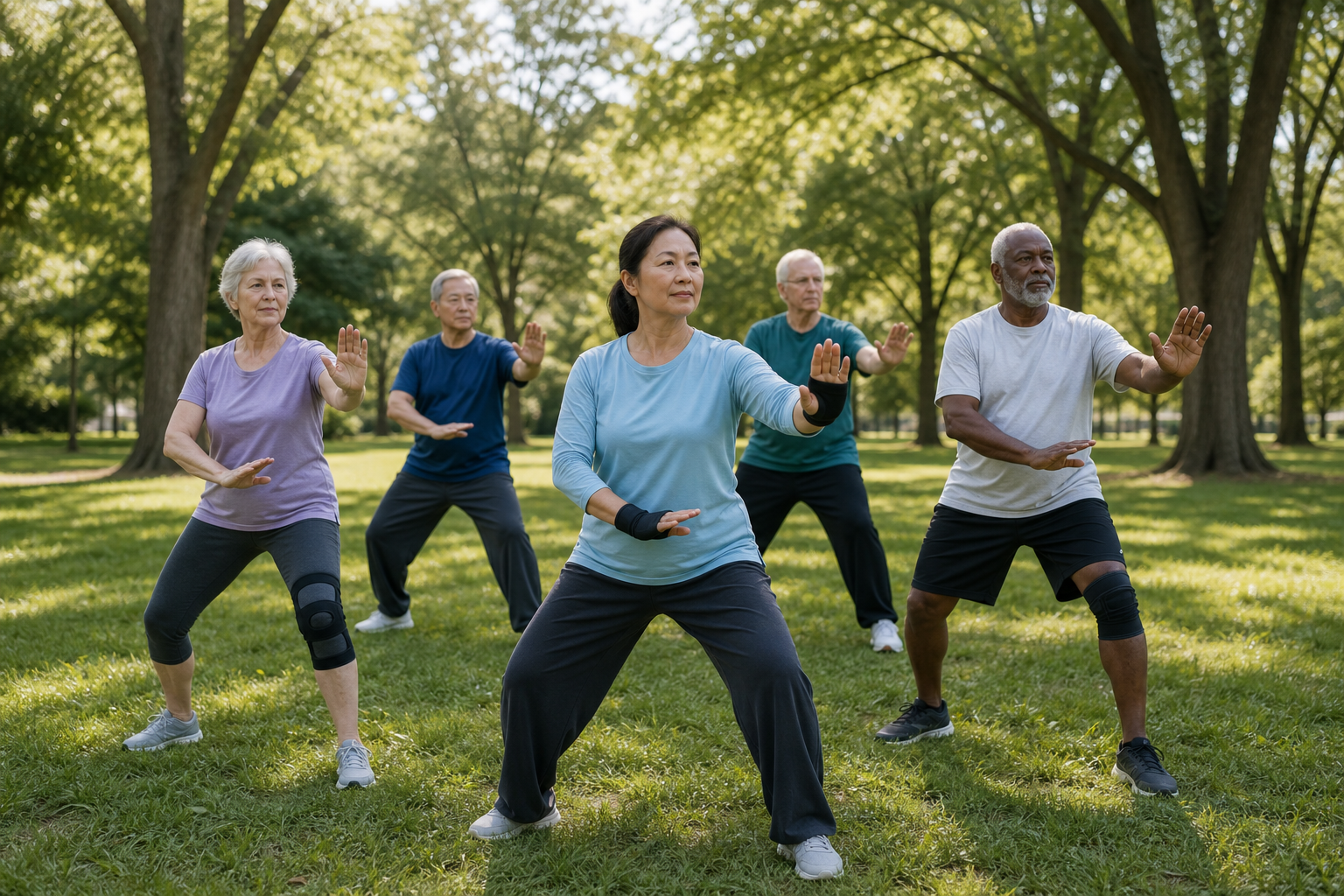
Tai Chi Benefits for Arthritis and Balance: What the Science (and Experience) Really Show
I’ll never forget the first time my mother-in-law shuffled into a tai chi class at her community center. She nearly walked right back out. The room was full of folks twice her age, moving so slowly she thought they were joking. But after three months—her knee arthritis pain was down, she’d stopped using the hallway handrail, and she was the one telling her neighbors to give it a shot. Not exactly what she’d expected.
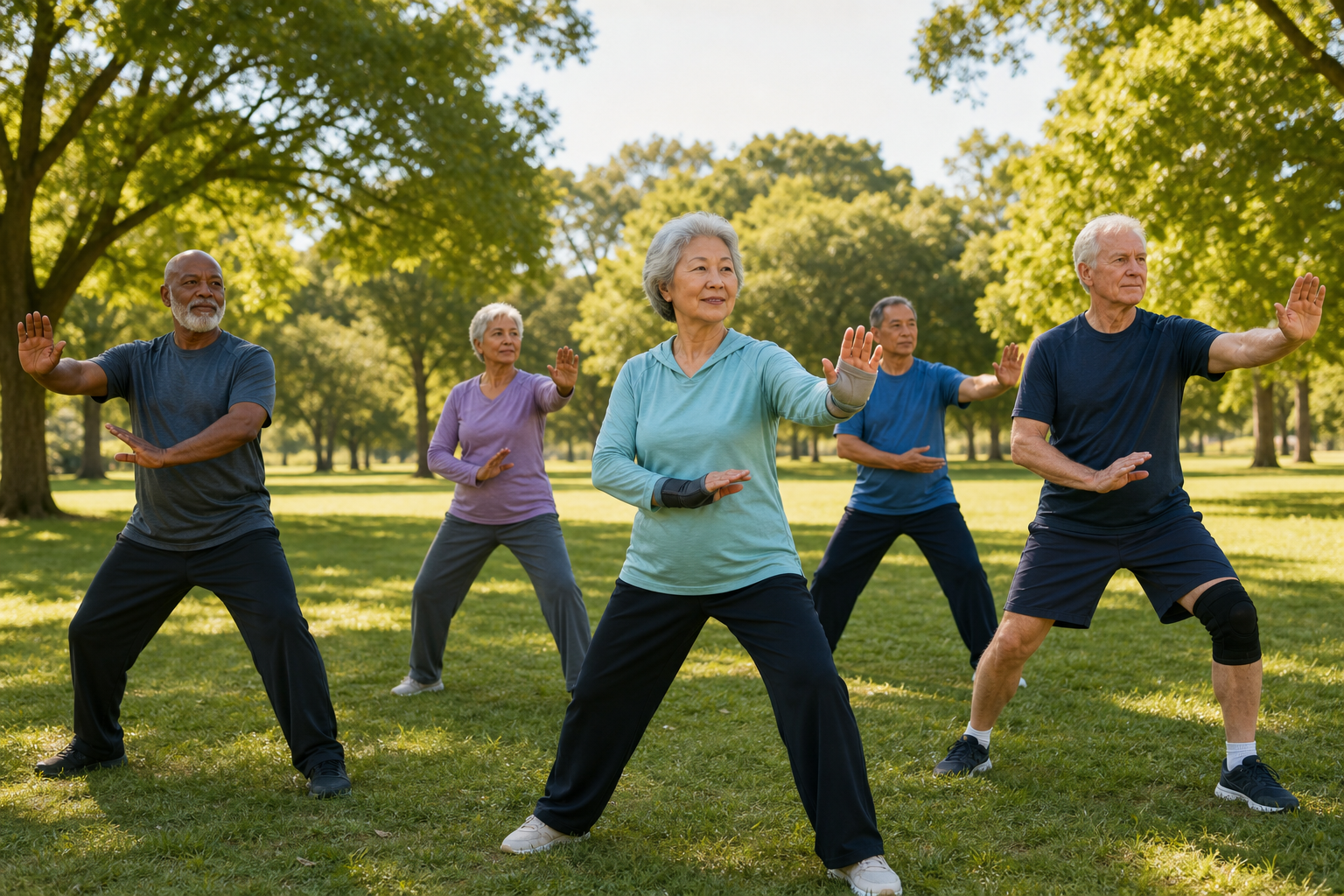
When Simple Tasks Turn Challenging
If you’re struggling with joint pain or worry you might lose your balance getting out of bed—believe me, I get it. In my own practice, I hear these stories more than almost anything else. The stairs seem steeper, the sidewalk suddenly looks treacherous, and your knee doesn’t bounce back from a long walk the way it used to. It can be emotional, too. You’re not just losing physical capacity—sometimes, it feels like you’re losing a bit of your independence.
Here’s the thing: most folks wait far too long before trying something gentle but powerful like tai chi. And the science? There’s a treasure trove backing up what my clients report.
So, Why Tai Chi? More Than Just Slow Motion
Tai chi isn’t just “yoga with your shoes on.” It’s an ancient Chinese martial art—but don’t let that word scare you off. At its core, it’s a series of slow, controlled movements linked with deep breathing and focused attention. That combination does something extraordinary for joints, muscles, and (maybe most surprising) the mind.
Let’s talk specifics:
- Low impact: No pounding, jumping, or twisting. Perfect for arthritic joints.
- Emphasizes weight shifting: Which is code for, “you’ll get better at not falling.”
- Whole-body coordination: Every movement connects the upper and lower body. Great for balance and joint mobility.
And unlike so many exercise fads, tai chi has been studied. A lot.
Tai Chi and Arthritis—What the Research Shows
Here’s where it gets interesting. The Journal of Rheumatology published a 2016 meta-analysis—reviewing 15 separate studies—finding tai chi significantly reduced pain and improved function for people with osteoarthritis. We’re not talking “mild” results, either: pain reduction averaged over 30% in some knee OA studies. That rivals many oral NSAIDs, minus the stomach issues.
Even the Arthritis Foundation now endorses tai chi as one of the most joint-friendly forms of exercise out there. And I’ve seen people who “could barely walk the block” return to gardening, dancing, and even pickleball, simply by sticking with a regular tai chi practice.
How Tai Chi Helps with Balance (and Fear of Falling)
Falls aren’t just a theoretical risk—one reader emailed last week about two hospitalizations in under a year, both from simple stumbles. Tai chi is unique here, too. The BMJ (British Medical Journal) published a 2017 randomized trial showing that older adults doing tai chi twice weekly for 24 weeks reduced fall rates by a whopping 58%. That’s not a typo.
Why? Several reasons:
- Dynamic weight shifts (training your brain and body to react when you sway or trip)
- Improved proprioception (your nervous system’s “GPS” for body position)
- Better ankle and hip strength (without heavy weights or risky moves)
And let’s not ignore the psychological effect. Knowing you can balance—even on uncertain days—restores confidence. That alone changes how you move through the world.
What Actually Happens in a Tai Chi Class?
First-timers are sometimes nervous. That’s normal. Classes usually start with gentle warm-ups—think arm swings, shoulder rolls, slow knee bends. Then, you’ll move through a series of flowing postures, always shifting weight gently from foot to foot, mind on every transition.
Don’t worry if you have creaky knees or use a cane. Most instructors (at least the good ones) offer modifications. One client of mine in her late seventies used a sturdy chair for support her first month. By the second, she only needed it about halfway through class.
And no, you don’t have to memorize anything—at least not at first. The repetition alone builds muscle memory, flexibility, and that all-important sense of calm.
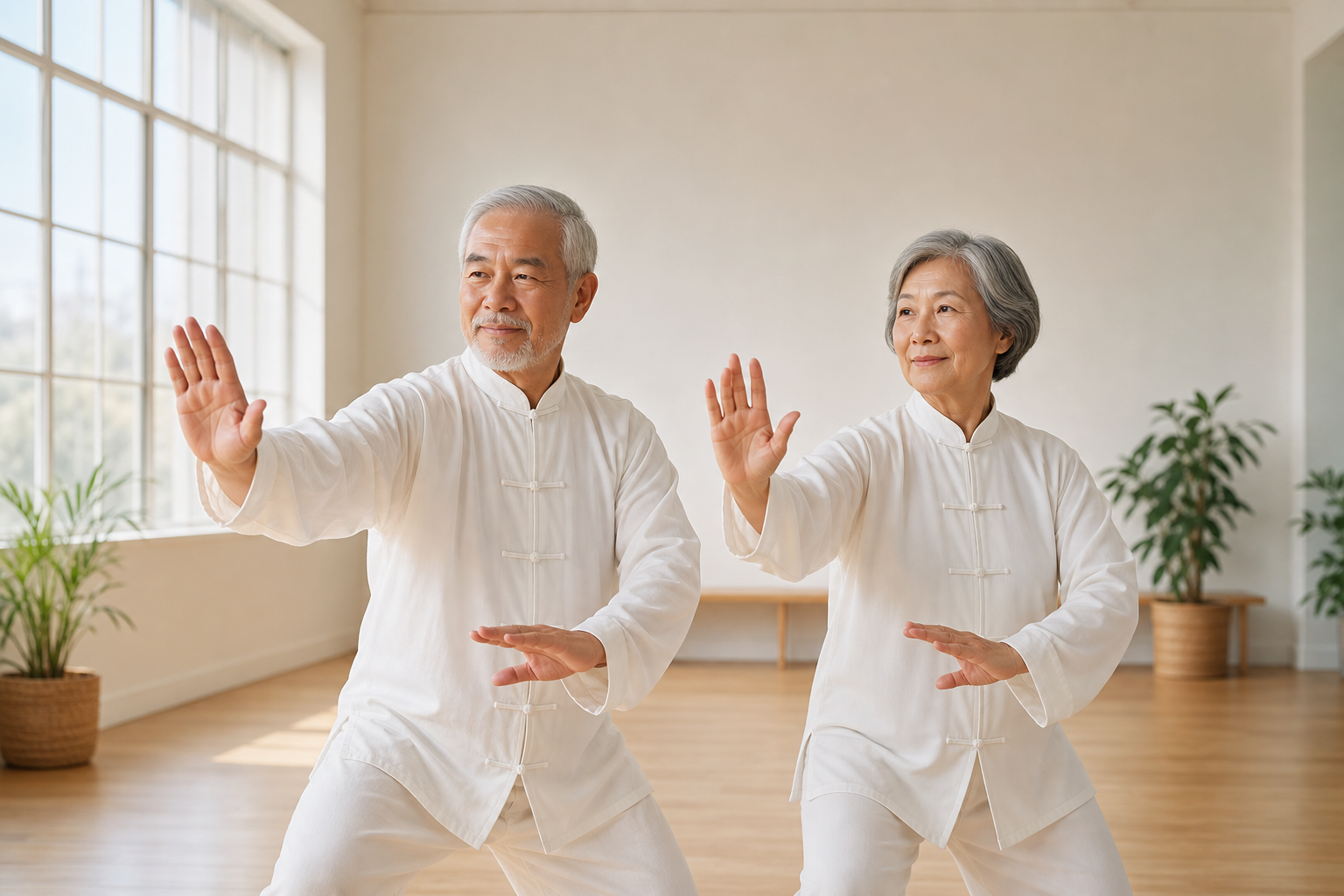
Mechanisms: How Does Tai Chi Actually Work for Joints and Balance?
If you’re like me, you want more than hype. So here’s the breakdown—why tai chi helps, according to both tradition and modern science:
- Improved synovial fluid circulation: Those gentle movements encourage the joints to bathe themselves in nourishing fluid, potentially reducing stiffness.
- Increased quadriceps and hip strength: Multiple EMG studies (that’s muscle activity measurement) show tai chi quietly builds key stabilizer muscles—crucial for people with knee or hip arthritis.
- Enhanced joint range of motion: A 2015 Arthritis & Rheumatology study found regular tai chi practice increased knee flexion by up to 15 degrees in osteoarthritis patients. That’s the difference between reaching your shoe laces and skipping them entirely.
- CNS retraining: Slow, mindful movement teaches your nervous system to process balance signals better—critical as we age.
Bottom line? Tai chi’s secret isn’t in superhuman strength or flexibility. It’s the consistent, attentive engagement of muscles, joints, and mind—all at once. That’s why it works when so much else fizzles out.
What About Pain Relief? Adding Smart Tools
Not gonna lie, movement is king—but sometimes, we need a little help getting started. For those early days (or flare-ups), a topical gel can make getting to class or following a YouTube video a whole lot more doable.
- Voltaren Arthritis Pain Gel has become a staple for several of my clients. It’s the only over-the-counter gel with FDA-approved diclofenac sodium—and honestly, the relief is real (I use it myself after long runs). Several head-to-head studies show it’s as effective as oral NSAIDs for knee and hand arthritis, minus the GI risks. The trick? Use the full pea-sized dose—most people under-apply.
Here’s my professional disclaimer: Topicals like this are generally well-tolerated, but ask your doctor if you’re on blood thinners or have liver issues. Always err on the side of caution.
Some folks also find a knee brace useful, especially if arthritis flares make stability a concern. The NEENCA Professional Knee Brace gets good feedback (medical-grade, without looking like medieval armor). If you’re worried about aggravating your knee during tai chi or just want a little peace of mind, it’s worth a look.
Tips for Getting Started—Even if You’re Nervous
- Start small: Even 5-10 minutes, a few times a week, can spark real changes. If a full class feels overwhelming, try a short online video or DVD made for beginners with arthritis.
- Seek arthritis-friendly instructors: Look for teachers certified in programs like “Tai Chi for Arthritis” (many are listed through Arthritis Foundation chapters).
- Use support as needed: It’s not cheating to use a chair, wall, or even a walker for balance at first. Progress comes from consistency, not heroics.
- Combine modalities: On tough days, supplement gentle movement with heat—something like the Pure Enrichment PureRelief XL Heating Pad can soothe stiff joints before or after practice (the moist heat option is a game-changer, especially for morning stiffness).
If you’re nodding along, you’re not alone. I hear from dozens of readers each year who thought “I’m too old” or “my knees are too far gone.” Reality? Most wish they’d started sooner.
Comparing Tai Chi to Other Joint-Friendly Activities
Look, I’m a fan of any movement you’ll stick with. Swimming, gentle yoga, stationary cycling—these are all winners for mobility. But tai chi stands out in a few big ways:
- Social connection: Unlike solitary exercise, tai chi classes often build a sense of community. That matters for mental health as much as physical.
- No equipment barriers: You don’t need fancy shoes, a gym membership, or even a mat. Just comfortable clothes and a safe space.
- Mental centering: The moving meditation aspect is potent. Studies show tai chi lowers anxiety and depression scores—often by as much or more than traditional exercise.
- Sustainable for decades: I have clients in their eighties still practicing. That’s rare for most fitness programs.
But (and here’s my controversial take), if you prefer a different activity, that’s okay! The “best” exercise is the one you’ll do regularly and safely. Tai chi simply offers a unique blend of benefits for arthritis and balance that’s hard to replicate.
The Limitations and What to Watch For
I know some articles hype every solution as magic. Let’s be honest: Tai chi doesn’t cure arthritis, and it won’t erase all risk of falling. Progress takes time—usually 6-12 weeks before people report significant improvements. And, for very advanced joint degeneration, you may still need pain management, physical therapy, or even surgical input.
And talk to your physician before beginning any new exercise program, especially if you’ve had recent joint surgery, severe balance issues, or cardiovascular concerns. Safety first, always.
How Tai Chi Changed My Perspective
I’ll be honest—I was skeptical at first. As a strength coach, I used to think “slower is easier.” But I’ve seen dozens of clients—many over 70—get stronger, steadier, and less fearful, all without breaking a sweat. The transformations are quiet but profound.
One of my clients, Alice (78, double knee OA), went from holding onto furniture for dear life to teaching her granddaughter tai chi basics in their living room. She says, “For the first time in years, I trust my legs again.” That’s not something you measure with numbers, but it changes lives.
Fresh Takeaways (Not Just a Recap)
- Tai chi is scientifically robust for arthritis and balance—not a fringe therapy.
- Pain relief isn’t just about pills; movement (plus smart supports like gel or a brace) is the real path forward.
- Small, consistent efforts beat heroic bursts. If you miss a day, reset and resume—progress is nonlinear.
- The emotional boost (confidence, calmness) from tai chi is as valuable as the physical gains.
- Community and connection foster lasting habit change.
And here’s my final encouragement: Don’t wait for “the perfect day” or a pain-free morning to try it. Your future self (and your joints) will thank you for starting today, creaks and all.
Questions? Success stories? Or need a nudge? Shoot me a message—always happy to help.
—James Chen, MS, CSCS
Certified Strength & Conditioning Specialist
Writer, JointReliefReviews.com