Tai Chi Benefits for Arthritis and Balance: What Science (and Experience) Really Shows
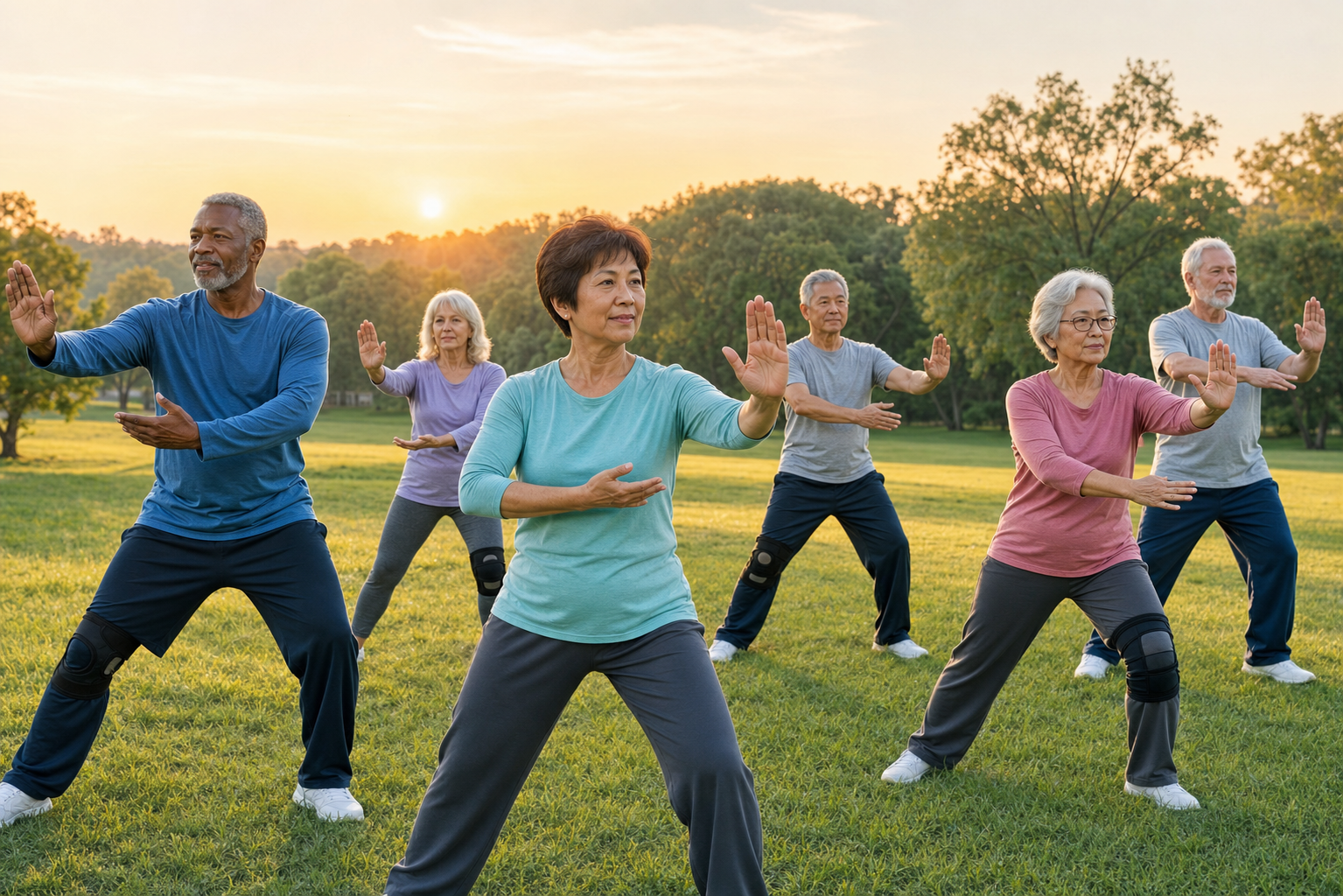
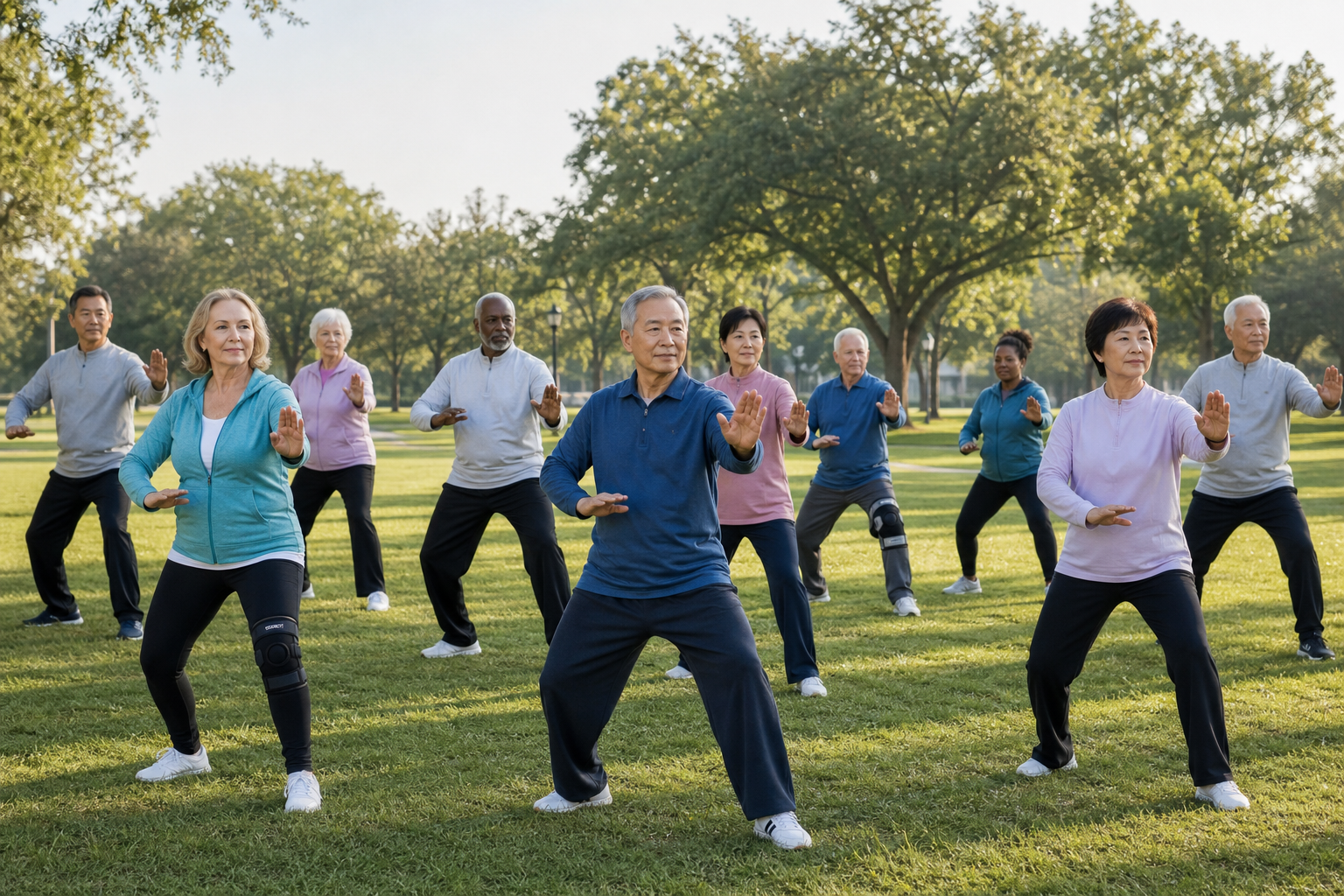
I’ll never forget my first tai chi class in the rec center gym. Picture a dozen nervous knees (and their equally nervous owners), most of us fighting some combination of stiffness, pain, and anxiety about “looking silly.” The instructor, a wiry man in his seventies with the calmest energy I’ve ever seen, told us: “Don’t worry about doing it ‘right.’ Just move. That’s how healing starts.” I was there because a patient — a retired librarian with the most stubborn case of knee arthritis I’d ever seen — swore tai chi had saved her from a second surgery.
Chronic Pain and Wobbly Balance: I Get It
If you’re reading this, chances are you know the pain of joint stiffness first thing in the morning. Or that little jolt of panic when you step off a curb and your balance feels just... off. I spent 20 years as an orthopedic nurse, and I’ve seen the toll arthritis can take — not just on the body, but on confidence, independence, even sleep. One reader recently wrote: “Linda, I’m terrified of falling but I’m tired of being scared to move.” If you're nodding along, you're not alone. Most people don’t realize that one in three adults over 65 falls each year, and arthritis doubles that risk (Arthritis Care & Research, 2017).
Here’s the thing: Exercise is critical for joint health and balance, but pounding treadmills or high-impact workouts often make things worse. That's where tai chi comes in—slow, flowing, nearly weightless movements that seem deceptively gentle. But does it actually help? And how?
How Tai Chi Works: Science, Not Just Serenity
First, a quick explainer. Tai chi started as a Chinese martial art but evolved into a meditative movement practice. No, you don’t need incense, silk pajamas, or a secret handshake. (My last class in a church basement had people in jeans and sneakers.) The real magic is in the slow, controlled weight shifts, soft knee bends, and constant attention to alignment and breath. You move, but you also focus—a double-whammy for mind and body.
Now for some real numbers. A 2016 study in Annals of Internal Medicine tracked 204 people with knee osteoarthritis. Half did tai chi, half did traditional physical therapy. After 12 weeks, the tai chi group reported equal improvements in pain, function, and mood compared to PT—plus a bonus dip in depression scores. Not bad for a practice that feels more like meditation than a workout.
I’ll be honest—when I first heard about tai chi for arthritis, I was skeptical. But after seeing dozens of my own patients report steadier walking, less stiffness, and even better sleep, I started digging deeper. I found a 2019 Journal of Rheumatology review: across 15 trials, tai chi consistently improved pain and mobility in osteoarthritis patients (especially knees and hips), often with fewer side effects than medication.
Tai Chi’s Secret Sauce: Balance Training
Alright, so what about balance? This is where tai chi really shines. Those slow, controlled shifts from one foot to the other aren’t just for show. Studies (like the 2012 NEJM trial on balance and falls) show tai chi can reduce fall risk by up to 43% in older adults. It’s not magic — it’s muscle memory, retraining your body to correct itself before you lose your footing.
And for people with arthritis, the benefit doubles: less pain means more confidence in each step, which means less shuffling and more natural movement. (My favorite metaphor: tai chi is like anti-rust for your joints and balance circuits.)
What Makes Tai Chi Unique for Arthritis?
Plenty of exercise programs claim to help arthritis, but tai chi has a few tricks up its sleeve that most miss:
- Weight Shifting: Every step in tai chi is deliberate. You’re constantly moving your center of gravity—gently, safely retraining your balance reflexes.
- Low-Impact (for Real): No pounding, no twisting, no jumping. Even the most flared-up knees or hips can usually handle it.
- Mind-Body Focus: Instead of zoning out, you’re tuned in. That awareness means fewer missteps and more control over “where your body is in space” (what we call proprioception).
- Built-in Relaxation: Stress and pain are a vicious cycle. Tai chi’s breathing and rhythm can help dial down anxiety and muscle tension — research in BMJ Open found it even helps sleep quality for people with chronic joint pain.
Tai Chi, Medication, and Other Therapies: Not an Either/Or
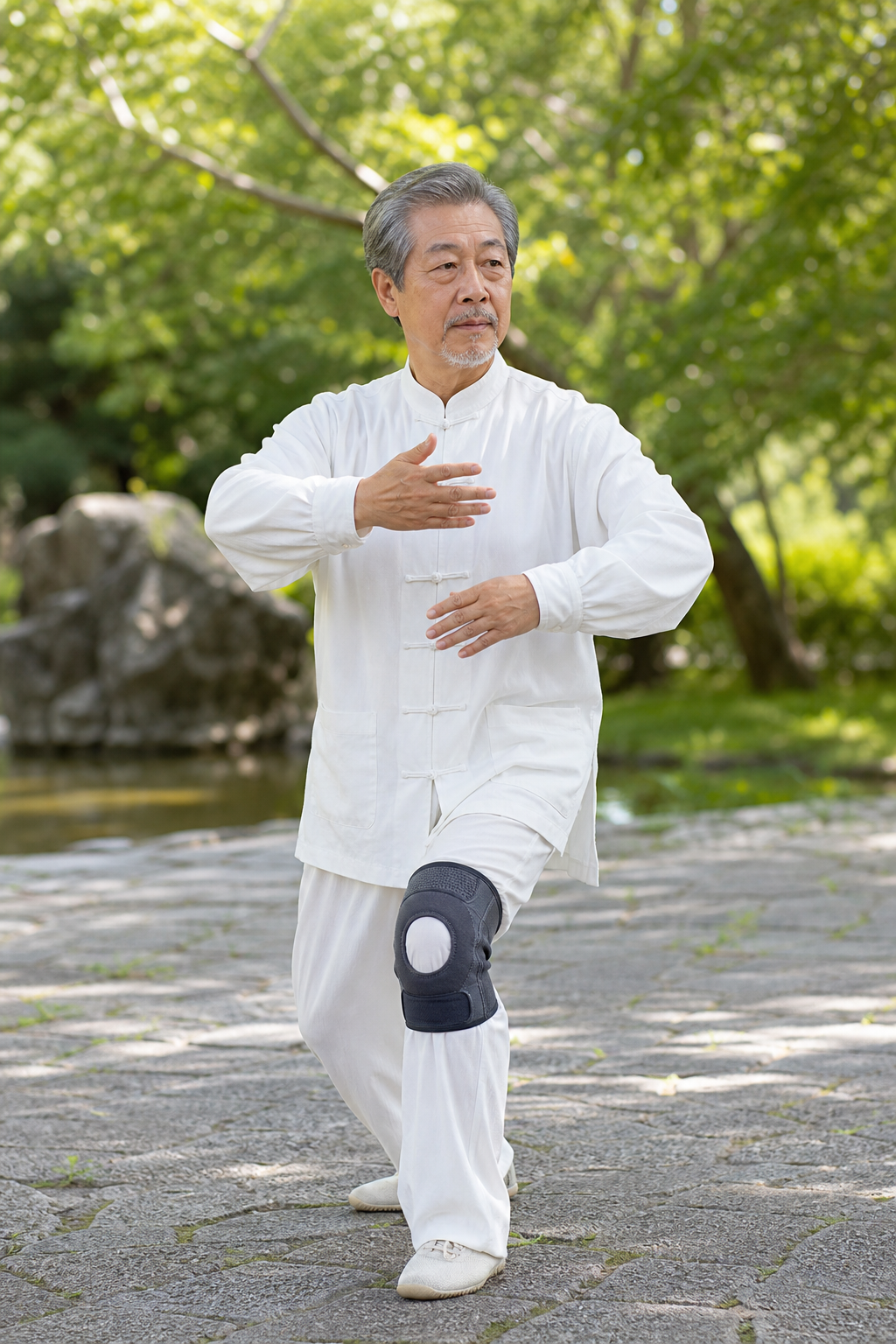
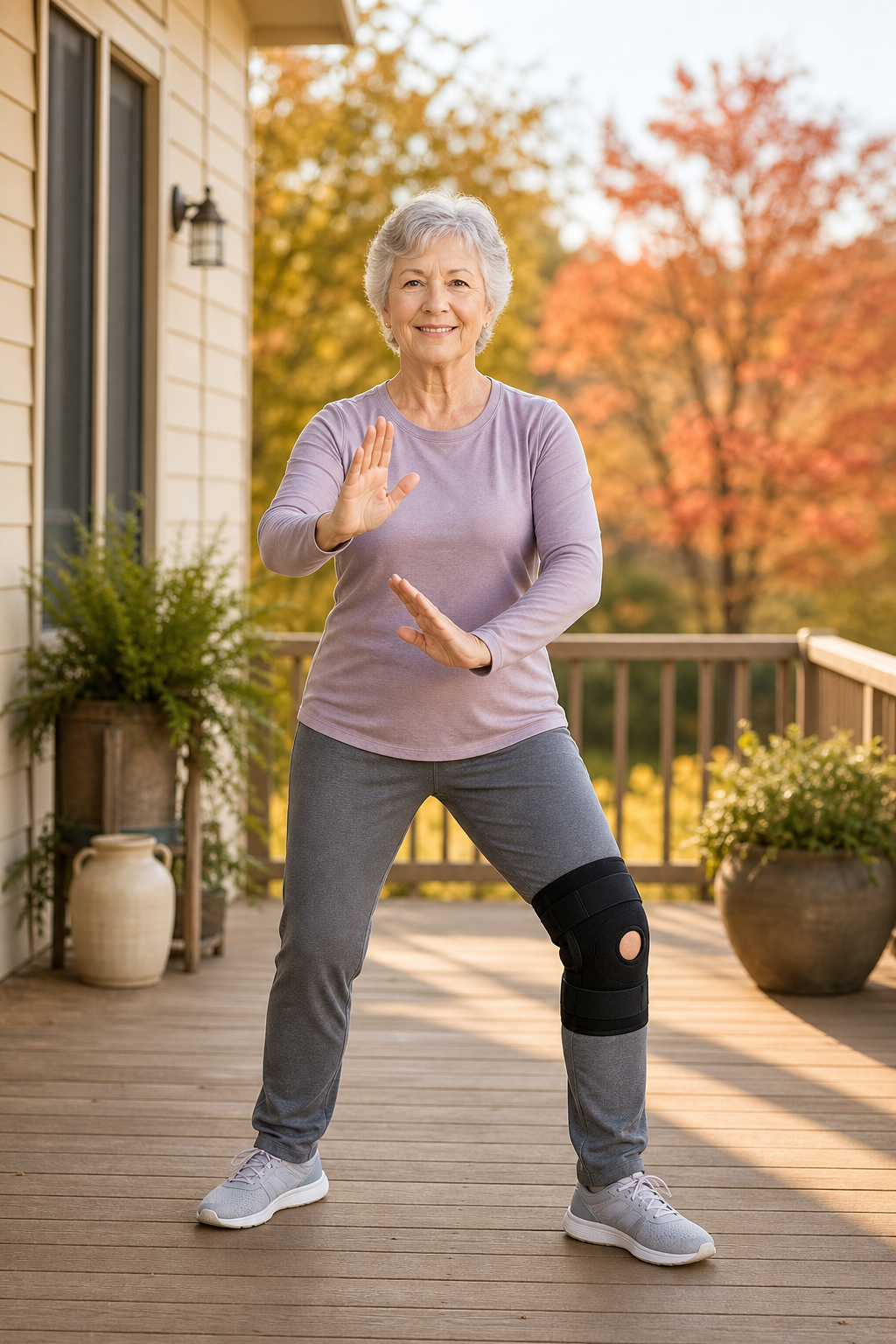
Here’s where most articles get it wrong. Tai chi isn’t a miracle cure, and it’s rarely a replacement for medication or physical therapy—especially if you’re dealing with severe arthritis. But it’s one of the few movement practices that fits neatly alongside other medical treatments. I’ve seen patients who use Voltaren Arthritis Pain Gel to manage flare-ups so they can participate in weekly tai chi classes (always check with your doc before layering treatments). Others use supportive gear like a NEENCA Professional Knee Brace on troublesome days. The key is gentle movement—however you make it possible.
What to Expect: Realistic Results, Honest Limitations
Most beginners want to know: how long before I feel better? Research suggests you’ll notice small gains in balance and pain in as little as 2-4 weeks (that’s what the 2016 Annals study saw). Full results? Give it 10-12 weeks of 1-2 sessions per week. The beauty of tai chi is that even short, home-based routines—just 20 minutes a few times a week—can trigger positive changes.
But let me be clear. Tai chi isn’t a “quick fix.” If you have advanced arthritis or severe instability, you’ll need extra support (physical therapy, medication, maybe even a cane at first). And always, talk to your primary provider before starting any new exercise—especially if you’re prone to dizziness, or have heart or lung conditions. Safety comes first, always.
How to Start: Genuine Tips from Years of Trial and Error
- Start Small: You don’t need a 90-minute class. Even five minutes of arm and weight-shifting movements is beneficial.
- Find a Beginner-Friendly Class: Look for “tai chi for arthritis” or “gentle tai chi.” Many senior centers and YMCAs offer free intro sessions. The Arthritis Foundation even certifies some instructors.
- YouTube with Caution: There are great videos (search for Dr. Paul Lam’s lessons), but skip anything that moves too fast or requires deep squats.
- Wear Support If Needed: A supportive knee brace like the NEENCA Professional Knee Brace can take the edge off joint discomfort, letting you stick with the practice longer.
- Don’t Worry About Looking Silly: Remember my first class? Absolutely nobody cares. Everyone’s just trying to move and feel better—stiff hips, sore knees, and all.
A quick aside: If you’re homebound or really struggle to get up and down, a book like Treat Your Own Knees by Jim Johnson, PT has genuinely useful, gentle exercises that build strength and flexibility (even if you’re not ready for tai chi yet). I've recommended it to more than a few stubborn patients who "weren't joiners." Sometimes you need a first step before you can join the class.
Tai Chi and Pain: What the Research Doesn’t Always Say
Look, I have to say this: Tai chi won’t “cure” arthritis. But it changes your relationship with pain. Instead of bracing against discomfort, you learn to move with it. I remember one woman—a former nurse, actually—who told me, “Tai chi made me trust my knees again.” That’s huge.
Several studies, including a 2016 review in Clinical Rehabilitation, showed tai chi decreased not just pain, but the fear of pain—one of the biggest hurdles to staying active. That fear-avoidance cycle (hurt, stop moving, get weaker, hurt more) is real. Tai chi breaks it by building confidence in safe, supported movement.
Balance Gains: Not Just Physical
Here's where it gets interesting. Tai chi improves what we call "dynamic balance"—the kind you use walking, climbing stairs, even turning around in the kitchen. It also trains your mind to "notice" when you're off-kilter so you can correct before you stumble.
The real kicker? This training translates into everyday life. I’ve had patients tell me they caught themselves during a trip on the sidewalk because their “tai chi brain” kicked in. That’s evidence-based muscle memory.
But—Is Tai Chi Right for You?
If you have moderate arthritis, no major balance problems, and can stand comfortably for 5-10 minutes, tai chi can likely fit into your routine. If you’re pretty unstable, have recently fallen, or can’t stand for long, start with a physical therapist first—many PTs teach modified tai chi or can guide you toward readiness. Always listen to your body and your provider.
And don’t be discouraged if the first class feels awkward. Imagine a room full of stiff, anxious knees (mine included)—by week 3, everyone moves more smoothly and stands a little taller. That’s progress.
Combining Tai Chi With Other Supports
I know this is slightly controversial, but I often recommend a layered approach. Use topical relief like Voltaren for flare-up days, a NEENCA Professional Knee Brace for support, and gentle exercise (tai chi, swimming, PT) for long-term gains. Most clinics and doctors agree—whatever keeps you moving, safely, is worth exploring.
Takeaways: Tai Chi for Arthritis and Balance
- Tai chi offers clinically proven benefits for arthritis pain, stiffness, and balance.
- Research backs improvements in both physical and mental well-being — sometimes matching traditional PT.
- Start slow, use support if you need it, and always check with your provider first.
- Layering tai chi with smart pain-relief (think Voltaren) or physical supports (knee braces) lets you stick with it longer and get the most benefit.
- It's not about perfection. It’s about improving a little, week by week — and giving your joints (and confidence) a fighting chance.
I hope this helps you see tai chi as something real, practical, and worth trying—even if you’re a little nervous. If you have questions, shoot me a message. I’ve walked this road with hundreds of patients (and, let’s be honest, my own cranky knees). You don’t have to do it alone.
Linda Hargrove, RN — Orthopedic nurse, health writer, lifelong joint-pain skeptic-turned-believer