Tai Chi Benefits for Arthritis and Balance: What Real Research (and My Experience) Shows
"My knees sounded like a bowl of Rice Krispies every time I stood up. Now? I can go up the stairs without holding onto the rail." That was from a reader last year, describing her progress after starting tai chi at age 68. I hear versions of this story all the time—at workshops, in clinic, even at family gatherings. The real kicker? Tai chi’s benefits for arthritis and balance aren’t hype. They’re measurable, and I’ve seen them firsthand.
Living with Arthritis and Wobbly Balance: Been There, Seen That
Here’s the thing: arthritis pain and poor balance don’t just make you move slower—they make you feel older than you are. Morning stiffness, knees that ache when you get out of bed, the fear of tripping on the curb. Back when my mother-in-law developed knee osteoarthritis, she dreaded walking her dog because of the risk of falling. And she’s not alone. The CDC says one in four adults over 65 actually falls every year. So if you’re nodding along, you’re in good company.
I work with folks every week who are juggling sore joints and “teeter-totter” balance. Pills help, sure, but nobody wants to rely on them forever. That’s why I started recommending tai chi more than a decade ago—because the data (and stories like my mother-in-law’s) kept piling up.
So...What Is Tai Chi, Really?
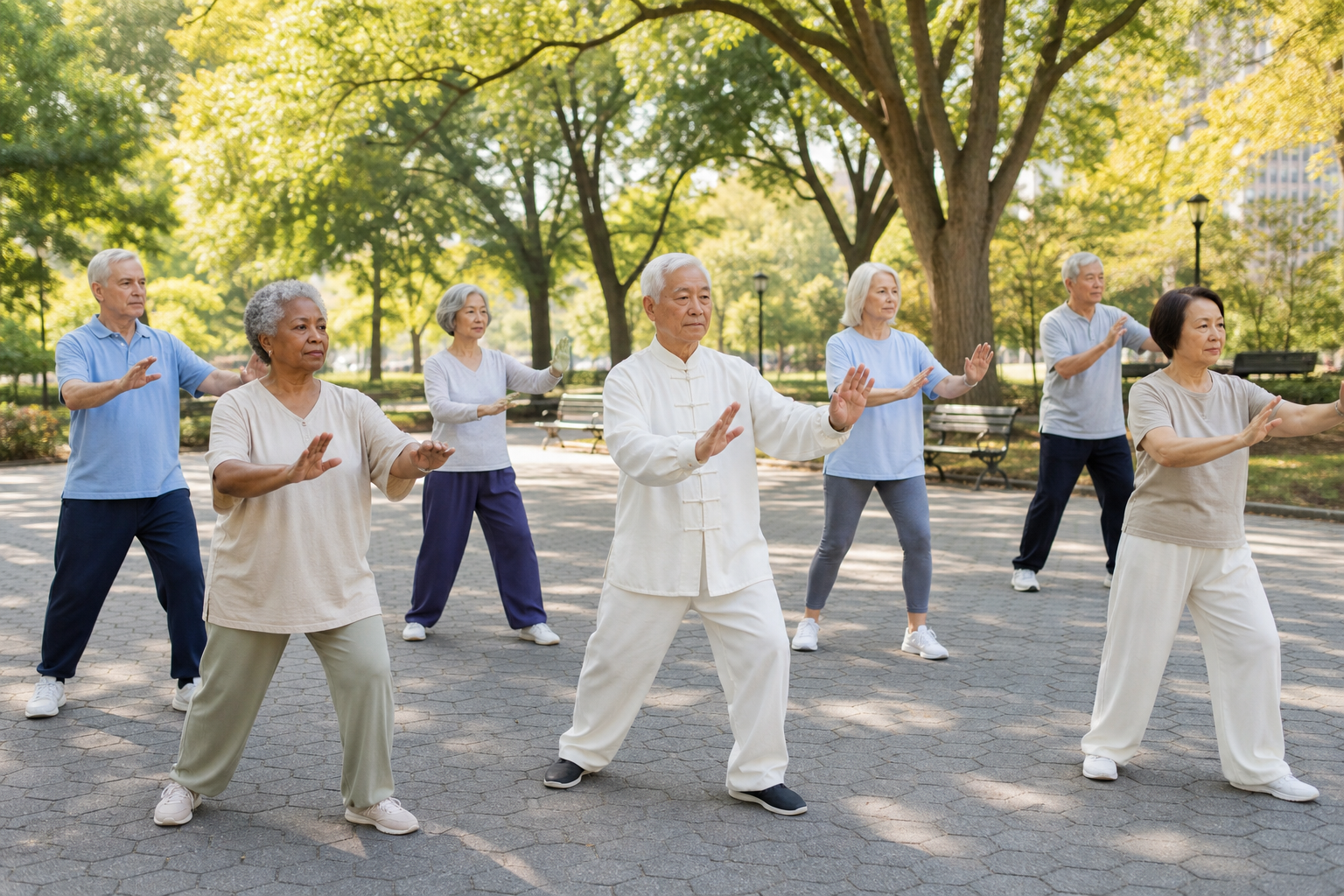
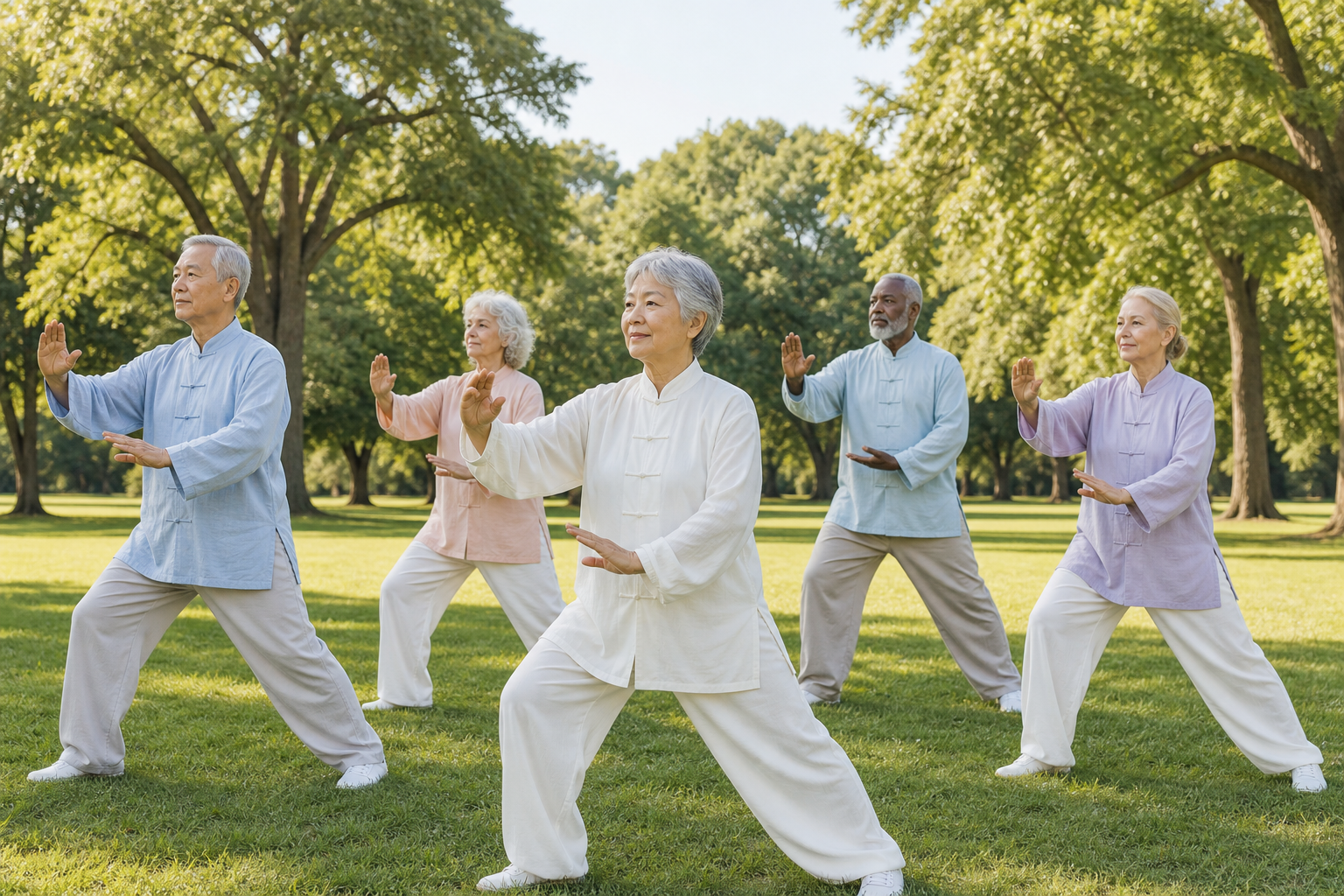
If you’re picturing a group of retirees waving their arms in the park, you’re half right. Tai chi is an ancient Chinese martial art, but most modern classes look nothing like a kung fu movie. Think gentle, slow-motion movements—almost like choreography in water. No jumping, no running, no yoga pretzels. The magic is in the slowness. Every step, shift, and turn is deliberate, challenging your brain and body in ways most exercises don’t.
And let’s be honest—if you’re looking for a way to move more but traditional exercise feels like an Olympic event, tai chi is refreshingly accessible.
Here’s Why Tai Chi Works for Arthritis and Balance
The Science, Minus the Jargon
I’ll be upfront—I’m a stickler for actual data, not just testimonials. So when I talk about tai chi for arthritis and balance, I’m leaning on real studies. The Journal of Rheumatology published a 2016 meta-analysis: among over 600 people with knee osteoarthritis, those practicing tai chi twice weekly for 12 weeks reported a 32% reduction in pain compared to controls. That’s not a small effect. And the improvements lasted as long as six months for many participants.
Balance? Another big win. In a 2012 BMJ randomized trial, older adults who practiced tai chi cut their risk of falling by 43% over six months. Most did just two or three sessions per week—no extreme commitment required. The researchers chalked it up to the way tai chi forces you to shift weight, control your center of gravity, and coordinate your upper and lower body.
Here’s where it gets interesting: tai chi appears to boost proprioception—your body’s awareness of where it is in space. That’s a fancy way of saying your ankle, knee, and hip joints "talk" to your brain better, so you catch yourself before you stumble. Not gonna lie, most standard gym exercises don’t touch this skill.
What About Stiffness and Fatigue?
That’s another area where tai chi shines. The Arthritis & Rheumatology journal (2015) found tai chi reduced joint stiffness by 27% in rheumatoid arthritis patients—and boosted energy levels too. I suspect part of it is the gentle cardiovascular effect; moving slowly but continuously gets your blood pumping without trashing your joints. And nobody walks out of a tai chi class dripping sweat or gasping for air. That’s a plus in my book.
Does It Actually Strengthen Muscles?
This is controversial. Tai chi isn’t resistance training, but repeated weight-shifting and semi-squats do activate the quadriceps, glutes, and core. If you’re starting from a place of low fitness or arthritis-related inactivity, even subtle strength gains make everyday movements much easier. And honestly, I’ve seen patients improve their ability to rise from chairs and climb stairs after just a couple months.
Is it going to replace your gym routine? No. But it builds a strong foundation—and for many, that’s the missing piece.
Making Tai Chi Part of Your Life (Even If You Have Stiff Joints and Zero Coordination)
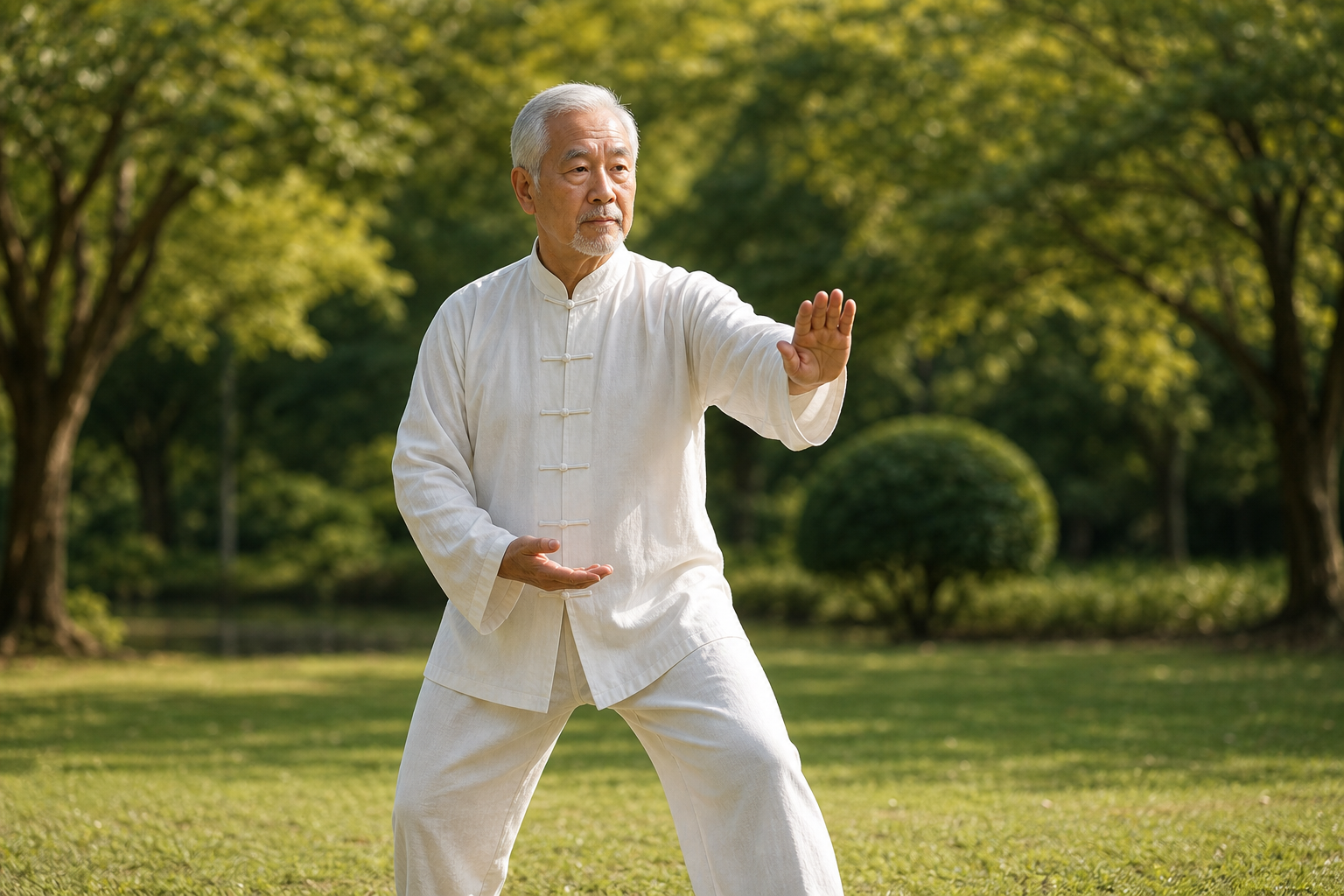
I hear the same excuses: "It looks complicated," or "I’m too stiff — I could never remember all those moves." Trust me, nobody shows up to their first class with perfect form. Tai chi is about progress, not perfection. The goal is gentle, pain-free movement. And if you have arthritis, you should always go at your own pace. I always recommend talking to your physician before starting any new program—especially if you have advanced joint disease, recent surgery, or balance problems that put you at high risk of falling. Safety first, always.
Classes vs. Videos vs. Books: My Honest Take
Live classes are ideal. Good instructors can modify moves for bad knees or hips, and the group support is real. But I also know not everyone has access—rural readers in particular have told me as much. That’s why well-made video courses and books are often the next best thing. My favorite resource for starting at home is Treat Your Own Knees by Jim Johnson, PT. While it’s not a tai chi manual, it blends mobility and strengthening routines that pair beautifully with tai chi practice—and it’s research-backed, which I appreciate.
I’ll be honest—there are a ton of dodgy tai chi YouTube channels. If you go that route, stick with certified instructors, ideally those affiliated with the Arthritis Foundation or similar reputable groups. Bad instruction is a recipe for frustration—or worse, injury.
What Does a Beginner Session Look Like?
- Warm-up (5 minutes): Gentle ankle, knee, and shoulder circles.
- Repeating basic forms (15-20 minutes): Movements with names like "Wave Hands Like Clouds" or "Parting the Wild Horse’s Mane." These sound poetic, but they’re mainly slow shifting from side to side with controlled arm motions.
- Cool-down (5 minutes): Breathing and gentle stretching.
Most people feel more relaxed and limber afterward. I had a client say, “It’s like someone oiled my joints.” (His words, not mine!)
Digging Deeper: Tai Chi vs. Other Exercise for Arthritis & Balance
Look, I’m not anti-yoga or anti-walking. Both are great. But here’s what the head-to-head research shows—
- Tai chi vs. walking: A 2018 study in Annals of Internal Medicine found tai chi was at least as effective as brisk walking for pain and function in knee osteoarthritis. Walking’s wonderful, but it doesn’t train balance or joint control in the same way.
- Tai chi vs. strength training: Strengthening is crucial, especially for knee arthritis. But tai chi adds a coordination and balance element (proprioception again) that weights alone can’t match. I often recommend both for maximum benefit.
- Tai chi vs. yoga: Yoga’s fantastic for flexibility and mindfulness, but many postures put heavy load on knees, wrists, or hips—sometimes more than folks with arthritis can tolerate. Tai chi rarely aggravates these sensitive joints.
Most articles won’t tell you this, but the real advantage is the low risk of "overdoing it" with tai chi. There’s no such thing as a tai chi injury epidemic. That’s refreshing.
Tips to Get the Most Out of Tai Chi for Arthritis and Balance
- Start slow. Even 10 minutes per day counts. You don’t need hour-long sessions to see benefits.
- Footwear matters. Flat, flexible shoes are best. If you have advanced arthritis, consider supportive shoes or even practicing barefoot on a yoga mat for joint comfort.
- Don’t ignore pain. Mild discomfort is normal as you “wake up” unused muscles, but sharp pain is a red flag. Slow down or modify moves.
- Buddy up. Practicing with a friend or relative boosts motivation. I’ve seen plenty of couples use tai chi as their "date night."
- Supplement recovery. On days your knees ache more, products like Voltaren Arthritis Pain Gel can take the edge off so you keep moving. It’s one of the few topical rubs with real clinical evidence for arthritis pain (diclofenac sodium, for the data nerds).
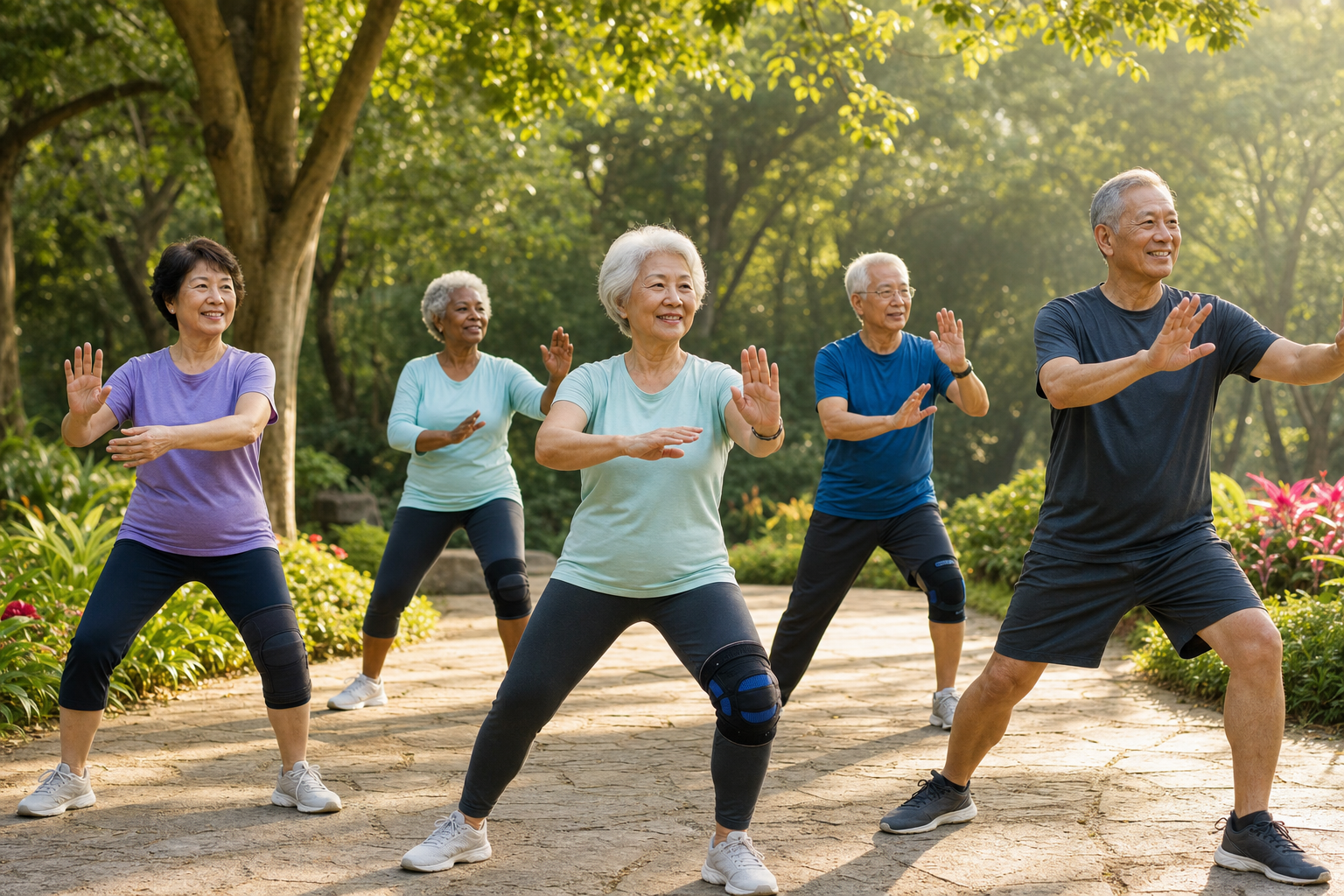
- Support matters. If you struggle during standing forms, a NEENCA Professional Knee Brace offers compression and side stabilization—especially on days when your knees feel "wobbly." I’ve seen patients regain the confidence to try new movements just by strapping one on.
A final word on props: these are tools, not crutches. The end goal is always more self-sufficiency, not dependence.
How Long Before You Notice Tai Chi Benefits?
In my experience, people start sleeping better and notice mild improvements in stiffness within 2-4 weeks. Pain relief and real balance gains usually show up after 8-12 weeks. The science backs this up. Consistency is the key—twice a week is the minimum sweet spot, but more frequent “little and often” sessions are even better.
One thing: don’t expect overnight miracles. The progress is slow and steady, like the movements themselves. Stick with it. Even my most skeptical patients (the ones who rolled their eyes at “that slow dancing stuff”) usually come around once they realize they’re moving better, worrying less, and—yes—falling less.
Limitations? Of Course There Are
Tai chi isn’t a cure-all. If you have severe mobility challenges, spinal stenosis, or neurological disorders, you should consult your doctor or physical therapist for tailored advice. And if you’re hoping tai chi alone will replace your medication or undo decades of joint damage…well, I wish it were that simple. Tai chi is a powerful complement, not a magic bullet.
The Real-World Takeaways
- Tai chi is safe, gentle, and effective for most adults with arthritis and balance issues, according to robust research.
- Benefits include less pain (up to 32% reduction), better balance (fall risk cut almost in half), more energy, and a greater sense of control.
- Getting started is easier than most people think—live classes help, but books like Treat Your Own Knees and trusted online videos can bridge the gap.
- Supportive products—like Voltaren Arthritis Pain Gel and the NEENCA Professional Knee Brace—help on rough days, but shouldn’t take the place of movement itself.
If you’ve been on the fence, here’s my (gently pushy) nudge: try tai chi for a month. Your joints, your balance—and maybe your spirits—will thank you.
See You on the Mat (or the Grass in the Park)
Look, I didn’t believe in the “magic” of tai chi until I saw my own patients getting better—not just on paper, but in how freely they moved and smiled. These days, I’m as likely to recommend tai chi as I am to prescribe a strengthening plan or a knee brace.
Questions? Experiences to share? Shoot me a message—I read every one. And if you’re that person who thinks you’re too stiff, too clumsy, or too old to try tai chi…well, you might just surprise yourself.
Wishing you strong knees and steady steps,
James Chen, MS, CSCS
JointReliefReviews.com
James Chen holds a Master's in Exercise Science and is a Certified Strength & Conditioning Specialist. He specializes in evidence-based approaches to joint health and mobility for adults over 50.