Tai Chi Benefits for Arthritis and Balance: What My Knees (and the Research) Really Think
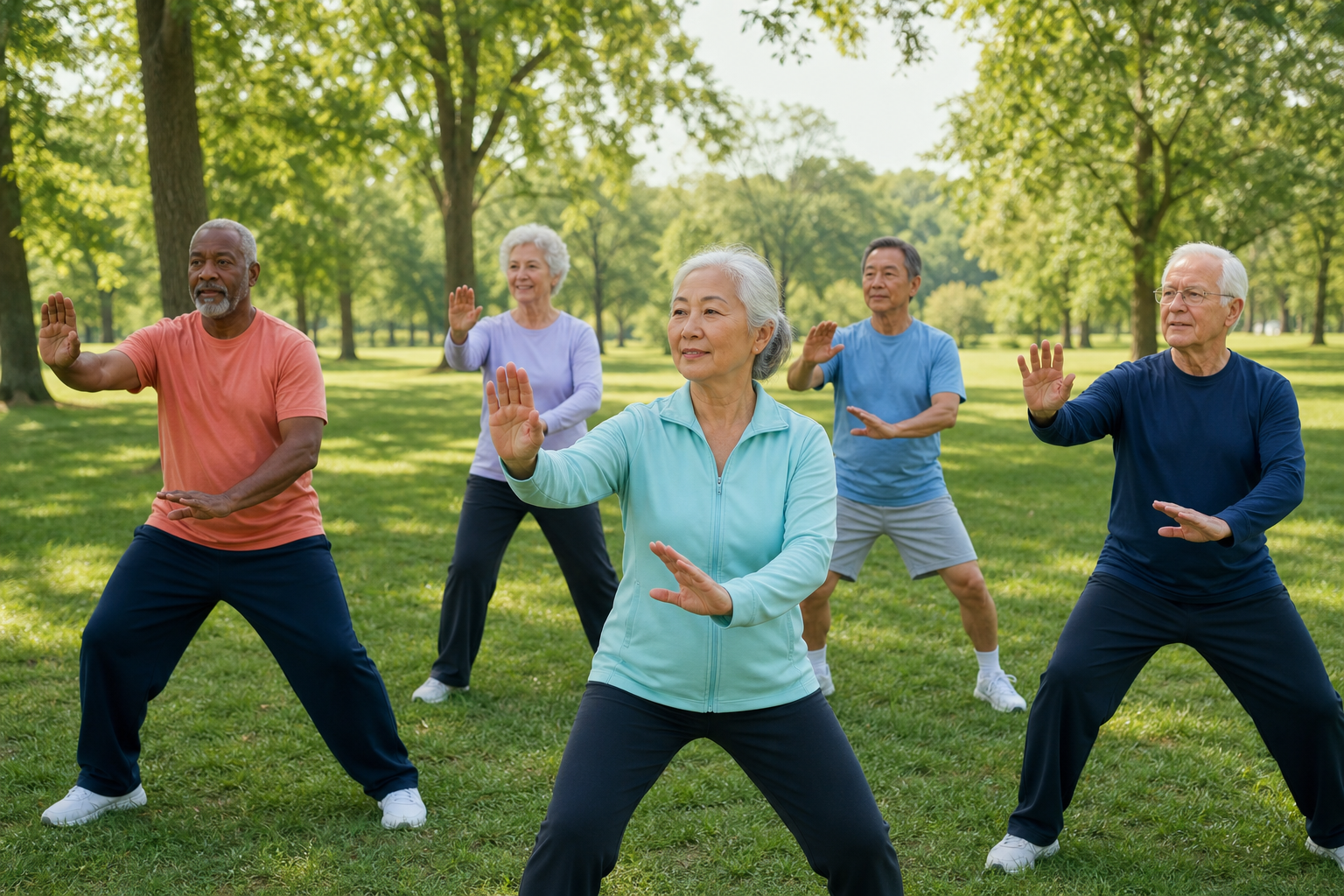
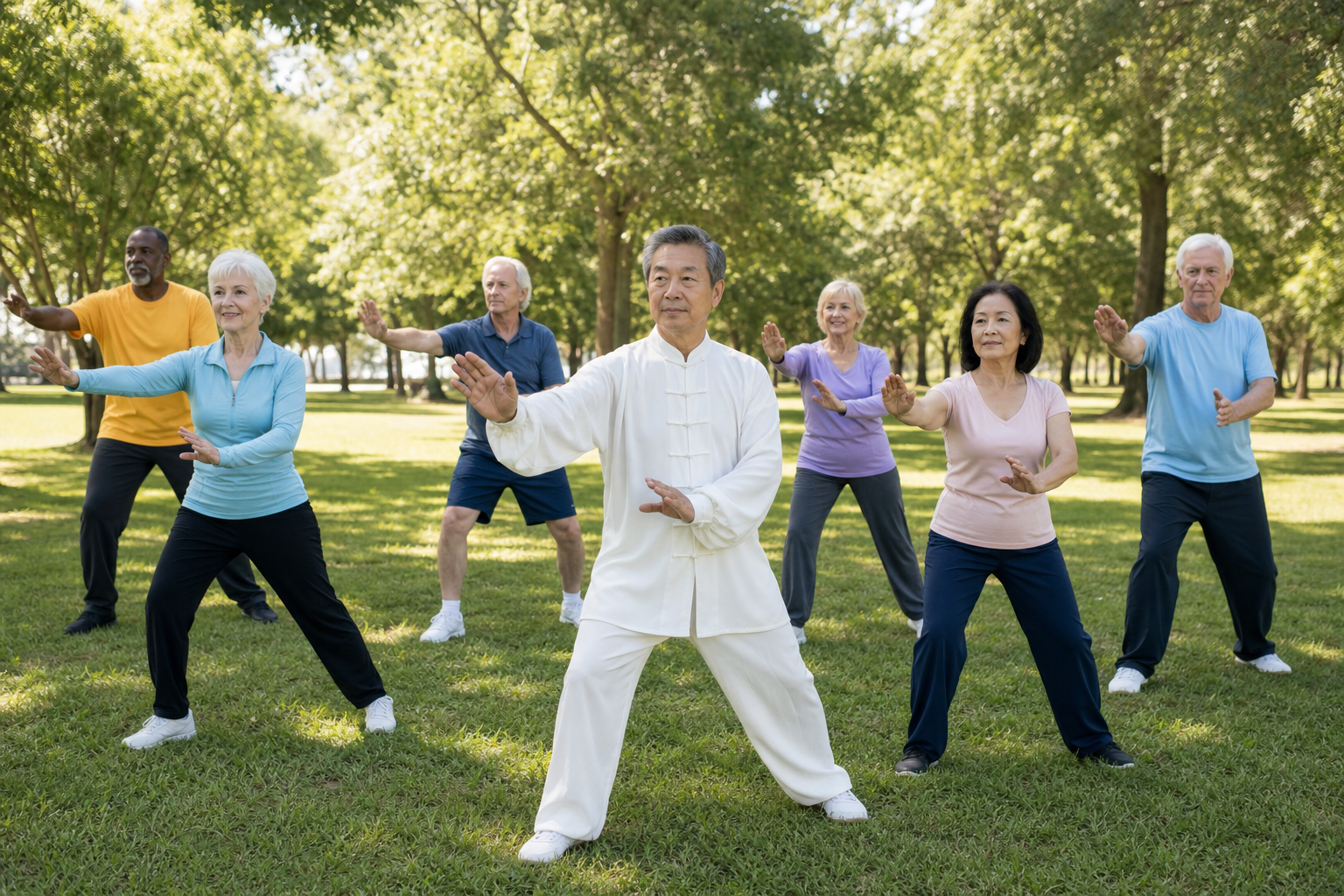
If you’d told me ten years ago that I’d be leading a group of retirees through tai chi movements in a park, I would’ve laughed. I was a runner, a hiker — the person who rolled her eyes at “gentle exercise.” But three knee injuries and one humbling bout of osteoarthritis later, I’m the first to recommend tai chi to anyone who’ll listen (especially if you struggle with joint pain or staying steady on your feet).
Why Are We Talking About Tai Chi?
Here’s the thing: arthritis pain and balance issues aren’t just “facts of aging.” They’re confidence killers. I can’t tell you how many readers have emailed me — or stopped me in the grocery store — to ask, "Is there really anything that helps? I’m terrified of falling, but I hate the idea of another pill." I get it.
What if I told you there’s a centuries-old movement practice, gentle enough for grandma but backed by Harvard researchers and the American College of Rheumatology? That’s tai chi. It isn’t about mysticism. It’s about science, muscle memory, and, yes, a little dose of Zen.
The Daily Grind: What Arthritis and Wobbly Balance Really Feel Like
Let’s be brutally honest. Arthritis pain is exhausting. It’s the ache that shows up when you’re trying to stand from your favorite chair, or the stiffness that makes you dread mornings. And once you start worrying about falling, that fear creeps into every step you take. Even getting the mail can feel like a high-wire act.
I hear from so many people who say, "I just don’t trust my legs anymore." You’re not alone. Studies show that adults with arthritis are twice as likely to report falls as their peers. And let’s not even talk about the cocktail of prescription painkillers and their side effects. There has to be a better way, right?
Breaking Down Tai Chi: What Is It and Why Does It Work?
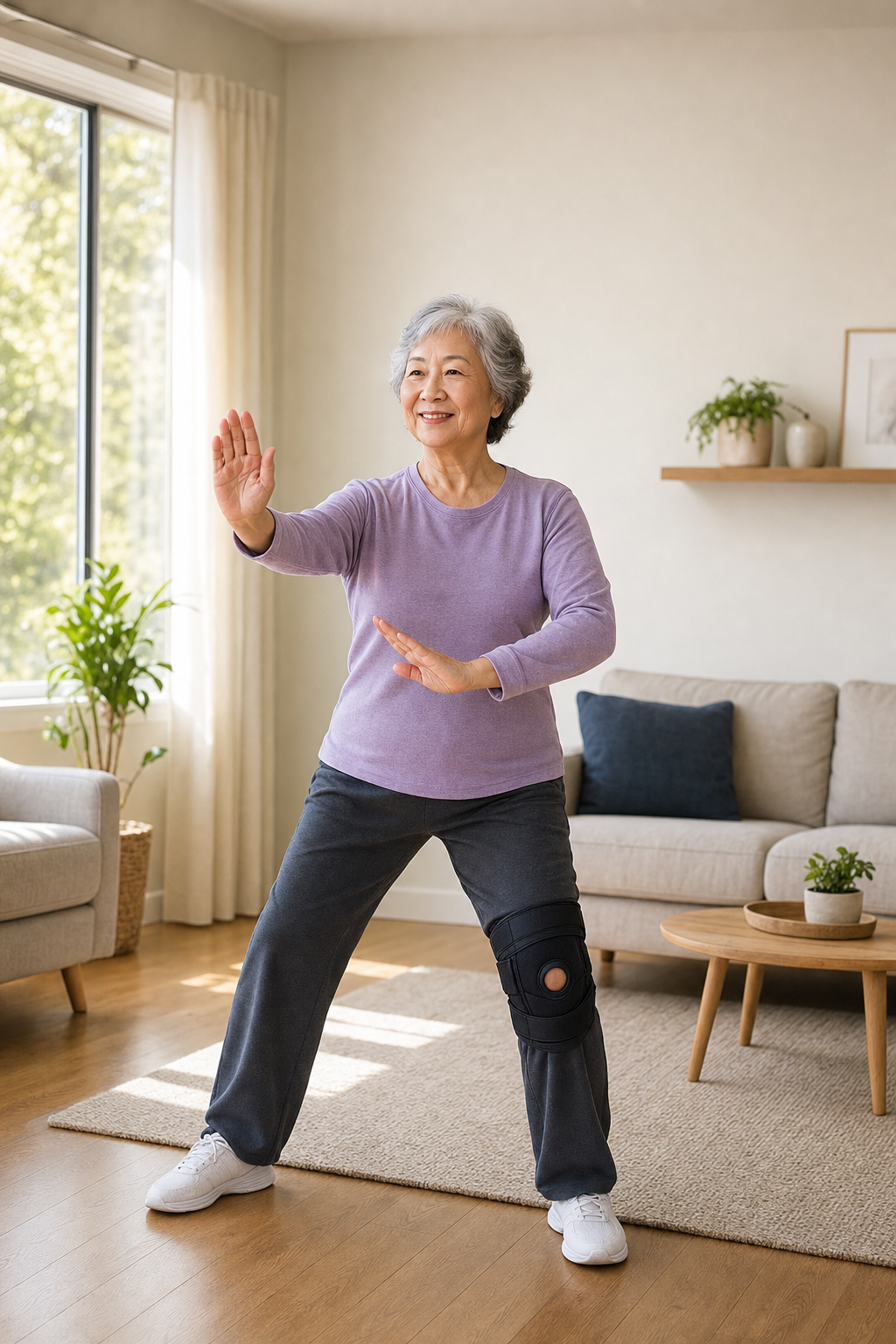
Tai chi started in China as a martial art, but over the centuries, it’s become a gentle, meditative movement practice — think slow, flowing steps and deliberate arm movements that anyone can do, even in their living room.
But here’s where it gets interesting: that slow pace isn’t just for show. Those carefully choreographed motions are training your muscles, joints, and brain to work together. It’s like physical therapy, mindfulness, and low-impact cardio rolled into one. And if you’re thinking “I have terrible balance — I’ll never manage this,” you’re exactly who it’s for.
Mechanisms that matter: Tai chi has you shifting weight from one foot to the other, rising and lowering your center of gravity, moving arms in concert with steps. It’s basically functional training for real life: standing up, turning, reaching, catching yourself if you start to stumble.
The Science: Tai Chi for Arthritis (Not Just Hype)
I’m a stickler for data (my husband teases me about my stacks of medical journals on the nightstand). So when a 2016 randomized controlled trial in Annals of Internal Medicine found that tai chi was as effective as physical therapy for knee osteoarthritis, my ears perked up. They assigned 204 participants to either twice-weekly tai chi or standard PT for 12 weeks. The result? Both groups improved — but the tai chi folks kept their gains longer and reported better mood and less depression, too.
The American College of Rheumatology now officially recommends tai chi for knee and hip osteoarthritis. That’s not a minor endorsement — especially considering how conservative they usually are with lifestyle recommendations.
- Pain reduction: A 2019 meta-analysis in Arthritis Care & Research found tai chi reduced pain by an average of 1.3 points on a 10-point scale for people with knee OA.
- Function and stiffness: Multiple studies report improvements in walking speed, stair climbing, and joint stiffness after 8-12 weeks of regular practice.
- Inflammation: Some very preliminary research suggests tai chi may lower inflammatory markers (like CRP) in the blood — though more studies are needed, and I wouldn’t toss your meds just yet.
What About Balance? Tai Chi’s Secret Weapon
Now, here’s the real kicker. Most people try tai chi for joint pain, but they stick with it for the balance perks. Falls are the boogeyman of aging — and for good reason. One wrong step, one missed curb, and you’re looking at months of recovery (or worse).
So why does tai chi help? It’s all about proprioception — your body’s internal sense of position. Those slow shifts, pauses, and one-legged stances actually train your nervous system to react faster and with more control. One 2012 study in BMJ found that older adults who practiced tai chi twice a week had nearly 50% fewer falls over a 6-month period than those who did other group exercises. That’s enormous.
My own mother-in-law (who laughs at anything “new age”) started tai chi after her first big fall. Within three months, she was walking more confidently and even ditched her cane for short trips.
Tai Chi vs. Other Exercises — And Where It Fits In
Look, I’m not saying you should stop walking, swimming, or strength training. But here’s what most articles won’t tell you: for people with severe arthritis or big balance issues, many traditional exercises just aren’t doable, at least in the beginning. That’s where tai chi shines — it’s safe for almost everyone, done standing or sitting, and doesn’t demand special equipment.
That said, talk to your doctor before starting any new exercise (especially if you have cardiac or neurological conditions). But in my years of interviewing physical therapists and rheumatologists, I’ve never heard one warn against tai chi for arthritis or balance — if anything, they wish more patients would try it.
Getting Started: How to Make Tai Chi Part of Your Arthritis Routine
If you’re nodding along, here’s how I recommend easing in:
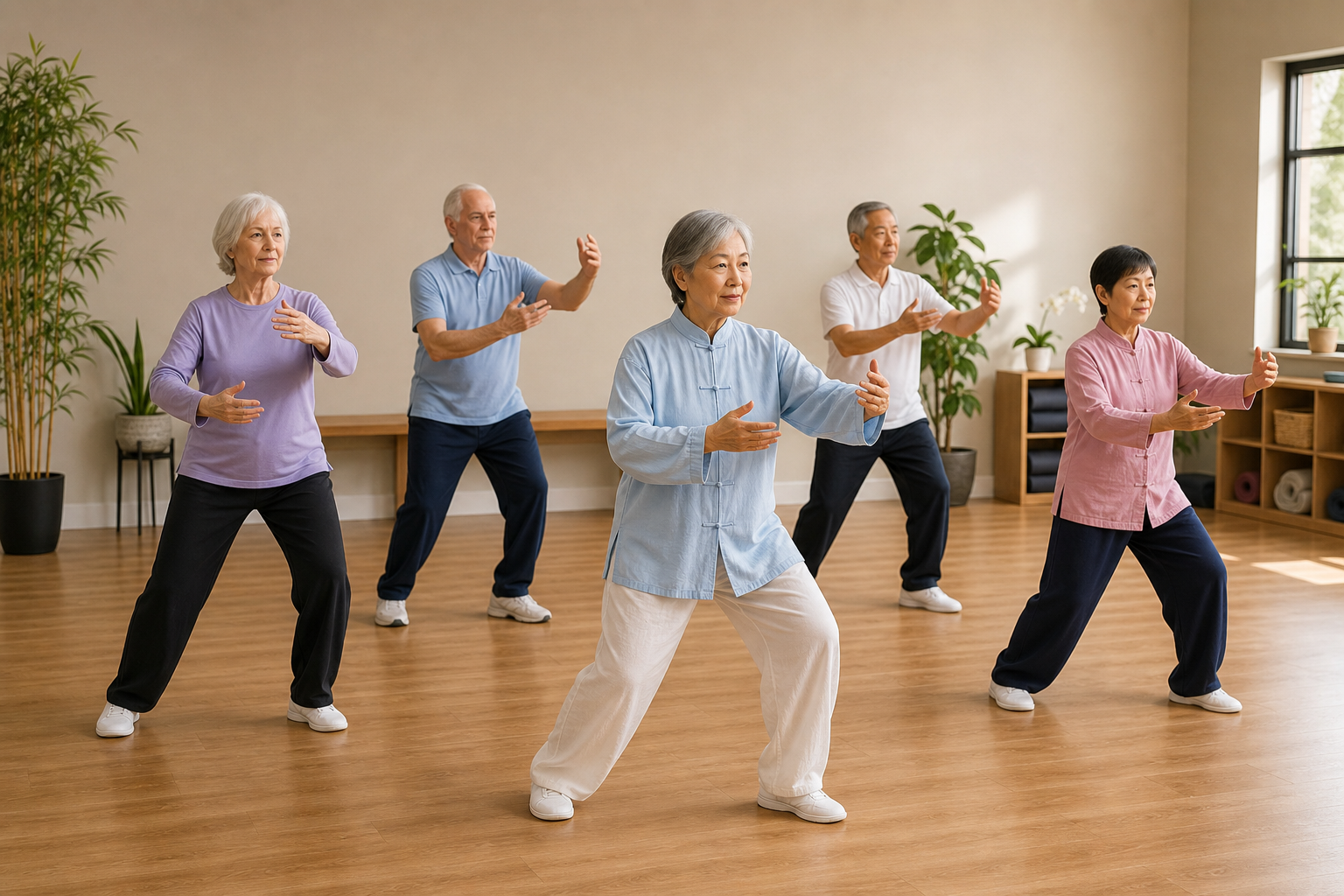
- Find a reputable teacher or class. Community centers, YMCAs, and even some arthritis foundations offer tai chi sessions tailored to joint health. Ask about experience with people who have limited mobility or pain.
- Start with short sessions. Even 10-15 minutes of basic moves can make a difference. Don’t worry about memorizing sequences — just focus on the feeling of smooth, mindful movement.
- Use support as needed. Many beginners hold onto the back of a sturdy chair or counter until their legs get stronger. Safety first. Don’t be a hero.
- Be patient with progress. This isn’t Zumba. Some folks notice less stiffness after a few sessions, but for most, it takes 6-8 weeks to really see big changes.
I’ll be honest — I was skeptical at first. The first few classes felt a bit… slow. But by the fourth week, I was moving better in the mornings, and my stairs stopped looking like Everest. As one of my readers put it, “Tai chi gave me my mornings back.”
Pairing Tai Chi with Practical Tools: What Actually Helps
No one solution is magic — not even tai chi. But pairing movement with supportive gear can really move the needle. For example, on days when my knees are barking, I reach for a heating pad before tai chi class. It primes the joint for movement and makes those first steps less, well, crunchy.
I’m a fan of the Pure Enrichment PureRelief XL Heating Pad. The extra-large size covers both knees or even the whole lower back, and the moist heat setting goes deeper than air alone. (Bonus: automatic shutoff, so you don’t doze off and wake up to a sauna. Ask me how I know.)
On especially wobbly days, a medical-grade knee brace can create that sense of security your muscles crave. I’ve reviewed dozens, but the NEENCA Professional Knee Brace consistently impressed me with its side stabilizers and gel pad — it stays in place, doesn’t bunch up, and gives you just enough support to attempt tai chi (or the grocery store) without the constant fear of “buckling.”
And look, if you’re a book learner (or just not ready for in-person classes), there’s a fantastic, no-nonsense guide called Treat Your Own Knees by Jim Johnson. He walks you through strengthening, flexibility, and balance with a clarity you’ll appreciate — even if you’ve never exercised a day in your life. One of my readers told me she started these at-home routines along with tai chi and felt “less rickety” in just a few weeks.
Deep-Dive: Tai Chi Styles, Modifications, and Real-Life Barriers
Here’s where people get tripped up (pun intended): all the different styles. Yang, Chen, Sun — it sounds more like a menu than an exercise class. For arthritis and balance? Sun-style tai chi is often recommended. It has a higher stance, less deep knee bending, and a gentler pace. But honestly, the best tai chi is the one you’ll actually do. If your local instructor teaches Yang style, that’s perfectly fine — just let them know about your joint issues.
Can’t stand for long? Seated tai chi is a thing. Several studies (including a 2017 pilot in Geriatric Nursing) show that even modified, chair-based routines improve joint stiffness and mental well-being. I have a neighbor who practices while watching the evening news — and says her hands and feet both hurt less these days.
Let’s be real: motivation is tough when your joints ache. My advice? Find a buddy. Whether it’s a grandchild, spouse, or friend from church, having someone to gently nudge you (“Hey, did you do your tai chi today?”) is worth its weight in gold.
Expert Voices (And a Few Honest Warnings)
I reached out to Dr. Sharon Kolasinski, lead author on the American College of Rheumatology’s osteoarthritis guidelines. Her take? “The beauty of tai chi is that it meets people where they are. You can ramp up or slow down as needed — and the risks are minimal.”
But — and this is important — if you have severe joint damage, advanced neuropathy, or a history of falls, always check with your rheumatologist or physical therapist before starting.
And while tai chi won’t replace your medications overnight, it can absolutely become a cornerstone of your arthritis toolkit. (Don’t let anyone shame you for needing both movement and meds. That’s a hill I’ll die on.)
Fresh Takeaways: How to Actually Use Tai Chi for Arthritis and Balance
- Tai chi is one of the few “gentle” exercises with rock-solid evidence for joint pain, stiffness, and improved balance.
- It’s accessible — most people can start safely, even with limited mobility or chronic pain.
- Pair it with practical supports (like a NEENCA knee brace or an XL heating pad) for even better results. I don’t leave home without them on rough days.
- Consistency beats intensity. Even a few minutes a day can help. You’re not training for the Olympics — you’re reclaiming movement, one slow step at a time.
- Stay curious, and don’t be afraid to modify. Tai chi isn’t about perfection; it’s about progress — and keeping your body (and mind) in the game.
The Bottom Line (And a Little Hope)
I know it’s easy to feel like joint pain and feeling “off balance” are just the background music of aging. But tai chi can cut through that noise. For me personally, it’s meant fewer painkillers, better mornings, and a lot less dread at the top of a staircase. That’s not a miracle — that’s just what happens when you give your body a chance to move, safely, consistently, mindfully.
So go ahead: try one class (or YouTube video, or book). See how you feel in a week or two. And if you have a question about gear, modifications, or which studies to trust — shoot me a message. I’ll be rooting for you (and yes, probably doing my own tai chi in the backyard, rain or shine).
Warmly,
Karen Whitfield
Veteran health journalist, JointReliefReviews.com contributor, forever tai chi convert