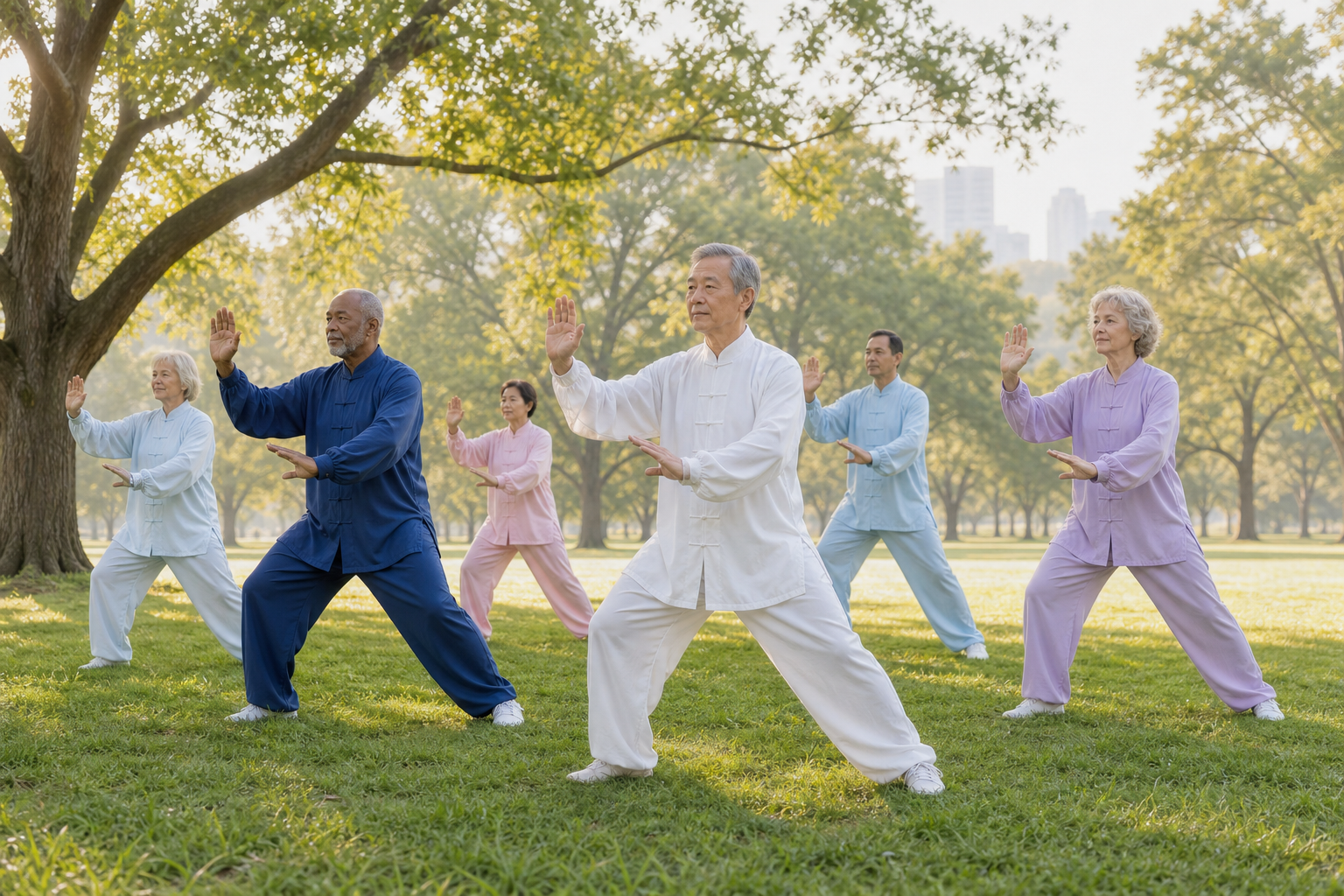
Tai Chi for Arthritis and Balance: Why It’s More Than an Exercise Class
I’ll never forget one of my first patients—let’s call her Mary—who shuffled into my clinic clutching her cane, wincing with every step. She’d tried almost everything for her knee arthritis: pills, braces, creams, you name it. But when she told me her friend had roped her into a tai chi class at the senior center, I’ll admit—I raised an eyebrow. I’d read the studies, sure, but seeing the transformation firsthand? That was something else. Six weeks later, Mary’s limp had softened. She wasn’t pain-free, but her confidence and steadiness? Night and day. And that’s what got me hooked on recommending tai chi—not just as a therapist, but as someone watching real people get their lives back.
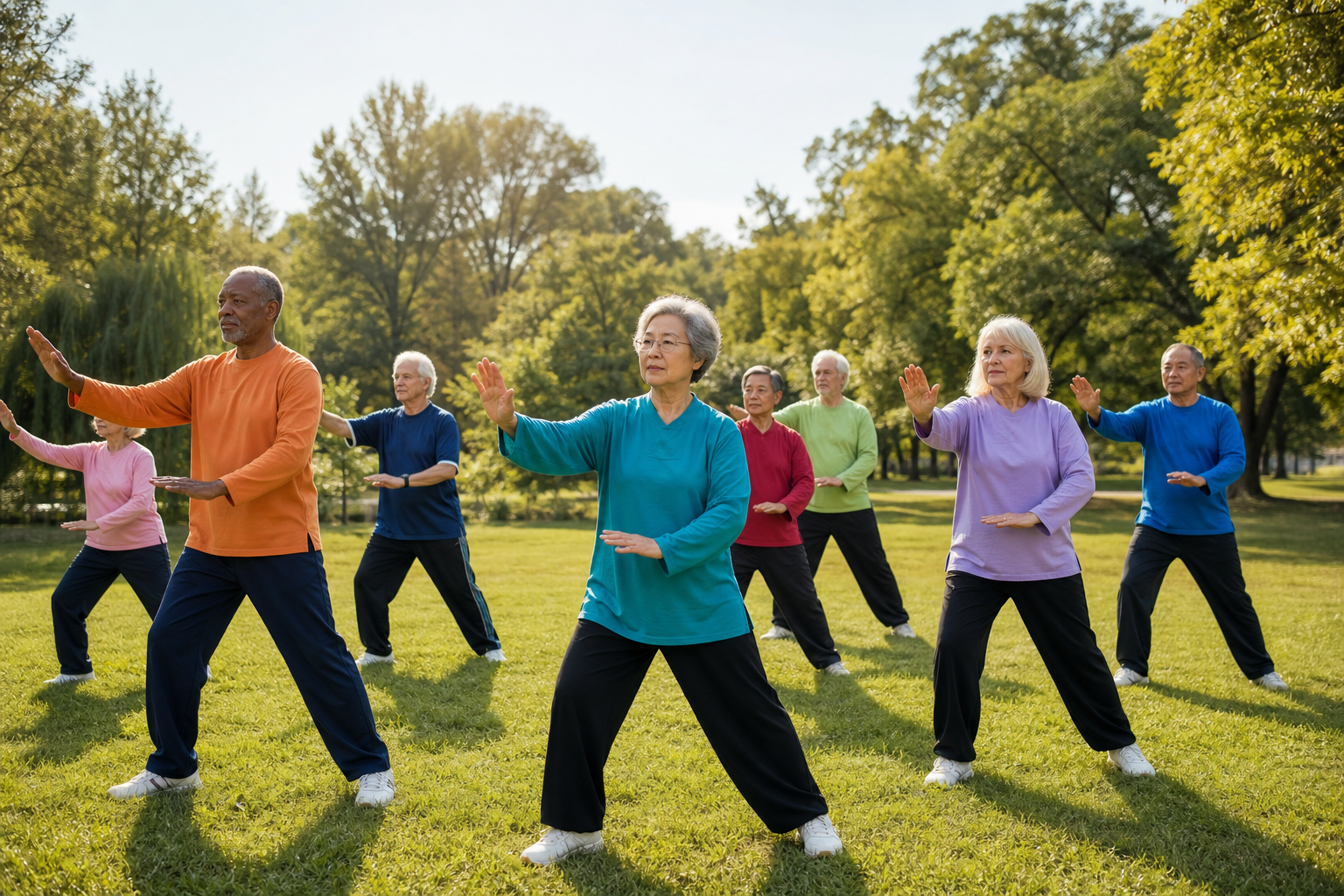
The Daily Struggle Is Real—And You’re Not Alone
Look, if you’re living with arthritis, there are mornings when just getting out of bed feels like an Olympic event. Those first stiff steps, the creaky joints, maybe the subtle fear that you might lose your balance in the shower—it’s exhausting, physically and mentally. I hear about this every week in my clinic. And balance? That’s often the secret worry. Not the pain itself, but the fear of falling, losing independence, or not being able to keep up with grandkids at the park. If you’re nodding along, you’re definitely not alone.
And here’s where it gets interesting: so many arthritis treatments just focus on pain. But what about the muscle weakness, the slow reaction times, the subtle loss of confidence that comes with each near-miss on a staircase? That’s why I’m such a big believer in approaches that target the whole person—not just the sore joint. Tai chi does that better than almost anything I’ve seen.
So, What Actually Is Tai Chi?
Tai chi isn’t just slow-motion karate (though I get why people think that). It’s an ancient Chinese practice, often described as ‘meditation in motion.’ But don’t let the poetic label fool you—there’s some serious science behind it. Tai chi weaves together gentle, flowing movements, deep breathing, and focused attention. The best classes—and yes, there are differences—teach sequences that challenge your coordination, balance, and lower body strength, all without jarring the joints.
Here’s the kicker: you don’t need fancy equipment, athleticism, or even a lot of space. I’ve had patients practice tai chi in their kitchens, their living rooms, even holding onto the back of a sturdy chair.
The Research: Tai Chi for Arthritis and Balance
If you want numbers, I’ve got numbers. A major 2021 meta-analysis in Arthritis & Rheumatology pooled data from over 3,800 participants—and found that tai chi reduced pain scores by an average of 24% in people with knee and hip osteoarthritis. That’s not ‘maybe you’ll feel a little better’—that’s a real shift you can feel in your day-to-day life.
But pain isn’t the only story. Let’s talk balance. A 2020 randomized trial published in the Journal of the American Geriatrics Society tracked 670 older adults with balance issues. Those who practiced tai chi for just one hour, twice a week, cut their risk of falls by nearly 58% compared to a control group doing light stretching. That’s huge. Falls aren’t just scary—they’re the #1 cause of injury-related hospital visits in adults over 65.
And don’t just take my word for it. The American College of Rheumatology’s 2019 guidelines gave tai chi a strong recommendation for knee and hip OA—and for improving general stability in older adults. You’ll find similar guidance from the CDC, the National Council on Aging, and the Arthritis Foundation. This isn’t fringe stuff; it’s mainstream for a reason.
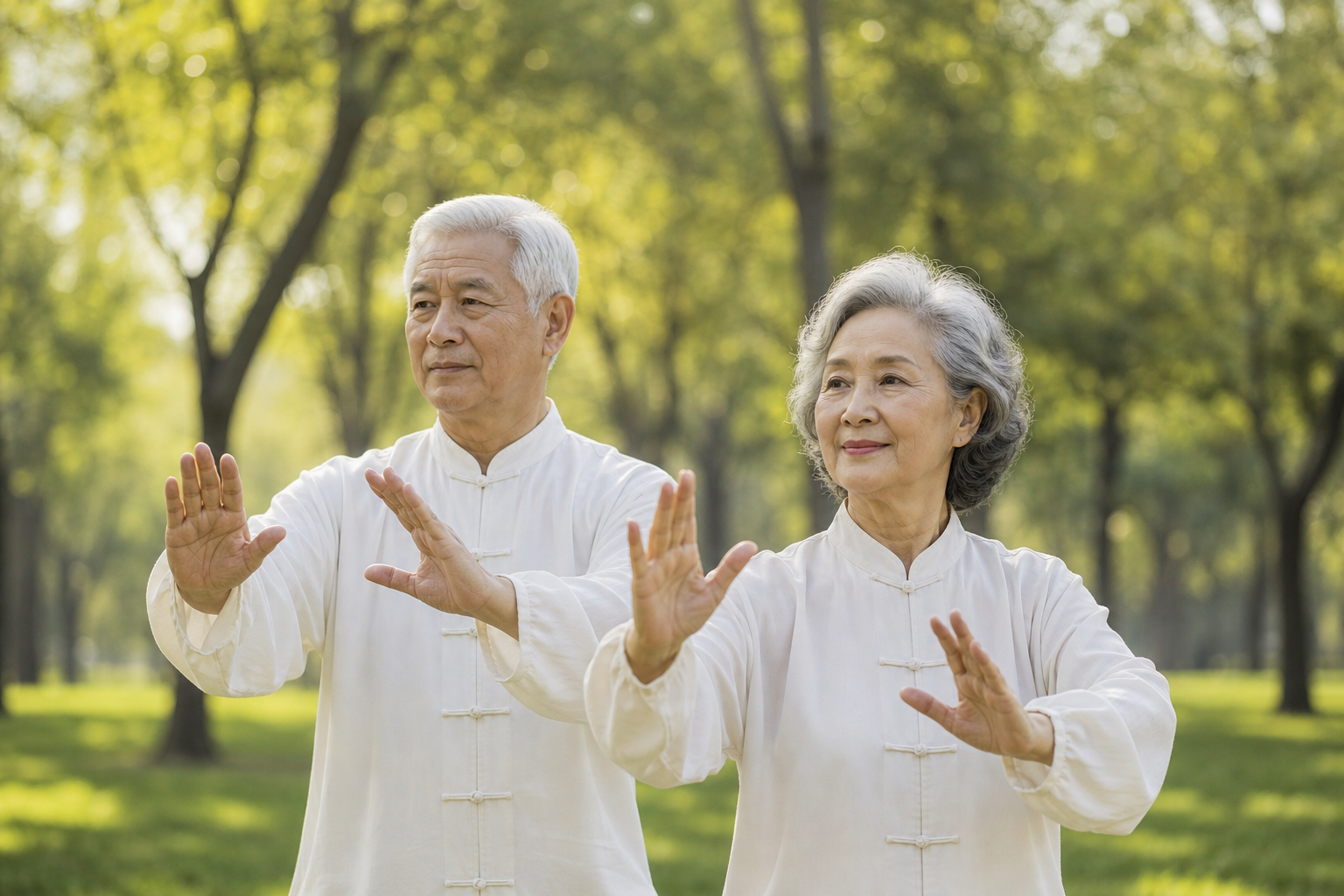
How Tai Chi Actually Helps: The Mechanisms
Here’s the thing: the magic of tai chi is that it works on a bunch of different fronts, all at the same time. First, those slow, controlled movements activate your deep stabilizing muscles—the tiny guys around your knees, hips, and ankles that keep you upright. Most traditional exercise programs ignore these muscles, but they’re critical for preventing falls and stabilizing arthritic joints.
Tai chi also trains what’s called ‘proprioception’—your body’s ability to sense its position in space. Arthritis (and just getting older) can mess with this, making you more likely to stumble or lose your balance. Multiple studies, including a 2018 trial in BMJ Open, found that tai chi restored proprioception scores to near-normal levels in people with moderate arthritis after 12 weeks.
And then there’s the relaxation factor. Chronic pain isn’t just about joints—it winds up your entire nervous system. Mindful practices like tai chi actually dampen the body’s stress response. I’ve had patients tell me their anxiety and sleep improve almost as much as their knees do.
How Often Should You Do It?
This question comes up every time I run a joint health workshop. The sweet spot, according to research, is 2-3 sessions per week, 30-60 minutes each. But I’ve seen people benefit from as little as 10 minutes a day. It’s more about consistency than marathon workouts. And yes, you absolutely can start at home. There are great beginner videos, but if you’re brand new or nervous about balance, a local class with an experienced instructor (preferably one certified in tai chi for arthritis) can make a world of difference.
Quick safety note: If you have severe mobility issues or a recent joint replacement, talk to your doctor or physical therapist before starting any new exercise—including tai chi.
What About Other Arthritis Relief Tools?
Look, I’m not going to pretend tai chi is a miracle cure. It’s fantastic, but sometimes you need a little extra help—especially on bad pain days. That’s when I reach for tried-and-true tools in my clinic:
- Topical Relief: For those especially tough mornings, I often recommend Voltaren Arthritis Pain Gel. It’s diclofenac-based, FDA-approved, and honestly, the only OTC gel with such robust clinical data for osteoarthritis pain. I have patients who keep a tube in every room—one even calls it her ‘magic sauce.’
- Supportive Gear: If your knees feel unstable or you’re worried about stumbling during tai chi practice, a medical-grade brace like the NEENCA Professional Knee Brace can be a game-changer. I like it because it’s got side stabilizers and a gel pad for extra comfort—ideal for those first few weeks when you’re building strength.
- Exercise Guides: Some folks want structured, research-backed routines beyond what a weekly class offers. That’s where books like Treat Your Own Knees shine. I’ve given out dozens of copies over the years. It’s simple, clear, and based on exercise science, not just guesswork.
I’ll be honest—no single product or technique can do it all. The real winners are the folks who mix and match: tai chi for movement, topical relief for flare-ups, maybe a brace for confidence, and a solid exercise plan for the long haul.
Can Tai Chi Replace My Other Treatments?
Here’s where I have to be a bit controversial: I know some practitioners (and plenty of YouTube gurus) promise that tai chi will let you toss your pain meds and braces in the trash. That’s not always realistic. The data shows tai chi can reduce pain and improve function, but for moderate-to-severe arthritis, most people still need a multi-faceted plan. And that’s okay! My job isn’t to sell you on one magic bullet—it’s to help you find what works best for your unique joints, lifestyle, and goals.
But—and this is a big but—I’ve seen patients slash their medication use by half after a few months of tai chi, especially when combined with weight management and good footwear. Some even avoid surgery longer than expected. That’s not just impressive from a medical angle; that’s life-changing for your wallet and your peace of mind.
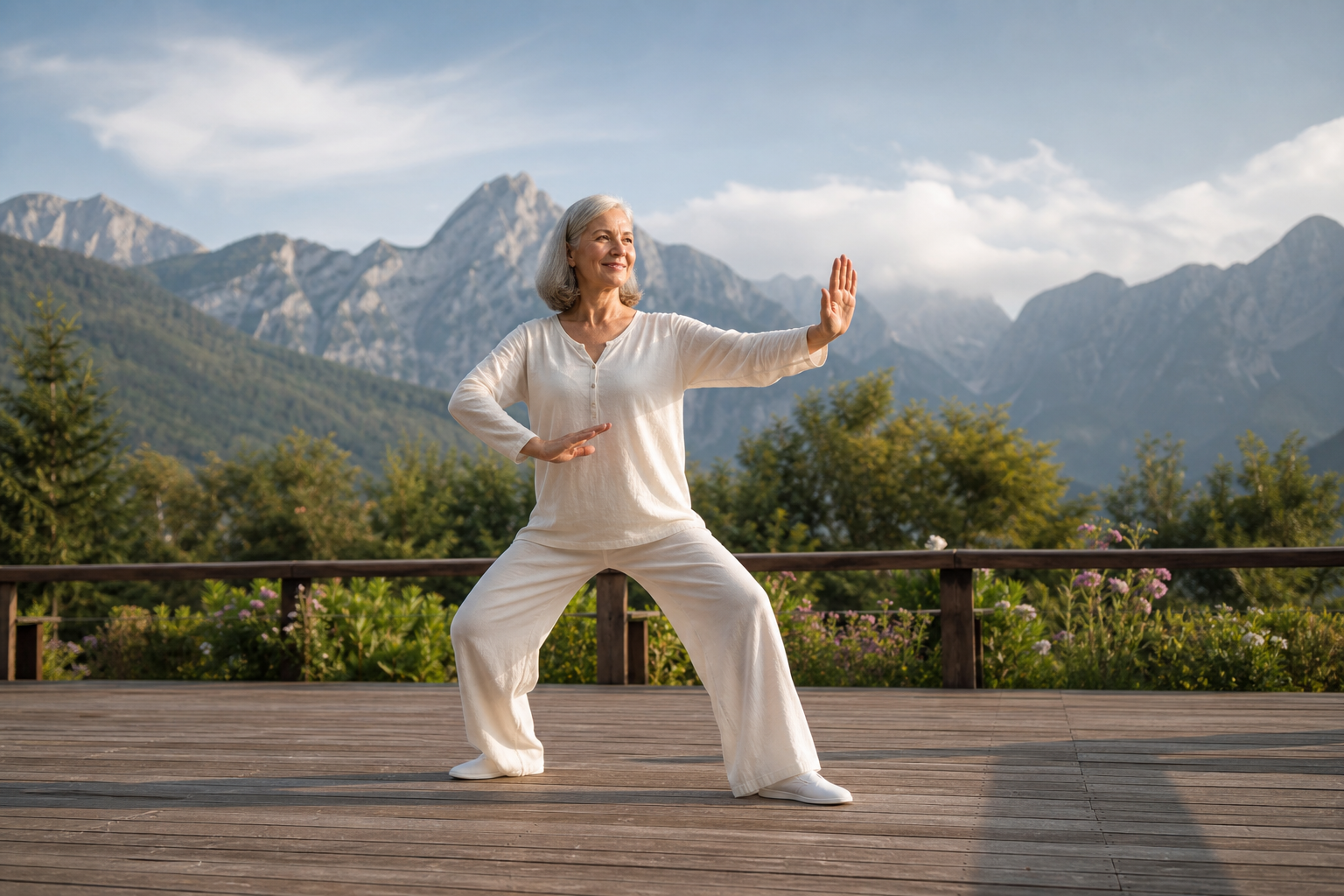
Tips for Getting Started—And Actually Sticking With It
- Start Small, Start Safe: Even five minutes a day can help. If standing is tough, start seated—there are modified routines for every ability.
- Find a Class: Search for ‘tai chi for arthritis’ in your area. Many senior centers offer low-cost classes. Ask if instructors have experience with joint issues.
- Use Supportive Gear If Needed: Don’t feel embarrassed about using a brace or gel for extra support while you’re getting stronger. It’s about moving more, not toughing it out.
- Track Your Progress: I recommend keeping a pain and mobility journal for the first 8 weeks. Most people notice subtle improvements by week 3 or 4—less ‘bone-on-bone’ ache, more confidence stepping over curbs, that kind of thing.
- Combine with Other Supports: On tough days, layering in supports like Voltaren or a knee brace isn’t cheating—it’s smart self-care.
- Celebrate Small Wins: Some days you’ll feel like a tai chi master. Other days you’ll barely get through a warm-up. That’s normal. Progress isn’t linear, but it’s real.
A Few Extra Pearls from the Clinic
One reader emailed me last month asking, “Is it normal to feel a burn in my thighs after tai chi?” Yes! Those slow steps work your quads and glutes in sneaky ways. It means you’re building strength where it matters.
Another common question: “What if my balance is so poor I’m scared to try?” Here’s my honest answer—use a sturdy countertop or the back of a chair for support, or ask your therapist to spot you for the first session. The vast majority of people improve after a few weeks, and the confidence boost can be just as therapeutic as the exercise itself.
What Makes Tai Chi Different from Other Exercises?
Plenty of programs claim to help arthritis and balance—yoga, Pilates, water aerobics. And honestly, those all have their place. But tai chi is unique for a couple reasons:
- Low Impact: No twisting, bouncing, or sudden stops. Perfect for cranky knees and hips.
- Whole-Body Focus: You’re working arms, legs, core, and brain—all at once.
- Balance-Building by Design: Every move challenges your stability in a safe, controlled way. (Other programs sometimes add balance as an afterthought.)
- Mind-Body Connection: The emphasis on breath and attention calms the nervous system, which can lower perceived pain and even reduce blood pressure.
And, not gonna lie—it’s just plain fun once you get the hang of it. I’ve had entire class groups turn into walking clubs, dinner buddies, and support teams for each other. Don’t underestimate the power of community for long-term health.
The Fine Print (Because Science Matters)
No therapy is perfect. Tai chi isn’t a substitute for targeted physical therapy if you have severe pain or very limited mobility. And a small percentage of people—usually those with severe neuropathy or vertigo—find it too challenging without 1-on-1 support. If you have any doubts, get a quick assessment from your PT or doc before you start.
Also, research shows that benefits are most pronounced when you actually practice regularly. A ‘once a month when I remember’ approach won’t cut it. But even with imperfect consistency, most people see some gain in flexibility and confidence—two of the most protective factors against future falls.
Takeaways—What You Can Do This Week
- Find a tai chi class—bonus points if it specializes in arthritis or balance.
- If pain is high, try pairing tai chi with something like Voltaren for easier movement.
- If stability is an issue, try a supportive brace like the NEENCA Knee Brace (especially those first few weeks).
- Keep a short journal—track your pain, stability, and any ‘small wins.’
- Above all, know that real change is possible, and you don’t have to do it alone.
If you’ve tried tai chi, I’d love to hear your story. Email me or leave a comment below—maybe your success will inspire someone else to take that first step (or gentle wave of the hand).
Take care of those joints—your body will thank you for it in a dozen small ways you never expected.
Wishing you steadier steps, less pain, and a little more joy in your day,
Dr. Sarah Mitchell, DPT
Senior Health Editor, JointReliefReviews.com