Tai Chi Benefits for Arthritis and Balance: What Science (and Real People) Reveal
My first introduction to tai chi wasn’t in a clinic or a textbook—it was in my own family. My father-in-law, a retired firefighter, started tai chi at age 68 after stubborn knee pain and two minor falls. I’ll admit: I was skeptical. But the transformation was hard to ignore. Six months in, he wasn’t just steadier; he was moving with a grace I’d never seen before. That got my professional curiosity going, and (if you’re nodding along), maybe you’re looking for that same kind of breakthrough.
The Daily Struggle: Arthritis and Wobbly Balance
Look, arthritis pain isn’t just about sore joints. For most of my patients, it’s about the tiny things it takes away—climbing stairs, tying shoes, even standing at the stove. And once you add in the fear (or reality) of losing your balance, everyday life can start to feel like a minefield.
I see the statistics come alive in my own clinic: nearly 1 in 4 adults with arthritis report significant balance problems. According to the CDC, falls are the leading cause of injury in adults over 65—and arthritis increases that risk by at least 30%. That’s not just a number. It’s real-life worry.
So when someone asks me, “Is there anything besides meds or surgery?” I’m happy to have more than just a polite answer. Tai chi genuinely deserves to be in the conversation.
What Actually Is Tai Chi?
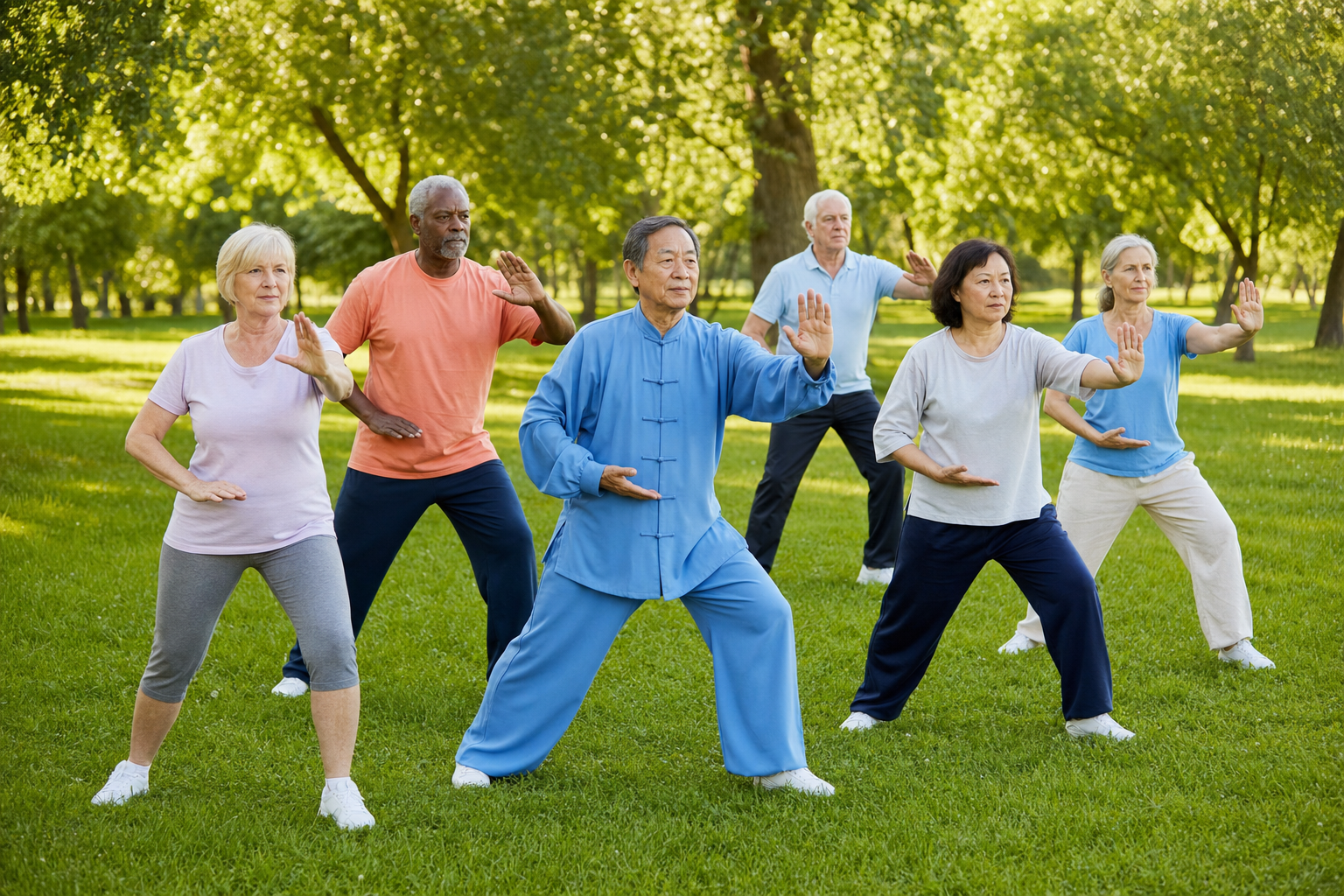
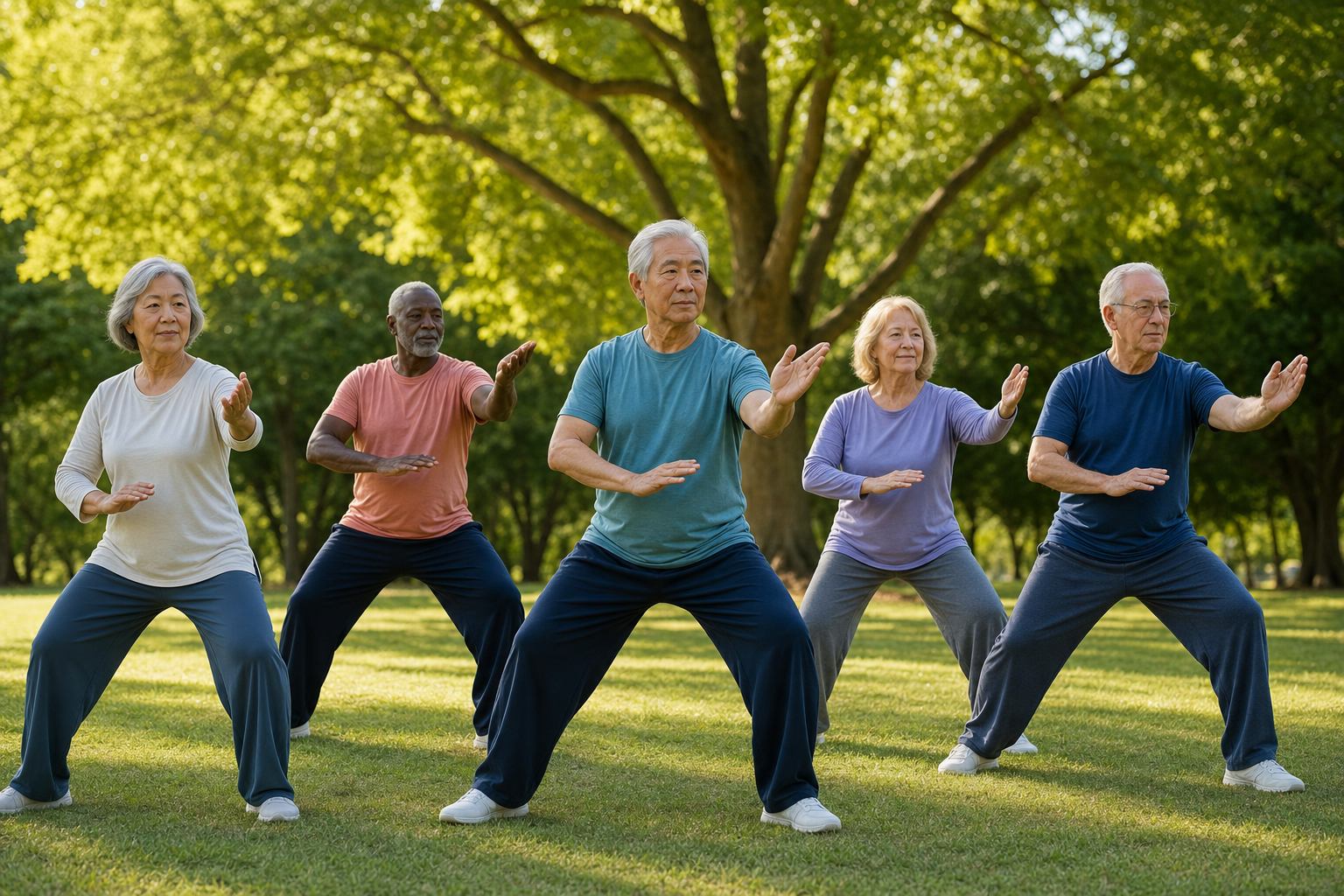
Tai chi (“tie-chee”) is an ancient Chinese martial art, but you won’t see roundhouse kicks or flying elbows. It’s all about slow, deliberate movements, deep breathing, and mindful weight shifts. Picture a dance in super slow motion—one that’s accessible even if your knees creak and your confidence wobbles.
There are dozens of styles (Yang, Sun, Chen, Wu), but most of the arthritis research focuses on Yang or Sun style. You don’t need a silk robe or incense. Just some comfortable clothes—and patience.
The Science: Why Tai Chi Works for Joints and Balance
Here’s where it gets interesting. Tai chi is deceptively gentle, but under the hood, it’s doing a lot for your body and brain. Multiple studies—real, peer-reviewed research, not just YouTube testimonials—support what my patients have experienced. For example:
- The Journal of Rheumatology (2016): Found tai chi can reduce knee pain by up to 36% in people with osteoarthritis after 12 weeks.
- A 2020 meta-analysis in Arthritis & Rheumatology: Confirmed tai chi improves physical function and pain in knee OA compared with no exercise at all. Average participants: mid-60s, so age isn’t a barrier.
- Balance? The BMJ (2015) pooled data from over 1,500 seniors: tai chi reduced falls by 20-30%—sometimes even more for those with balance issues linked to arthritis.
That’s the big picture. But let’s break it down.
How Does Tai Chi Help Arthritis Pain?
I’ll be blunt: tai chi isn’t a magic cure. But for many, it’s a game-changer. Here’s what the studies (and my own clients) have shown:
- Reduced pain and stiffness: Movements lubricate the joint, increase circulation, and gently stretch tight tissues. Patients often report less morning stiffness after just a few weeks.
- Mood boost: Not to get all “mind-body,” but tai chi’s meditative aspect matters. Studies have found lower depression scores among arthritis patients in tai chi groups. Less stress means less pain—there’s a real neurochemical loop here.
- Better function: I’ve watched folks who couldn’t squat to tie their shoes regain that ability using tai chi, especially when paired with other gentle exercises or supportive tools.
Why Tai Chi Helps Balance—And Why That Matters for Arthritis
Here’s the thing: Arthritis doesn’t just hurt. It makes us compensate—limping, shuffling, bracing with furniture. That throws off our “proprioception” (fancy word for body awareness). Tai chi practically trains this skill on purpose:
- Weight shifts: Every tai chi step is a lesson in controlled movement. You practice moving weight from one foot to the other—something you’d have to do to avoid a crack in the sidewalk or recover from a stumble.
- Strengthens what matters: It’s not about muscle bulk. Tai chi recruits stabilizers in the hips, knees, and ankles—those little muscles that keep you upright when things get wobbly.
- Brain-body connection: Tai chi’s slow pace gives your nervous system time to recalibrate. Studies using brain scans (fMRI, for the nerds like me) show improved connectivity after just 8-12 weeks.
And balance isn’t just about falls. It means more confidence walking outside, exploring new places, maybe saying “yes” to travel or grandkids’ birthday parties again.
Comparing Tai Chi to Other Exercises for Arthritis
Most articles gloss over this, but I think you deserve the real lowdown. Is tai chi “better” than walking, yoga, or PT exercises? The truth is: it depends on your goals, comfort, and personality. Here’s what I tell my patients:
- Walking: Great for general health, but lacks joint-specific work or balance training. (Harder on knees if you’re already unstable.)
- Yoga: Excellent for flexibility, but some poses load the joints in ways that bother arthritis. Tai chi, in contrast, has zero floor work.
- Physical therapy: I love a good PT program, but let’s face it, some folks get bored and drop out. Tai chi feels less like “rehab”—that matters for motivation.
The real kicker? Tai chi is one of the rare exercises that ticks ALL three boxes: joint mobility, balance, and stress reduction. Not many can claim that.
Can You Really Start Tai Chi If You're Stiff, Sore, or Out of Shape?
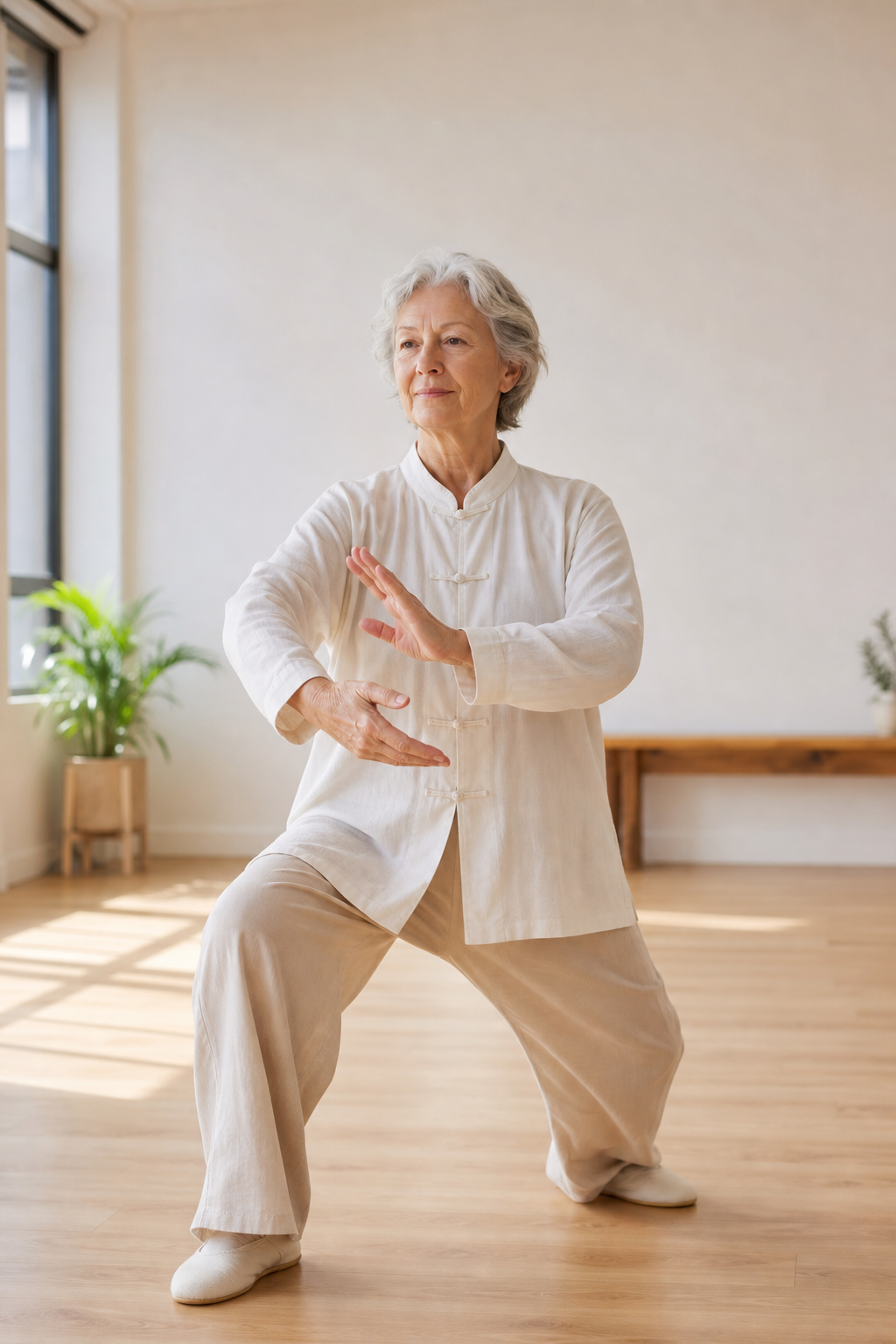
This is the most common concern I hear: “I have two left feet” or “My knees are too far gone.” I get it. But study after study—plus the dozens of patients I’ve guided—suggest you don’t need to be fit, flexible, or young to begin. Most tai chi classes for arthritis (sometimes called Tai Chi for Arthritis or TCA) are specifically adapted for people with pain, limited mobility, or balance trouble.
If standing is too much, many teachers start with seated tai chi. I’ve worked with a woman in her early 80s, post-hip replacement, who went from chair routines to standing forms over six months. Progress is progress.
What Does a Tai Chi Session Actually Look Like?
A typical beginner session is 30-60 minutes. You’ll focus on a warm-up, practice a handful of movements (some have poetic names: “Wave Hands Like Clouds,” “Parting the Wild Horse’s Mane”), and cool down. There’s no music or mirrors—just focus and calm. No competition, no judgment.
And, by the way—good teachers will always remind you: If anything hurts, pause. Talk to your doctor or PT before starting a new regimen, especially if you have severe arthritis, falls history, or other medical issues. Safety first, always.
Finding (or Making) a Tai Chi Routine That Fits You
Here’s my honest advice, from 15+ years working with joint pain:
- Start slow: Even 10-15 minutes, once or twice a week, is worlds better than “I’ll do it...someday.”
- Seek arthritis-friendly classes: Many community centers and YMCAs offer Tai Chi for Arthritis specifically. Ask about instructor certification and class size.
- Video options: There are great beginner videos—some free, some paid. But if you’re unsure about form or have wobbly balance, I recommend at least one in-person class first.
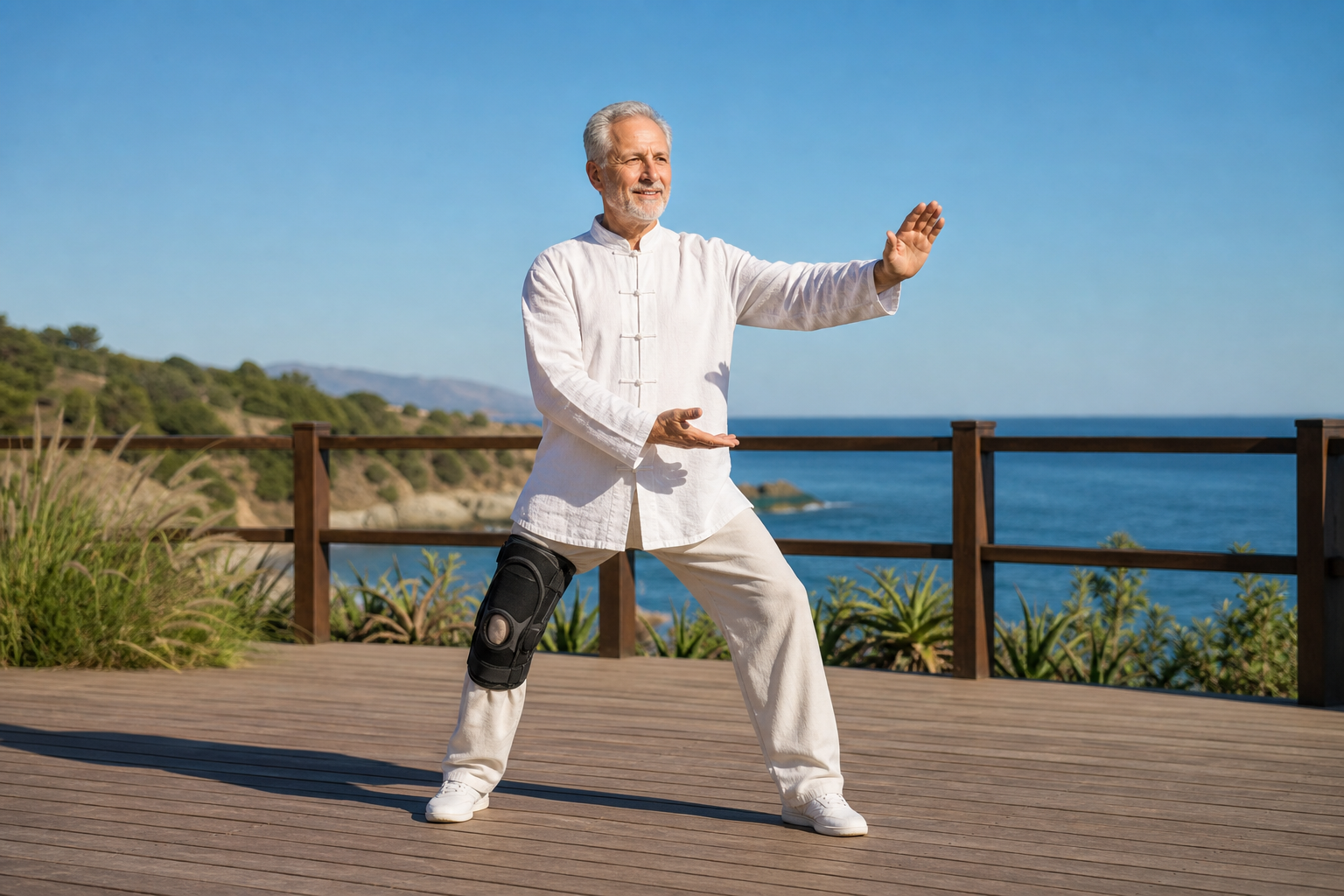
If your joint pain flares up, don’t force it. Sometimes, a supportive brace can help you feel more secure as you practice new movements. (I tell a lot of my knee OA patients to consider the NEENCA Professional Knee Brace. Medical grade, not bulky, and the side stabilizers really do boost confidence—especially in group classes where you might be worried about ‘buckling’.)
How Long Before You See Results?
Most clinical studies use 8-12 weeks as their test window. In my own practice, patients usually report less pain and better steadiness by week 4 or 5, as long as they’re practicing at least twice a week. It’s not an overnight fix, but the gains tend to stick—unlike some “miracle” creams or gadgets.
One reader emailed me about her journey: arthritis in both knees, started tai chi at 67. By month three, she was off her cane indoors. That’s not everyone’s timeline, but it’s a story I hear over and over. Consistency matters more than intensity.
How Tai Chi Fits With Other Arthritis Treatments
I’d never tell a patient to ditch their doctor’s advice. Tai chi works best as part of a full toolkit: meds (if prescribed), PT, a balanced diet, maybe even smart pain-relief products for flare-ups. For example, on days where pain keeps you from moving, it’s fine to use topical relief—I often recommend Voltaren Arthritis Pain Gel (diclofenac sodium, FDA-approved, non-greasy) for those with knee or hand OA who want to get back to gentle movement sooner. But the movement is the long-term play.
Of course, always talk to your healthcare provider before starting any new supplements, medications, or exercise regimens—especially if you have complex medical needs or are on blood thinners.
Honest Limitations: When Tai Chi Isn’t Enough
Let’s be real: Tai chi isn’t a magic bullet. If your arthritis is extremely severe—bone-on-bone knees, active flare with major swelling, or recent joint replacement—you might need more targeted therapy first. And while tai chi improves balance, it cannot fully erase risks from nerve damage or serious vestibular disorders. (More reason to combine it with a full assessment from your PT or doctor.)
And, unpopular opinion: Tai chi isn’t for everyone. Some folks find the slow pace “boring” or the memorization of forms overwhelming. If that’s you, no shame in trying something else—“the best exercise” is the one you’ll actually do.
Support Tools That Pair Well With Tai Chi
As I mentioned earlier, supportive gear isn’t cheating. If you’re anxious about your knees, consider a high-quality brace. NEENCA’s Professional Knee Brace is one of my favorites—not just because it’s medical grade, but because patients consistently say it “disappears” during movement. And when arthritis pain flares (and it will, now and then), having Voltaren on hand means you’re not sidelined as long. No hard sell—just tools in your toolbox.
Fresh Takeaways: What I Tell Every New Tai Chi Student
- Start small, celebrate progress—even if your “balance” means standing unassisted for a few extra seconds.
- Pair tai chi with supportive gear or pain relief as needed, not as a crutch, but as a confidence booster.
- Consider joining a group: the social piece is powerful for motivation and mood.
- Give it at least 8 weeks before you judge the results. Your brain and body need time to re-wire.
- Be open to the unexpected: many people report better sleep and mood, not just less pain or wobble.
If you’re curious and cautious, that’s a good combo. Tai chi doesn’t require athleticism—just a willingness to show up, breathe, and move. Is it perfect? No. But for many, it’s the missing link between “barely coping” and actually living again.
Final Thought
I’ve watched tai chi transform more than a few doubters into believers (my father-in-law included). If you’re on the fence, maybe it’s time to take that slow first step. You might find your balance—on and off the mat—shifts in ways you never expected.
Stay curious, stay moving, and as always—reach out if you have questions or want to share your own experience.
Dr. Michael Torres, DC
Chiropractor & Nutrition Counselor
Contributor, JointReliefReviews.com