Tai Chi Benefits for Arthritis and Balance: The Gentle Practice That Changed How I Move
It’s funny what sticks with you after decades in nursing. I still remember a patient—let’s call her Jean—who shuffled into the orthopedic clinic, wincing with every step. "I just want to walk to my mailbox without feeling like the Tin Man," she told me. I knew exactly what she meant. The stiff, dragging ache of arthritis. The nagging fear you’ll trip over the smallest crack in the sidewalk. If you live with joint pain, every errand feels like an obstacle course.
But here’s the thing: The usual advice—"Stay active! Try walking more!"—can feel impossible when every joint protests. That’s where tai chi comes in. Not as a miracle cure (I’m allergic to that word), but as a gentle, proven way to restore confidence, flexibility, and, yes, balance—without gritting your teeth through pain.
Why Tai Chi? (And Why Most Doctors Secretly Recommend It)
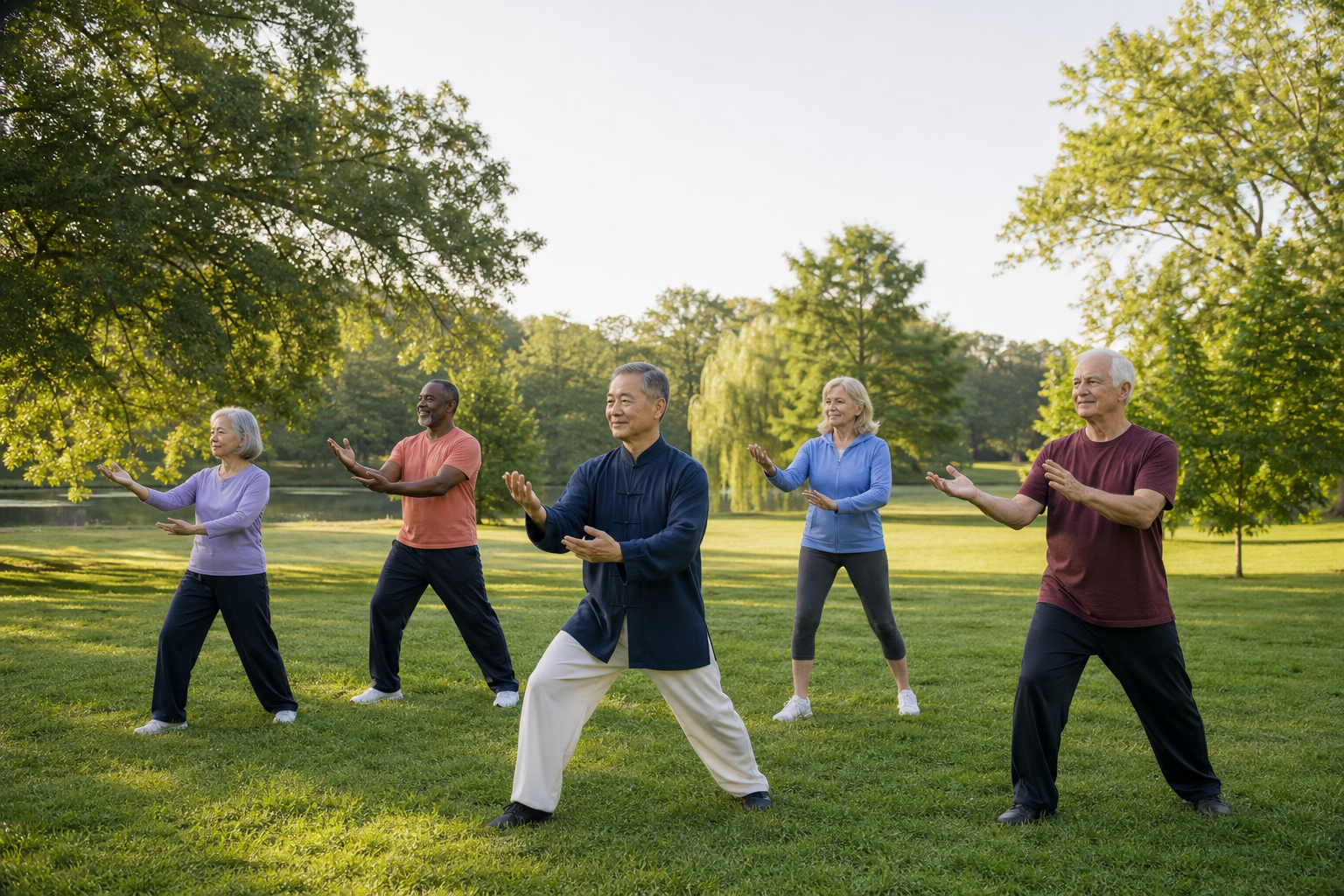
Let me be blunt: Most arthritis advice is either too aggressive ("Just push through!") or too passive ("Rest, rest, rest"). Tai chi lands right in the sweet spot. It looks deceptively simple: slow, flowing movements, sometimes in a group, sometimes alone. But underneath? There’s a mountain of research backing up those graceful gestures.
In 2016, for example, Arthritis & Rheumatology published an eye-opening randomized trial comparing tai chi to physical therapy for knee osteoarthritis. The results? Tai chi performed just as well as formal PT for pain reduction—but plus extra benefits in mood and balance. (The researchers were visibly surprised in their published remarks.)
If you’re nodding along, thinking, "But I’m too stiff, too old, or too uncoordinated," let me stop you. I’ve seen 82-year-olds learn tai chi from scratch after hip replacements. I even taught my skeptical mother-in-law a few moves in her kitchen, and she stopped using her cane as much. Not overnight, but it happened.
How Tai Chi Helps with Arthritis: What the Science Really Shows
Let’s get specific. Studies from the Journal of Rheumatology (2014) and the British Medical Journal (2015) keep circling back to a few key themes:
- Pain relief: Participants with knee and hip osteoarthritis reported a 30-40% drop in pain scores after 8-12 weeks of regular practice. That’s on par with some medications, minus the GI side effects.
- Improved flexibility: Range-of-motion tests (think: bending your knee, reaching for your toes) consistently improved after group tai chi classes, even among folks who "failed" at yoga or stretching.
- Better sleep and mood: This one surprised me—people slept better and reported less anxiety after several weeks. The gentle focus and rhythmic breathing seem to calm the whole nervous system.
Now, I’m not claiming it’s magic. But these are peer-reviewed, well-controlled trials, not just anecdotes. The American College of Rheumatology has gone so far as to recommend tai chi as a first-line therapy for knee OA since 2019. When have you ever seen a slow-motion "exercise" make the official guidelines?
Balance: The Unsung Hero in the Tai Chi Story
Here’s where it gets interesting. Most people try tai chi for pain. But the real kicker, in my experience, is what it does for balance—and fall prevention. That’s not just a bonus. It’s life-changing.
If you’ve ever had a "near miss" in the bathroom or on your front steps, you know the fear. Falls aren’t just a bruise or a scare—they can lead to months in rehab, lost independence, or worse. In 2012, a New England Journal of Medicine study followed nearly 200 adults over age 70. The group practicing tai chi saw their fall rates cut by over 50% compared to a control group. That’s not a typo.
Why? Tai chi’s slow shifting of weight, attention to posture, and gentle strengthening of the legs and core all build the "micro-skills" that keep you upright in real life—stepping out of a bathtub, twisting to reach a cabinet, catching yourself when you sneeze. It’s balance training disguised as graceful movement.
So, What Does Tai Chi Actually Look Like?
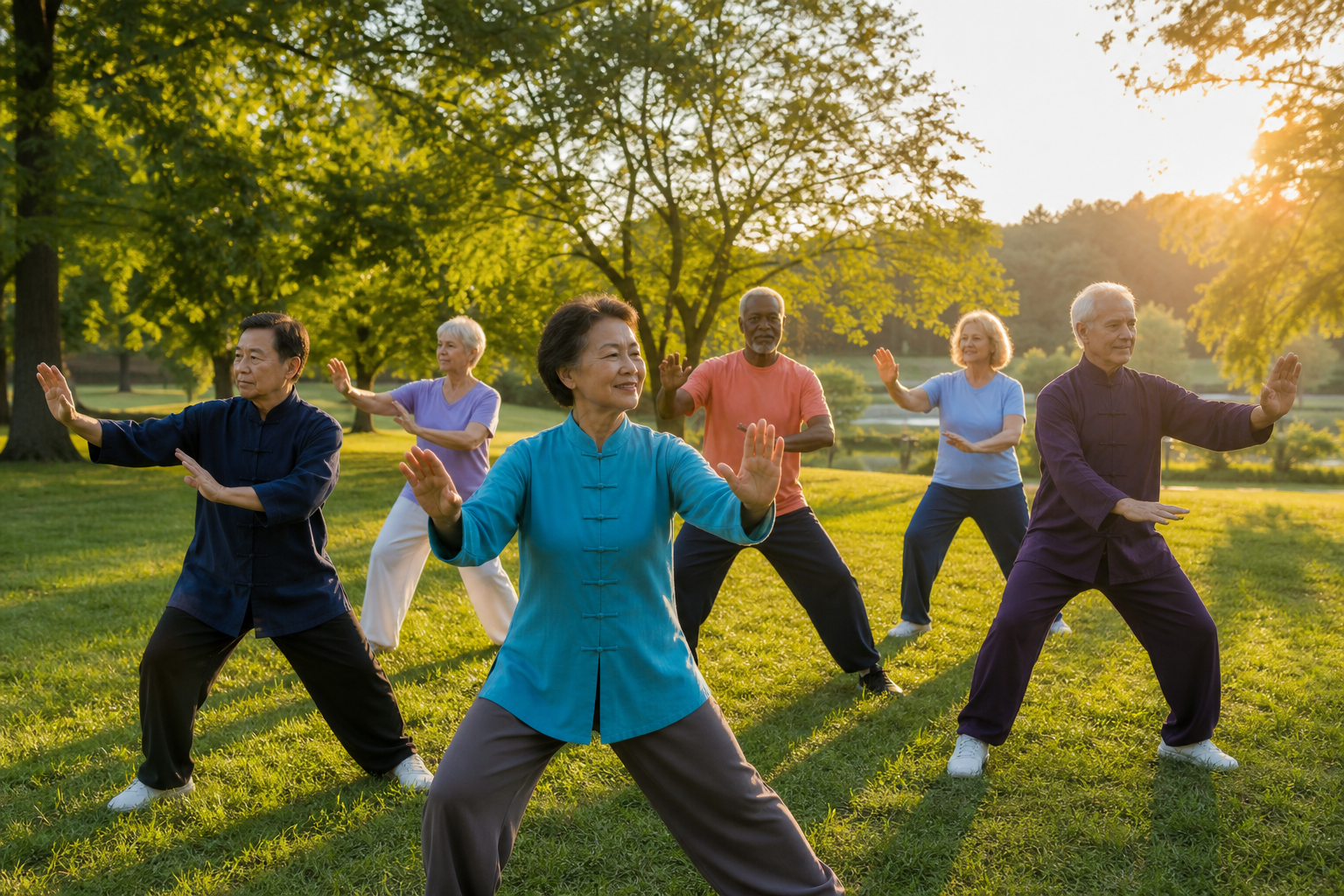
If you’re imagining martial artists in silk pajamas—or the group you saw once at the park—you’re partly right. But modern classes are accessible, welcoming, and focused on health, not choreography or memorizing forms.
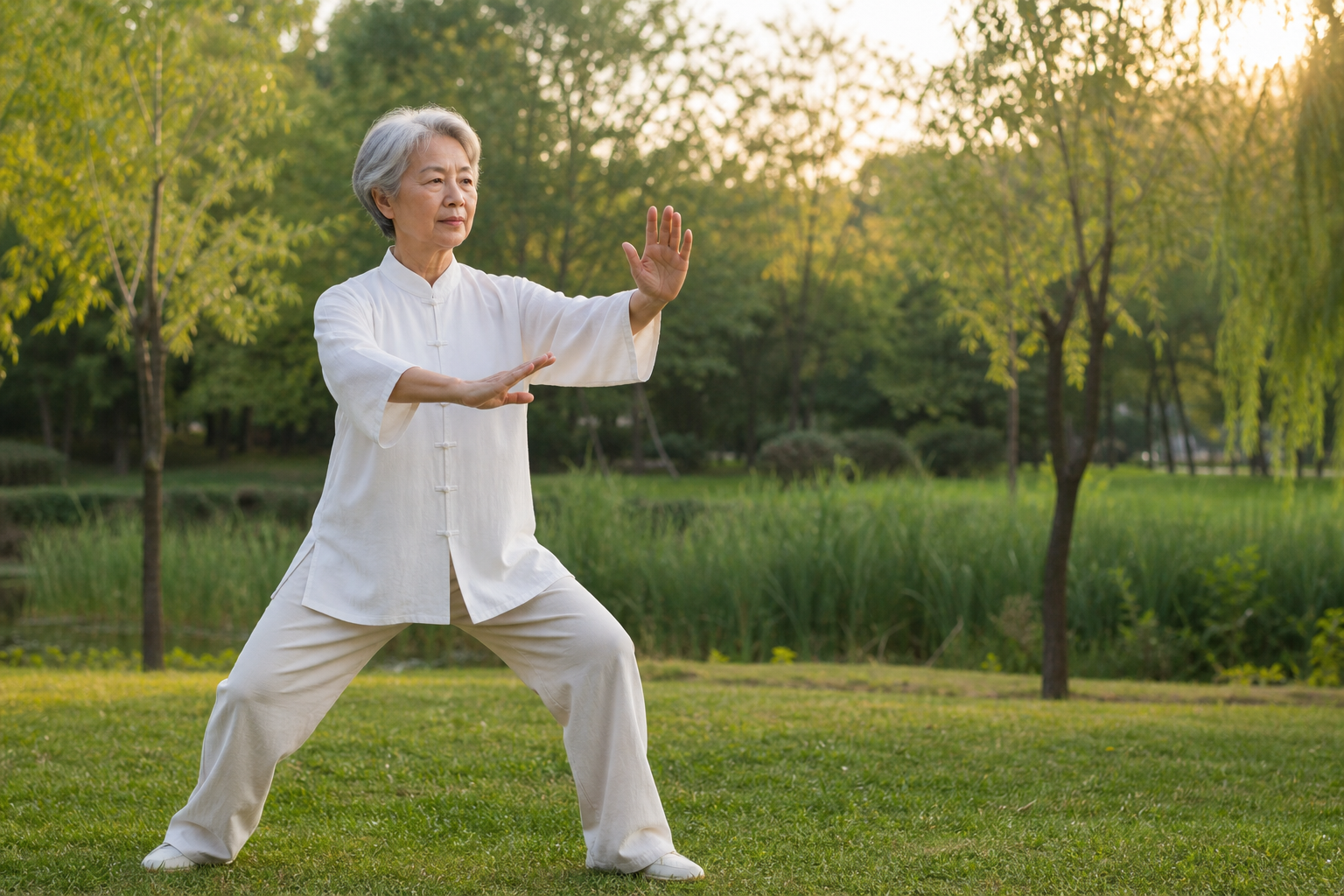
Classes typically last 45-60 minutes, often in community centers, senior centers, or even online. Movements have poetic names like "Parting the Wild Horse’s Mane" or "Wave Hands Like Clouds"—but don’t let that intimidate you. Every move can be adjusted for sitting or standing, and no one cares if you wobble or lose your place. The only rule is: don’t force it.
Look, I’ve watched folks with severe arthritis and even joint replacements manage these moves with a few clever modifications. One of my patients brought her walker to every class and did half the practice seated. She still got the benefits. (Her granddaughter ended up joining, which was pretty adorable.)
Tips to Get Started—And Actually Stick With It
I won’t sugarcoat it: The hardest part is showing up that first time. Here’s what I tell patients and readers who ask for advice:
- Find a beginner-friendly class—look for "Tai Chi for Arthritis" or "Tai Chi for Health" programs. Many are run by instructors trained in safe modifications.
- Stick with it for at least 6-8 weeks. Most of the pain and balance benefits kick in after a month or two—not week one. Keep going, even if you feel a little silly at first.
- Use chairs, walls, or supports. No shame here. Safety comes first. (I once reviewed the NEENCA Professional Knee Brace for a reader who wanted extra stability during new activities. It’s not required, but some folks find it makes those first few sessions less nerve-wracking.)
- Don’t worry about memorizing forms. This isn’t a spelling bee. If you forget a movement, just keep flowing. The process matters more than perfection.
- Tell your instructor about your arthritis or balance fears. A good teacher will offer alternatives and check in often. (If they don’t, find a better class!)
And always, always talk to your doctor before starting any new exercise, especially if you’ve had joint replacements, heart concerns, or dizziness. Most docs are thrilled someone wants to move gently, but it’s worth a quick check-in.
Tai Chi vs. Other Approaches: How Does It Stack Up?
I get this question a lot: Why not just walk more, or swim, or stretch? The answer is: all movement helps, but tai chi offers something special for people with arthritis or those who feel unsteady.
- Walking is great for cardiovascular health but can be jarring on sore knees or hips, especially if you don’t have good shoes or a level surface.
- Yoga helps with flexibility, but many poses require kneeling or weight-bearing on the wrists—ouch, if you have arthritis in those joints.
- Strength training builds muscle but often involves equipment, fast movements, and a learning curve that can be intimidating if you already feel fragile.
Tai chi, on the other hand, is low-impact, joint-friendly, and requires zero equipment. Several studies, including a 2017 Cochrane Review, found that tai chi was just as effective—sometimes more so—than standard exercise programs for reducing arthritis pain and improving balance. The "side effects" are better sleep, less stress, and, dare I say, a bit of fun. (The group camaraderie can be a real mood-lifter.)
What About At-Home Tai Chi? (And Tools That Actually Help)
Maybe you’re not ready for a group class. Maybe you live somewhere remote (my brother’s farm is 40 miles from the nearest rec center—he’s not alone). The good news: At-home tai chi is a thing. There are excellent DVDs, YouTube channels, even live Zoom sessions. No fancy equipment needed—just a sturdy pair of shoes, a bit of open space, and a willingness to try something new.
For those who want to support their joints while practicing—or just want to try a few basic movements without fear of a misstep—I sometimes recommend practical aids. Besides the knee brace I mentioned above, a Voltaren Arthritis Pain Gel can offer targeted relief on those "bad days" when inflammation flares. (One patient kept a tube in her purse, swearing it helped her finish class when her knee barked.) It’s over-the-counter, and the FDA backs its safety for short-term use—but always follow package directions and talk to your doc if you have heart or GI problems.
And if you’re the sort who likes a clear plan, I’ll be honest: the book Treat Your Own Knees by Jim Johnson is a gem. It’s not about tai chi per se, but the gentle exercises mirror tai chi’s approach—slow, intentional movements, building strength and responsiveness, all with clear illustrations. It’s been my go-to recommendation for years, and costs less than a takeout lunch.
What the Experts Say (And Where I Disagree)
I know this is unpopular, but most mainstream articles gloss over one thing: Consistency matters more than technique. I’d rather see a patient practice 10 minutes of imperfect tai chi daily than 60 minutes of "perfect" form once a week. The nervous system responds to repetition and regular movement—the literal opposite of the "all or nothing" mentality.
Dr. Chenchen Wang at Tufts, whose name comes up in nearly every big tai chi study, has said as much: "The real improvement comes with gentle, persistent practice." So, don’t beat yourself up if you miss a step or feel off-balance. Progress is progress.
Is Tai Chi Safe for Everyone?
In over 20 years, I’ve seen very few people who truly couldn’t benefit from gentle tai chi. But there are exceptions. If you have uncontrolled high blood pressure, severe dizziness, or are recovering from a recent surgery, check with your care team first. Some folks with advanced Parkinson’s or severe neuropathy may need more supervision. Listen to your body. If a movement hurts, skip it or ask for an adaptation.
My Favorite Beginner Tai Chi Resources—and Final Thoughts
So—you’re curious. Where should you start? The Arthritis Foundation offers a "Tai Chi for Arthritis" DVD series. Many YMCAs and local senior centers host beginner classes, with scholarships if cost is an issue. YouTube channels like Dr. Paul Lam’s "Tai Chi for Health Institute" have short, free routines tailored for stiff joints and creaky knees. Try a few, see what resonates.
If you want a little more structure or reassurance, the NEENCA Professional Knee Brace is a solid pick for those early days of relearning balance—and I’m picky about braces, after seeing dozens that pinch or sag mid-walk. For sore joints after a session, Voltaren Arthritis Pain Gel is gentle enough for daily use, or reach for Treat Your Own Knees if you’re a book learner.
Will tai chi cure your arthritis? Of course not. But it just might give you the confidence to get off the couch, loosen your hips, and walk to that mailbox without fear. I’ve seen it happen. You might just surprise yourself, too.
If you try tai chi, I’d love to hear your story—successes, frustrations, or just a funny class anecdote. Email me anytime. Until then, keep moving. Your joints will thank you.
Linda Hargrove, RN, is a retired orthopedic nurse and health columnist who helps people find real, research-backed relief for joint pain. She writes at JointReliefReviews.com.