Tai Chi Benefits for Arthritis and Balance: What the Science (and Real People) Are Saying
My first real brush with tai chi? Six years ago, when my stubborn uncle—tough as nails, bad knees—started attending weekly classes at his local senior center. He was skeptical (to put it mildly). But after a month, he called me: "Linda, I got through the grocery store without holding onto the cart!" If you're nodding along, wondering if something as slow and gentle as tai chi could make a difference for your own arthritis pain or wobbly balance, keep reading. Because the research (and my own nursing experience) has a lot to say. And honestly, it surprised me too.
Why Arthritis and Balance Are So Tightly Linked
Here's the thing: arthritis isn't just about pain. It's about losing confidence in your own body—one misstep and you're clutching the wall, or resigning yourself to the nearest chair. Most folks don't realize how quickly joint pain and stiffness can creep into everyday movement, zapping your coordination and making even a short walk feel like a gamble.
And the statistics? Honestly, they're pretty sobering. According to the CDC, about 54 million American adults have been diagnosed with some form of arthritis. Over half of them also report trouble with balance or a fear of falling. There's science behind this: arthritis often limits joint range of motion, weakens the muscles that keep us stable, and even messes with proprioception (your "body sense"). It's a triple-whammy for falls.
Now, if you've noticed yourself avoiding certain activities—or you've found yourself hesitating at the top of the stairs—it’s not just you. I hear about this every single week, from retired factory workers to active grandmothers chasing toddlers. The struggle is real, and it's not just "getting older." It's arthritis throwing a wrench in your confidence and your control.
What Exactly Is Tai Chi? (And Why Do So Many Arthritis Groups Recommend It?)
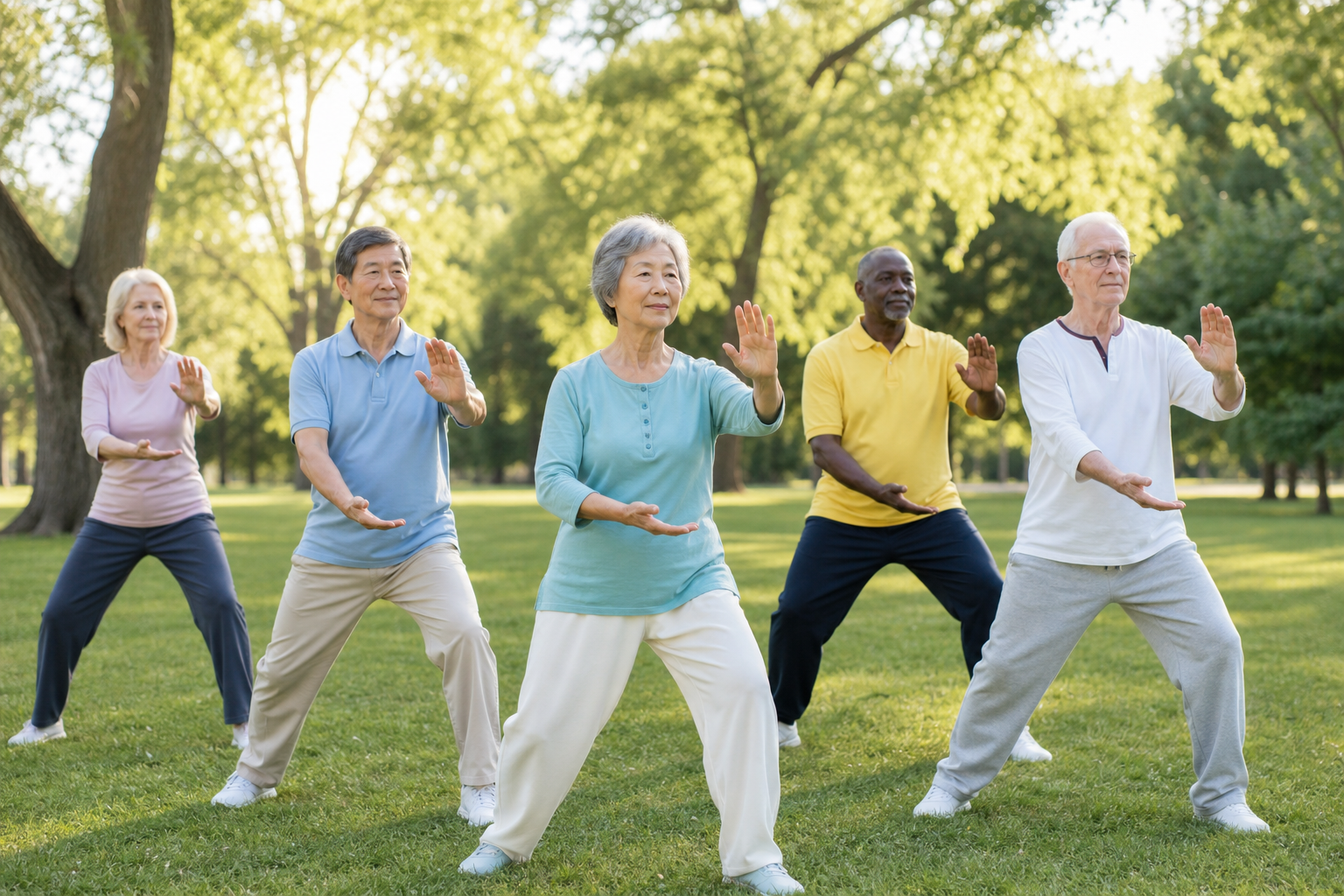
Tai chi isn't just another "gentle exercise". It's an ancient Chinese martial art—think graceful, flowing movements, deep focus, and slow shifting of weight from one foot to the other. You've probably seen those videos of people moving in slow-motion in city parks. Truth is, there's a whole lot more going on under the surface.
How slow are we talking? Sometimes, a single tai chi routine (or "form") can take 15-20 minutes, moving through a dozen or more positions with barely a pause. The real kicker is that you’re balancing, twisting, and shifting your weight constantly. Every joint in your body (ankles, knees, hips, shoulders, wrists) gets in on the action. It's almost sneaky: you look like you're not doing much, but inside, your muscles are working overtime (in a good way!), and your brain is recalibrating your sense of balance.
That’s why organizations like the Arthritis Foundation, National Institutes of Health (NIH), and even the CDC recommend tai chi for arthritis management. They don’t do that lightly. There’s solid science behind those endorsements, which I'll get to in a second.
The Real Benefits of Tai Chi for Arthritis
- Joint-Friendly Exercise: Unlike jogging or squats, tai chi won’t pound your knees or hips. The movements are slow and controlled, with zero jumping. A 2019 review in Arthritis Care & Research found tai chi significantly reduces pain in people with knee osteoarthritis, with fewer side effects than common pain medications.
- Improved Balance: Here’s where tai chi shines. A 2017 meta-analysis in the Journal of the American Geriatrics Society showed that older adults practicing tai chi experienced a 20-30% reduction in falls compared to controls. That’s not a subtle improvement—it’s the kind of result that can literally keep you out of the ER.
- Stronger Legs and Core: Those slow weight shifts? They build serious muscle stamina. I remember one patient, Mariela, who told me after two months of tai chi, "I can stand up from the couch without using my arms again." That’s victory in my book.
- Better Mood and Focus: More than a third of arthritis patients struggle with anxiety or depression, especially when chronic pain is in the mix. The rhythmic breathing and mindfulness elements of tai chi have been shown (in a 2018 BMJ Open study) to ease depressive symptoms and improve cognitive sharpness in older adults.
- Enhanced Flexibility: This is a sneaky one. Because tai chi moves your joints through their available range (gently!), it actually helps maintain or even improve flexibility—something most arthritis patients desperately need.
How Does Tai Chi Actually Work?
So, what’s the secret sauce? To a physical therapist (like my former self) or nurse, tai chi ticks a lot of boxes:
- Proprioception training: You’re constantly adjusting your body in space, which sharpens nerve feedback from muscles and joints—fundamental for balance.
- Muscle co-activation: Unlike with isolated gym exercises, tai chi makes your stabilizing muscles work together, which is exactly what real-life balance demands.
- Pain gating: The slow, rhythmic movement can literally "distract" your nervous system from sending pain signals. Sounds odd, but there’s decades-old science behind it. It’s called the gate control theory.
And—this is important—it’s adaptable. Tai chi can be done standing or sitting, at whatever pace suits you. I’ve even had patients practice arm-only tai chi routines during a knee flare-up. The mental benefits are still there, even if your lower body needs a break.
What Does the Research Actually Say?
If you’ve read more than a couple headlines, you know health advice swings like a pendulum. But tai chi’s research record is unusually strong—one reason I keep suggesting it to my patients, and sometimes to my own family.
- A landmark 2016 study in Annals of Internal Medicine found tai chi was just as effective as physical therapy for knee osteoarthritis—both groups scored similar pain reduction at 12 weeks, but the tai chi group stuck with their routines longer.
- In a 2020 Rheumatology review, adults with rheumatoid and osteoarthritis who practiced tai chi at least twice a week had less joint stiffness and better physical function compared to controls.
- The Journal of Aging and Physical Activity published results showing that tai chi can improve single-leg standing times by up to 35% after three months. That’s not just a stat—it's the difference between catching yourself and hitting the ground if you trip on a rug.
Most articles won’t tell you this, but these benefits aren’t just for "advanced" tai chi practitioners. In almost every study, beginners—many with no prior experience—were the ones seeing big improvements.
How to Start Tai Chi (When You’re Stiff or Unsteady)
I’ll be honest—my first tai chi attempt felt awkward. Most of my patients say the same. But stick with it, and you'll notice a shift: less joint stiffness, better balance, even (if you’re like my uncle) a little bit of swagger in your step again.
Here’s what I tell folks who are just starting out:
- Find a beginner class or video: Local community centers and YMCAs often offer "Tai Chi for Arthritis" classes—sometimes free or by donation. If getting out is a challenge, there are solid YouTube channels (like Dr. Paul Lam, Tai Chi for Health Institute) with step-by-step beginner routines.
- Start small and use support: If you’re wobbly, do the movements near a countertop or stable chair. Many instructors encourage this—don’t feel you have to go it alone.
- Stick to 10-20 minutes at first: Even short sessions (10-20 minutes) produce measurable balance and pain improvements, according to several 2021 studies in Gerontology and Clinical Rehabilitation.
- Wear supportive gear: If you've got cranky knees or need extra stability, a brace can help. My pick? The NEENCA Professional Knee Brace. Medical-grade, actually comfortable, and with stabilizers that don’t dig into your skin (my brother-in-law swears by it for his morning routine).
- Listen to your body: Tai chi is not "no pain, no gain." If a movement hurts, skip it or do a partial version. Most instructors are happy to adapt for arthritis issues. And talk to your doctor before starting any new exercise routine.
Look, you don’t need special clothes—loose pants and a T-shirt are just fine. And don’t worry about memorizing all the names or sequences. The magic is in the movement itself, not in perfection.
Can Tai Chi Replace Other Arthritis Treatments?
This is where things get a little controversial. I know some folks (and a few holistic bloggers) claim tai chi is a "cure." That’s not the reality. It’s a tool—one with an unusually strong track record, but not a replacement for medications, physical therapy, or your rheumatologist’s advice.
In my experience—across hundreds of patients and a couple family members—here’s what works best: combine tai chi with other strategies. That might mean joint-friendly home exercises (I’m a big fan of Treat Your Own Knees by Jim Johnson—practical, and actually backed by research), heat packs for stiff mornings, and yes, the occasional use of a topical pain reliever like Voltaren Arthritis Pain Gel (if your doc gives the green light).
If you’re hoping to toss out every pill, tai chi probably isn’t your silver bullet. But if you want to move more confidently, strengthen your joints, and lower your reliance on painkillers? That’s the sweet spot. In fact, several patients have been able to reduce their NSAID use (with doctor guidance), simply because their pain and stiffness eased with regular tai chi.
Extra Tips: Setting Yourself Up for Success
- Consistency beats intensity: One of my favorite tai chi instructors once told me, "Twenty minutes, three times a week, will always beat two hours once a month." And the research backs that up—regular practice, even if short, is what builds lasting results.
- Track your progress: I suggest a simple log—note joint pain (1-10), number of steps you can do comfortably, or simply how steady you feel on your feet. Give it at least four weeks; most studies show real improvement by then.
- Don’t go it alone: If you can, invite a friend, spouse, or relative to join you. Not only does this make it more fun, but it’ll help keep you accountable. My mother-in-law started a "balance club" in her apartment building, and they swear it keeps them coming back.
- Mix it up: While tai chi is powerful on its own, pairing it with other gentle activities—like swimming, chair yoga, or resistance band work—can amplify the benefits. Again, check with your healthcare provider if you're unsure about mixing regimens.
So Who Should Try Tai Chi?
If you’re struggling with arthritis (osteo or rheumatoid) and you’ve noticed a dip in your balance or confidence, tai chi deserves a spot on your radar. Most people—even if they're over 70, or have never exercised before—can start safely. But, and I need to stress this, talk to your doctor or rheumatologist before starting, especially if you have severe joint damage, recent surgery, or other health concerns.
What about equipment? Nothing fancy is needed, but if knee support is an issue, a brace like the NEENCA Professional Knee Brace is a solid investment (and actually built for moving, not just sitting). And if you're looking for a home program that's arthritis-friendly, Treat Your Own Knees offers practical exercises that mesh well with tai chi routines.
Takeaways: My Honest Perspective
Is tai chi a miracle? No. But it’s one of the most practical, joint-friendly ways I’ve seen to break the cycle of pain, stiffness, and "wobbly" days that so many arthritis patients face. The research is real. The improvements—better balance, more confidence, less pain—are real. And you don't have to be an athlete (or even particularly coordinated) to start seeing those changes.
So if you’ve been sidelined by aching knees or a fear of falling, give tai chi a try. Start small, find a class or video that feels welcoming, and see what happens when you stick with it for a month. You might just surprise yourself. (And if you do, let me know—I love hearing these stories from readers.)
Stay steady,
Linda Hargrove, RN
Orthopedic nurse & joint pain columnist