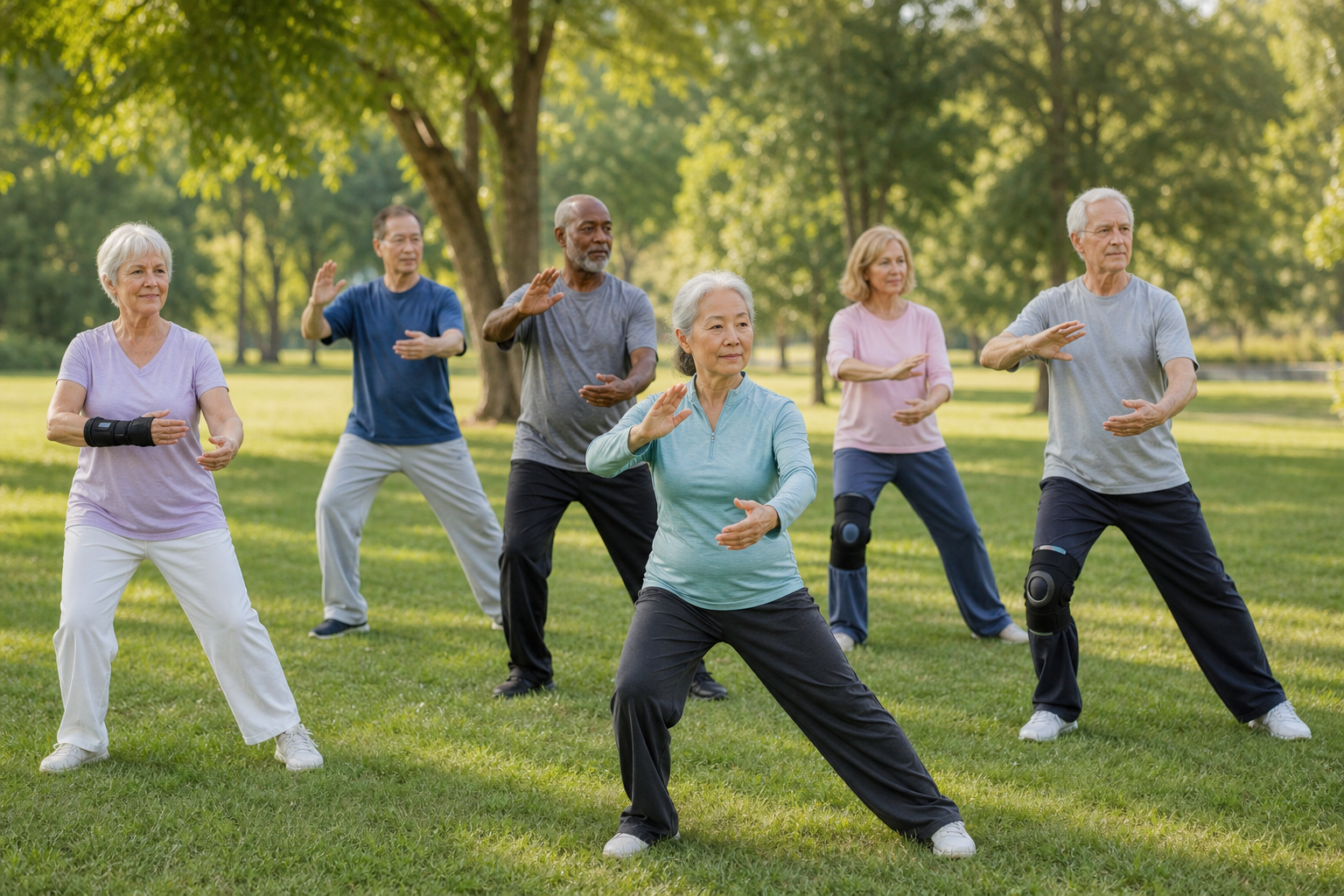
Tai Chi Benefits for Arthritis and Balance: What Surprised Me
I’ll never forget my first tai chi class. My knees ached just watching the slow, controlled movements — but by the end, I could actually feel my quads firing. Not in a painful way, but in that “my body is learning something new” way. One of my patients, a retired high school principal with gnarly osteoarthritis, called it “gentle but sneakily powerful.” She was right.
Why Do So Many People With Arthritis Give Up on Exercise?
If you’re reading this, odds are you’ve been told to “just keep moving” — easier said than done when every step stings or you’re worried about taking a spill in front of your grandkids. The fear is real. And the stats back it up: Arthritis is the #1 cause of disability in adults over 55 in the U.S., according to the CDC. Nearly half of adults with knee arthritis report some degree of balance problem. I hear stories every week about folks giving up walks, tennis, or even gardening because the pain (or fear of falling) wins out.
But here’s the thing: Inactivity can be a fast track to more stiffness, less strength, and, ironically, even more pain. So the question becomes: What kind of movement actually helps, not hurts?
Tai Chi: Not Just Slow Dancing for Seniors
I’ll be honest — I used to think tai chi was just “gentle stretching”. That was before I dug into the research. Turns out, it’s a full-body, weight-shifting practice that trains your lower body muscles, your core, and, most importantly for folks with arthritis, your balance reflexes. The slow transitions are not just for show — they force you to control your center of gravity and anticipate the next step.
Here’s where it gets interesting. In a 2016 Annals of Internal Medicine study, an hour of tai chi twice a week was as effective as standard physical therapy for knee osteoarthritis. And for older adults who stuck with it for at least 12 weeks? Marked improvements in pain and function — even six months later. That’s not something you see with every intervention, believe me.
How Does Tai Chi Improve Arthritis Symptoms?
If you’re nodding along, you’re not alone. I get a lot of emails asking whether tai chi actually “works” for joints. Here’s the science, broken down:
- Reduces Pain: Several randomized controlled trials (RCTs), including a 2019 meta-analysis in Arthritis Care & Research, found tai chi can reduce arthritis pain by up to 30-35%. That’s similar to what we see with NSAIDs, minus the gut side effects.
- Eases Stiffness: Consistently practicing tai chi (2-3x weekly, 30-60 min/session) led to statistically significant improvements in joint stiffness in both knee and hip OA patients.
- Boosts Strength (Without Squats): It’s not just movement — it’s resistance. Those slow, mindful transitions work your quads, calves, and even your hips more than you’d expect. One 2021 study in the Journal of Geriatric Physical Therapy showed significant increases in lower body strength after 12 weeks.
- Improves Range of Motion: Gentle, repeated movement through end range helps “oil the hinge,” so to speak. Patients often report easier stair climbing or less struggle getting out of chairs.
But Balance: Here’s the Real Kicker
Most articles gloss over this, but the real game-changer for my older clients isn’t just the pain relief. It’s the confidence to move without feeling wobbly. Tai chi has a unique way of training your brain’s proprioceptive system — your internal GPS for where your body is in space. That means less shuffling, steadier turns, smoother transitions from sit to stand.
One 2012 BMJ trial found that regular tai chi reduced fall risk by nearly 43% in adults over 70. And a 2020 Arthritis & Rheumatology study reported better scores on the Berg Balance Scale after just 8 weeks of tai chi practice. My own mother-in-law started walking to the mailbox again after a month of YouTube classes (and yes, she still grumbles about the “funny hand movements”).
What Makes Tai Chi So Safe for Arthritis?
Look, not every exercise is created equal — especially if your cartilage is thinning or you’ve had a knee replacement. But tai chi checks several boxes:
- No jumping or jarring force on the joints (unlike jogging or HIIT)
- Customizable pacing — you can pause, adjust, or shorten moves as needed
- Non-competitive and social (if done in a group), which helps with motivation
- Encourages mindful awareness, which may help you catch yourself before a misstep or fall
And, crucially, you don’t need any fancy equipment — just comfortable clothes and a bit of floor space. But if your knees feel unstable or you’re nervous about standing practice, start with a chair version or add a supportive brace. (The NEENCA Professional Knee Brace has helped several of my more cautious patients build confidence with new movement.)
What Actually Happens During a Tai Chi Class?
Here’s what to expect, whether you’re joining an in-person group or following a YouTube series:
- Warmup: Gentle neck, shoulder, and hip circles — nothing high-impact.
- Basic forms: Slowly shifting weight from one leg to the other, with arms floating in patterns you can modify.
- Focus on breathing: Inhaling with movement, exhaling with transitions.
- Cool-down: Often includes soft stretching and a final “centering” stance.
I always advise new students: Don’t worry about memorizing the names or getting every step “right.” The benefits come from showing up and moving (imperfectly) more than from textbook form. Safety tip — make sure your floor is clear of tripping hazards, and consider a sturdy chair nearby if you want extra support the first few sessions.
But Is It Really Better Than Other Exercises for Arthritis?
Honest answer? It depends on your goals. For muscle building, you won’t grow Schwarzenegger-sized quads from tai chi. But for functional mobility, joint comfort, and balance — especially if you dislike gyms or can’t do traditional strength training — the research is hard to ignore.
Direct comparison trials (like the 2018 Journal of Rheumatology study) found tai chi was just as effective, if not better, than aquatic exercise or low-impact aerobics for improving pain and physical function in knee OA. And since tai chi also targets the mind (reducing anxiety and stress), it’s a win-win for the body-and-brain crowd.
Potential Limitations and Who Should Be Careful
Here’s where my clinical hat comes on: Tai chi isn’t a magic bullet. It won’t reverse severe joint degeneration or eliminate pain for everyone. People with severe balance impairment, uncontrolled vertigo, or recent major joint surgery should get their doctor’s okay before starting, and ideally work with an instructor familiar with senior modifications. If you have advanced osteoporosis or neuropathy, ask about chair-assisted forms first. (A reader emailed me last week about falling during a twist — don’t be that person!)
Getting Started: Practical Tips (and a Few Tools That Help)
Ready to test-drive tai chi? Here’s what works best for my clients:
- Start small: Even 10-15 minutes, 2-3x per week, can make a difference. Consistency beats intensity.
- Use instructional videos specifically for arthritis or joint issues. The Arthritis Foundation has several, as does YouTube (search “tai chi for arthritis”).
- Support your joints: Don’t be shy about using a well-fitted brace until your strength and balance improve. The NEENCA Professional Knee Brace has side stabilizers and a squishy patella pad that several of my students swear by, especially for longer sessions or trickier moves.
- Build a flexible routine: Mix standing forms with seated or chair-assisted movements. The point is to keep moving safely, not to “advance” at all costs.
- Track your progress: Noticing a bit less morning stiffness or feeling steadier on stairs? That’s progress — celebrate it.
If you’re a reader who likes step-by-step plans (or clear drawings), I’m a fan of Treat Your Own Knees by Jim Johnson. It isn’t tai chi, but it’s loaded with simple, research-backed exercises for knee pain that pair beautifully with a gentle movement practice.
What If Kneeling or Deep Bending Still Hurts?
Most tai chi forms avoid deep squats, but if certain transitions bug your joints, modify — or skip them. It’s okay. There are more than 100 recognized forms, and most classes for older adults emphasize higher stances. If pain is persistent even with modifications, you may need to address underlying joint inflammation (sometimes a topical like Voltaren helps, but talk to your doctor or pharmacist before adding any new medication to your routine).
The Social Side: Why Group Practice Can Be a Game-Changer
I know, not everyone loves group classes (especially post-pandemic). But data from a 2022 Journal of Aging & Physical Activity study found that seniors who practiced tai chi in small groups stuck with it longer and reported greater improvements in mood and motivation. If solo practice feels isolating, see if your local senior center or community college offers a beginner class — or invite a neighbor to try a YouTube video together.
Takeaways: What I Tell My Own Family
Here’s what I tell my patients and (occasionally skeptical) relatives: Tai chi isn’t a cure — but it’s one of the few movement practices with proven benefits for both arthritis pain relief and balance. It’s adaptable, low-risk, and doesn’t require expensive equipment. Whether you’re looking to “oil the hinges,” feel steadier on your feet, or just move with less fear, it’s absolutely worth a try. And if you need a bit more support in those early weeks, don’t be afraid to use a good brace or supplement tai chi with targeted home exercises (Jim Johnson’s book is a low-cost starting point).
I love hearing from readers about their progress, setbacks, or what surprised them about tai chi. If you’ve tried it (or you’re thinking of starting), shoot me a message. You wouldn’t believe how often “just showing up” is the biggest victory.
See you out there — slow steps and all.
James Chen, MS, CSCS
Exercise Science, Certified Strength & Conditioning Specialist
Columnist — JointReliefReviews.com