Tai Chi Benefits for Arthritis and Balance: What the Research (and Real People) Reveal
I’ll never forget a patient I had several years ago—let’s call her Janet. She was 68, stubborn in the best way, and frustrated beyond words by her knee osteoarthritis. Medications made her sleepy. Braces felt clunky. She dreaded the idea of regular exercise. But one day, Janet surprised me. She joined a local tai chi class. Three months later, not only was her limp barely noticeable, but she actually looked forward to her sessions. "Dr. Sarah," she said, "I don’t even worry about falling anymore." I’ve heard stories like Janet’s more times than I can count.
Why Arthritis and Balance Go Hand in Hand (and What Makes It So Frustrating)
If you’ve ever shuffled out of bed in the morning, wincing at the ache in your knees or hips, you’re not alone. Arthritis is sneaky. It chips away at your mobility, then quietly erodes your confidence in your own balance. And here’s the kicker: research from the Journal of Rheumatology (2020) shows that people with osteoarthritis are nearly twice as likely to fall as those without it. The pain makes you cautious—sometimes too cautious. You start skipping that walk around the block or leave the grandkids to their own games. That loss isn’t just physical—it gets right at your independence.
But—and this is a big but—the same studies reveal something hopeful: movement done the right way can help. Not just any exercise, either. We’re talking about something gentle, rhythmic, almost meditative. Enter tai chi.
What Exactly Is Tai Chi?
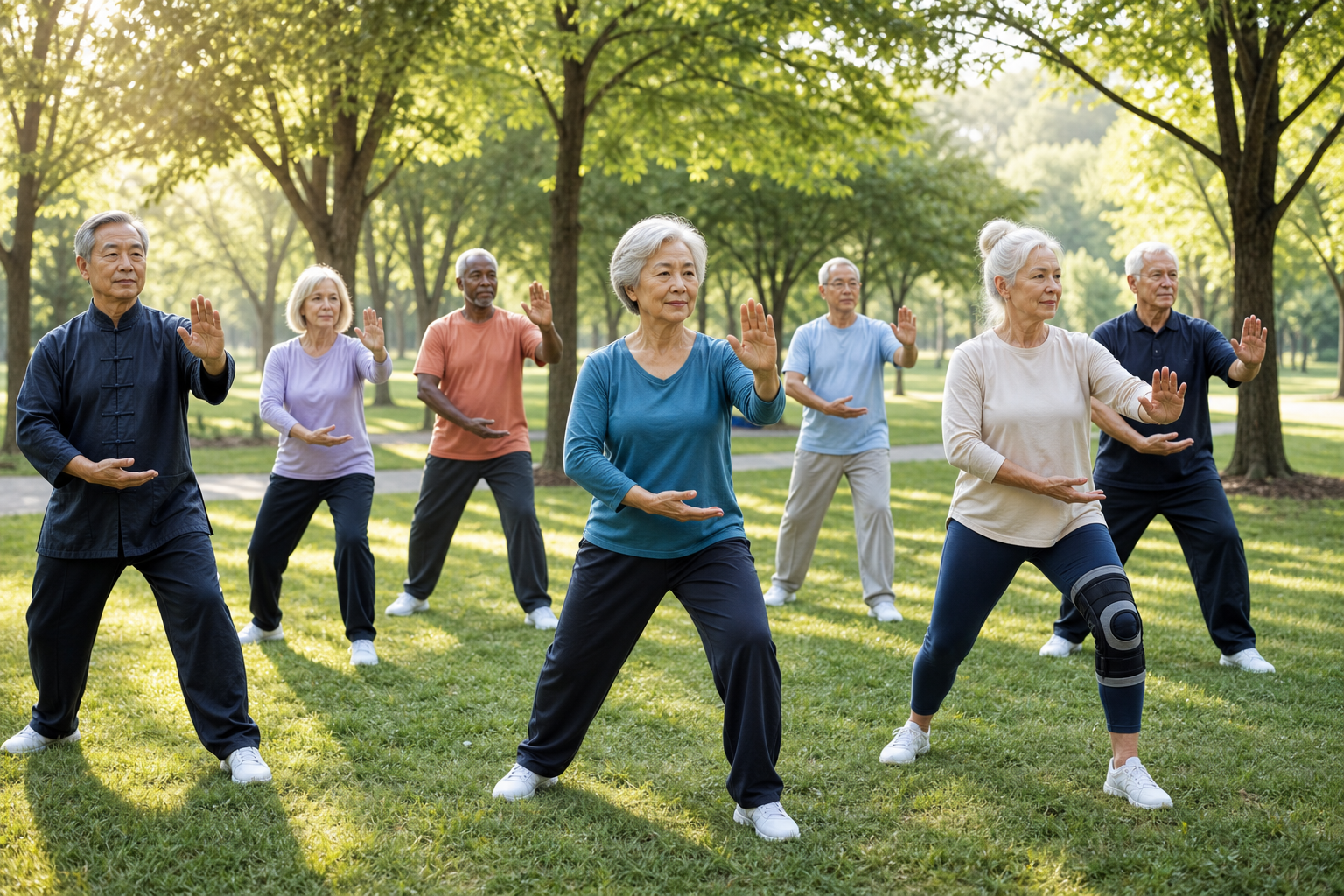
If you picture tai chi as a group of folks waving their arms in slow motion in a park, you wouldn’t be wrong. But there’s more to it. Tai chi originated in China as a martial art, but over the years it’s evolved into a low-impact exercise focused on slow, controlled movements, deep breathing, and—here’s the important part—mind-body awareness. Every step, shift, and pause is purposeful. For someone with aching joints or nerves about falling, that kind of attention to bodily movement is game-changing.
And the best part? You don’t need fancy gear or a gym membership. I’ve taught simple tai chi warmups in cramped living rooms and noisy clinics. You can adapt the movements to your own comfort level—seated if needed. I’ll be honest: even I was skeptical about tai chi at first. But the clinical evidence is hard to ignore.
The Science Behind Tai Chi for Arthritis
Here’s where things get interesting. There’s a mountain of growing research behind tai chi’s benefits for people with arthritis—especially osteoarthritis and rheumatoid arthritis. One 2016 review in Arthritis & Rheumatology pooled data from 15 different trials and found that tai chi participants reported significant improvements in pain, physical function, and even mood compared to control groups. We’re not talking about small gains, either. The average pain reduction hovered around 20%—on par with what you see in some medication studies, with far fewer side effects.
And it’s not just about less pain. The movement patterns in tai chi focus on weight shifting, knee flexion, and gentle hip rotation—all movements that, over time, build strength and flexibility in precisely the areas arthritis strikes hardest.
Why Balance Improves (and Why That’s Such a Big Deal)
Falls are one of the most frightening complications of arthritis. They’re also among the most preventable. Multiple studies (including a fantastic 2017 meta-analysis in BMJ) show that tai chi participants reduce their fall risk by up to 43%. That’s nearly cutting your odds in half.
But why is that? Two reasons:
- Proprioception: Tai chi sharpens your body’s sense of position and movement. You become more aware of how you’re shifting weight or catching yourself off-balance.
- Lower body strength: Those slow, controlled steps strengthen muscles around your knees, ankles, and hips—your built-in stabilizers for every step.
I’ve seen people who could barely stand on one leg at first manage a full 30-second one-legged stance (eyes closed!) after a couple months of regular tai chi. That’s more than a party trick—it’s life-changing for arthritis patients.
How Does Tai Chi Stack Up to Other Exercises?
Here’s something most fitness articles won’t tell you: not all exercise is created equal for people with arthritis. Jogging, for instance, can be tough on sore joints. Weightlifting is fantastic but comes with an intimidation factor. Yoga helps flexibility but sometimes demands more joint range than my clients comfortably have.
Tai chi, though, hits a sweet spot. It’s low-impact. No jarring or sudden twists. You can start standing or seated. And unlike passive treatments (like heating pads or topical gels—which definitely have a place, don’t get me wrong!), tai chi actually trains your body to move better.
That said, I’m a big believer in the "toolbox approach." Use what works, and mix and match as needed. For instance, if your arthritis flares up, I often recommend a quality topical like Voltaren Arthritis Pain Gel before your tai chi session. It has over 37,000 reviews and contains FDA-approved diclofenac—clinically proven to tamp down inflammation right at the source. A handful of my patients say it’s the only gel that lets them get through class comfortably.
What If I’m Not Flexible? Or I Have a Lot of Pain?
Great question—and probably the most common one I get. You don’t need to be flexible to do tai chi. The movements can be reduced to smaller ranges, even performed from a sturdy chair. In fact, there are specific "tai chi for arthritis" programs designed by experts like Dr. Paul Lam that focus on safety and accessibility.
If you’re having a tough pain day, don’t force it. Try alternating tai chi with gentle heat. I recommend the Pure Enrichment PureRelief XL Heating Pad—extra-large, with a moist heat option that penetrates deeply. I’ve used it myself on stubborn muscle spasms, and it’s become a staple in my clinic’s "recovery corner." Just don’t fall asleep on it (the auto-shutoff helps, but still—safety first!).
And always, always check with your doctor or physical therapist before beginning a new exercise program. Certain medical conditions (like severe heart disease or uncontrolled high blood pressure) may need tailored advice.
How to Start Tai Chi for Arthritis and Balance at Home
So, how does a total beginner get started? Here’s how I often outline it for my own patients (and yes, I’ve done plenty of living room "classes" over Zoom):
- Find a reputable video or instructor. The Arthritis Foundation has a list of certified teachers, but you’ll also find solid options on YouTube. Look for programs specifically labeled "tai chi for arthritis" or "tai chi for balance."
- Start small. Even 10-15 minutes a day makes a difference. Consistency is more important than duration at first.
- Wear comfortable shoes and choose a clutter-free space. Don’t trip over the dog!
- Use support if needed. There’s no shame in keeping a chair nearby for balance, especially in the early weeks.
- Track your progress. I love simple measures: time yourself standing on one leg, rate your pain on a 1-to-10 scale, or jot down how steady you feel after each session.
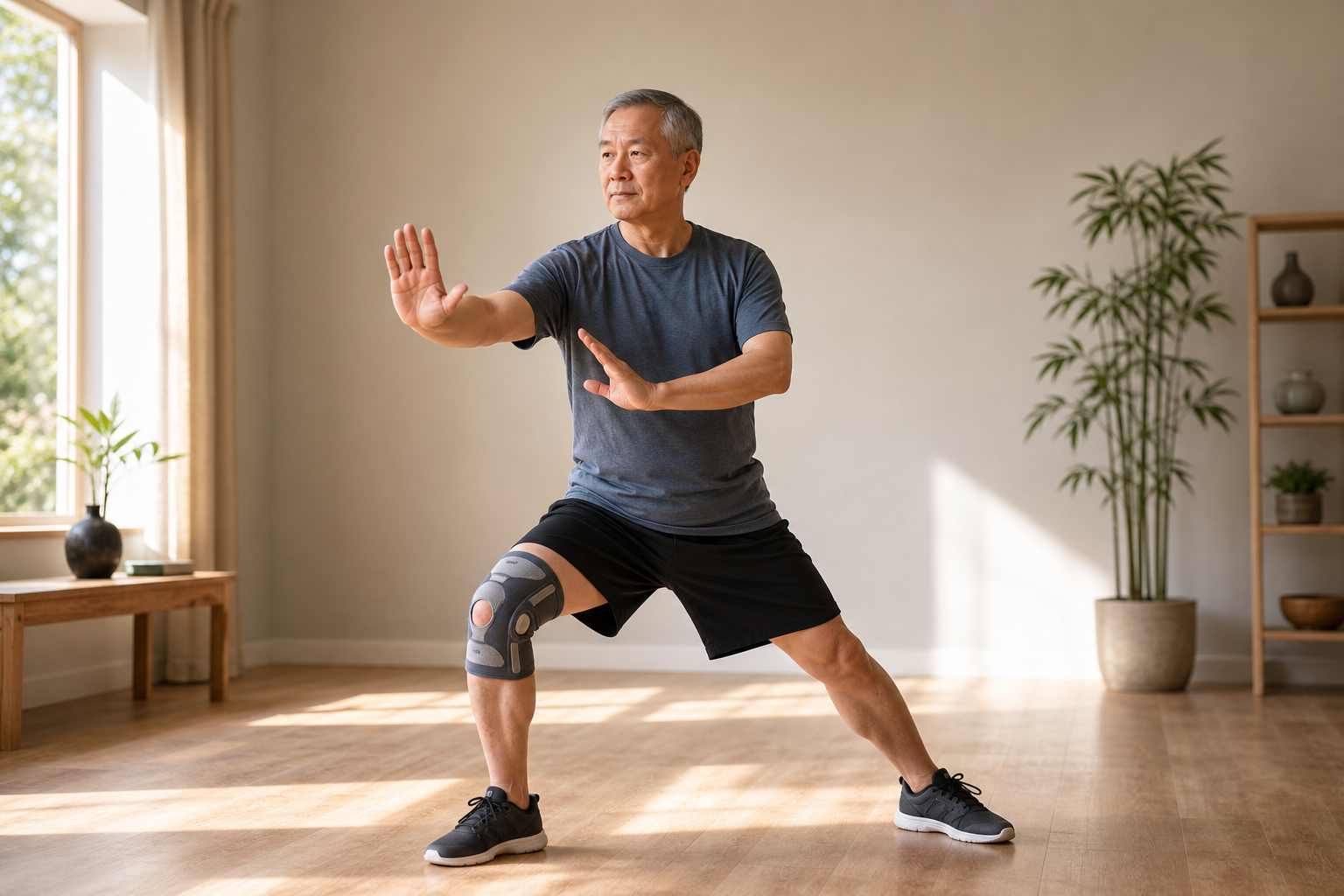
Want an extra layer of support as you get started? Many of my patients swear by a well-designed knee brace for the first few weeks—especially if you struggle with meniscus issues or wobbly knees. The NEENCA Professional Knee Brace is my pick: side stabilizers, cushy patella gel pad, and adjustable straps. I’ve worn it myself during a nasty bout of runner’s knee—and recommended it to a reader just last week.
What Do Real People Say?
Beyond the numbers and studies, what matters most to me are the everyday success stories. Janet, who I mentioned earlier, now leads her own informal group at her retirement community. One of my colleagues, Dr. Wahl, swears tai chi helped his mother regain confidence after a hip replacement. And my mother-in-law—who was deeply skeptical—now laughs that tai chi is the "cheapest spa treatment I’ve ever had." (Her knees say thank you.)
I get emails every month from readers who started with five-minute routines and found themselves—slowly but surely—walking taller, sleeping better, and worrying far less about their next step.
What About the Drawbacks?
No treatment is perfect. Tai chi is safe for most, but you can overdo it if you push too quickly. If you have balance problems severe enough to cause frequent falls—even standing still—start with guidance, ideally from a physical therapist. And if you find tai chi classes that look like Cirque du Soleil tryouts, run the other way. The best routines for arthritis and balance are simple, steady, and focus on fundamentals.
Another honest limitation: tai chi takes practice. The benefits build over weeks, not days. If you’re hoping for overnight miracles, you might feel let down. (But the long-term payoff—less pain, fewer falls, a stronger sense of confidence—makes it more than worth it.)
What Makes Tai Chi Different from Other Pain Strategies?
Here’s the thing: most pain strategies are passive—you apply a gel, take a pill, or strap on a brace and wait for change. Tai chi is different. It puts you in the driver’s seat. Every time you practice, you’re teaching your brain and body how to move with less pain and more stability. For lifelong arthritis management, that’s the real power move.
Mix and Match—A Balanced Approach to Joint Health
If you take nothing else away from my years in the clinic, take this: combine what works. Tai chi for strength and balance; a high-quality knee brace for steadiness; a proven gel or heat pad for flare-ups. There’s no "one-size-fits-all" recipe, but when you blend active and passive tools, the odds tip in your favor. I know this is unpopular among some "movement only" circles, but I’ve seen too many patients succeed this way to ignore it.
And keep your expectations realistic. Four weeks of tai chi won’t make you 20 again—but it will help you feel more at home in your body, and that’s something no prescription or surgery can promise.
Final Takeaways: Should You Try Tai Chi for Arthritis and Balance?
If you’re still reading, odds are you (or someone you love) has wrestled with the double whammy of arthritis pain and unsteady balance. I can’t promise miracles, but I can say—without a hint of sales pitch—that tai chi works for the vast majority of my patients willing to give it a proper try.
- It’s adaptable. You don’t need to be a gymnast or brave a crowded gym.
- It’s supported by real science—decades of it.
- It’s safe, affordable, and builds confidence in movement.
- It pairs well with other joint-supporting strategies—braces, topicals, heat, and rest days included.
I’d love for you to find a local class or try a beginner routine at home. Start small, celebrate little wins, and let me know how it goes. If today’s your first step, you’re in good company—and you just might surprise yourself.
Stay steady, stay hopeful, and keep moving. Your joints (and your independence) are worth it.
— Dr. Sarah Mitchell, DPT
Senior Health Editor, JointReliefReviews.com