Tai Chi for Arthritis and Balance: What Your Doctor Might Not Tell You
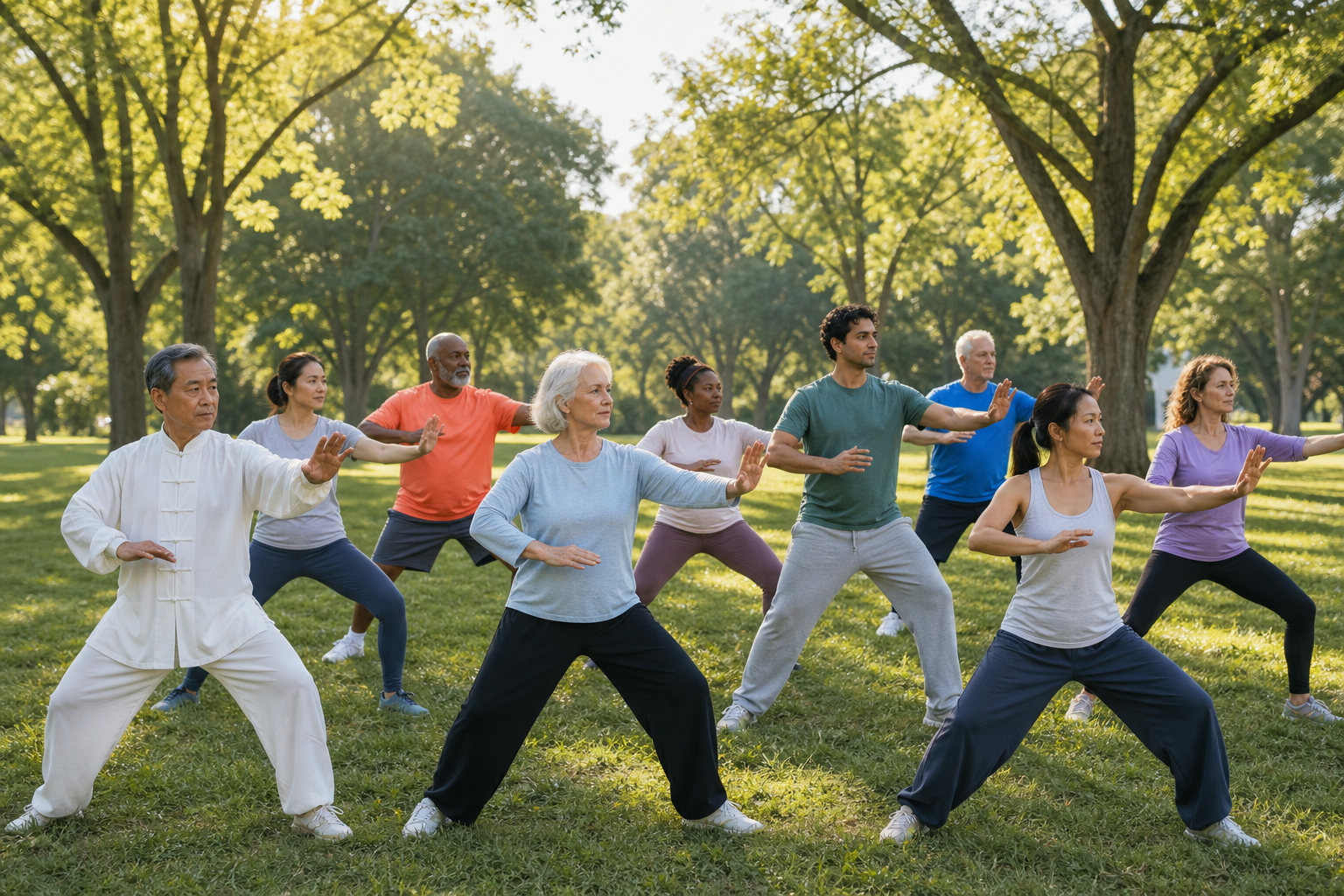
I’ll be honest—when I first heard a neighbor rave about tai chi for her arthritic knees, I pictured a group of seniors in a park, waving their arms in slow motion. It seemed about as therapeutic as a walk in the garden. But then my own right knee started acting up (too many years sitting cross-legged for interviews, perhaps), and I started reading. Turns out, there’s a mountain of research—and some real surprises—about how tai chi helps both arthritis pain and, crucially, balance. Not just for older folks, but for anyone with cranky joints or a fear of falling.
Why Arthritis and Balance Go Hand-in-Hand (and Downhill)
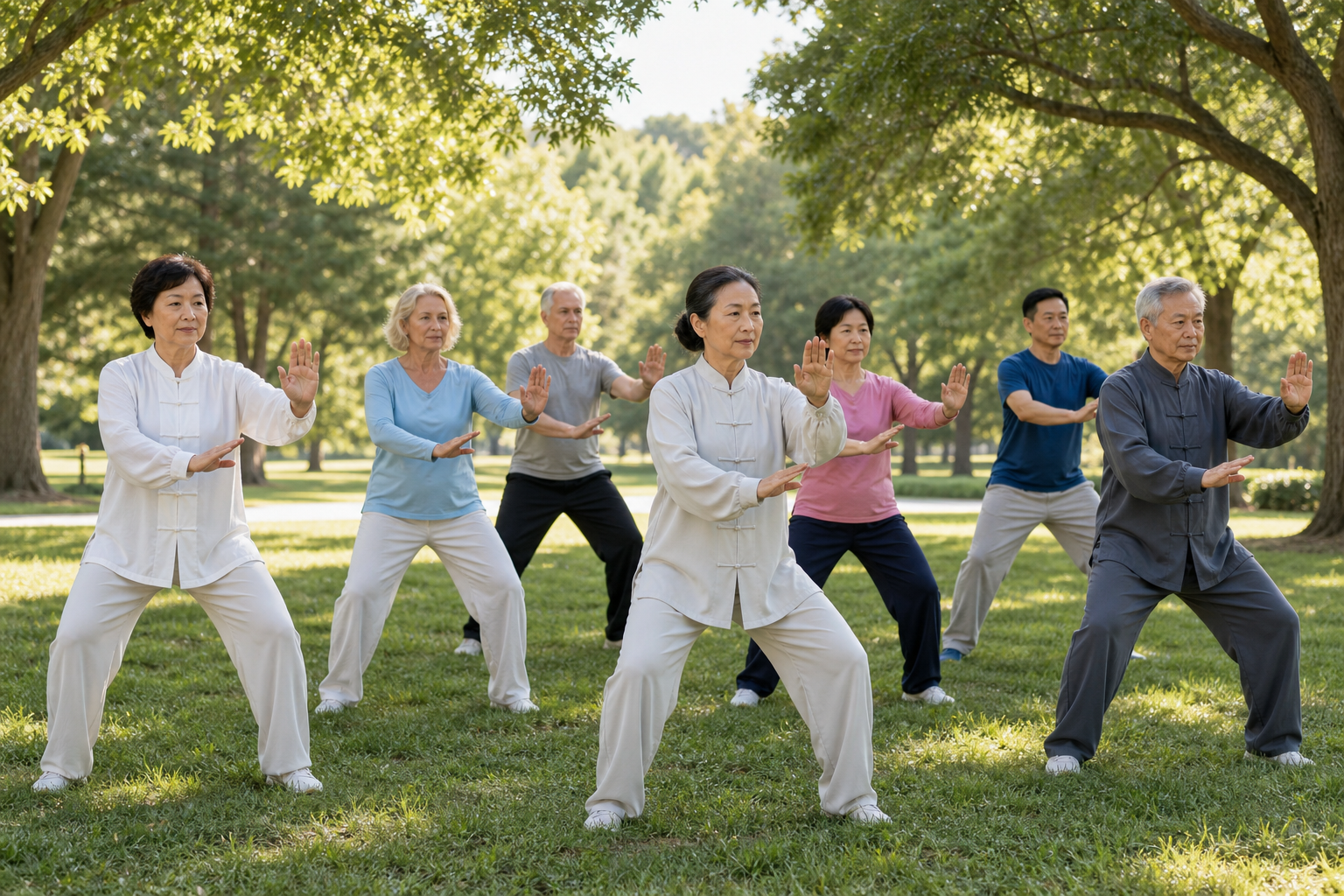
If you’re nodding along, you’re not alone. More than 32 million Americans live with osteoarthritis—knees, hips, hands, you name it. Pain is the headline, but here’s the thing: joint stiffness and inflammation do more than just hurt. They mess with your sense of stability. A twinge in your knee, a weak ankle ... suddenly you’re grabbing for the countertop. Most people don’t realize balance issues can sneak up years before you even think of yourself as “unsteady.”
Let’s not sugarcoat it. The fear of falling becomes real. I’ve interviewed dozens of physical therapists who say the same thing: Addressing pain is only half the battle. The real kicker is keeping people confident on their feet—something that can slip away faster than you’d think.
What Actually Happens During Tai Chi (and Why Joints Love It)
So, why does this ancient Chinese practice, originally developed for martial arts, help with such modern ailments? Picture this: slow, controlled movements, weight shifting from one leg to the other, knees bending gently, arms tracing arcs in the air. No jumping, no pounding. It’s low-impact by design, but don’t let the gentle pace fool you.
Here’s where it gets interesting. Tai chi isn’t just about flexibility—or relaxation, though there’s plenty of that. Multiple studies (BMJ, 2015; Journal of Rheumatology, 2009) show that tai chi improves proprioception, which is your body’s sense of its own position. When you move through a tai chi “form,” you’re training tiny stabilizer muscles around your joints—especially hips, knees, and ankles—without ever stressing them. Think of it as a recalibration for your whole body’s sense of balance. My own attempts were wobbly at first, but within weeks I noticed I could catch myself on stairs with less effort.
The Actual Science: Numbers You Can Use
You want specifics—I do too. In a landmark 2016 Annals of Internal Medicine review: tai chi reduced pain in knee osteoarthritis patients by 25 to 35% over twelve weeks, compared to those who stuck to health education alone. In a 2018 trial of older adults with arthritis, the risk of falls dropped by a whopping 58% after just six months of twice-weekly tai chi classes. Most impressive: improvements held up for months after the classes ended.
Another gem: A 2020 meta-analysis in Arthritis Care & Research looked at over 2,500 participants and found tai chi outperformed standard exercise for both pain relief and balance confidence, especially in people over 60. And it wasn’t just in big city hospital settings—community centers, senior halls, even online video classes counted.
But What If You’re Not Fit (or Flexible)?
This is where I see a lot of folks give up before they start. You don’t have to touch your toes or stand on one foot like a flamingo. Most tai chi programs for arthritis (look up the “Sun style”—it’s the most joint-friendly) are specifically adapted for beginners, people with limited mobility, and even those using canes or supportive devices. I remember when my mother-in-law tried her first class and sat for half of it. The instructor didn’t blink—he simply talked her through seated versions of the movements. She felt included, and, weeks later, was standing for more than half the session.
Beyond Exercise: Why Tai Chi May Calm Inflammation
This next bit surprised me. Tai chi isn’t just moving meditation; it literally changes your body’s chemistry. Several randomized controlled studies (see Arthritis & Rheumatology, 2016) found that regular tai chi practice lowered levels of C-reactive protein—a marker of systemic inflammation. That means less swelling, less pain, potentially even better sleep.
And the mental health boost isn’t trivial. Chronic pain and anxiety go together like thunder and lightning. Tai chi, with its focus on slow breath and mindful movement, has been shown in Psychosomatic Medicine (2017) to reduce depression and anxiety symptoms by 20-30% in adults with musculoskeletal pain. That’s a double win if you ask me.
How to Start Tai Chi for Arthritis (Even if You’ve Never Done It Before)
If you’re thinking, “I have two left feet,” you’re in good company. The first class can feel awkward, but nobody cares if you’re graceful. The best programs break movements into bite-size steps—sometimes literally, as one of my favorite instructors reminds her students, “Every wobble is a victory for your nervous system.”
- Find a certified instructor. Look up classes with instructors certified by the Arthritis Foundation or Tai Chi for Health Institute. These folks know how to modify movements for tricky joints.
- Start at home if needed. Chair-based tai chi is surprisingly effective. Several studies show you can get real pain relief with seated routines.
- Go slow. Even 10-15 minutes, twice a week, can start rewiring your balance circuits. Don’t overdo it—especially not at first. And always check with your doctor before beginning a new routine, especially if you’ve had joint replacements or falls.
One thing I tell readers: video classes (YouTube, DVDs) can be great, but nothing replaces a trained teacher who can watch your form and give real-time feedback. If you can’t get to a class, check out Treat Your Own Knees for easy, research-backed exercises—it’s a good starter if you want to build strength and flexibility at home.
Practical Tips to Make Tai Chi a Habit
Here’s what’s worked for me and for dozens of readers:
- Set a reminder: Put it in your calendar, just like a medication alarm.
- Dress for comfort: No fancy shoes—just socks or bare feet on a non-slip surface.
- Track your progress: Notice the little changes—less morning stiffness, better posture, that moment you catch yourself before a stumble.
- Join a group: Even a small “balance buddy” via Zoom can keep you motivated.
And don’t be afraid to mix and match with other gentle supports. I’ve seen many people pair tai chi with a stabilizing knee brace, like the NEENCA Professional Knee Brace. On rough days—those when your knees feel like rusty hinges—it can make getting up and moving less daunting.
Troubleshooting: What If Tai Chi Isn’t Enough?
Here’s where I get a bit controversial. Most articles will only sing the praises of “natural movement” and leave you hanging when pain flares. Sometimes, tai chi alone isn’t enough—especially if arthritis inflammation is raging. That’s where a pain relief gel like Voltaren Arthritis Pain Gel comes in handy. It’s clinically proven (diclofenac sodium, 1%—FDA approved) to quiet down joint pain without popping another pill. My husband uses it after long hikes, and I keep a tube in my gym bag for post-tai chi “overdoing it” days.
But—and this is crucial—pain relief gels or braces are bridges, not destinations. The real foundation is rebuilding muscle memory, balance, and confidence. Tai chi does that in a way few other modalities can.
Comparing Tai Chi to Other Arthritis-Friendly Activities
If you’re a numbers person (like me), you might wonder: “Why tai chi, and not swimming, yoga, or Pilates?” I dug through the research, and here’s what jumps out:
- Swimming: Great for aerobic health and joint unloading, but doesn’t train balance in the same way as upright activities.
- Yoga: Can improve flexibility and calm the mind, but many poses (downward dog, plank) put pressure on wrists or knees—not ideal if those joints are already inflamed.
- Pilates: Excellent for core strength, but group classes often move too quickly for those with severe arthritis or balance limitations.
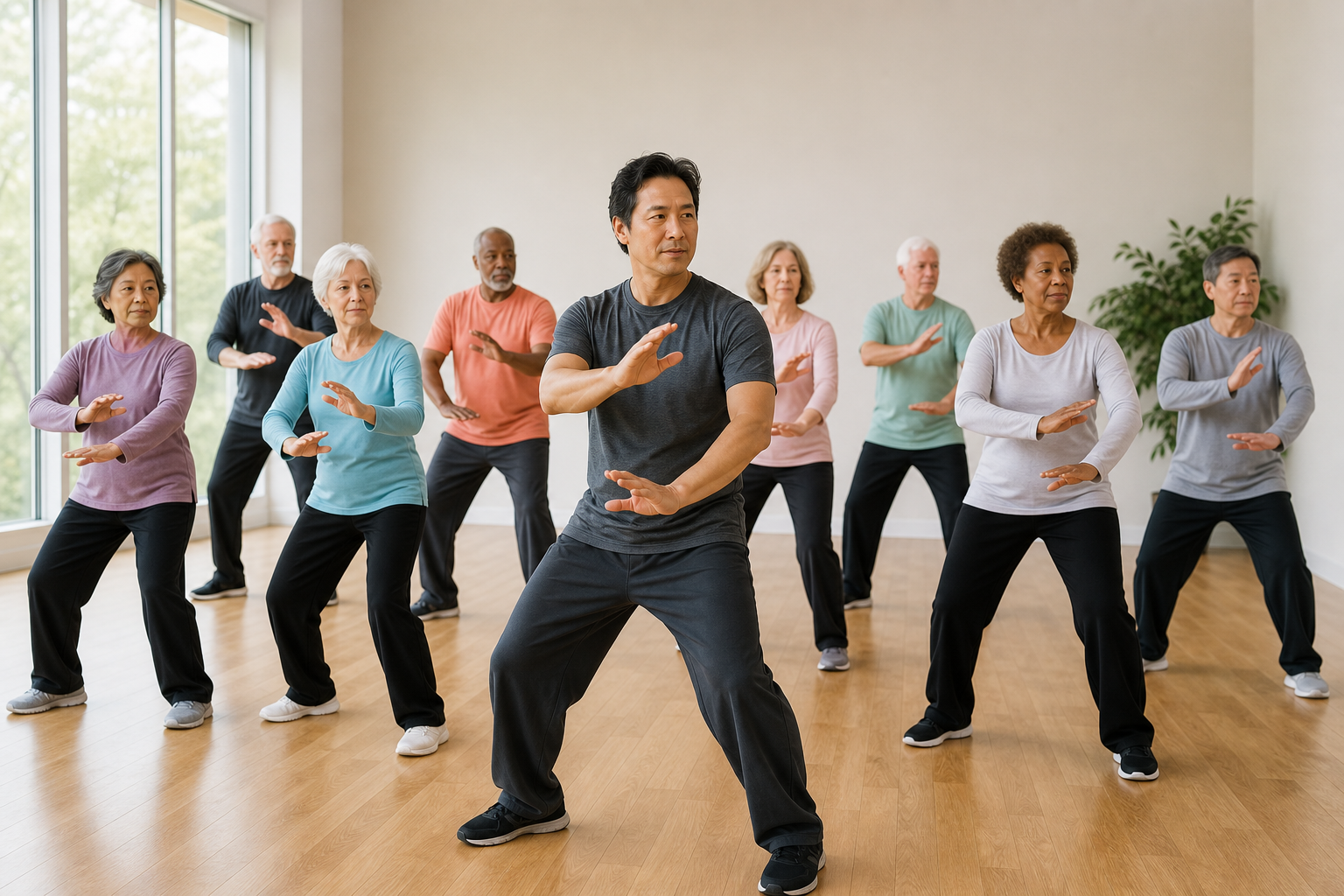
- Tai Chi: Stands out for its unique combination—weight shifting, muscle control, gentle joint loading, and mindfulness—all proven to benefit both arthritis and balance, in studies dating back to the late 1990s (Journal of Aging and Physical Activity, 1999).
I know this is unpopular in some circles, but if you had to pick a single movement for lifelong joint support and fall prevention, tai chi is my top recommendation. That said, variety is good—mix in walks, pool days, or even resistance band exercises. But don’t underestimate the impact of 20 minutes of well-guided tai chi a few times a week.
The Bottom Line: A Patient’s Perspective
Arthritis is relentless. So is the fear of falling as we age, or as pain chips away at muscle and confidence. Tai chi isn’t magic—but it is a toolkit. It taught my own right knee (and my brain) to trust movement again. And from dozens of patient stories, and years of reporting, I’ve seen more than enough proof: the gentlest path is sometimes the strongest.
If you’re hesitant, start small. Find a local class, try a video, or just breathe and shift your weight with intention. Pair it with commonsense supports—a brace when you need it, a pain gel for flare days, or a reliable exercise guide if you want to add strength. The journey starts with a single, slow, intentional step.
If you have a tai chi story—or want to share your progress—send me a note. And remember, always listen to your body and check with your doctor before starting anything new. I’m rooting for you, one gentle step at a time.
— Karen Whitfield, veteran health journalist, for JointReliefReviews.com