Tai Chi for Arthritis and Balance: Why a Slow Practice Packs a Serious Punch
Here’s the thing: I didn’t believe it myself until I watched a 72-year-old patient—let’s call her Ruth—go from barely hobbling to moving with real confidence. She’d tried every supplement and pain cream out there. But it was tai chi, of all things, that helped her find steadier feet and calmer knees.
If you’re reading this with achy joints or feeling wobbly on the stairs, you’re not alone. Osteoarthritis and poor balance are a brutal one-two punch for millions. The CDC estimates up to 54 million Americans live with doctor-diagnosed arthritis, and falls remain the number one cause of injury for people over 65. (If you’ve ever caught yourself before a fall, you know the heart-stopping panic.)
Why Is Balance So Hard With Arthritis?
Most folks blame age, but it’s more complicated. Arthritis—especially osteoarthritis in the knees or hips—triggers pain, stiffness, and swelling that quietly messes with your body’s proprioception (that’s your internal sense of alignment). When joints hurt, muscles stop firing right. Gait changes. Confidence slips away. Suddenly, walking across the living room feels like an obstacle course.
Doctors love to recommend “more activity,” but that feels laughable if you can barely trust your knees for a trip to the mailbox. I’ve been there, guiding patients through endless cycles of progress and setbacks. What most people crave isn’t another round of squats or a new prescription—it’s gentle movement that actually feels possible.
What Is Tai Chi, Really? (And Is It Just for Seniors?)
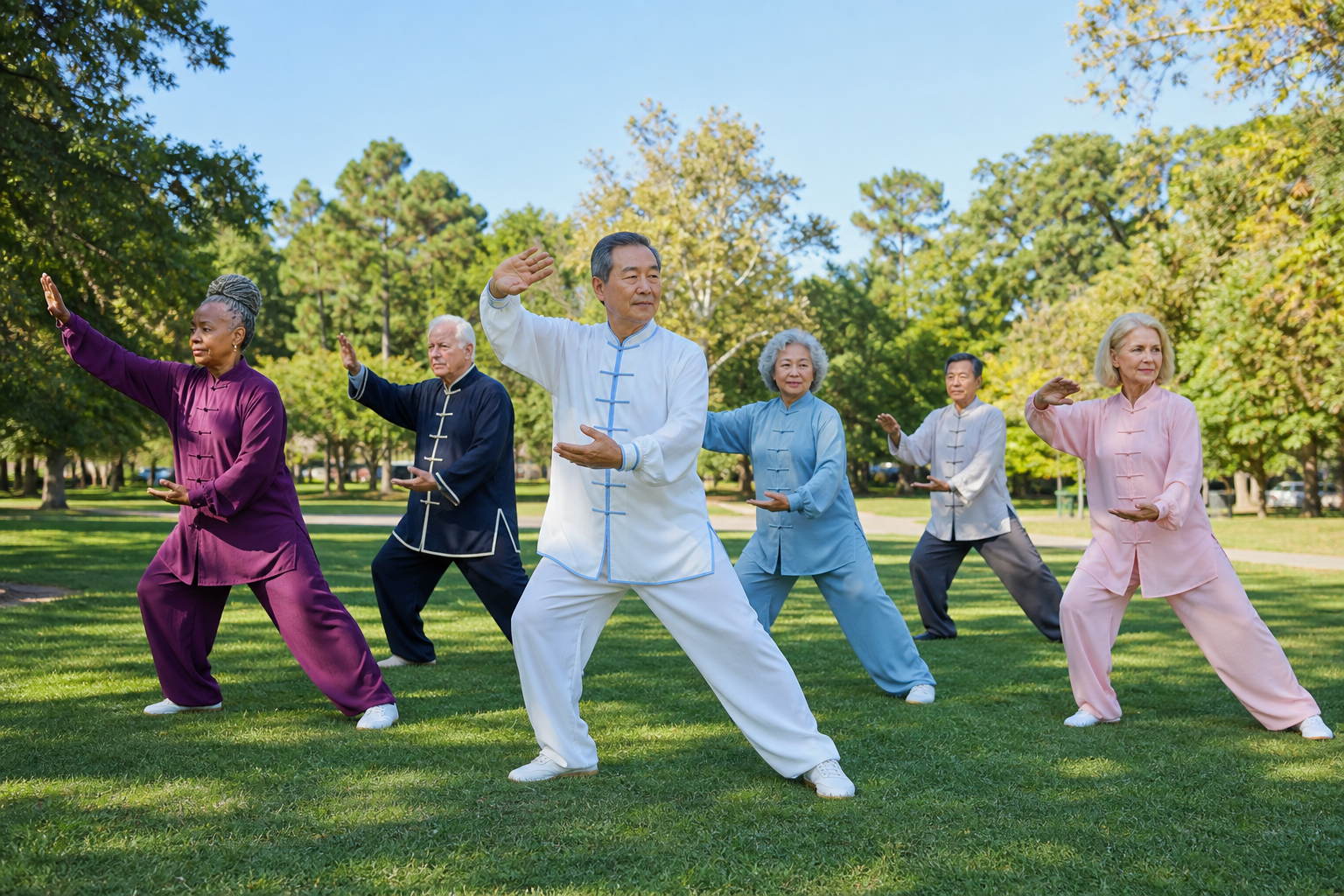
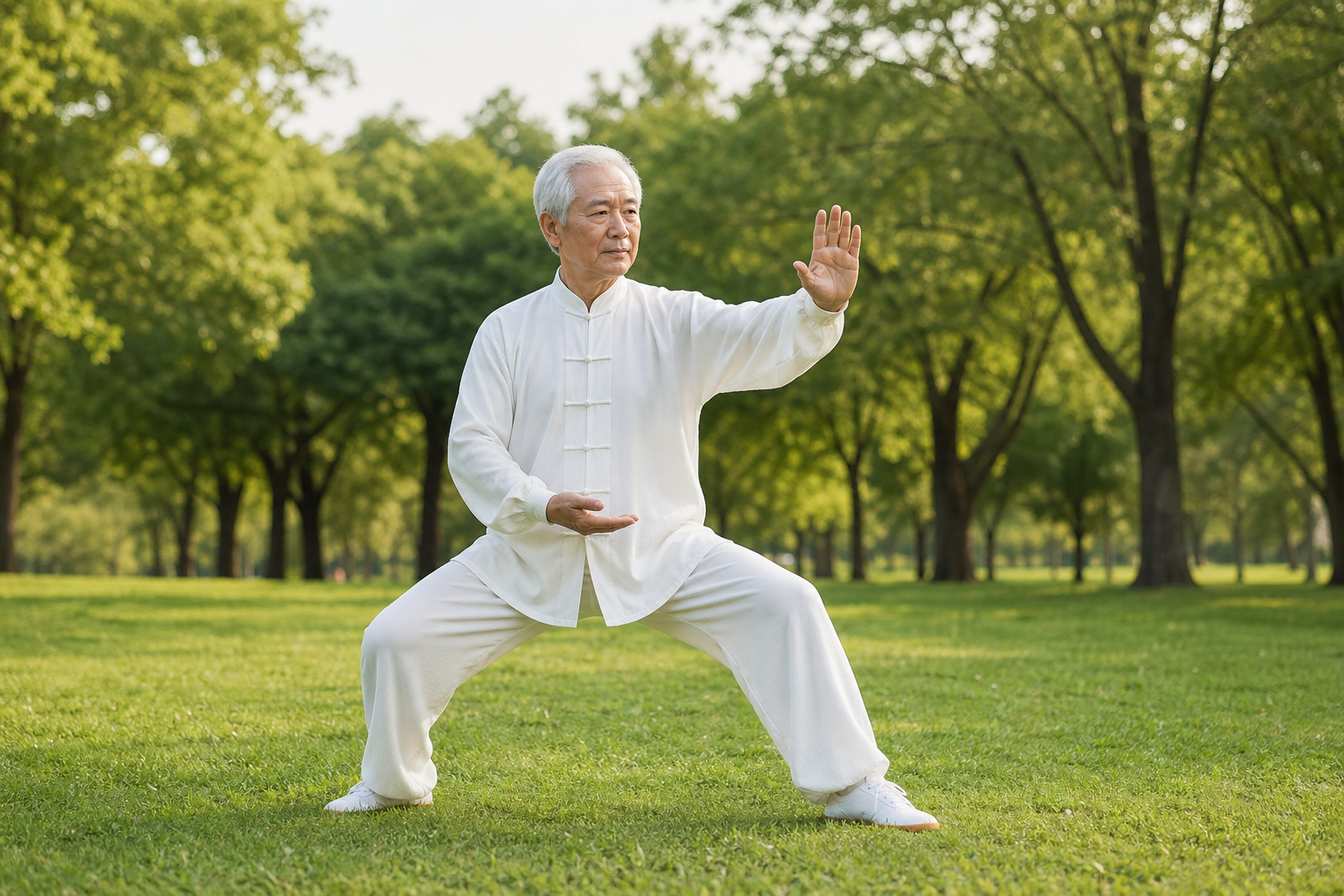
Look, I know what you might be picturing: slow-motion martial arts, floating hands, maybe even silk pajamas. The truth is, tai chi is both simpler and more powerful than it looks. It’s a centuries-old Chinese practice, originally a martial art, that’s now better known in the West as a form of mindful, low-impact exercise. Movements are slow, controlled, and always coordinated with gentle breathing.
You don’t need incense, special gear, or any background in exercise. I’ve seen people in their 30s, 50s, and 90s all benefit. (My own mother-in-law started at 68 and swears by it for her creaky hips.)
The Big Benefits: Arthritis Relief and Balance Gains
- Less Joint Pain: Here’s where research gets interesting. In a 2016 meta-analysis in Arthritis Care & Research, tai chi significantly improved pain and function in people with osteoarthritis—especially in the knees. Another 2021 review from the Journal of Rheumatology backed this up, finding pain scores dropped by up to 20-30% compared to usual care.
- Better Balance: Multiple studies (including a landmark 2012 trial in BMJ) found tai chi reduces fall risk in older adults by improving proprioception, muscle strength, and reaction time. One study out of Tufts University tracked seniors with knee arthritis; after just 12 weeks of tai chi, their balance test scores improved by 50% compared to stretching alone.
- Stiffness Melts (a bit): It’s not magic, but those slow, repeated weight shifts seem to lubricate joints. Patients report less morning stiffness and more freedom of movement within weeks.
- Mood Lifts: Don’t underestimate this! A 2017 study in Arthritis & Rheumatology found tai chi matched physical therapy for mood, sleep, and overall quality of life in knee OA patients.
And the real kicker? You don’t need to get sweaty or push through pain. In fact, the best evidence comes from routines done 2-3 times a week, for 30-60 minutes per session. That’s it. No gym, no jumping, no joint-pounding.
How Tai Chi Works for Arthritis (The Science, Unpacked)
If you’re nodding along, you might be wondering: Seriously, how can waving your arms around help creaky knees? Here’s the science in plain English:
- Muscle Activation: Slow, deliberate movements fire stabilizing muscles around your hips, knees, and ankles. That’s how tai chi trains the chain of muscles that keep you upright—even more gently than yoga or Pilates.
- Proprioceptive Feedback: Every shift of weight, every careful step, forces your body to recalibrate. Over time, your brain refines its “map” of where your joints are in space—which is clutch for preventing falls.
- Low-Impact Pressure: Unlike walking or jogging, tai chi rarely subjects joints to pounding or abrupt stops. But the act of loading and unloading the joints with each weight shift actually strengthens cartilage and improves synovial fluid movement (that’s the natural lube in your joints), according to a small 2015 study in Osteoarthritis and Cartilage.
- Mind-Body Connection: I know this sounds touchy-feely, but focusing on movement and breath calms the nervous system. That can dial down pain sensitivity—a real effect, not just a placebo—documented in the Journal of Aging & Physical Activity (2018).
Is tai chi a cure-all? Of course not. But for many of my patients, it’s the only movement that doesn’t make symptoms worse—a low bar, but a crucial one.
What Does a Tai Chi Class Look Like?
I get this question all the time. Most classes start with standing, centering, and several minutes of slow, circular arm movements. You might work through a dozen postures, each with names like “Wave Hands Like Clouds” or “Repulse Monkey.” (Yes, really.) There’s no music blasting. No one judges your technique. It’s about smoothness, not speed or perfection.
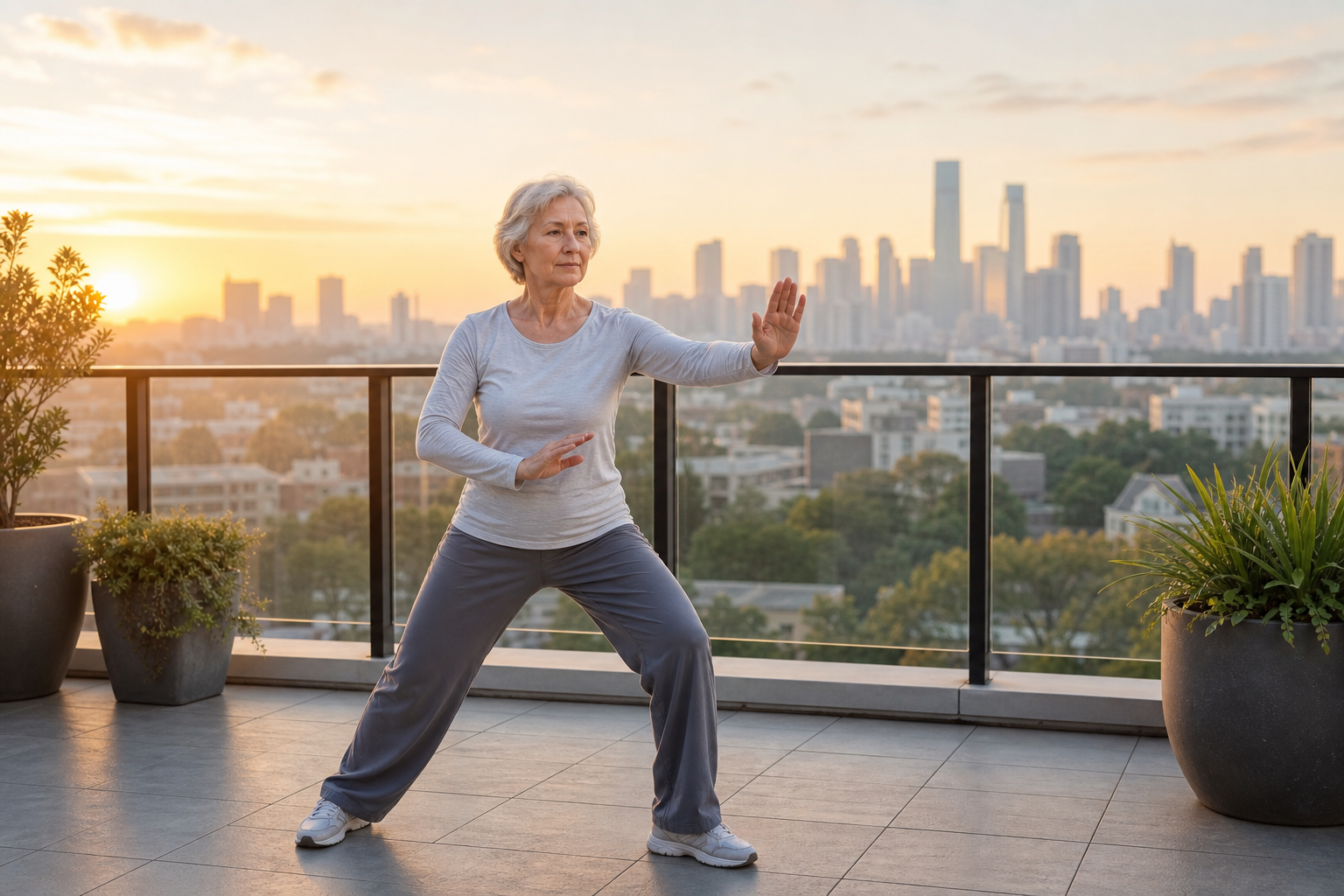
And good news: seated tai chi is a thing. If standing is tough for you right now, many instructors adapt routines to a chair for safety. I’ve seen even frail older adults build surprising strength this way.
Tips to Get Started (and How to Stay Safe)
- Find a Real Instructor: Look for classes specifically labeled “Tai Chi for Arthritis” or “Balance.” Many YMCAs and senior centers now offer them. A trained instructor can spot unsafe compensations and adjust movements for your body.
- Start Slow (Seriously): Your ego will want to do a full 60-minute session. Don’t. Ten minutes per day can work wonders. Build up as you get comfortable.
- Shoes Matter: Wear flat, flexible shoes with good grip. I’ve seen too many people slide in socks on wood floors—ask me about my own embarrassing slip!
- Consider Support: If your knees or ankles feel unstable, use a chair or the wall for extra balance. I sometimes recommend lightweight braces for those just getting started, especially if you’re nervous about falls.
One product my patients rate highly for knee support is the NEENCA Professional Knee Brace. It’s medical-grade (not one of those cheap elastic sleeves), with side stabilizers and a patella gel pad that can reduce pressure on arthritic knees during movement. Not a magic bullet, but it’s helped more than a few of my senior clients feel confident enough to try new classes.
Can You Do Tai Chi at Home?
Absolutely. There are plenty of online videos and DVDs, though nothing replaces a good instructor. For folks who want a structured game-plan, I often recommend the book Treat Your Own Knees by Jim Johnson, PT. While not tai chi-specific, it’s full of research-backed exercises and flexibility drills you can integrate right alongside a gentle tai chi routine. If you’re dealing with stiffness, it’s a practical resource.
How Does Tai Chi Compare to Other Arthritis Exercises?
Here’s where I ruffle some feathers: Tai chi isn’t better than all other forms of exercise for arthritis, but it’s often more accessible. High-impact aerobics, running, and even some traditional strength-training moves can do more harm than good with moderate to severe osteoarthritis. Yoga is another great low-impact option, but some poses put uncomfortable torque on knees and wrists.
In direct comparison, a 2016 trial in Annals of Internal Medicine found tai chi scored equal to structured physical therapy (PT) for pain and function in knee OA. But—here’s the surprise—those who stuck with tai chi reported higher satisfaction and were more likely to keep moving months later. In other words, it’s sustainable. And as a physical therapist, I’ll take a sustainable routine over a perfect-but-ignored one any day.
Can Tai Chi Replace Medication?
Let’s be honest—most folks with moderate to severe arthritis still need medication at least some of the time. Tai chi isn’t a replacement for NSAIDs, corticosteroids, or disease-modifying drugs. But it can reduce reliance on pain meds over time. Multiple studies show people who stick with it report lower daily pain scores and fewer “bad days.”
Of course, always talk to your doctor before starting a new exercise program—especially if you have severe balance issues, uncontrolled blood pressure, or a history of falls. Safety first.
The Mental Side: Tai Chi for Anxiety and Depression in Arthritis
Here’s something you won’t find in most product reviews: the mental health boost is real. Arthritis pain and fear of falling often trigger social withdrawal, anxiety, and even depression. Studies (like the one in Arthritis & Rheumatology I mentioned earlier) show that regular tai chi reduces anxiety and depressive symptoms—sometimes as much as talk therapy or meds. The combination of gentle movement, deep breathing, and mindful focus seems to lower stress hormones and improve sleep, too.
I remember a reader—Linda from Ohio—sharing how her weekly class became her social lifeline after her diagnosis. “It’s the only hour I forget my pain,” she wrote. That’s powerful medicine.
How to Make Tai Chi Part of Your Routine (Even If You’re Busy)
- Schedule it like an appointment. I tell clients to put tai chi on their calendar, just like a doctor visit. Consistency beats intensity every time.
- Pair it with something you love. Some folks do their practice outside with morning coffee nearby. Others listen to calming music. Make it pleasant, not a chore.
- Track your progress. Not just pain scores! Measure how steady you feel walking or how quickly you get out of a chair. Small wins add up.
- Use aids if you need them. No shame in using a knee brace, sturdy chair, or even a cane as you build strength and confidence. The NEENCA brace I mentioned earlier is one of the few I trust for real stability in group classes.
Other Tools That Can Help (When Tai Chi Isn’t Enough)
Tai chi is powerful, but sometimes joints need a bit more help. For those stubborn flare-ups—especially in the knees—topical relief can take the edge off and help you stick to movement routines. I’ve reviewed dozens of products, but Voltaren Arthritis Pain Gel is the only FDA-approved OTC gel with solid evidence behind it (diclofenac sodium, 1%). Studies in BMJ and Arthritis Care & Research show it reduces arthritis pain in knees and hands by up to 50%—without the stomach upset of oral NSAIDs. If pain’s keeping you from even starting tai chi, a dab of Voltaren may help you bridge the gap.
I’ll be honest: there’s no one-size-fits-all solution for arthritis and falls. But every patient I’ve seen who sticks with gentle movement—even just 10 minutes at a time—regains something precious: hope, confidence, and real function.
My Takeaways: Tai Chi Is Worth a Try (and Not Just for Grandparents)
- Tai chi offers proven relief for arthritis pain and improves balance—even in folks with severe joint problems.
- It’s gentle, sustainable, and adaptable for almost any fitness level or mobility need.
- Pairing tai chi with simple aids (like a supportive knee brace or topical pain gel) can help you stick with it, especially early on.
- The mental benefits are real—less stress, more confidence, and a shot at feeling like yourself again.
I know starting anything new can feel overwhelming—especially if your knees, hips, or balance aren’t what they used to be. But give tai chi a shot, even for just a few minutes a day. You might be surprised what your body—and mind—can still do.
Stay healthy, keep moving, and don’t hesitate to share your tai chi story with me. If you found this helpful or need more personalized advice, drop me a line. I’m always happy to help a fellow joint warrior.
James Chen, MS, CSCS
Physical Therapist, Joint Health Columnist