Tai Chi Benefits for Arthritis and Balance: What Actually Works?
I still remember Mrs. Jenkins hobbling into my office two years ago, gripping her walker and vowing, “Nothing’s helped my knees. But my neighbor swears by tai chi. Be honest—does it really do anything?”
Look, you’re not alone if you’re asking this. If you’re over 50 and waking up with stiff knees or wobbly ankles, you know every step can feel like a negotiation. You want freedom, not another false promise. And you’ve probably seen headlines about tai chi, gentle movement classes, or the “magic” of ancient exercises. But does tai chi actually deliver for arthritis and balance?
Why Balance and Joint Pain Aren’t Just Annoying—They’re Life-Altering
Let’s be real: arthritis isn’t just about aches. It’s the dread of stairs, that lurking fear of falling, or skipping a grandkid’s soccer game because you’re not sure you can manage the bleachers. The CDC reports that about 58.5 million adults in the US have been diagnosed with arthritis. The National Council on Aging puts the annual number of seniors experiencing a fall at nearly one in four—and falls are the leading cause of injury-related ER visits for people over 65.
So when you hear about tai chi “improving balance,” it’s not just about grace. It’s about independence—period.
What Is Tai Chi, Anyway?
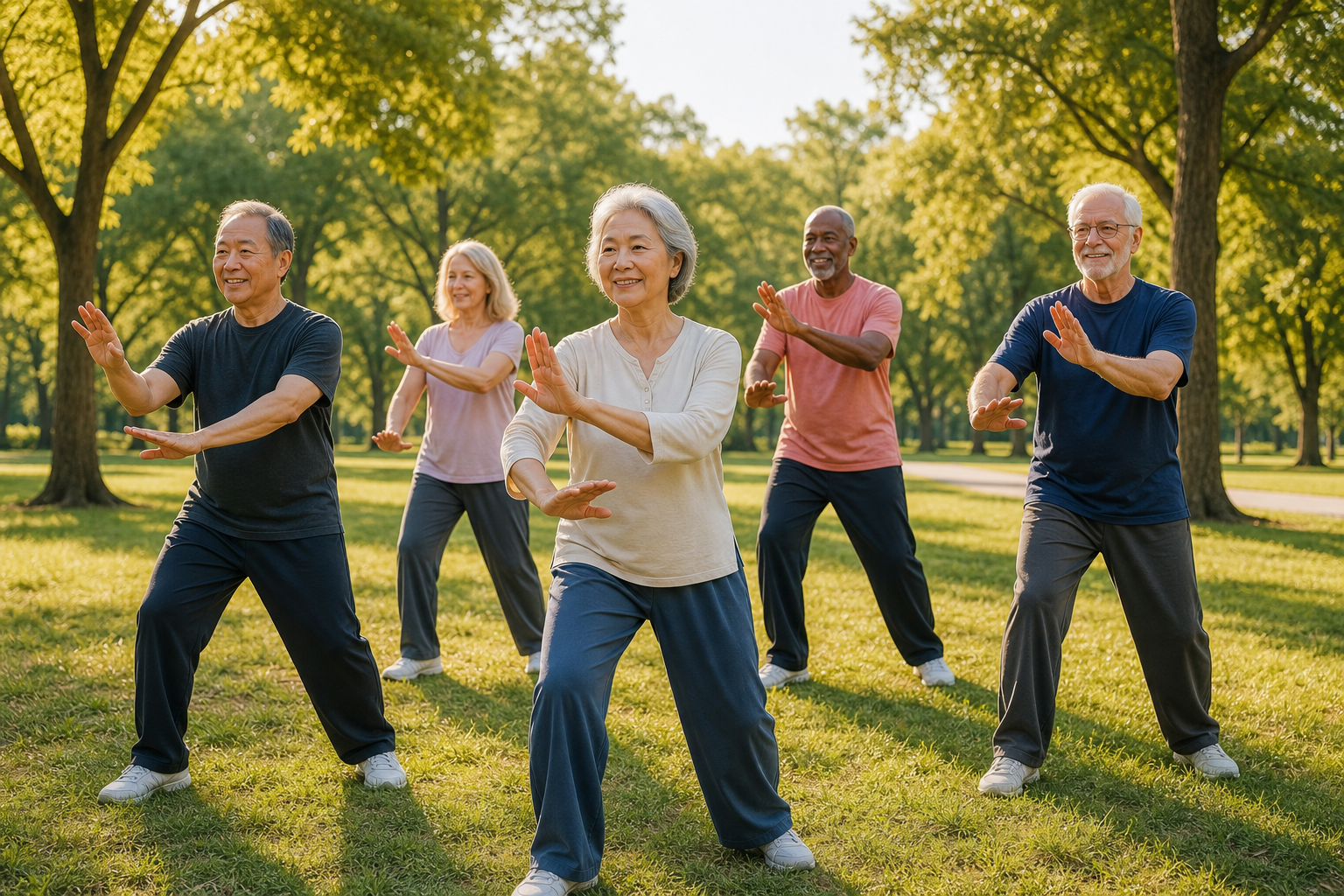
You’ve probably seen those slow, flowing movements in the park—almost like a dance, but everyone looks relaxed, not exhausted. That’s tai chi. It’s an ancient Chinese martial art, now practiced by millions for health, not fighting. The beauty is in its simplicity: gentle, controlled shifting of weight, coordinated breathing, and mindfulness. No special equipment. No fancy shoes. Just you and your body, often in a supportive group.
Here’s the Thing: The Science Backs It Up
I’m a data nerd at heart. (Occupational hazard of a Master’s in Exercise Science.) So before recommending tai chi to my own clients—including my mother-in-law, who now swears by it—I dove into the research. Here’s what I found:
- Arthritis pain and function: A 2019 meta-analysis in Arthritis & Rheumatology pooled results from 17 randomized controlled trials (RCTs) and found that tai chi significantly reduced joint pain and improved physical function in knee osteoarthritis, with effect sizes comparable to physical therapy.
- Balance and falls: A large randomized trial published in the New England Journal of Medicine followed 670 older adults at risk for falls. The group practicing tai chi twice a week for 24 weeks had a 58% reduction in falls compared to their usual activity group.
- Mental health boost: Not just joints: tai chi also reduced symptoms of depression and anxiety (see the Journal of the American Geriatrics Society, 2020), which is huge when chronic pain drags you down.
And the real kicker? Tai chi is ridiculously safe. No “no pain, no gain” here—just mindful movement and gradual improvement.
How Does Tai Chi Help Arthritis and Balance?
This is where I geek out a little. Tai chi’s magic is in its mechanics:
- Gentle weight shifting: You’re constantly transferring your body weight from one foot to the other, which trains the joints and stabilizes the muscles around knees, hips, and ankles. It’s like teaching your body to be smarter—no high-impact jumps required.
- Slow motion for control: Unlike quick movements in aerobics, tai chi forces your brain and body to coordinate slowly. This builds those little stabilizer muscles that protect your joints and prevent stumbles.
- Mindfulness and deep breathing: Chronic pain tenses your whole body. Tai chi’s focus on posture and breath calms the nervous system, which can actually decrease pain sensitivity over time (see 2022 BMJ study on mindful movement for pain reduction).
If you’ve ever done a single-leg balance and felt that ankle wobble, you know what I mean. Tai chi sneaks in thousands of those micro-corrections, retraining your balance and confidence one slow step at a time.
What About Real People? Stories from the Mat
I’ve seen dozens of my clients, and even family members, surprised by how quickly tai chi changes things. One reader, Susan from Ohio, emailed last month: “After three weeks, my knees don’t scream at me during stairs. And the group class is honestly the highlight of my week.” (I wish I could bottle that optimism.)
But I’ll be honest—tai chi isn’t a miracle cure. Some folks see big gains in a month. Others need several months to really notice changes. Consistency is everything. The more you show up, the better the results (kind of like brushing your teeth, but for your joints).
Starting Tai Chi with Arthritis: What You Need to Know
Ready to try? Here’s my personal primer:
- Talk to your doctor first—especially if you have severe joint instability or other medical conditions. Tai chi is safe for most, but double-check if you’ve got a complicated health history.
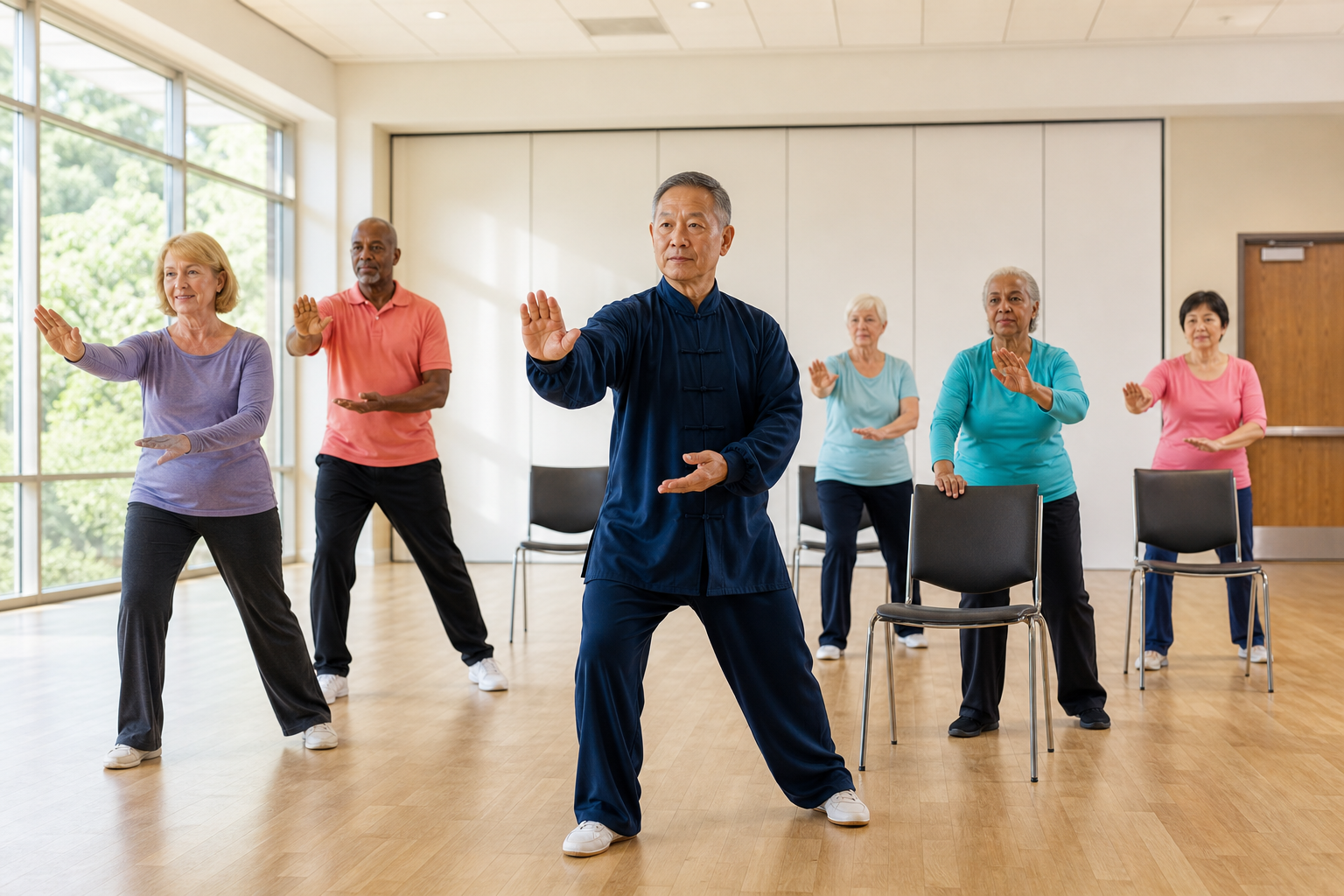
- Seek out a certified instructor. Not all classes are created equal. Look for someone trained in tai chi for arthritis or fall prevention (the Arthritis Foundation-certified programs are gold). Many local YMCAs and senior centers offer affordable options.
- Go slow and honor your body’s limits. If you feel pain—not just stretching or mild muscle fatigue—pause or modify the movement. Tai chi should never feel like punishment.
- Shoes and gear: You don’t need to buy anything fancy. But if you have knee arthritis and worry about support, you can absolutely wear a soft knee brace for extra confidence. The NEENCA Professional Knee Brace is one I’ve recommended—medical-grade, comfy, and it stays put even during shifting weight.
- Start with 10-20 minutes, 2-3 times a week. Even short, regular practice beats a long “marathon” session once in a blue moon. Most benefits kick in after four to eight weeks of consistent practice, according to the 2016 Journal of Rheumatology review.
Can You Do Tai Chi at Home?
Absolutely. There are free online routines (YouTube has several by Dr. Paul Lam, a rheumatologist and tai chi master) and DVDs tailored for arthritis. But—and here’s my clinical hat talking—if your balance is severely impaired, start in-person with a pro, at least for a few weeks. Safety first.
Stacking the Deck: Extra Tools for Joint Relief
No, tai chi isn’t the only solution. The best results come from a combo approach. Here are a few game-changers I’ve seen work alongside movement:
- Topical pain relief: Look, sometimes you need your knees to cooperate enough to even start tai chi. In clinical practice, Voltaren Arthritis Pain Gel (diclofenac sodium) helps take the edge off—especially with persistent morning stiffness. It’s FDA-approved, non-greasy, and way less risky than popping NSAIDs daily. (But again: ask your doc, especially if you’re on other meds.)
- Heat therapy: Before class, warming up joints with a heating pad can make movement easier. I like the Pure Enrichment PureRelief XL Heating Pad—it covers both knees at once, has an auto shut-off, and offers moist heat (which penetrates deeper).
These tools aren’t magic, but they lower the “activation barrier”—making it less daunting to show up and move.
The Real-World Catch: Will My Arthritis Get “Cured”?
Here’s where most websites sugarcoat things. Tai chi won’t reverse cartilage loss or re-grow worn-out joints. It doesn’t “cure” arthritis. But it can dramatically improve your quality of life—less pain, more confidence, better sleep, less fear of falling. And for many, that’s the difference between staying active and slowly shrinking your world.
Comparisons: Tai Chi vs. Other Arthritis and Balance Exercises
Some folks ask, “Why tai chi and not yoga, or water aerobics, or just walking?” Great question. Here’s how they stack up:
- Tai chi vs. Yoga: Yoga is fantastic for flexibility and some strength, but many poses stress the knees and wrists. Tai chi keeps joints in a more neutral range—less risky for advanced arthritis.
- Tai chi vs. Walking: Walking is great cardio, but it doesn’t challenge balance in the same way. Tai chi’s constant weight shifting and single-leg stances train those postural muscles that keep you upright in “real life.”
- Tai chi vs. Water aerobics: Water takes pressure off joints and is superb for movement, but you miss the benefits of balance training you get on land. Tai chi can be done almost anywhere with just a few feet of space.
What matters most is what you enjoy—and what you’ll stick with. But for arthritis plus fall risk? Tai chi is uniquely tailored (and, frankly, underused in the US compared to Asia).
Common Questions I Hear (And My Honest Answers)
- “Will I look silly as a beginner?” Maybe at first. But trust me: everyone is focused on their own balance, not judging you. And the gentleness of the movements means you’re not gasping for air or out of step like in a Zumba class.
- “I’m not flexible—can I even do this?” Yes. Tai chi meets you where you are. You don’t need to touch your toes or do deep squats. Many moves can even be done seated or with one hand on a chair.
- “How soon will I notice results?” Some people feel steadier in two weeks; for most, it takes 1-2 months to feel a meaningful difference in pain or confidence. But the improvements tend to last if you keep at it.
So, Is Tai Chi Worth Trying for Arthritis and Balance?
If you’re nodding along, you’re not alone. The evidence is there, and the risks are low. In my years working with older adults, I’ve seen tai chi unlock confidence, connection, and real mobility—far more than any “miracle supplement” I’ve reviewed.
Is it a silver bullet? No. But as part of a real, daily-life plan—alongside smart pain relief, supportive gear, and a bit of patience—it’s one of the most powerful (and enjoyable) therapies out there.
Takeaways If You’re Ready to Get Moving
- Find a tai chi class or video you actually enjoy (try a few before settling on one).
- Use braces, gel, or heat pads to make the first steps easier—no shame in supporting your body while you build strength.
- Be consistent, even if you feel silly or slow at the start. Progress happens at its own pace.
- Never ignore sharp pain—listen to your body and ask your doctor if something feels wrong.
If you give it a shot, send me an email about your experience—nothing gives me more satisfaction than hearing a reader has reclaimed their confidence (and maybe even danced at a wedding they thought they’d miss).
Stay strong, move well, and keep asking good questions—your joints (and your future self) will thank you.
James Chen, MS, CSCS
Strength & Mobility Specialist
JointReliefReviews.com