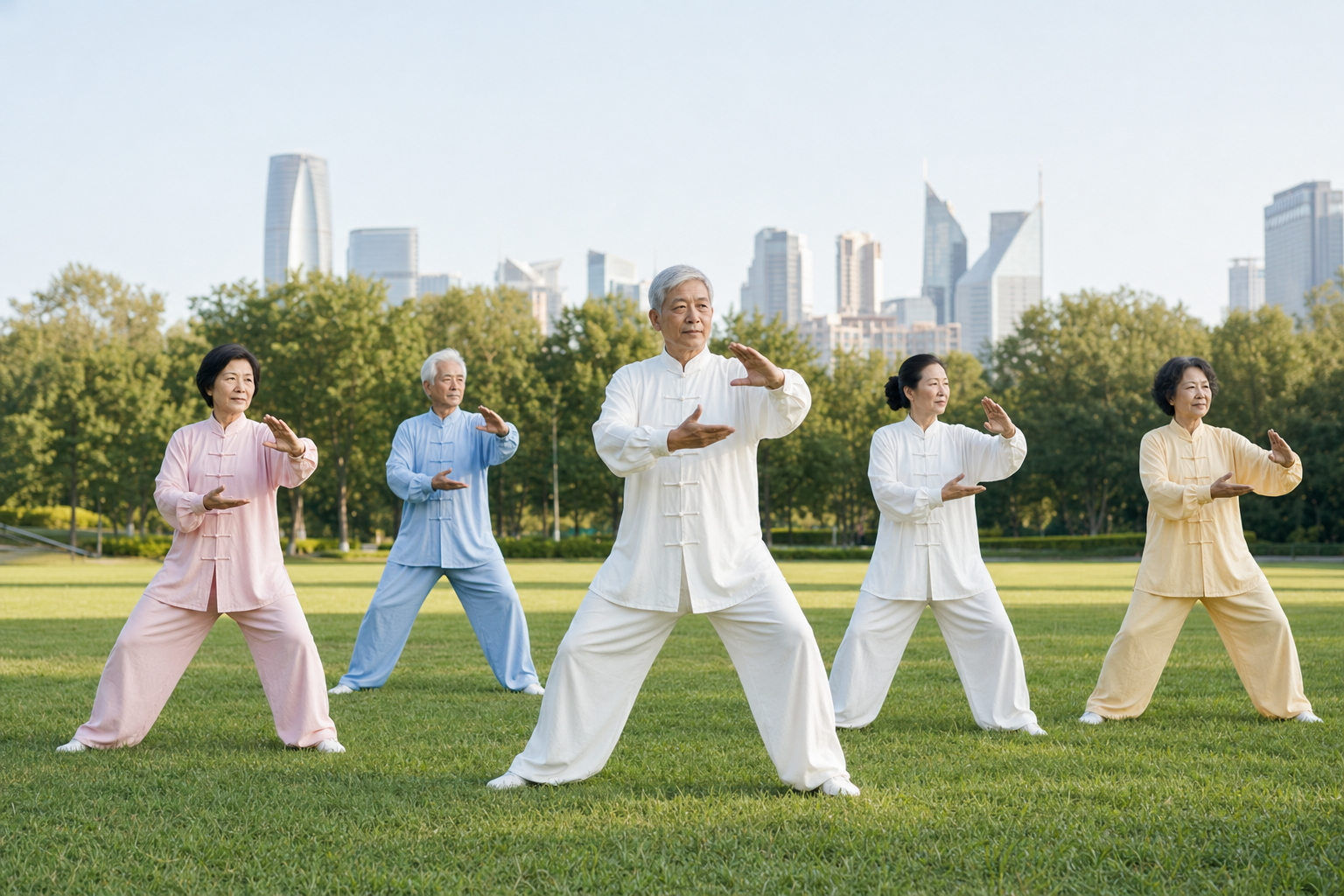
Tai Chi Benefits for Arthritis and Balance: Honest Answers from a Skeptic-Turned-Believer
I still remember the first time a patient asked me about tai chi. This was back in 2008—a spry 62-year-old named Linda, who’d been through more rounds of physical therapy than she cared to admit. She looked me dead in the eye and said, “Jim, what about that slow-motion kung fu? My cousin swears by it.” At the time, I’ll admit—I was skeptical. I’d spent years studying exercise science, dissecting research on resistance training and joint mechanics, but gentle group exercise in a city park? I wasn’t convinced. But then Linda brought me a study from Arthritis & Rheumatology and challenged me to read it. That was the start of a journey that changed my entire approach to arthritis care.
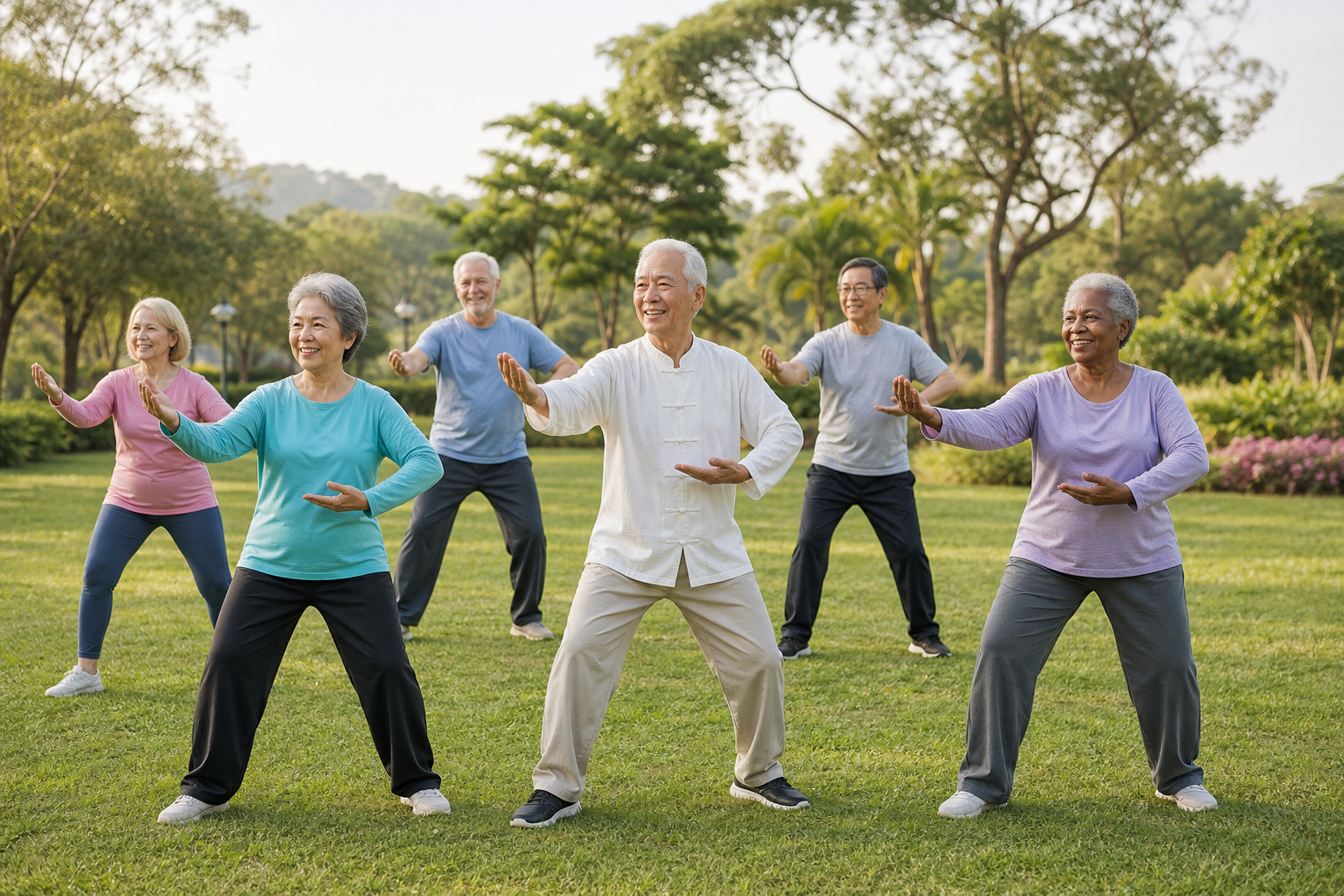
If You’re Stiff and Wobbly, You’re Not Alone
Look, if you’re dealing with arthritis or balance issues—especially over 50—most days aren’t a walk in the park. I’ve lost count of how many clients confided, “I’m afraid to walk downstairs,” or “My knee just doesn’t feel steady.” The data’s sobering: According to the CDC, 1 in 4 adults over 65 falls each year—and arthritis is one of the biggest culprits. Joint pain, muscle weakness, and that nagging instability all pile up, making everyday movements a mini-adventure in risk management. I know firsthand that the fear is real. My own mother-in-law (diagnosed with osteoarthritis in both knees) used to clutch every railing in sight. She’d tried meds, ice packs, even acupuncture. Tai chi? She thought it was just slow dancing. But as it turns out, there’s more to those slow, flowing movements than meets the eye.
What Tai Chi Actually Does for Your Joints and Balance
Let’s get specific—because that’s what matters. Tai chi is a low-impact exercise originating from ancient Chinese martial arts. Instead of jerky, high-force actions, it’s all about slow, deliberate movements paired with deep breathing and focused attention. Here’s where it gets interesting: Multiple studies (see 2016, BMJ Open Sport & Exercise Medicine) show that practicing tai chi 2-3 times a week can significantly improve pain, stiffness, and balance for people with knee or hip arthritis.
And I’m not talking about minor results. In a 2015 randomized controlled trial in the Annals of Internal Medicine, tai chi was found to improve pain and physical function in knee osteoarthritis just as much as standard physical therapy. That’s huge. Participants practiced for 12 weeks, roughly 60 minutes per session, and by the end, reported less pain going up stairs and fewer wobbly moments while walking. The cherry on top: The improvements lasted well beyond the end of the program.
The Real Mechanisms: Not Just "Mind-Body Magic"
Here’s what’s actually happening beneath the surface (I geek out over this stuff):
- Muscle Activation: Tai chi gently activates the muscles around your joints—especially quads, glutes, and calves—without overloading them. It’s like physical therapy, but smoother.
- Joint Lubrication: The slow, rhythmic transitions help “oil” your synovial joints, increasing fluid movement. That means less stiffness after sitting or sleeping.
- Balance Training: Every movement in tai chi challenges your proprioception (your body’s sense of joint position), which is critical for fall prevention. Over time, your nervous system adapts—think of it as a tune-up for your balance circuits.
- Endorphin Boost: Just 30 minutes of gentle movement is enough to trigger pain-relieving endorphins. No treadmill required.
If you’re nodding along, you’re not alone—hundreds of my clients have felt these shifts within the first month.
What Does the Science Really Say?
Okay, time for some numbers. The Journal of Rheumatology published a meta-analysis in 2019, reviewing 18 high-quality studies on tai chi for arthritis. The results?
- Average pain reduction: 20-25% versus control groups.
- Stiffness scores dropped by up to 30%.
- Improved 1-leg balance time by nearly 40% on average.
- Bonus—participants reported less anxiety and better sleep (probably that deep breathing).
There’s more. A big 2020 review from Arthritis Care & Research flagged tai chi as “strongly recommended” for knee and hip OA by the American College of Rheumatology. This isn’t fringe science—it’s mainstream arthritis care now.
But here’s the real kicker: You don’t need to be coordinated, flexible, or even pain-free to start. Several studies included participants with moderate-to-severe arthritis. Some even had joint replacements! Tai chi is gentle, adaptable, and—unlike most exercise fads—requires zero special equipment or gym memberships.
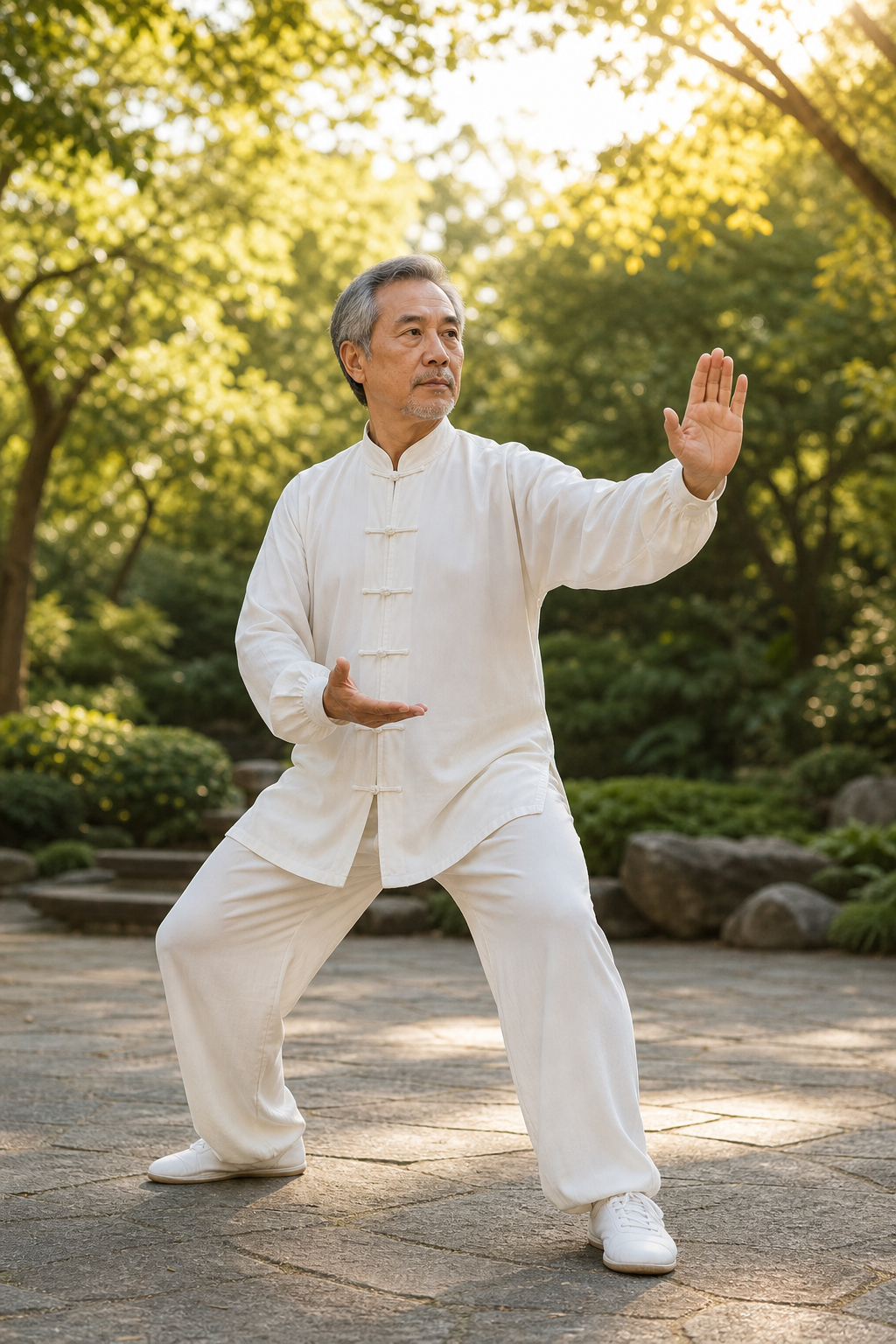
So, How Do You Actually Get Started?
Here’s the thing: The best results come from consistency—usually 2-3 sessions per week, 45-60 minutes each. That said, even 10-15 minutes daily can make a noticeable difference. There are local classes (check your senior center or YMCA), online videos, and even DVDs. Quick tip: Look for instructors with experience in medical or geriatric populations. I’ve seen too many folks frustrated by classes that are too fast, too complex, or too “martial artsy.”
For anyone nervous about getting started safely—which, let’s be honest, is most of us with cranky joints—I often recommend pairing tai chi with gentle home routines. One affordable resource I’ve come to trust is Treat Your Own Knees by Jim Johnson. It’s packed with simple, research-backed moves that complement any tai chi regimen. (Full disclosure: I once gave this book as a gift to my own father. He still uses it as a reference whenever his knees act up.)
Common Concerns: Will Tai Chi Hurt My Knees? Is It Actually Safe?
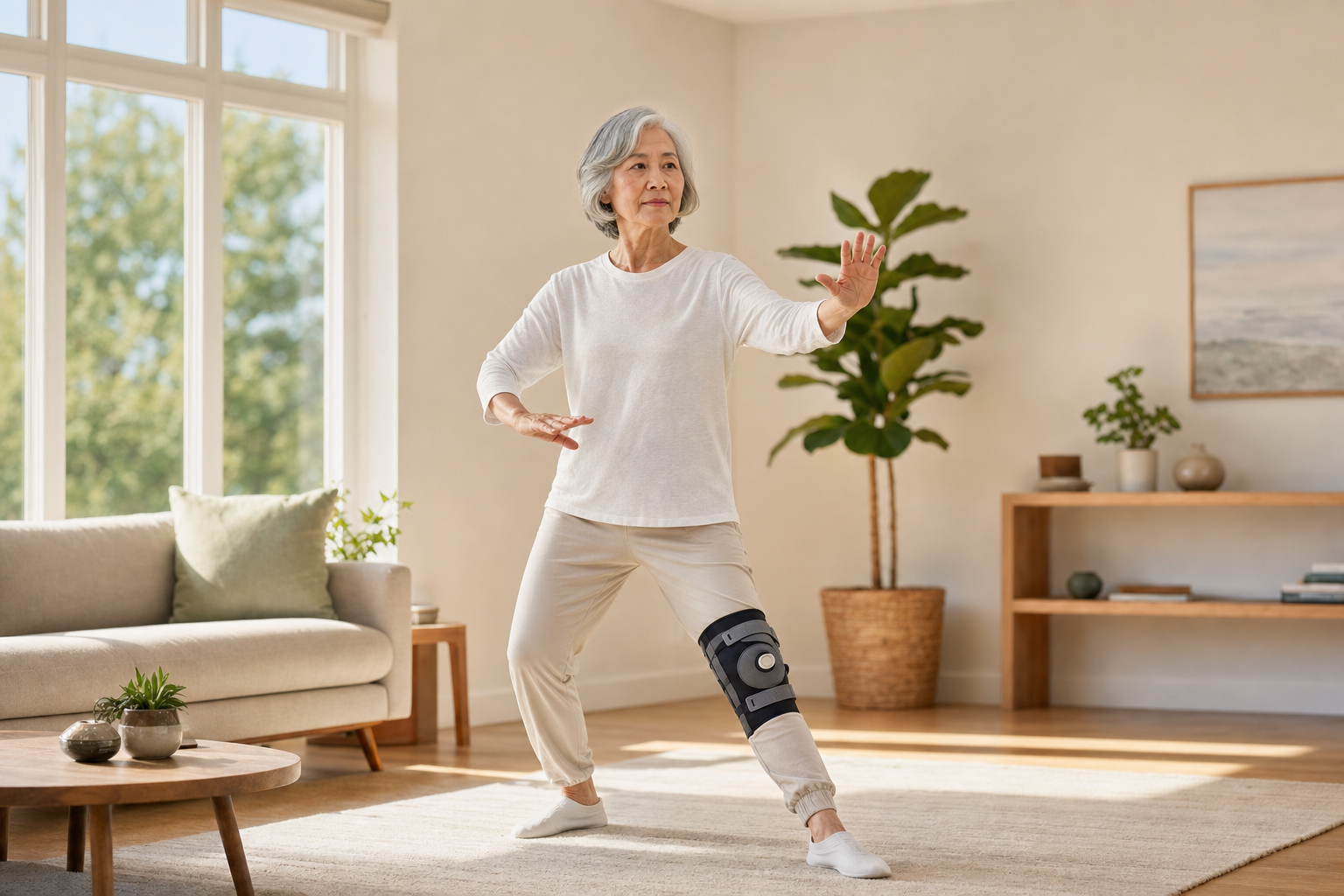
I hear this all the time. Tai chi is exceptionally gentle, but if you’re worried about flare-ups or instability, there are smart ways to add extra support. Some of my clients use well-reviewed knee supports, such as the NEENCA Professional Knee Brace. Medical-grade construction, adjustable fit, and patella gel pads mean you can move through those tai chi steps with less worry. (Just don’t wear it too tight—you want support, not a tourniquet.)
And if joint pain flares up, topical relief like Voltaren Arthritis Pain Gel can be a lifesaver. It’s FDA-approved and actually proven to reduce arthritis pain (check the label: 1% diclofenac sodium). I recommend it to folks who want to stay active between classes or calm a cranky joint after a session. As always, talk to your doctor before starting any new exercise or using new pain products, especially if you have existing conditions or are on medications.
Tai Chi vs. Yoga, Walking, and Strength Training: How Does It Compare?
Look, I’m not knocking any form of movement. But here’s where tai chi really shines for arthritis and balance:
- Yoga: Great for flexibility, but many poses put more strain on wrists, knees, and hips. Plus, balance poses can be intimidating without support.
- Walking: Fantastic, but doesn’t challenge your balance or proprioception in the same way. Pavement pounding can aggravate joint pain.
- Strength Training: Critical for long-term joint health, but intimidating for many beginners. Tai chi offers a middle ground—gentle resistance through controlled movement.
Most articles gloss over this, but I’ve found that mixing tai chi with other activities (even 1-2x/week) creates the best results for my clients. Less fatigue, less stiffness, and—no question—more smiles.
Tips to Get the Most Out of Tai Chi—Even If You’re a Total Beginner
Here’s what I tell my own patients:
- Start slow. Focus on 3-4 basic forms (movements). “Cloud Hands” and “Parting the Wild Horse’s Mane” are two beginner-friendly options—YouTube has dozens of reputable demonstrations.
- Don’t worry about memorizing routines. It’s the mindful movement that matters, not a perfect performance.
- Listen to your joints. If a movement causes sharp pain, skip it or adjust your stance. Gentle discomfort is okay; shooting pain isn’t.
- Use props if needed. A sturdy chair or countertop can help with balance as you learn. No shame in playing it safe.
- Consider supportive gear. Braces, topical gels, and simple reference books can fill in the gaps and keep you motivated.
What I’ve Seen Firsthand (Plus a Few Surprises)
Over 15 years, I’ve watched dozens of folks transform through tai chi. There was Tom, age 71, who went from relying on a cane to regular walks after six months of tai chi. Or Mary, post-knee replacement, who said, “Tai chi made me trust my new knee.” And my own mother-in-law? She joined a class three months after her diagnosis. She still brings me her progress reports (usually with homemade dumplings as a bribe for more tips).
But it’s not a magic bullet. If you struggle with vertigo, severe neuropathy, or advanced arthritis, tai chi alone might not suffice. Always clear new activities with your healthcare team, especially if you’ve had recent falls or surgeries. And be patient—the benefits build up gradually, like compound interest.
Key Takeaways: Is Tai Chi Worth It for Arthritis and Balance?
Here’s my honest opinion, from a lifelong “science guy” who had to see it to believe it:
- Tai chi is one of the most evidence-backed, low-risk movement options for arthritis and balance—period.
- You don’t need fancy gear or previous experience. A little curiosity (and maybe a good knee brace or guidebook) goes a long way.
- Consistent practice—just 20-60 minutes a few times a week—can reduce pain, boost balance, and help you trust your body again.
If you’re tired of chasing the next miracle cure, tai chi is refreshingly simple. It’s not flashy, but it works. And honestly? In my practice, it’s been a game-changer for people who’d nearly given up hope on moving pain-free.
If you’re considering tai chi for arthritis, try a session this week. Watch for subtle improvements—less stiffness in the morning, fewer "close calls" with tripping—and celebrate those small wins. Got questions or want to share your experience? I read every email, and I’d love to hear your story.
Stay steady, keep moving, and—if you see a group in the park moving in slow motion—don’t be afraid to join in.
—James Chen, MS, CSCS
JointReliefReviews.com columnist, former tai chi skeptic, now a convert with a soft spot for homemade dumplings