Tai Chi Benefits for Arthritis and Balance: Does It Really Work?
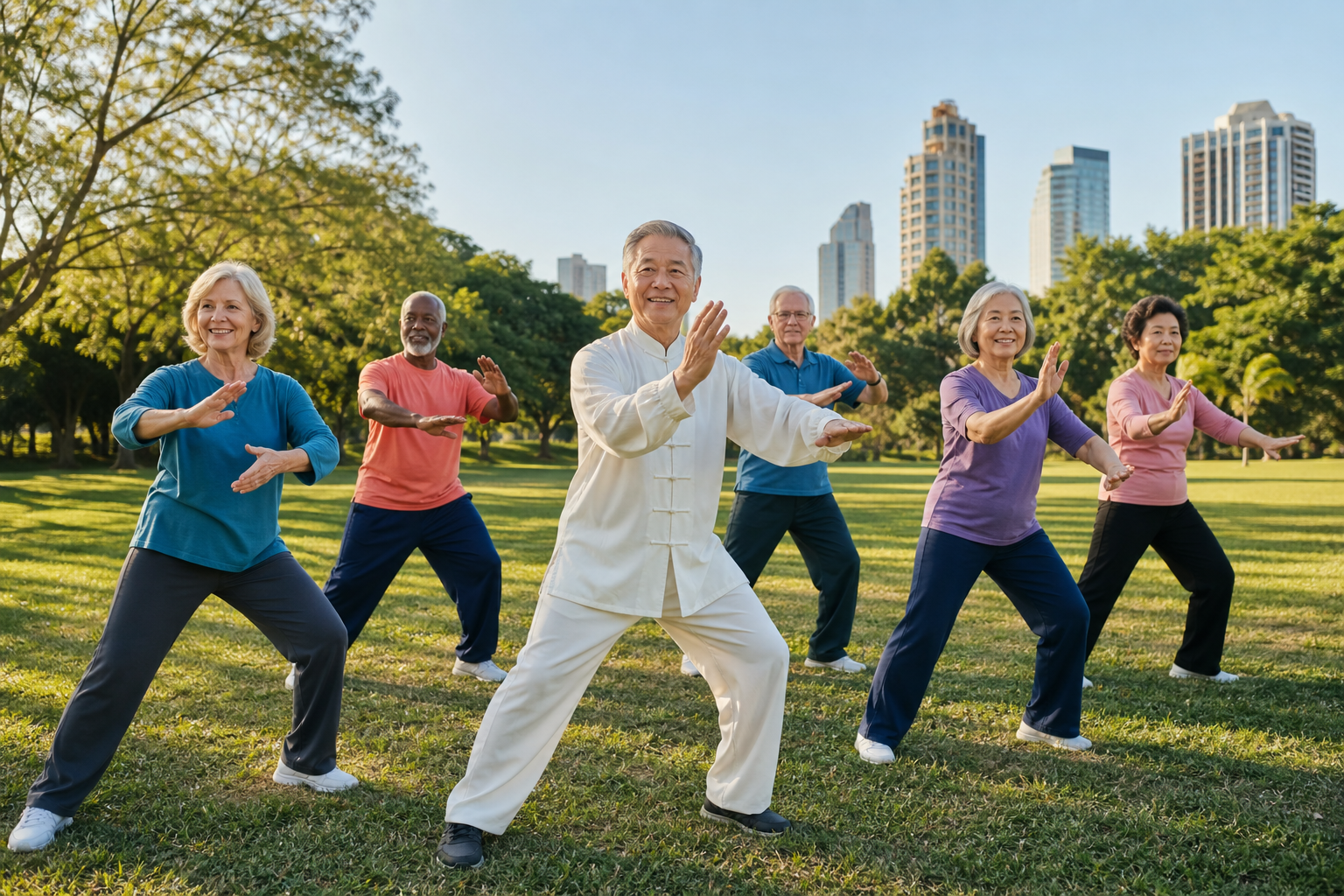
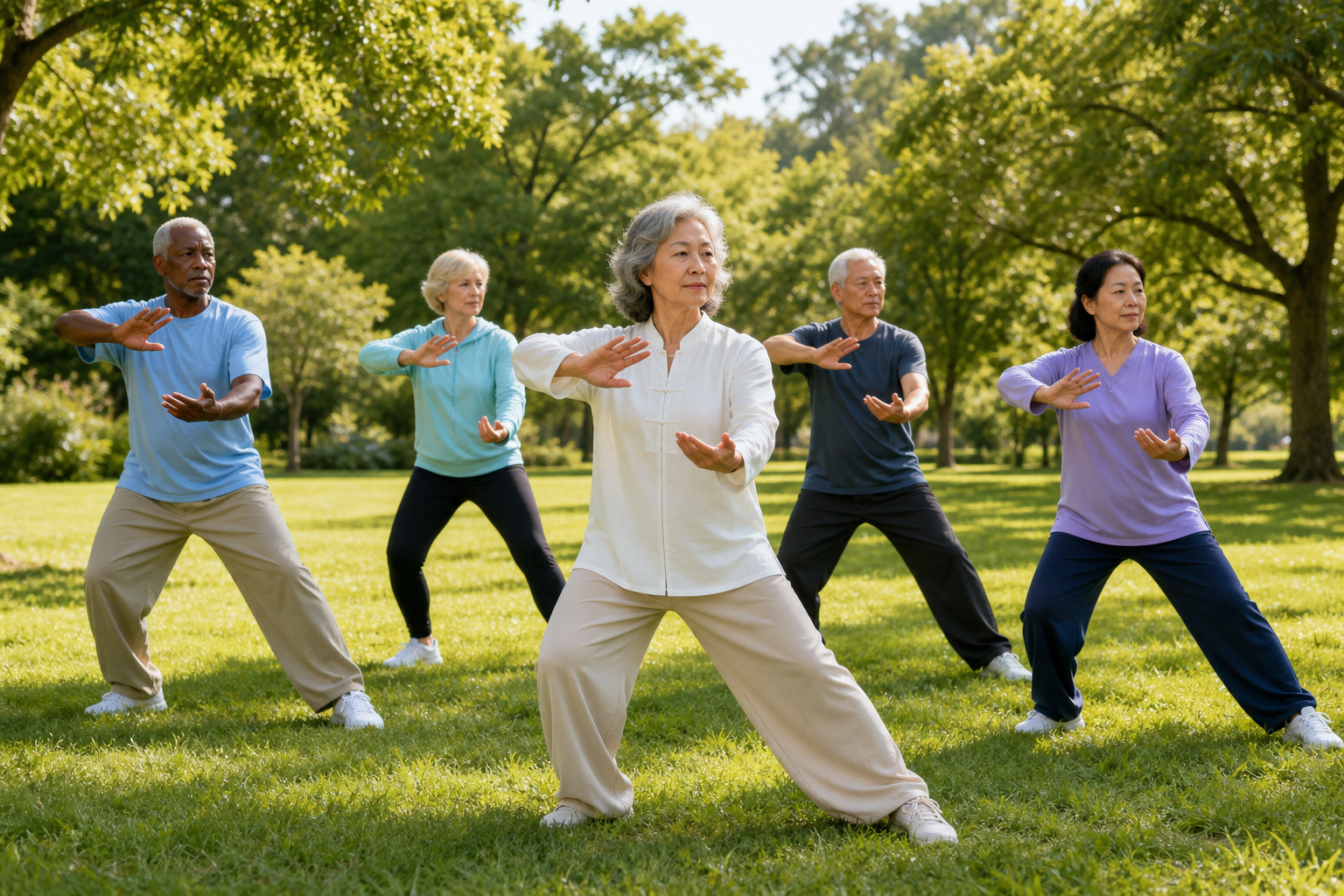
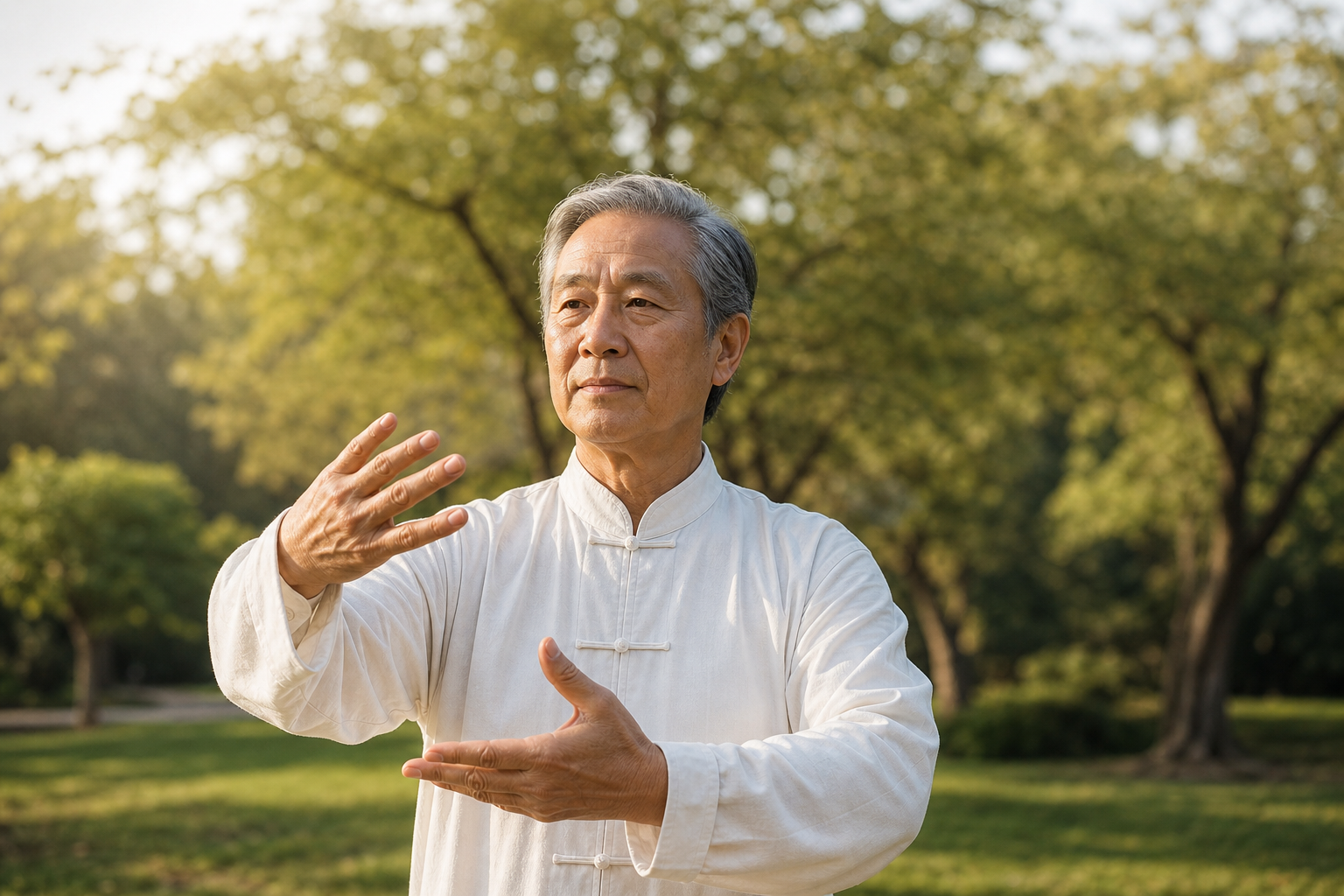
Confession time: the first time I saw a group practicing tai chi in the park, I nearly wrote it off as slow-motion exercise for retirees. That was a mistake. Fast forward a decade, and I’ve advised dozens of patients—not just the over-65 crowd—to try tai chi for arthritis pain and balance. Why? Because the science is finally catching up, and the results are more impressive than most folks realize.
The Daily Frustration of Achy Joints (And Wobbly Balance)
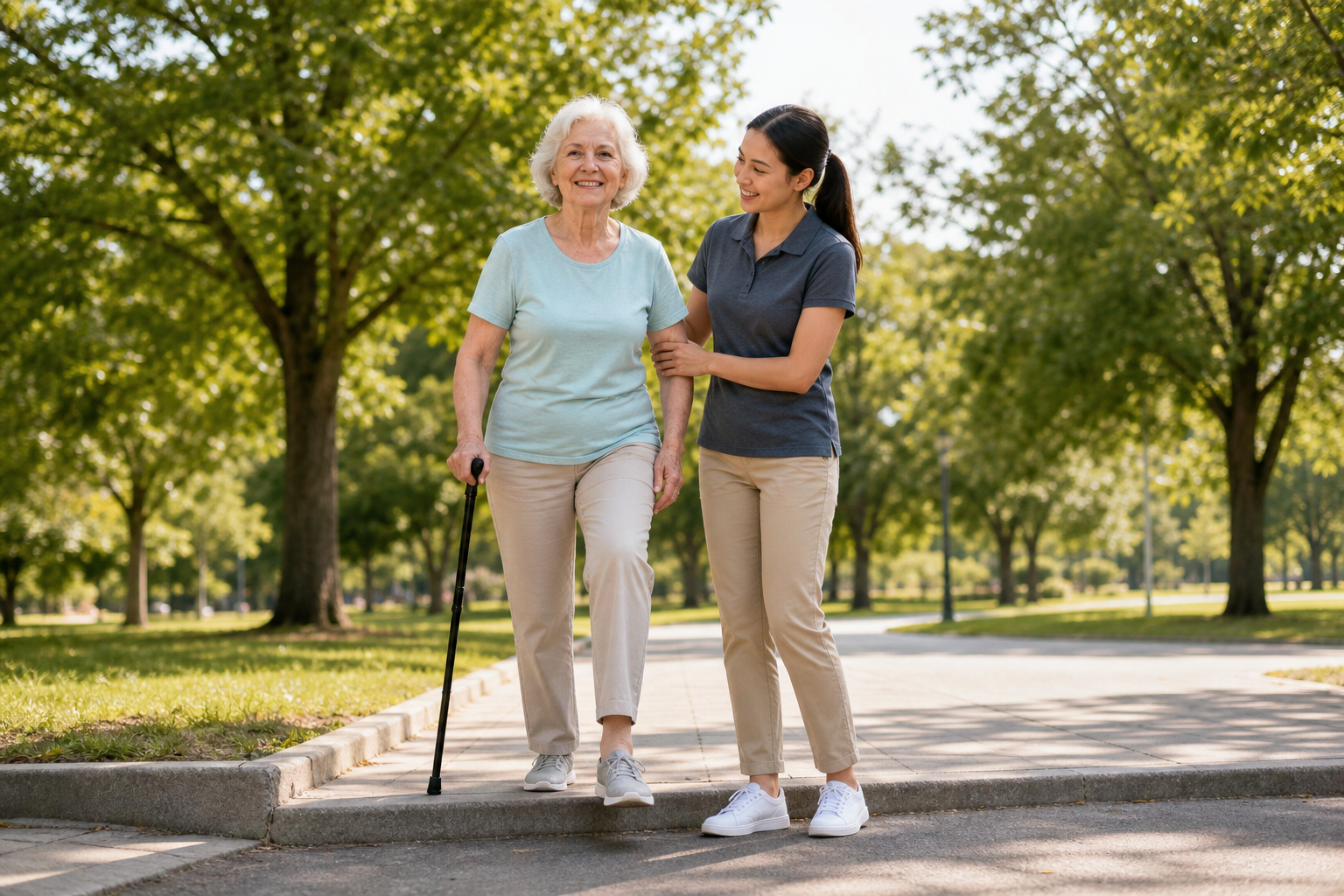
If you’ve ever woken up feeling like the Tin Man—knees creaky, ankles stiff, fingers reluctant to cooperate—trust me, I get it. Arthritis can make the simplest stuff (tying shoes, stepping off a curb) feel like a competitive sport. And here’s the real kicker: as joints get stiffer, you move less. Move less, your balance gets worse. See the vicious cycle?
I’ve had patients who were marathoners in their forties, then barely confident on stairs in their seventies. Others were never "athletes" but just want to walk the dog or prep dinner without fearing a tumble. And every week I hear the same anxiety: "Doc, what if I fall?" Balance and joint health are a package deal—ignore one, the other suffers.
Here’s Where Tai Chi Surprised Me (and the Research Backs It Up)
I’ll be honest—being a science guy, I want data. Stories are great, but I need numbers. So, is tai chi just gentle dance, or does it really help arthritis and balance?
- Arthritis Pain Relief: A 2016 meta-analysis in Arthritis & Rheumatology looked at 9 randomized trials. The result? Tai chi led to “significant improvements” in pain, stiffness, and function for people with knee osteoarthritis. The average pain reduction was nearly 30%. That’s on par with over-the-counter meds—minus the side effects.
- Balance and Fall Prevention: The Journal of the American Geriatrics Society published a 2017 review of 18 studies: people practicing tai chi cut their risk of falling by 43% over 12 months. That’s not a typo. Forty-three percent. That’s huge—especially when you consider that 1 in 4 adults over 65 falls each year.
- Joint Flexibility and Strength: Tai chi isn’t just “moving slowly.” Those flowy motions actually train your leg muscles, core, and even your arms in a surprising way. One study (Wang et al., 2010, Journal of Rheumatology) found tai chi practice 2X/week improved knee range of motion and quad strength almost as much as traditional resistance training in osteoarthritis patients.
If you’re nodding along, you’re not alone. Arthritis isn’t just about pain—it’s about feeling unstable, losing confidence on your feet, and missing out on things you used to love. Tai chi, it turns out, attacks both problems at once.
Why Tai Chi Works: The Science Without the Jargon
Look, you don’t need a PhD in biomechanics to appreciate what’s happening here. But I do get into the weeds, so here’s a quick breakdown (minus the medical gobbledygook):
- Gentle Load-Bearing: The slow, controlled movements put just enough load on joints to stimulate cartilage without aggravating inflammation. Think “motion is lotion,” but smarter.
- Proprioception Training: Tai chi makes you pay attention to where your body is in space. That’s called proprioception. The better your body’s internal “GPS,” the less likely you are to trip or stumble.
- Mind-Body Link: This is the part people roll their eyes at—until they try it. Tai chi practitioners report less pain, less anxiety, and better sleep. There’s even research (BMJ Open, 2013) showing brain changes! Yes, actual MRI-documented neuroplasticity from tai chi.
Bottom line? It’s not magic—it’s smart training, delivered gently enough for even the most stubborn arthritic joints.
How to Start Tai Chi for Arthritis and Balance (Without Getting Overwhelmed)
I remember when my mother-in-law tried her first class. She called me after, half-laughing, half-exasperated: “It was like learning choreography for a snail!” The learning curve is real, but here’s some advice I give every patient:
- Group Classes: If you can, start with an in-person class. The camaraderie and real-time feedback help a ton. Look for “Tai Chi for Arthritis” or “Tai Chi for Balance” programs—these are designed with joint protection in mind.
- Home Practice: No classes nearby? There are solid online videos and even DVDs (yes, people still use them!). Start with 10-15 minutes a day. Consistency trumps intensity.
- Modify as Needed: If a move hurts, skip it. Tai chi is endlessly adaptable. Sit for parts if you need to. Your instructor should be knowledgeable about arthritis modifications, but if not, don’t be shy about asking.
And yes, you’ll feel awkward at first. Everyone does. But within weeks, most people report not just less pain, but more confidence on their feet. That’s the real win.
Other Tools That Can Boost Your Progress
Tai chi alone is powerful, but sometimes you need a little more help—especially during pain flares or while building strength. Here’s where I gently recommend a few products that routinely get rave reviews from my own patients:
- Topical Relief: For those days when your knees refuse to play nice, Voltaren Arthritis Pain Gel is a modern miracle. It’s the only non-prescription gel with FDA-approved diclofenac sodium. Studies (2018, BMJ) show it reduces arthritis pain by up to 50% in knees and hands—without the stomach upset of pills. And it’s non-greasy, so you won’t leave fingerprints on your tai chi mat.
- Joint Support Braces: If you feel wobbly—especially in the knees—a quality brace can make practice safer and more comfortable. The NEENCA Professional Knee Brace is a favorite in my clinic. It features side stabilizers and a patella gel pad, so it cushions sensitive joints without restricting movement. Patients tell me it’s comfortable enough to wear all class—or all day.
- Simple Home Exercises: Not strictly tai chi, but if you want a research-backed plan, Treat Your Own Knees by Jim Johnson is the book I hand out most. It’s practical, easy to follow, and—here’s the unpopular truth—the exercises overlap a lot with what I see in tai chi. For $12, it’s a steal.
Of course, none of these are magic bullets. But together with tai chi, they stack the odds in your favor. Talk to your doctor or PT before adding a brace or new topical—especially if you have circulation issues or allergies.
Let’s Go Deeper: What the Latest Research Tells Us
Maybe you want more than anecdotes and Amazon reviews. Fair enough. Here’s where I geek out (and, frankly, why I’m such a tai chi evangelist these days):
- 2019, Annals of Internal Medicine: Compared tai chi with physical therapy for knee OA. Both groups improved pain and function, but the tai chi group reported better mood and satisfaction. Less dropout, too.
- 2022, Cochrane Review: Looked at tai chi for fall prevention. Out of 8,677 participants, those practicing tai chi had “substantially fewer falls” than all other exercise types—including yoga and walking.
- Cost-Effectiveness: This one doesn’t get enough press. A 2020 study found that group tai chi classes delivered more QALYs (quality-adjusted life years) per dollar spent than standard PT for older adults with arthritis—especially when factoring in reduced fall injuries.
Are there limitations? Absolutely. Tai chi isn’t a substitute for surgery if you need it, and it won’t fix advanced cartilage loss. Anyone promising "miracle cures" is overselling you. But for the vast majority—especially those with mild to moderate arthritis looking to stay mobile and steady—it’s a low-risk, high-reward approach.
How Tai Chi Compares to Other Approaches
Look, I love strength training. I’ve written about balance boards, aquatic exercise, and even good old-fashioned walking. They all have merit. But tai chi stands out for arthritis and balance for a few reasons:
- Low Impact: Unlike jogging or plyometrics, tai chi doesn’t hammer your joints. I’ve had patients in their 80s who can’t tolerate other exercise, but thrive in tai chi class.
- Holistic Benefits: The mind-body element isn’t just hype. Reduced anxiety, better sleep, and an overall sense of wellbeing are consistently reported—especially important for those with chronic pain.
- Stickiness: Here’s where it gets interesting: people stick with tai chi much longer than with most other exercise programs. Why? It feels good, there’s social support, and the risk of injury is extremely low.
No, it’s not a cure-all. But I’d argue it’s the most sustainable movement practice for people with arthritis who want to protect their balance. (And, dare I say, have a little fun in the process.)
What to Expect—And When
A lot of new practitioners ask me, "How soon will I notice a difference?" Based on the clinical studies and my patients’ reports, here’s the honest answer:
- First Few Weeks: You’ll likely feel a little clumsy. That’s normal. Stick with it. Most people notice subtle gains in flexibility and mood first (sometimes within 2-3 weeks).
- 4-8 Weeks: This is when pain and stiffness often start to decrease significantly. Confidence walking (especially outdoors or on uneven surfaces) improves for many people.
- 3-6 Months: The real magic happens here. Fall risk drops. Stiff joints move better. And maybe—just maybe—you’ll catch yourself enjoying exercise again.
And remember: always check with your physician before starting any new exercise, especially if you have severe arthritis, recent joint replacement, or heart concerns. Safety first.
Practical Takeaways for Anyone Considering Tai Chi
If you’re still reading, you’re probably at least a little curious. Here are my quick, no-nonsense tips for getting the most out of tai chi for arthritis and balance:
- Start slow. 10-15 minutes daily beats 60 minutes once a week.
- Use videos or books if classes aren’t accessible. Consistency matters more than perfection.
- Add joint-friendly supports (like NEENCA Professional Knee Brace or Voltaren) on tough days.
- Listen to your body and modify movements as needed.
- Stick with it for at least 8-12 weeks before judging results.
I’ve seen patients regain not just mobility, but confidence—and a sense of agency over their bodies. That, to me, is the best outcome of all.
What’s Next?
If you’ve tried tai chi, I’d love to hear your story (seriously, email me!). If you’re still on the fence—maybe this is your nudge. And if you want my honest recommendations for knee-friendly gear or simple home routines, those links above are a good starting place.
Bottom line: you don’t have to settle for creaky joints and worry about falling. Sometimes slow and steady really does win the race.
— Dr. Michael Torres, DC
Chiropractor, Nutrition Counselor, and Joint Pain Columnist