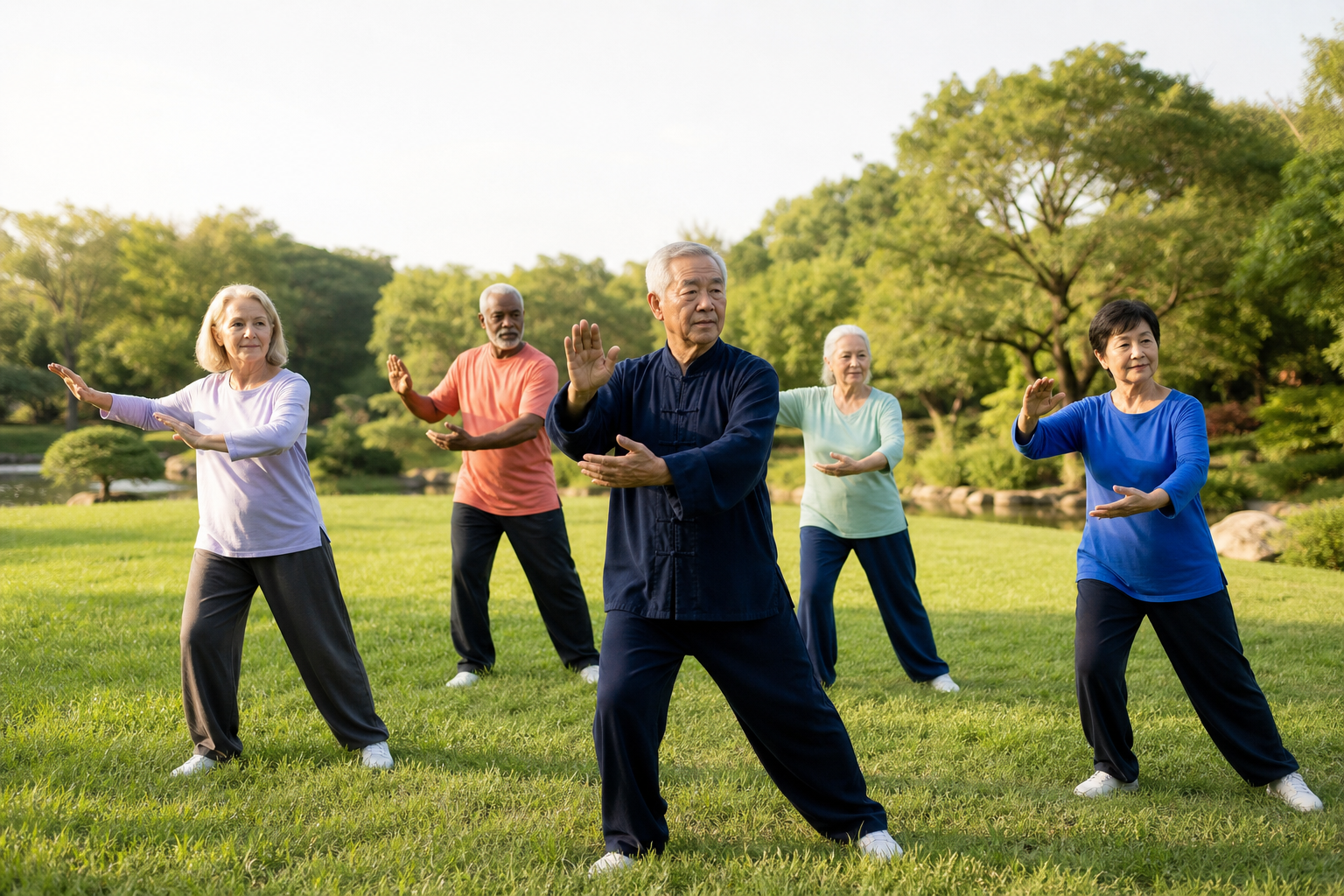
Tai Chi Benefits for Arthritis and Balance: Here’s What Surprised Me Most
Look, I’ll admit it: as someone who spent most of my career in the literal hands-on world of physical therapy, I had my doubts about tai chi. All those slow, careful movements—could they really move the needle for someone with creaky joints or wobbly balance? Then I watched my neighbor, a retired math teacher named Elaine, go from shuffling around her garden to striding through the farmers’ market, all thanks to a low-impact tai chi class at the community center. That’s when I had to dig in—and what I found might surprise you, too.
The Daily Struggle: Why Arthritis and Unsteady Balance Feel Like a Double Whammy
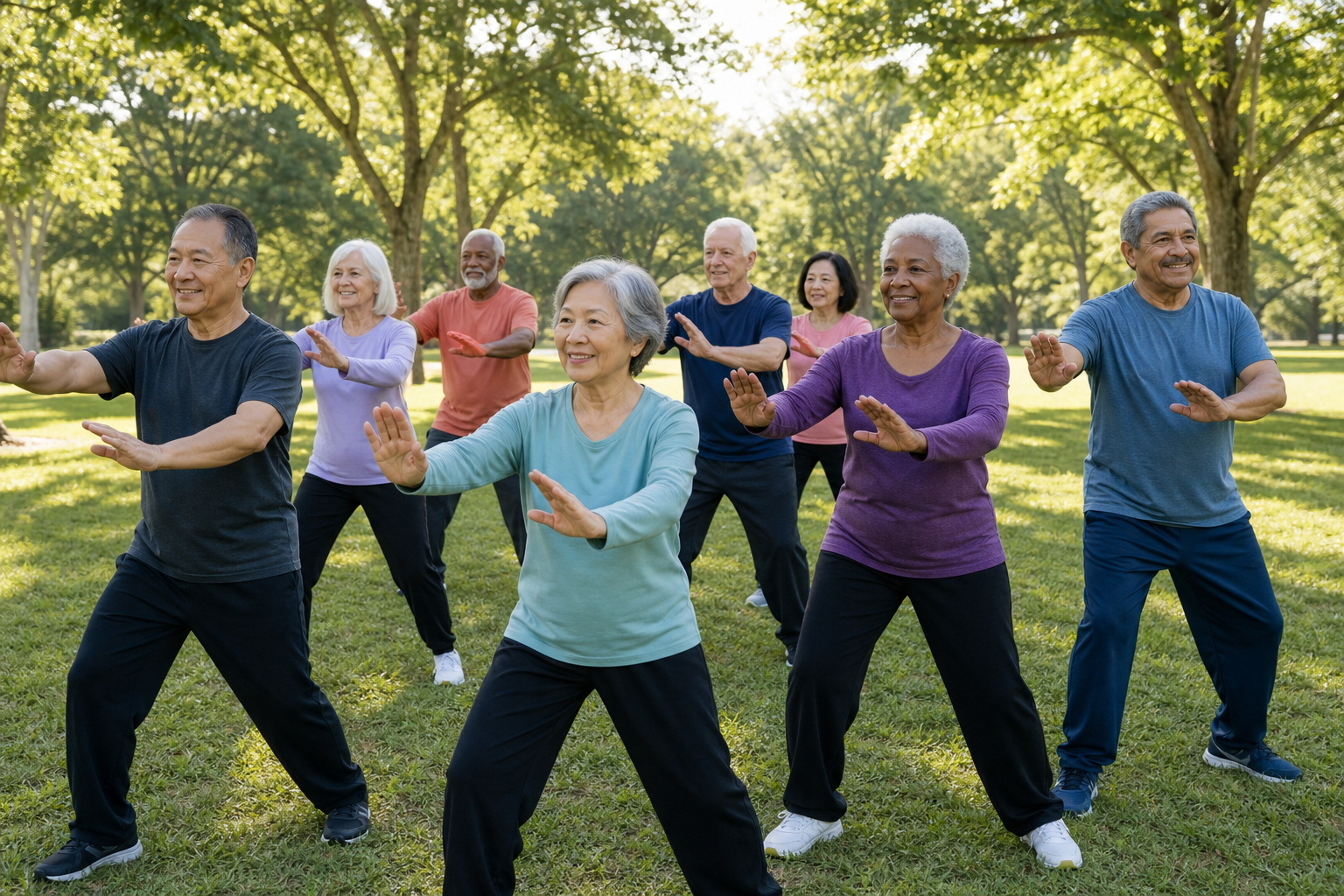
If you’re nodding along, you’re not alone. Arthritis is relentless. It’s morning stiffness, knees that groan with every stair, and hands that feel swollen before breakfast. And then there’s the balance issue—sudden dizziness, the anxiety of tripping outside or even in your own kitchen. Every patient tells me the same thing: “I just want to feel secure on my feet and enjoy my life again.”
You might be dealing with osteoarthritis (the classic wear and tear), or something trickier, like rheumatoid arthritis or lupus. Either way, if you’re struggling, you already know: standard exercise routines can be intimidating, even risky, when pain is a constant companion. That’s exactly why tai chi is turning heads among clinicians like myself—and showing up in journals I trust, like Arthritis & Rheumatology and the Journal of Aging and Physical Activity.
What Makes Tai Chi So Different for Arthritis and Balance?
Here’s the thing: Tai chi is not about brute force or pushing through pain. It’s about low-impact, rhythmic movements that keep joints lubricated, muscles gently active, and—here’s the kicker—your brain deeply engaged. We’re talking about a 700-year-old Chinese practice that’s finally getting its due in Western medicine.
How does it work? Picture this: Instead of pounding pavement or pushing weights, tai chi asks you to shift your weight, move slowly, and coordinate your breathing with each gesture. You’re strengthening your leg muscles, challenging your core, and—almost sneakily—training your nervous system to maintain stability. A 2016 meta-analysis in the Journal of Rheumatology found that tai chi not only improved pain and physical function in knee and hip osteoarthritis patients, but also directly addressed fear of falling and balance confidence. That’s a big deal.
And it’s not just about movement—there’s a mindfulness component here, too. (I know, I know, “mindfulness” gets thrown around everywhere, but hear me out.) The slow, deliberate nature of tai chi helps short-circuit that pain-tension loop. Patients describe feeling “tuned in” to their bodies in a gentler, kinder way. That’s huge for people whose default setting is “brace for pain.”
Breaking Down the Science: Tai Chi for Arthritis Pain
Let’s get specific. Back in 2009, a randomized controlled trial in the New England Journal of Medicine looked at people with knee osteoarthritis: 40 minutes of tai chi, twice a week, for 12 weeks. Result? They reported less pain, less stiffness, and improved physical function, compared to the education-only group. Pain scores dropped by nearly 20% on average. Those aren’t just rounding errors—patients were able to get up and down from chairs, walk further, and even sleep better.
More recently, a 2021 review in BMJ Open analyzed 15 different studies, covering over 1,200 people, and concluded that yes, tai chi beats sedentary living—and even some conventional exercise—for both pain relief and improved mobility in osteoarthritis. The researchers were cautious (no miracle cures here), but the trend was clear: Regular tai chi was linked to meaningful, day-to-day improvements for real people.
Now, I’m not claiming tai chi will rebuild your cartilage or replace your medications overnight. But if your goal is to hurt less, move more, and do it safely—tai chi is looking pretty compelling.
Why Tai Chi May Boost Balance (and Confidence) Too
Let’s switch gears to balance. I’ve lost count of how many patients tell me, “I’m terrified of falling.” This isn’t just about bruises or embarrassment—falls are the number one reason for serious injury in people over 65. Here’s where tai chi gets interesting: every slow-motion shift, every controlled transition from one leg to the other, is a mini-balance challenge.
Harvard Medical School has highlighted studies showing that tai chi reduces falls by up to 45% in older adults over a year compared to standard stretching (2012, JAMA Internal Medicine). That’s not marketing hype—that’s a real risk reduction for people who need it most. The practice builds what I call “dynamic stability”—the ability to stay upright, react quickly, and recover from little wobbles before they turn into disasters.
And it’s not just physical. Tai chi appears to retrain the body’s sense of where it is in space (proprioception), which is often impaired in arthritis. Patients feel more sure-footed, less anxious, and less likely to freeze up in challenging situations (like stepping off a curb or dodging a runaway dog—yes, this happened to a patient last April!).
The Must-Know Details: How Often, How Long, and Who Can Try Tai Chi?
Okay, you’re curious. What does it look like in real life? Research protocols vary, but most benefits show up with 2-3 sessions per week, about 30 to 60 minutes each. You don’t need a background in martial arts—just a willingness to move gently and pay attention. In fact, some of the best tai chi classes I’ve seen are taught specifically for people with arthritis or mobility limitations.
I usually recommend starting with a certified instructor if you can find one (bonus points for arthritis-specific programs). There are also excellent online options and DVDs for home use, though nothing beats real-time feedback if you’re new and worried about form. And here’s a little secret: even seated tai chi can provide measurable joint and balance benefits, especially for folks with severe mobility issues.
Of course, check with your physician or physical therapist before starting, especially if you have heart issues, severe neuropathy, or recent joint surgery. Safety first—always.
What Real Patients Tell Me (And What I’ve Seen That Studies Can’t Capture)
Here’s where my clinical experience comes in. Patients don’t just report less pain—they talk about feeling more “in control” of their bodies. One woman with moderate knee arthritis told me she was able to stand at her granddaughter’s piano recital for the first time in years. Another, a retired firefighter, found he could get out of the tub without that split-second of panic. These aren’t numbers on a graph; these are wins that matter.
Let’s be honest: not everyone loves tai chi. Some people find it too slow, others get frustrated by the choreography, and a few want something more sweat-inducing. But for those who stick with it—even if it’s just a couple times per week—the payoff in confidence and day-to-day comfort is real. I’ve seen it. And as someone who’s reviewed dozens of joint support products over the years, I can tell you this: tai chi isn’t a magic bullet, but it’s one of the best “side effect-free” tools we have.
How to Maximize Results: My Top Tips (and Helpful Tools)
Now, I want to be practical. Tai chi is a fantastic practice, but some days your joints will still protest. That’s where a few smart tools come in handy—both for pain management and to make getting started a little easier.
- Supportive Surfaces: If you have trouble with balance, start your tai chi sessions barefoot on a nonslip mat or carpet. Hard floors can be brutal for sore knees, especially in winter.
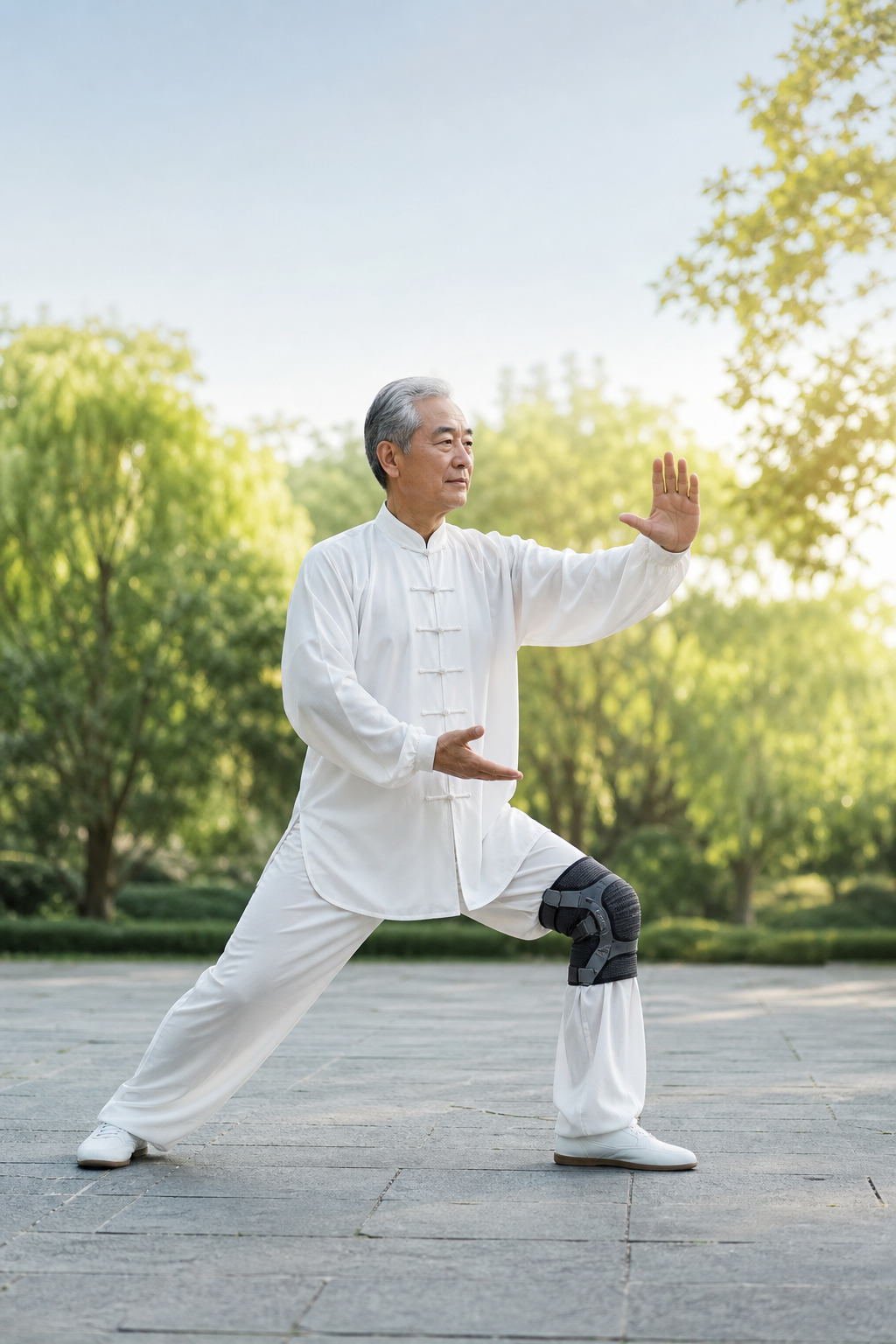
- Joint Protection: Some of my knee arthritis patients swear by the NEENCA Professional Knee Brace—it’s medical-grade, has side stabilizers, and the patella gel pad can make those controlled knee bends a lot more comfortable. Not everyone needs it, but if you’re worried about your knees buckling during transitions, it’s worth a try.
- Pain Relief (Topical): I’ll be honest—on days when pain flares, some of my clients use Voltaren Arthritis Pain Gel before or after practice. Diclofenac sodium is FDA-approved for arthritis, and the non-greasy formula makes it easy to apply without mess. Again, talk to your doctor, especially if you’re already using oral NSAIDs.
- Guided Routines: If you’re just not sure where to begin (or you’re more comfortable at home), I often recommend supplementing live classes with clear, research-backed guides. Treat Your Own Knees by Jim Johnson isn’t specifically about tai chi, but its simple at-home exercises pair beautifully for building strength and flexibility in arthritic joints. The illustrations are refreshingly clear, which helps if you feel overwhelmed by new movement patterns.
Bottom line: don’t try to “push through” pain if your joints are screaming. Use the tools and supports that make movement possible, and be patient with your progress. Rome wasn’t built in a day—and neither is dynamic balance.
The Controversy: Does Tai Chi Really Beat “Conventional” Exercise?
Now, this is where I break with some of my colleagues. I know it’s unpopular, but I don’t think tai chi should completely replace basic strength or aerobic work for everyone. The best outcomes I’ve seen (and the best data, frankly) come from people who combine tai chi with safe walking, light resistance moves, and a little flexibility training. Tai chi is a powerful addition—not a cure-all.
There’s also debate about style: “Yang,” “Sun,” and “Chen” are the most studied forms for arthritis and balance, but at beginner levels, I don’t think the style matters as much as the instructor’s understanding of joint safety. If you’re tempted to join a class, ask about arthritis-friendly modifications and don’t be afraid to watch a session before jumping in.
Digging Deeper: Why So Many Doctors Are Now Recommending Tai Chi
Here’s something most wellness articles won’t say: until recently, doctors were actually discouraged from recommending tai chi. There just wasn’t enough clinical evidence. But the tide is turning. In 2019, the American College of Rheumatology included tai chi in its official guidelines for hand, hip, and knee osteoarthritis management—right alongside physical therapy and exercise. That’s a huge shift.
What changed? Frankly, the patient stories I’m hearing are now backed by solid data. Tai chi appears safe for all but the most unstable medical conditions, and it’s adaptable for nearly every age group. Plus, the risk of injury is vanishingly low compared to, say, unsupervised weightlifting or high-impact aerobics.
Will it work for everyone? No—nothing does. But if you’re tired of feeling like a fall risk or you’re frustrated by exercise advice that just feels out of reach, tai chi offers a viable (and frankly, enjoyable) alternative. Even the skeptics are coming around.
My Final Takeaways: Small Steps, Big Payoff
I’ve spent years helping people manage pain, regain confidence, and rediscover movement. Here’s what I tell every patient considering tai chi for arthritis and balance:
- Start slow and keep expectations reasonable. You’ll likely notice more ease of movement and steadier balance within a month, but lasting change takes time.
- Pair tai chi with joint-friendly tools or exercises for even better results. Use a brace, topical gel, or clear instructional guide as needed—no shame in needing extra support.
- Tune in to your body. Tai chi is as much about awareness as it is about movement. If a particular gesture feels wrong, skip it or ask your instructor for a modification.
- Most importantly: don’t let perfect be the enemy of good. Even a few minutes a day can help. The more you show up, the easier it gets.
And look—if you’re still on the fence or you want a little more data, ask your doctor or physical therapist to recommend local resources or safe online classes. You might just surprise yourself, the same way Elaine did.
If you’ve tried tai chi—or you’re thinking about it—let me know how it goes. Your stories help shape what I recommend to others, and I’d love to hear from you.
Dr. Michael Torres, DC
Licensed chiropractor, certified nutrition counselor, and regular contributor to JointReliefReviews.com. I’ve spent over a decade helping people move smarter and feel better. Questions? Drop me a line anytime.