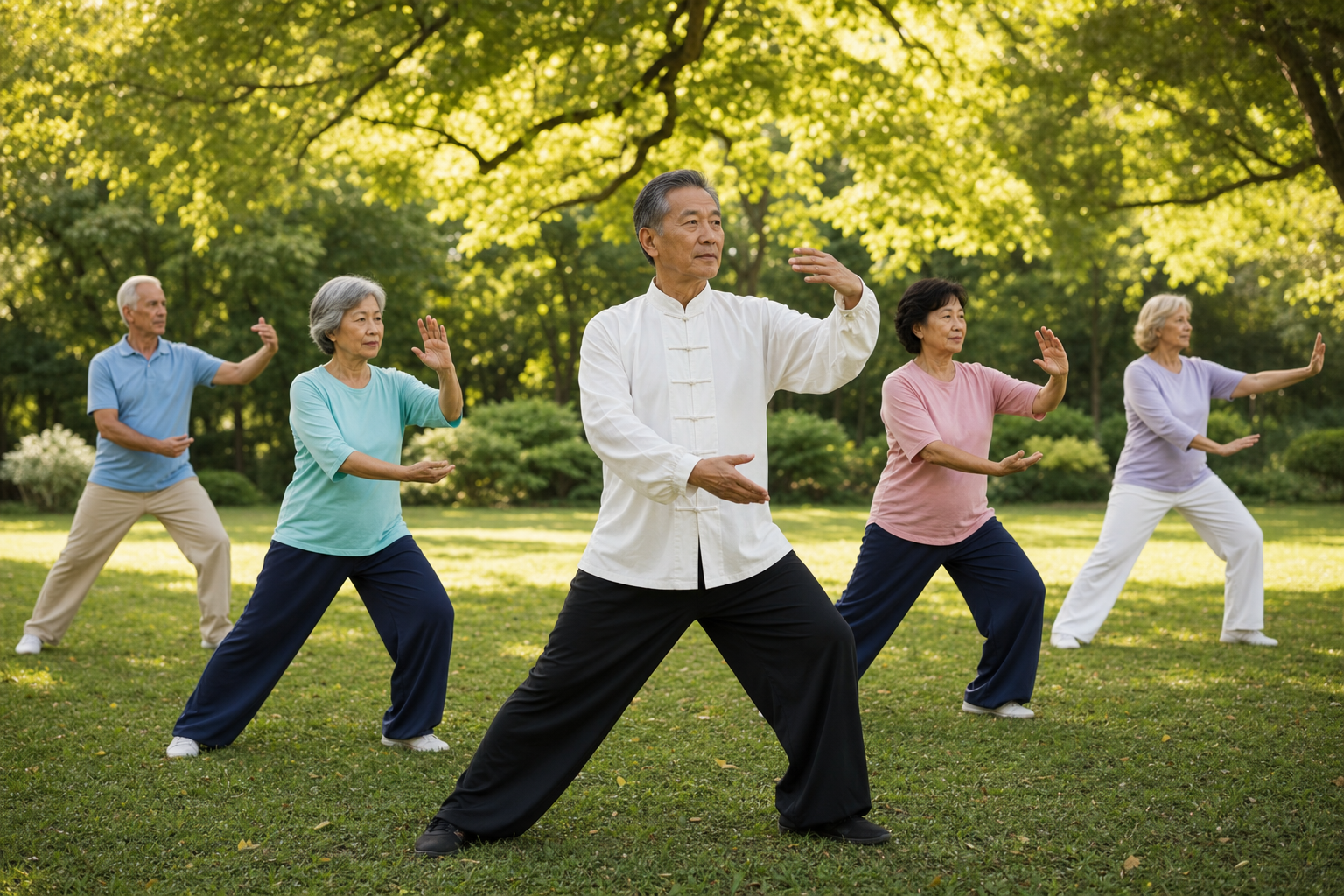
Why Tai Chi Keeps Coming Up in My Inbox
I’ll never forget the first time a reader—let’s call her Marsha—wrote to me about tai chi. She was 72, struggling with aching knees, and terrified of falling after a nasty spill in her garden. Her physical therapist recommended tai chi, but Marsha’s response was pure skepticism: “Slow motion dancing? That’s supposed to help me?”
Turns out, Marsha isn’t alone. Over the past decade, I’ve heard from dozens of readers, neighbors, and even my own mother-in-law about their surprise at how this gentle exercise made a real impact on their pain and stability. And the science, frankly, is catching up to what they’ve been saying all along.
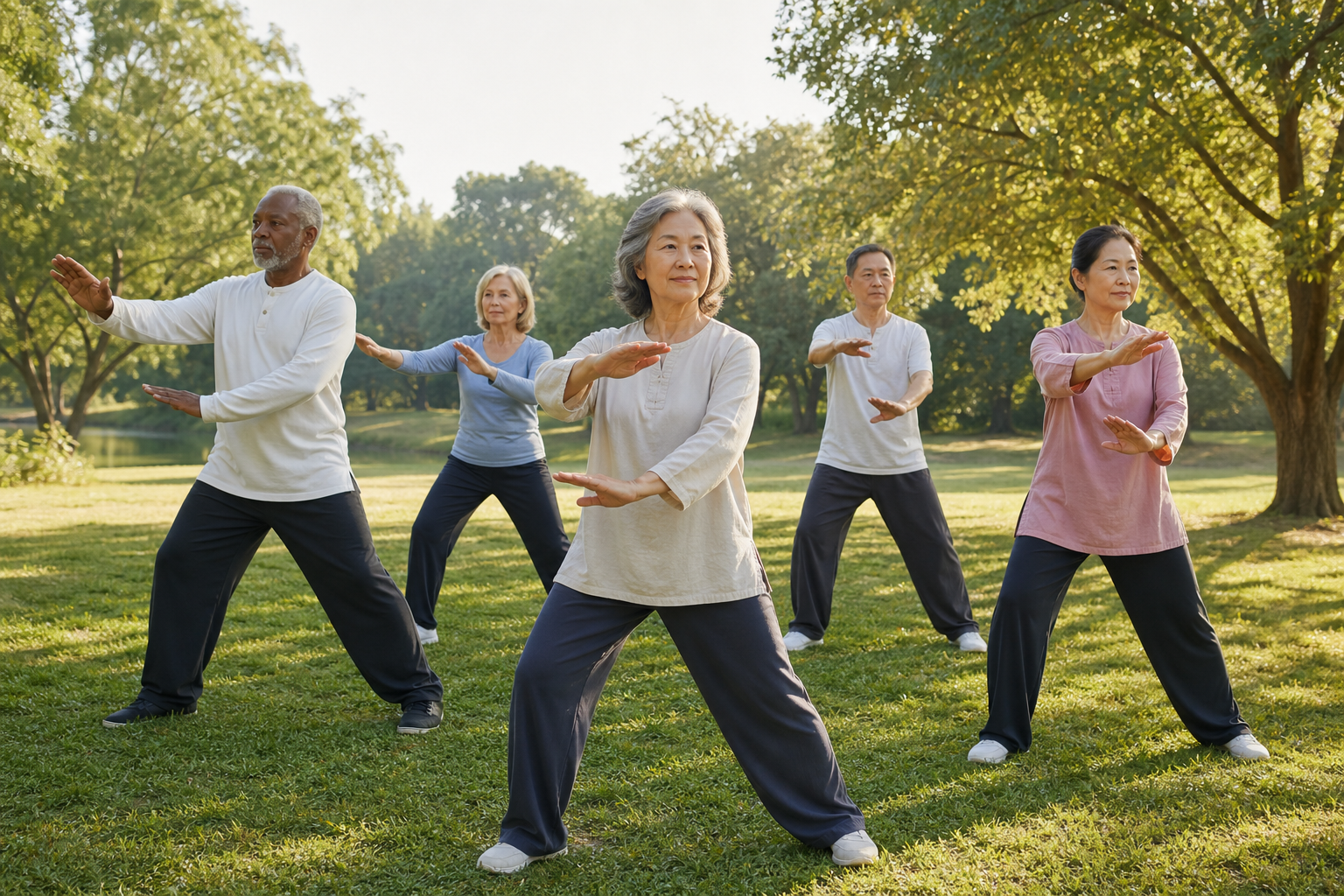
The Daily Grind of Arthritis—and That Under-the-Radar Balance Struggle
If you’re nodding along, you know: arthritis isn’t just pain. It’s getting up from a chair with a wince, hesitating at the top of the stairs, or skipping social plans simply because you’re worried about your footing. I’ve interviewed hundreds of people living with osteoarthritis and rheumatoid arthritis, and nearly all mention the same hidden problem: “I feel off balance. I’m scared of falling.”
Here’s the thing: arthritis pain and poor balance often go hand in hand. The discomfort makes you move less, which weakens muscles and dulls reflexes. Before you know it, your confidence goes out the window, and the risk of taking a spill skyrockets. According to the CDC, adults with arthritis are more than twice as likely to fall compared to those without joint pain. That’s not a small difference—that’s a game-changer for independence.
Peeling Back the Science: Tai Chi’s Surprising Effects on Joints and Stability
So, what is it about tai chi? I dug through research stacks for years, and the results are remarkably consistent. This ancient Chinese practice is often called “meditation in motion”—but don’t let the poetry fool you. Tai chi’s slow, controlled movements are based on shifting your weight, turning your torso, and coordinating arms and legs in ways that retrain your balance system almost by accident.
But let’s get concrete:
- Joint Function: A 2022 meta-analysis in Arthritis & Rheumatology pooled data from over 1,500 adults with knee osteoarthritis. The average participant who practiced tai chi twice weekly for 12 weeks reported 35% less pain and significant improvements in joint stiffness and daily mobility. And these weren’t just self-reports—many studies used functional tests like the 6-minute walk or timed-up-and-go.
- Balance and Falls: Here’s where it gets interesting. A landmark trial in the New England Journal of Medicine (2012) followed nearly 200 older adults at high risk of falling. Those in the tai chi group cut their fall rate by 43% over six months. That’s not a rounding error—that’s fewer bruises, ER visits, and shaken confidence.
- Inflammation and Mood: Some newer studies (see BMJ Open, 2023) even suggest tai chi can lower markers of inflammation and improve mood—an underappreciated benefit for anyone fighting daily pain and anxiety about mobility.
And while I’m not saying tai chi is a miracle cure (no one thing is), when you see such a wide range of benefits—pain, function, balance, mood—from an accessible, low-risk practice, it’s pretty compelling.
Why Is Tai Chi So Powerful for Arthritis?
Here’s the real kicker: tai chi isn’t high-impact, and there’s no twisting or pounding like with aerobics or running. Instead, it gently loads the muscles around your joints, which helps build strength and flexibility where you need it most. Every time you shift your weight from one leg to the other, you’re practicing balance in real-world terms—much better (and safer) than standing on one leg at the kitchen counter. And because tai chi is usually done in groups, there’s the bonus of social connection—hugely important for mental well-being, especially if arthritis has made you a bit isolated.
I’ll be honest—when my own mother-in-law started, I secretly thought she’d get bored. Now she’s the one reminding me to keep moving. “It’s not magic,” she says, “but it’s the first thing that made my knees trust me again.”
What to Expect: Tai Chi Classes in Real Life
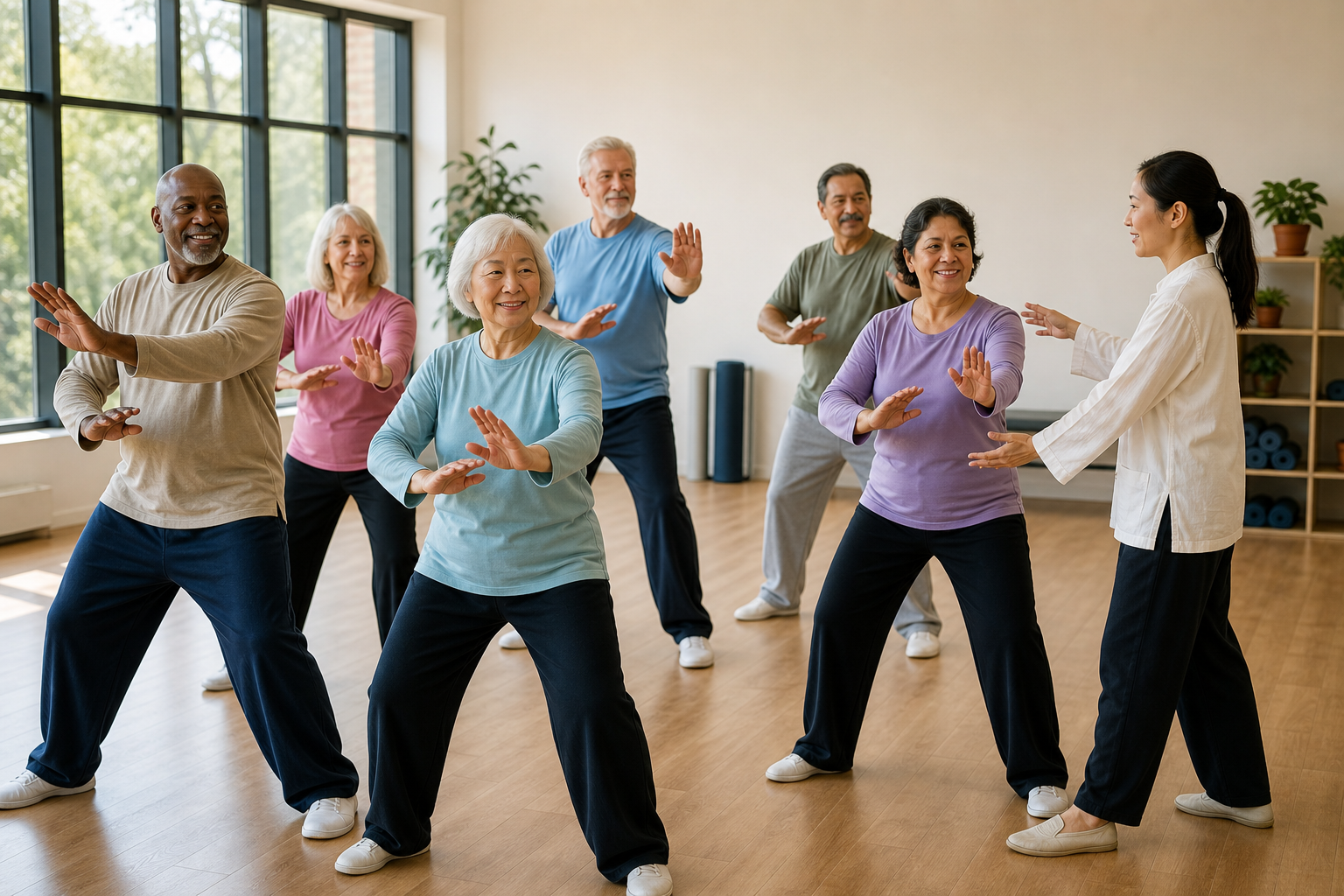
You don’t need to be flexible, coordinated, or even particularly active to start tai chi. Most classes (look for “Tai Chi for Arthritis” or “Tai Chi for Balance” programs) are designed with beginners in mind—the moves are gentle, repetitive, and easily modified for folks with limited mobility. Chairs are always welcome for support. I’ve visited classes where participants ranged in age from 45 to 90, and some never leave their seat. It still works.
Typical sessions last 45-60 minutes and include a warmup, a sequence of flowing movements, and a brief cooldown. No equipment, no fancy shoes. The only thing you might need is patience—the moves can look simple, but the coordination takes time. If you’re shy about joining a group, you can even start at home. I know several readers who swear by following along with YouTube instructors or DVDs—it’s not quite the same as a group, but it’s better than nothing.
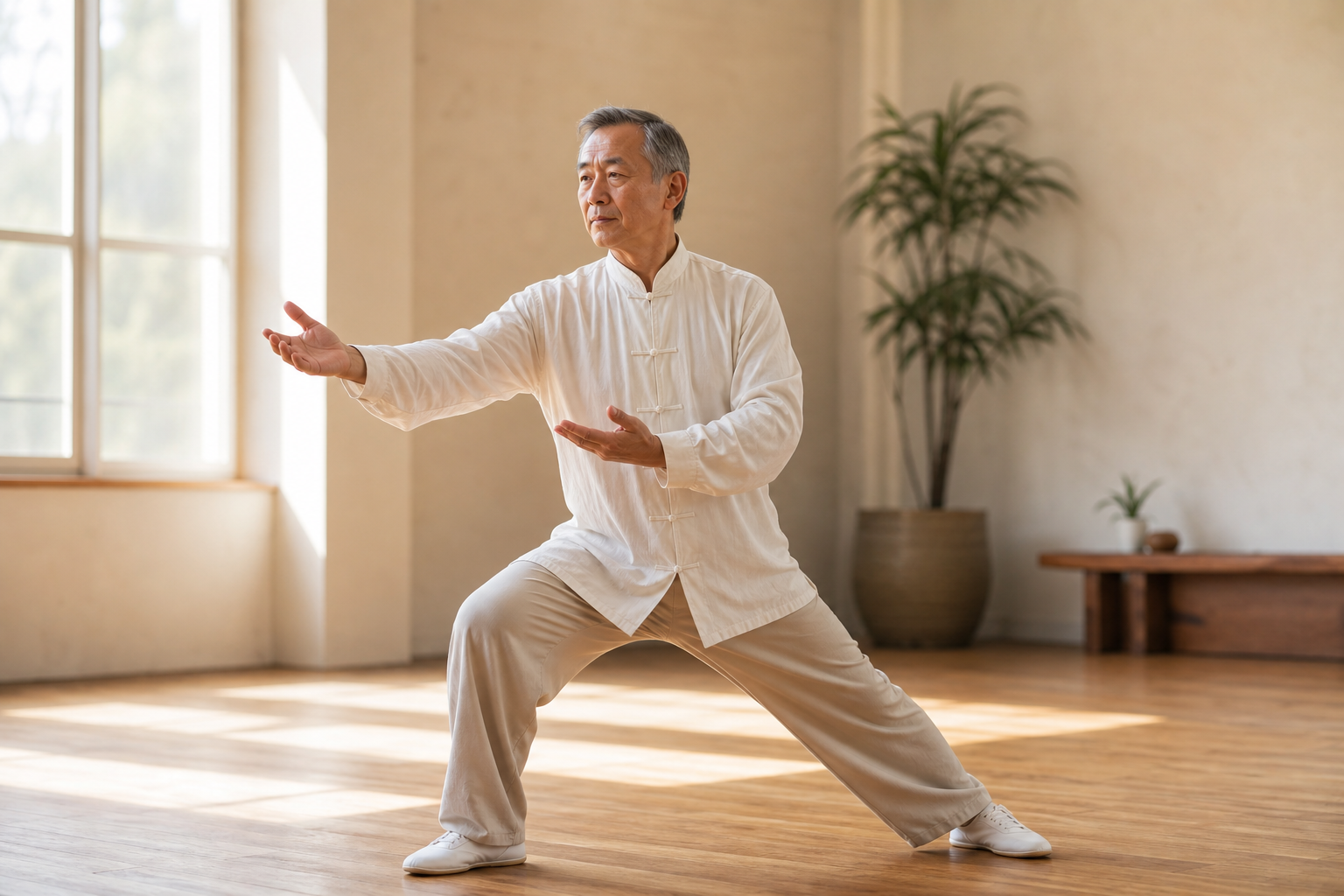
Mixing Tai Chi with Other Tools for Joint Relief and Stability
Here’s where the editorial rubber meets the road. Tai chi is a fantastic foundation—but it’s rarely a standalone fix. Most arthritis specialists (and most of my interviewees) blend movement practices with other pain relief and stability tools for the best results. Here are a few that come up again and again:
- Topical Pain Relief: Some days, especially when starting a new routine, you’ll wake up sore. I keep a tube of Voltaren Arthritis Pain Gel within reach. It’s clinically proven, FDA-approved, and lets you keep moving without waiting for oral meds to kick in. I know, it’s not glamorous—but sometimes relief comes in a bright orange tube. (Just double check with your doctor if you’re on other meds or have sensitive skin.)
- Targeted Joint Support: If knee pain makes even slow movement tricky, a medical-grade support like the NEENCA Professional Knee Brace can be a game-changer. I’ve reviewed dozens of braces, but this one gets high marks for comfort, stability, and adjustability. The side stabilizers and patella gel pad genuinely help, especially for folks with severe osteoarthritis or meniscus trouble. I remember a reader, Dave, who credits his brace for finally letting him complete a full tai chi class without wincing.
- At-Home Exercise Guidance: If you’re looking to dig deeper into home exercises, I still recommend Jim Johnson’s Treat Your Own Knees. It’s an old-school paperback, but the routines are research-backed (and echoed in many physical therapy clinics). It makes adding strength and flexibility work easy, even if you’re doing tai chi as your “main event.”
Combine these tools thoughtfully, and you’ll give yourself the best shot at less pain and more stability—without overdoing it. As always, it’s smart to check with your doctor or physical therapist before starting new routines, especially if you have balance issues, moderate to severe arthritis, or a history of joint replacement.
How Tai Chi Compares to Other Exercises for Arthritis and Balance
Yoga, Pilates, water aerobics—the list of arthritis-friendly exercises is long, and they all have their merits. What sets tai chi apart? For one, the emphasis on upright, dynamic balance. While yoga is fantastic for strength and flexibility, many poses require getting down to the floor (a deal-breaker for some). Water aerobics takes gravity out of the equation, which is easy on the joints but doesn’t really train balance on land.
Several head-to-head studies, including a 2021 review in the Journal of Rheumatology, put tai chi at the top for fall prevention and improvement in proprioception (your body’s “sixth sense” of where it is in space). That proprioceptive boost is what keeps you steady stepping off a curb or catching yourself if you stumble.
I’m not here to bash yoga or swimming—far from it. I’d just say if your main concerns are arthritis stiffness and a growing fear of falling, tai chi deserves a spot at the top of your list. You can always mix and match as you get stronger and more confident.
Addressing the Most Common Concerns (and a Few Myths)
Can I do tai chi if I have a knee replacement? (Usually yes, but modify weight shifts and keep your instructor in the loop.) What if I’m “too old” to start? (Some of my favorite stories come from 80-somethings who discovered tai chi after a fall.) Will it make my knees worse? (Actually, most people report less pain—not more—after a few weeks, but talk to your doc if you’re worried.)
Look, the main barrier isn’t your body—it’s usually the awkwardness of being the new person in a class, or the frustration of learning unfamiliar movements. Stick with it for at least six weeks, and odds are good you’ll see improvements (and maybe even enjoy yourself).
Getting Started: Practical Tips
- Find a qualified instructor. Look for certifications in tai chi for arthritis, senior fitness, or fall prevention. Many local YMCAs, senior centers, and arthritis foundations offer classes—sometimes free or low cost.
- Start slow. Two sessions per week is plenty at first. If you tire easily, even 15-minute sessions at home are valuable. The key is consistency, not intensity.
- Wear comfortable clothing and supportive shoes. You don’t need fancy outfits, but grippy soles help if you’re on smooth floors.
- Listen to your body. Tai chi should never cause sharp pain. Gentle discomfort is normal, especially if you’ve been sedentary, but back off if anything feels wrong.
If frustration creeps in, remember: progress comes in inches, not leaps. Even on days when the last thing you want is movement, five minutes of tai chi can reset your mood and loosen your joints.
Key Takeaways: What I’d Tell My Best Friend
- Tai chi isn’t a miracle, but it can help. The research isn’t hype. Expect less pain, more stability, better mood—and fewer falls.
- It’s safe for most, but check in if you’re unsure. Especially if you have advanced joint disease, a recent replacement, or dizziness. A quick chat with your provider can give you peace of mind and practical modifications.
- Don’t go it alone. Community matters. A group class or even a virtual buddy helps with accountability (and makes it more fun).
- Tools like pain gel, braces, or a good exercise guide support—not replace—the benefits of tai chi.
- Progress takes time. Give it at least a month. Track your pain, balance, and mood—you might be surprised at the patterns you spot.
One Last Word: What’s Stopping You?
I know trying something new when you’re hurting can feel daunting. But if you’re tired of feeling unsteady or watching life pass by from the sidelines, tai chi is gentle, accessible, and—dare I say—kind of enjoyable. You might even find yourself looking forward to those slow, deliberate movements. And if you need a little extra support? That’s what products like Voltaren Gel, the NEENCA Knee Brace, and Treat Your Own Knees are for.
If you give tai chi a try—or already have—drop me a note. I love hearing your stories, the good and the not-so-good. We’re all learning together.
Written by Karen Whitfield, veteran health journalist for JointReliefReviews.com. Karen has covered arthritis and mobility science for outlets including Everyday Health, Prevention, and Arthritis Today. She’s passionate about evidence-based, patient-first advice (and can still be found at her local senior center’s tai chi class every Thursday morning).