Tai Chi Benefits for Arthritis and Balance: What Decades of Research & Real Life Reveal
“I thought it was just old folks waving their arms around.” That’s what my neighbor, Bill, muttered to me years ago when his rheumatologist first suggested tai chi classes for his knee arthritis. Two months later? He was parking at the far end of the grocery lot, “to walk a bit further—because I can.” Not a miracle cure. But real, steady progress. And that’s the thing about tai chi: it’s sneaky effective, and the research is finally catching up.
The Daily Reality: Pain, Stiffness, and the Fear of Falling
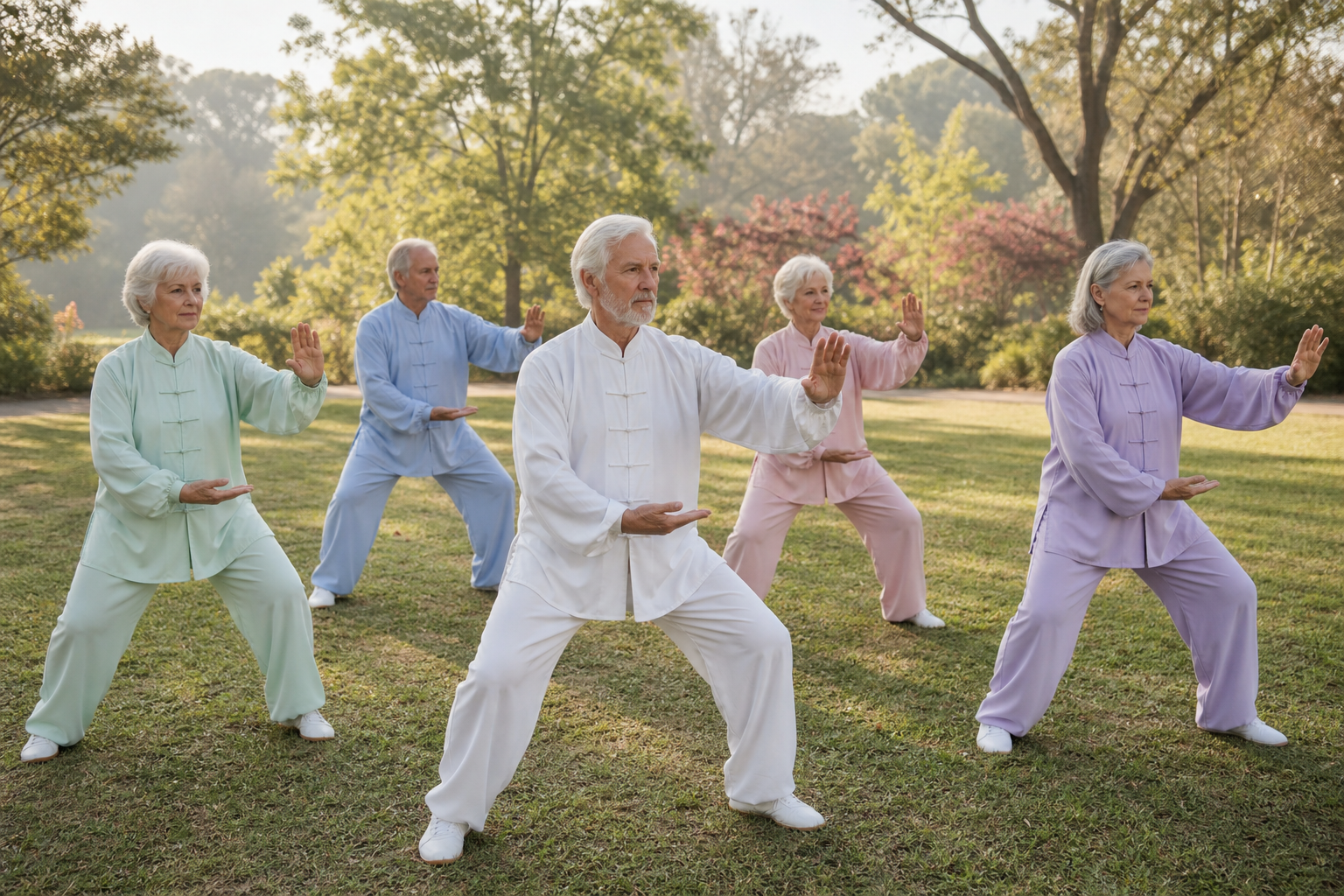
If you’re reading this, I’d bet you—or someone you love—has joints that feel older than the rest of you. Maybe mornings start with a careful test of the knees on the edge of the bed. Maybe you clutch furniture just to get across a room. And then there’s the balance thing: Sudden sway, a near-miss with the coffee table, that little jolt of panic.
Trust me, after two decades as an orthopedic RN (and a couple of my own aches creeping in after 50), I know how the triple threat—pain, stiffness, and balance—can shrink your world. I also know most advice out there feels either impossibly vague (“Just exercise more!”) or completely disconnected from real daily limitations.
But tai chi is different. It’s actually doable—for real people, in real pain. And yes, it’s backed by serious research. Let’s break down what the evidence (and thousands of regular folks) actually say about this ancient art.
What Exactly Is Tai Chi? (No, Not Just Slow-motion Dancing)
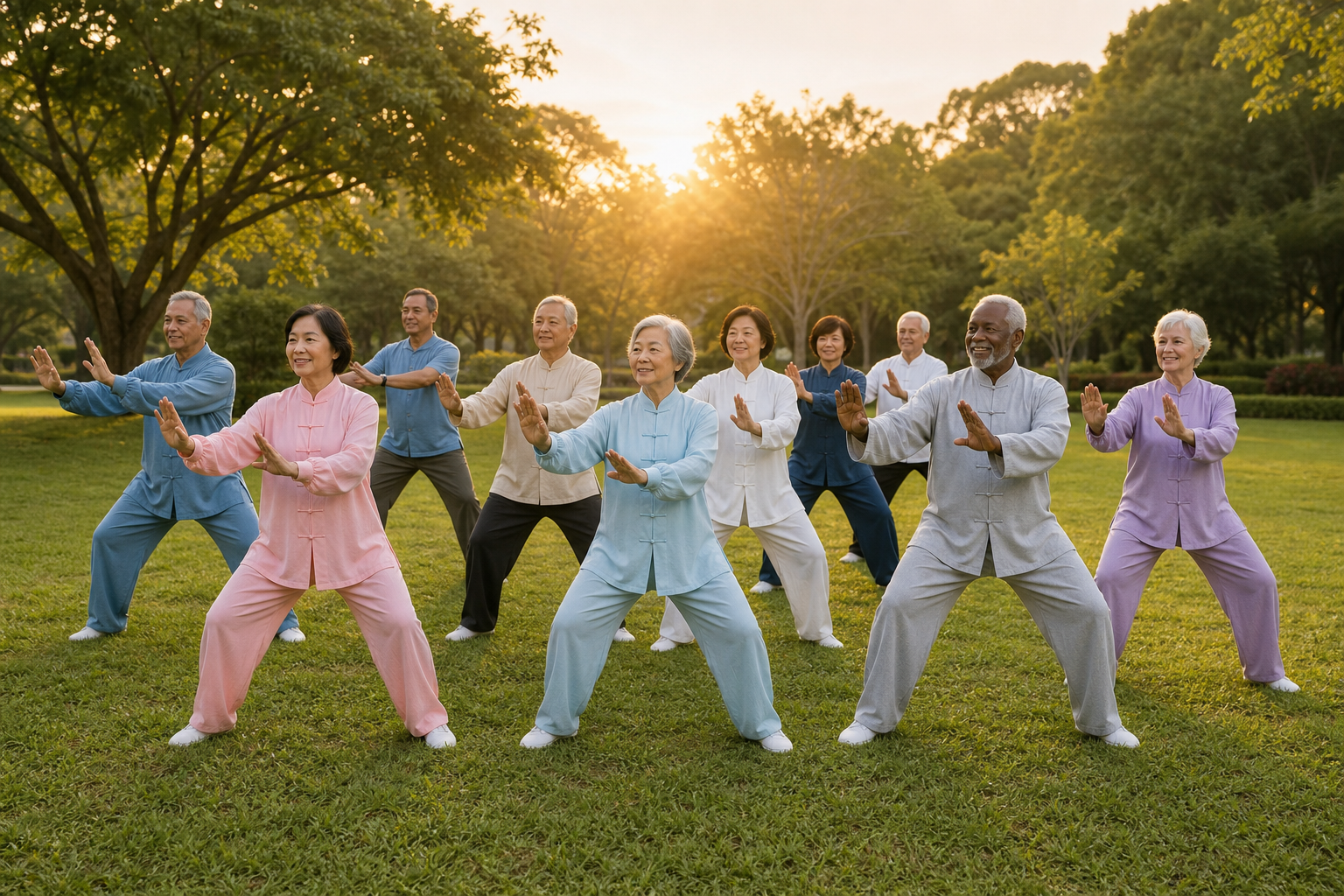
Tai chi, or tai chi chuan, started out centuries ago as a martial art in China. Picture slow, flowing movements—feet gliding, arms tracing gentle arcs, body upright. The goal isn’t to burn calories or strain muscles. Instead, it’s all about mindful, controlled movement, breath, posture, and balance.
There are several styles (Yang, Chen, Wu, Sun), but for arthritis and balance, most programs use the “Sun style” or gentle Yang forms. You don’t need to memorize ancient history. You just need to know it’s low impact, weight-bearing, and safe for almost anyone.
Yes, even if your knees sound like breakfast cereal most mornings. (If you have severe osteoporosis or other major conditions, talk to your doctor first, obviously.)
The Science: Tai Chi for Arthritis Relief & Better Balance
Now, if you’re nodding along but thinking, “Linda, is there actual proof?”—oh, there is. Let’s run through the highlights, and I promise, no boring lecture.
- Arthritis pain relief: The Journal of Rheumatology published a 2013 study with 343 patients. After 12 weeks of tai chi, knee osteoarthritis sufferers had a 36% reduction in pain scores—outperforming the stretching control group. Function improved too.
- Stiffness & flexibility: The Annals of Internal Medicine (2016) ran a meta-analysis: 15 randomized trials, over 1,000 patients. Not only did tai chi significantly reduce joint stiffness, but it also improved walking speed and range of motion. (And these were folks from ages 50 to late 70s.)
- Balance & fall risk: Here’s the kicker: A 2019 BMJ Open review found that tai chi reduced the risk of falls by 31% in older adults—better than basic balance classes. Why? Tai chi actually trains the body’s “proprioception”—the sense of joint position—while gently strengthening stabilizer muscles.
- Inflammation & mood: Some research (see Arthritis Care & Research, 2015) suggests tai chi even lowers serum inflammatory markers and boosts mood, possibly by curbing the stress response. My personal take? It’s the power of moving with purpose—and not feeling like your body is betraying you, for once.
Look, it’s not magic. You will not float out of your first class pain-free. But the best evidence shows steady, meaningful gains—often within 8-12 weeks, with 2-3 sessions weekly. And yes, chair-based modifications work too (remind me to tell you about my Uncle Stan and his kitchen chair “tai chi”).
How Does It Work? (In Plain English)
Here’s where it gets interesting—and super practical. The reasons tai chi helps arthritis and balance are surprisingly “mechanical,” not just mystical.
- Low-impact movement lubricates the joints. Think of synovial fluid as WD-40 for your knees—movement triggers production, reducing that rusty grinding feeling.
- Gentle weight shifts retrain ankle, knee, and hip stabilizers—what PTs call “proprioceptive challenge.” Instead of static balance, you’re always adjusting, learning, and fine-tuning.
- Focus on posture means you naturally strengthen the muscles around your spine, knees, and hips—without even realizing it. (Way more fun than counting squats, honestly.)
- Breath and awareness lower pain catastrophizing. Yes, that’s a real term in pain research—it just means when you’re mindful, pain feels less overwhelming.
And here’s what most articles won’t tell you: The sequence of movements, with their slow transitions and pauses, allows your nervous system to “reset” joint position sense. It’s like recalibrating your body’s GPS—so you don’t trip over invisible obstacles or hesitate with every step.
“Okay, But Will I Actually Feel Better?” (Real People, Real Results)
I’ll be honest—when tai chi first hit the rehab scene, I was skeptical. But in my orthopedic nursing days, I saw patient after patient—often those who “failed” at other exercise programs—finding their stride, literally and figuratively, with tai chi.
There’s my patient Carol: 67, post-knee replacement, terrified of falling. She started Sun-style tai chi with a senior group. Three months in, her quad strength jumped on physical therapy tests, and she could stand from a chair unassisted. (And she told me, “Linda, it’s the first time I don’t dread exercise!”)
Or my mother-in-law, who’s not exactly a gym rat. She picked up a used copy of Treat Your Own Knees and combined its home exercise routines with beginner tai chi videos. Her verdict? “My knees don’t bark at me when I garden anymore.”
And if you’re wondering about safety: a 2020 survey in Osteoarthritis and Cartilage looked at over 700 seniors in community tai chi classes. Less than 1% reported minor muscle soreness—no major injuries at all. That’s better odds than pickleball, not gonna lie.
Getting Started: Practical Tips (Especially If You’re Stiff, Sore, or Nervous)
You do not need to be athletic, graceful, or even able to stand for long periods to benefit. Here’s how to start—regardless of your current limits:
- Look for arthritis-friendly classes. The Arthritis Foundation’s Tai Chi Program (sometimes called “Tai Chi for Arthritis & Fall Prevention”) is offered at many YMCAs and community centers. These tailor moves for creaky knees and hips.
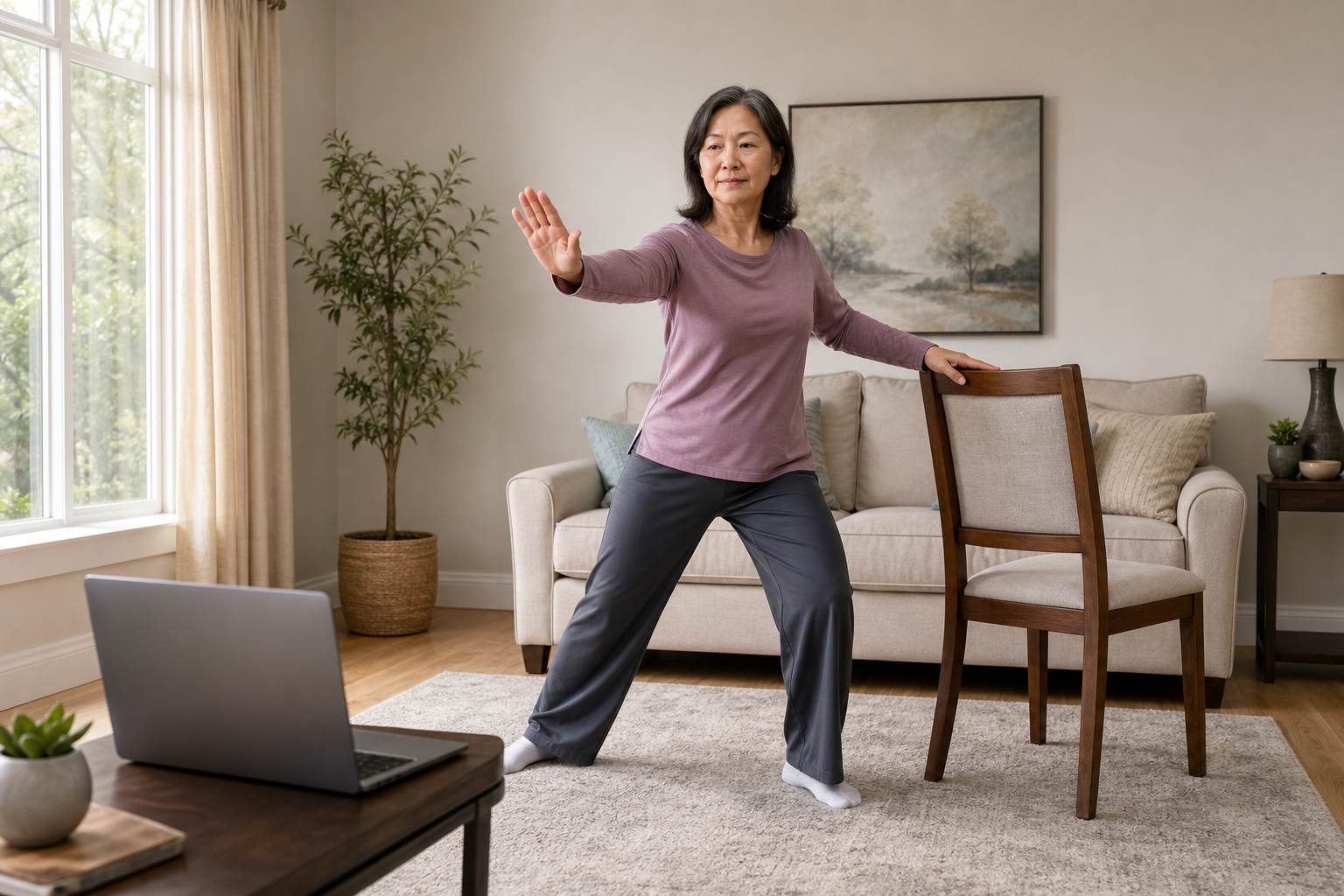
- Consider home video programs. If you prefer private practice or have mobility issues, check YouTube or streaming services for “chair tai chi” routines. Even seated, you get the joint and balance benefits.
- Dress for success: Loose clothing and flat, flexible shoes. No fancy gear required—unless you count a sturdy chair nearby for support, which I highly recommend.
- Start small: 10 minutes at a time, 2-3 days a week. The real key? Consistency beats intensity, always.
- Pair it with practical supports. Some folks do best with an added boost for joint comfort as they ramp up—whether it’s daily topical relief or a well-fitted knee brace for sessions (especially on those “iffy” days). I’ve reviewed dozens, but the NEENCA Professional Knee Brace is a standout if you want real support without the bulky, sweaty feeling.
One caveat: If you have advanced arthritis, severe balance problems, or a history of falls—get a PT or doctor’s sign-off before starting. Safety first, always.
What About Other Joint Pain Remedies? (The Honest Nurse’s Take)
I know some of you are thinking, “Should I just stick to pain gels and heating pads?” I’m not here to bash what works—trust me, I love my Voltaren Arthritis Pain Gel on flare-up days as much as anyone. It’s FDA-approved, can be layered with tai chi, and takes the edge off enough to let you move when you’d otherwise skip it.
But here’s my controversial opinion: Passive relief has its place, but if you want better balance and less pain long-term, you need to put in some gentle, consistent movement—even if you have to start from a chair.
The sweet spot? Use products to get you going (a little pain relief, a little support), and then let tai chi do its slow magic. The combo of topical NSAIDs and low-impact movement is what I recommend most to my own family.
How Does Tai Chi Stack Up Against Other Exercises?
Now, I get asked this constantly: “Why not just walk or do yoga?” The answer: All movement is good—but tai chi has unique perks, especially for arthritis and balance.
- Walking: Great for cardio, but repetitive impact can aggravate joints. Plus, it doesn’t challenge lateral (side-to-side) stability the way tai chi does.
- Yoga: Awesome for flexibility, but many poses require deep knee bends or floor transitions—not ideal for those with severe arthritis or poor balance.
- Strength training: Absolutely has benefits, but can intimidate beginners and sometimes cause flare-ups if done unsupervised.
Tai chi’s edge? It blends movement, balance, and strength training in one accessible package—with no need for special equipment, mats, or gym memberships. And for those who want structure at home, books like Treat Your Own Knees offer an easy intro (and honest troubleshooting tips for those tricky days).
Bottom line: Tai chi isn’t “better” than other exercises for everyone. But for arthritis plus balance struggles? It’s hard to beat—especially if you’re tired of feeling left behind in regular classes.
Fresh Takeaways: What I Tell Friends, Patients, and Readers
- Start where you are. Ten minutes of awkward tai chi will always beat zero minutes of perfect anything. And nobody (seriously, nobody) looks graceful at first.
- Combine it with the right supports. It’s not “cheating” to use a brace, topical pain relief, or a chair—sometimes these are what make movement possible.
- Give it time: Research shows 8-12 weeks is when most people see real change. Don’t judge it after one class or a few YouTube sessions.
- Don’t ignore the mental boost. The confidence from standing taller, moving steadier, and not fearing every crack in the sidewalk is a game-changer for quality of life.
- Still skeptical? That’s normal. Try a single session—at home, online, or in a group. If it feels pointless or painful, talk with your doctor or PT to adjust your approach.
If you’ve tried everything else for arthritis and balance—give tai chi a go. The research says it works. My patients say it works. My family says it works. And frankly, I wish I’d started years ago myself.
Got questions, concerns, or a tai chi success story? Shoot me an email. I read every single one—and if you have specific mobility challenges, I can usually offer a few practical tweaks. You’re not alone in this.
Stay steady, stay hopeful, and move your joints with kindness,
Linda Hargrove, RN
Orthopedic RN & Contributor, JointReliefReviews.com