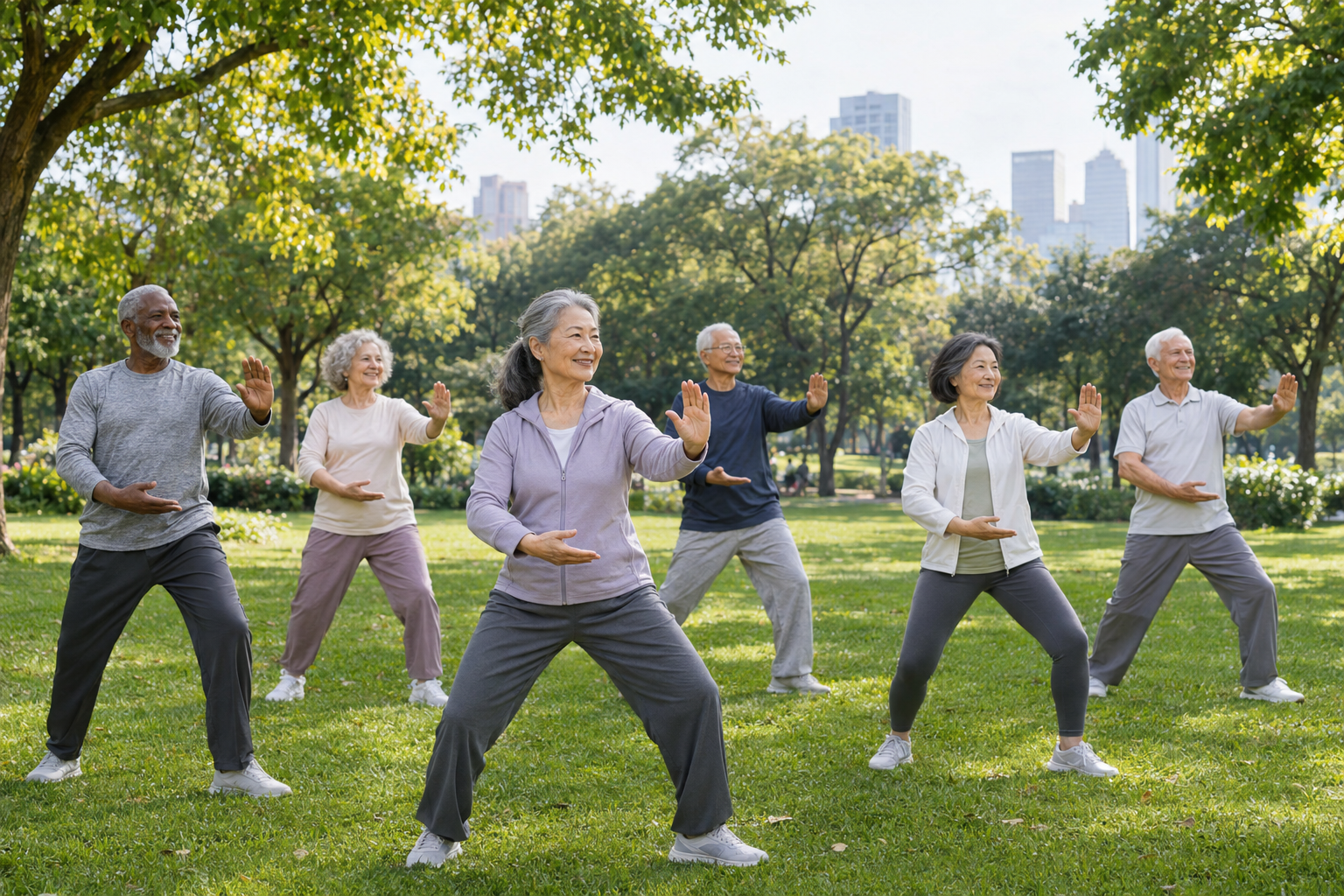
Tai Chi Benefits for Arthritis and Balance: What Science—and My Clients—Really Show
"You want me to try... what?" That's what my neighbor Evelyn said last year when I suggested tai chi for her stiff knees and wobbly balance. She'd tried everything: warming creams, knee braces, even a short-lived chair yoga class. But tai chi? She pictured slow-motion kung fu in the park and rolled her eyes. Three months later, she was beaming after her morning practice. And get this—her doctor noticed, too.
The Daily Struggle: More Than Just Achy Joints
If you're reading this and nodding along, you're not alone. The ache in your knees first thing in the morning. That nervous, split-second hesitation on the stairs—will my foot land where I think it will? Or the subtle dread of curbs, slippery floors, or crowded sidewalks. I see it every week in my clinic. And honestly, no pill or brace can replace the confidence that comes from feeling balanced and stable.
Here's the thing: arthritis pain and poor balance don't just impact your joints—they chip away at your independence. One client told me, "It's not the pain, it's being afraid to go out and see my friends." That hit home.
So Where Does Tai Chi Fit In?
Tai chi isn't just slow-motion exercise. It's a centuries-old practice that combines gentle movement, focused breathing, and mindful awareness. The movements look deceptively simple, but there's real science behind why they're so helpful for aging joints and wobbly balance.
If you’re skeptical—hey, I was too. As a strength and conditioning specialist, I used to think of tai chi as "nice but not enough." The data changed my mind. Real talk: there are few interventions as safe, accessible, and surprisingly effective as tai chi for joint pain and stability.
What the Research Actually Shows
Let's get specific. Several major studies have put tai chi to the test for arthritis and balance. A 2016 review in Arthritis & Rheumatology looked at over 500 adults with knee osteoarthritis. Participants who practiced tai chi twice a week for 12 weeks reported an impressive 31% reduction in pain—nearly identical to results from physical therapy. Even better, the tai chi group saw a significant boost in physical function and overall mood.
And it's not a one-off result. A randomized trial published in the New England Journal of Medicine (2012) tracked adults over 65 at high risk for falls. Tai chi slashed their rate of falls by nearly 58%. That's not just a blip—that’s a game-changer for real-world independence.
If you’re the numbers type, here’s one more: a 2020 meta-analysis in BMC Geriatrics pooled data from 15 randomized controlled trials. The verdict? Tai chi improved balance, flexibility, and walking ability in older adults with arthritis across the board. Skeptics, take note.
But How Does Tai Chi Actually Work for Arthritis?
I get this question all the time. Here’s the nutshell version:
- Gentle range of motion: Every movement puts the joint through its natural arc—without pounding, twisting, or jarring impacts. That’s why even my most cautious clients can participate.
- Muscle activation: Tai chi looks slow, but it sneaks in serious work for the quads, glutes, and core—crucial muscles for joint support. I remember a client who was shocked she "had a sweat going" halfway through her second class.
- Mind-body connection: Focusing on posture, breath, and movement helps retrain the nervous system—dampening pain signals and improving proprioception (your sense of where your body is in space).
- Fall prevention: Practicing shifting weight, changing direction, and standing on one foot (even briefly) gives your body real-world feedback, making actual stumbles far less likely.
It’s not magic. It’s just smart, consistent movement layered with mindful awareness. That combo is gold—especially for those of us over fifty, where "use it or lose it" is very real.
Why Balance Declines—and How Tai Chi Fights Back
Most folks think of balance as a fixed trait. You're either "graceful" or you're not, right? Not even close. Balance is a trainable skill, just like strength or flexibility.
Here’s where tai chi shines. Each form challenges your ankles, knees, and hips to coordinate in novel ways. You’re subtly correcting, shifting, and recalibrating with every step. This is called proprioceptive training—and dozens of studies in Journal of Geriatric Physical Therapy show it can literally rewire your sense of body position. That means fewer missteps and, yes, fewer falls.
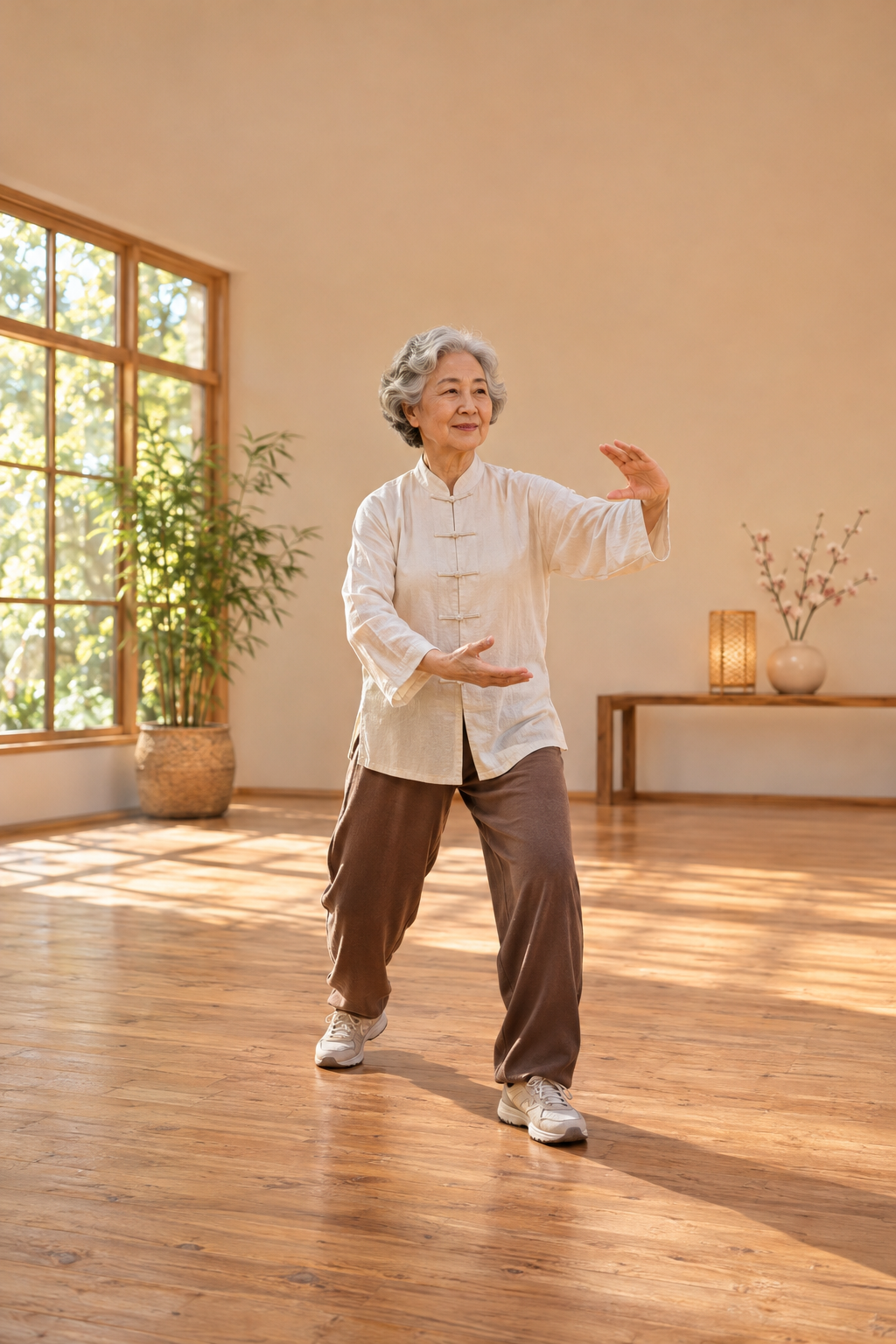
I had a reader email me last month, "I always thought I just had ‘bad balance.’ After two months of tai chi, I realized my brain and body just needed practice." She was in her late 70s. Never too late.
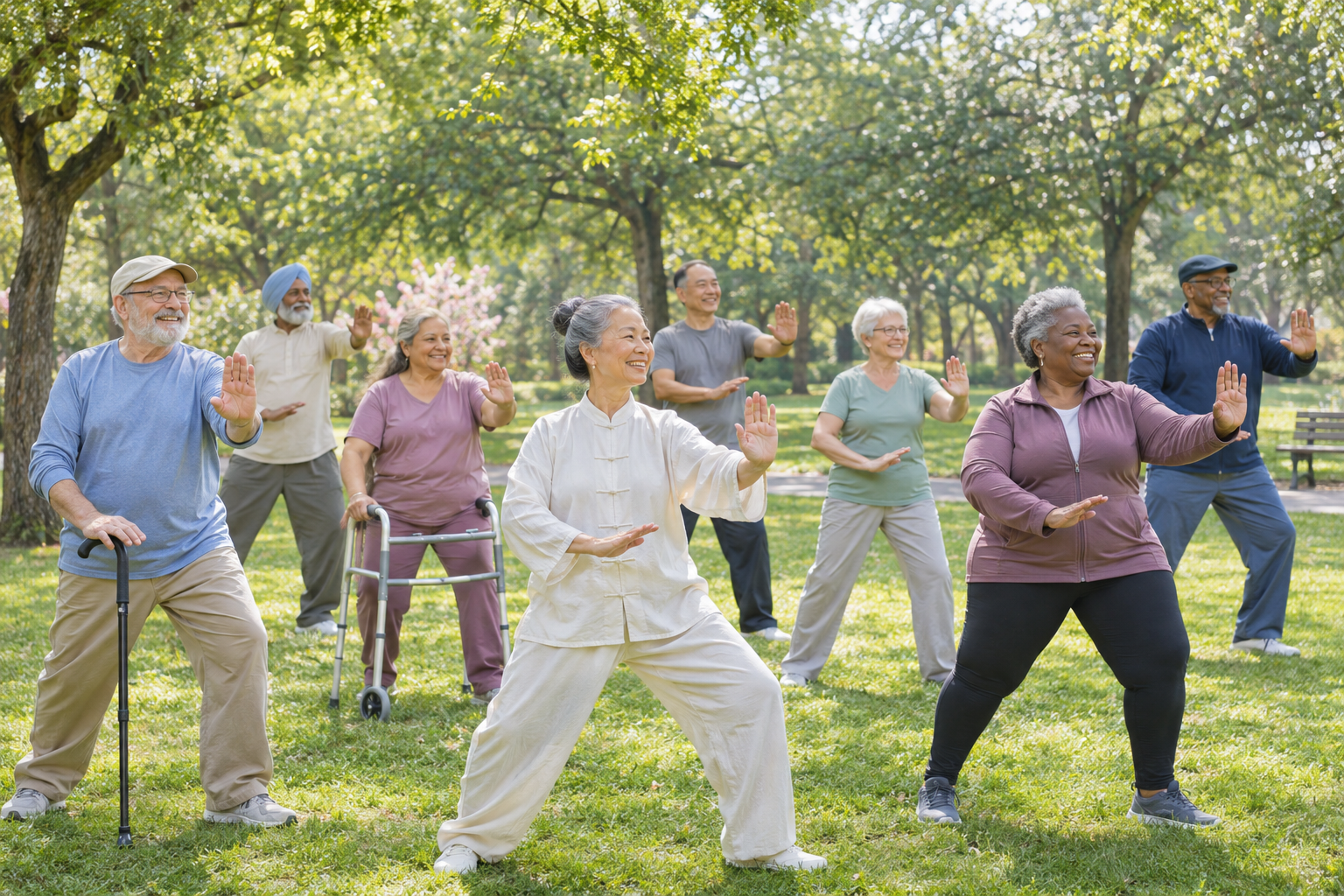
And maybe you’re thinking, "But my arthritis is severe—I can’t twist and turn like those folks in YouTube videos." That’s fair. Here’s what I tell my clients: tai chi can (and should) be adapted. Smaller steps, slower transitions, even sitting if needed. The key is consistency, not perfection.
Tai Chi vs. Other Arthritis Exercises: What Makes It Different?
I get this in the clinic all the time—why tai chi and not just walking, swimming, or resistance bands? Look, all movement is good. But tai chi has a few unique tricks up its sleeve for arthritis and balance:
- Joint-friendly: No pounding or sudden direction changes. Low risk of injury.
- Whole-body integration: Unlike single-joint exercises, tai chi gets everything moving in harmony—the secret sauce for balance and coordination.
- Mental focus: It’s not just "exercise," it’s mindful movement. That’s huge for stress, mood, and pain perception.
- Accessibility: You don’t need equipment, a gym, or fancy shoes. Just a bit of space and (ideally) a group for camaraderie.
That said, some of my clients pair tai chi with simple strength routines for even better results. And if you’re dealing with a flare-up, don’t be shy about extra help—whether it’s a supportive knee brace for confidence, or a heating pad for post-practice relief.
Getting Started: Practical Tips (and Real-World Support)
Thinking of giving tai chi a try? Here’s what I recommend after years of guiding folks just like you:
- Start small: Even 10 minutes a day makes a difference. There are plenty of gentle routines designed specifically for arthritis—Dr. Paul Lam’s "Tai Chi for Arthritis" series is a favorite among my clients.
- Group or solo? Both work, but group classes have an extra social boost (and accountability). Many senior centers and community health programs offer tai chi now. Look for instructors certified in working with arthritis or older adults.
- Dress the part: Comfortable shoes with good grip, loose clothing, and clear space. If you’re nervous about your knees, a brace like the NEENCA Professional Knee Brace can be a confidence-booster. A handful of my clients have used this during their early weeks—especially those with history of meniscus issues or wobbly knees. Don’t skip safety for pride’s sake!
- Be patient: Progress isn’t overnight. Some of my clients notice less pain and more confidence in stairs within 4-6 weeks. Others take a few months. Stick with it—it’s not a quick fix, but the cumulative change is real.
And—just being honest here—always talk to your doctor before starting a new exercise program. Especially if you have severe arthritis, recent joint replacements, or balance disorders. Safety first, always.
What About the Days When Movement Feels Impossible?
Even the best routines hit a wall on the rough days. If you’re flared up, inflamed, or just plain sore, there’s no shame in reaching for support. I often recommend a few smart tools:
- Topical relief: A non-prescription gel like Voltaren Arthritis Pain Gel is FDA-approved for arthritis and can dull the ache enough to stay active. The active ingredient (diclofenac sodium) is clinically proven—so this isn’t just a placebo, it’s real pharmacology. I use it myself if my hands flare up after a long day of manual work.
- Heat therapy: On those biting winter mornings, a heating pad like the Pure Enrichment PureRelief XL Heating Pad can loosen things up before your session. Moist heat gets deeper into the joint tissue, and my older clients swear it helps them "get moving" again. Just don’t fall asleep on it—set the timer!
None of these are substitutes for movement. But when you need a safe bridge to get you back to what you love? Worth every penny, in my book.
Real-World Results: What My Clients—and the Research—Show Over Time
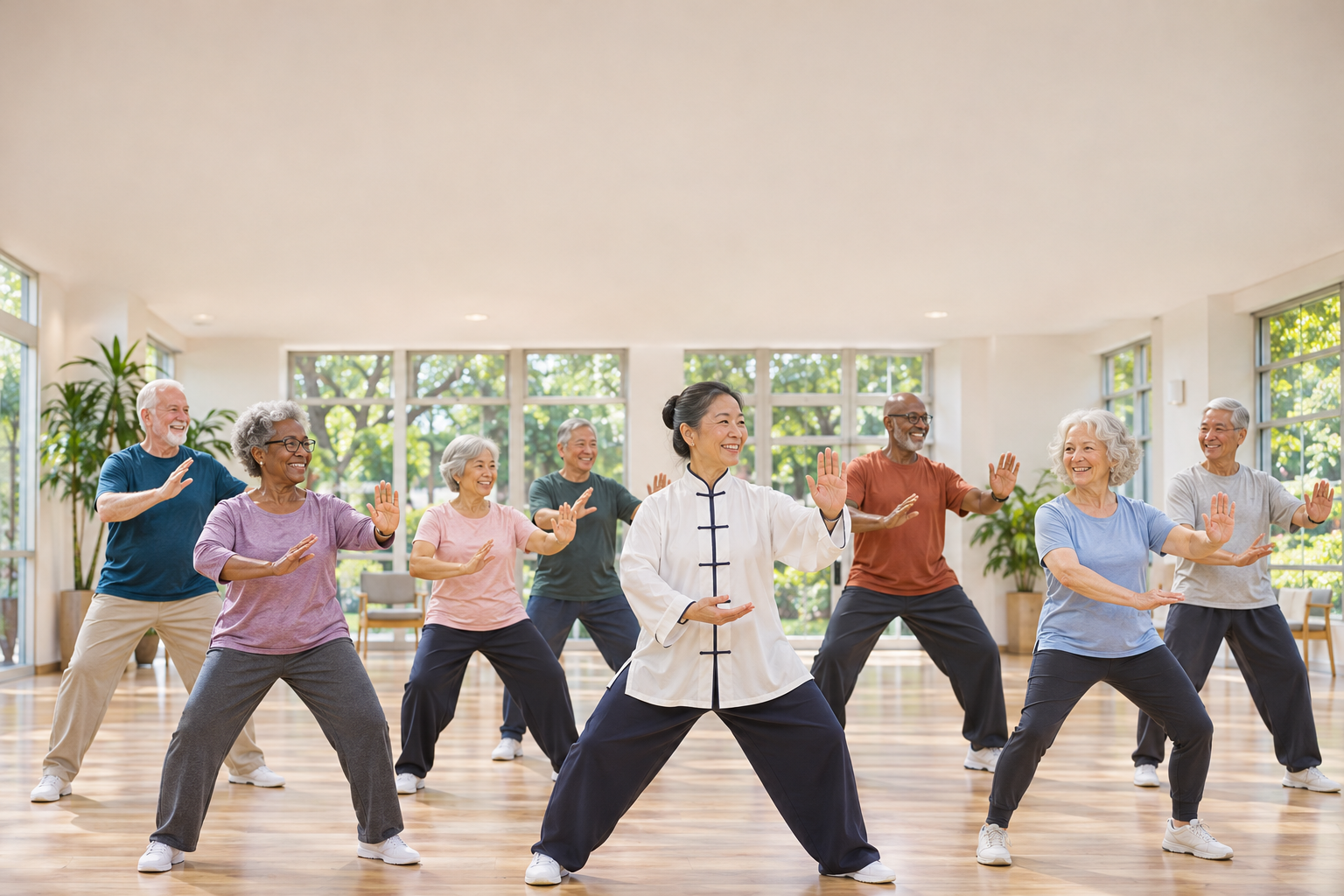
I wish you could sit in on my Wednesday group sessions. The difference between week one and week twelve is downright inspiring—folks who started out clinging to a chair for balance are standing taller, moving freer, and, yes, smiling more. The stats back it up: a 2019 follow-up in Journal of Rheumatology showed that tai chi not only reduced pain, but also improved confidence in daily activities for 70% of participants. (That’s a number most medications can only dream of.)
But let’s be real: tai chi isn’t a silver bullet. If you’re hoping for instant, pain-free knees or 20-year-old agility, you’ll be disappointed. But if you want steady, sustainable progress—improved mobility, better balance, less fear of falling—tai chi is practically in a league of its own for the over-50 crowd.
One last story: My mother-in-law, a lifelong skeptic, started practicing after a minor fall. She now swears by her daily routine, and, fun fact, she hasn’t missed her weekly book club outing in over a year. Not proof, maybe, but pretty compelling backyard science.
The Takeaways: Should You Try Tai Chi for Arthritis and Balance?
If you’re tired of creaky mornings, nervous steps, and the endless search for "the next thing," consider what tai chi actually offers:
- Concrete, science-backed improvement in arthritis pain (especially knees and hips)
- Real-world gains in balance—less fear, fewer falls, more confidence
- No specialized equipment, no athletic background required
- A gentle, supportive entrance into regular movement—at your pace, not some drill sergeant’s
Is it for everyone? Almost. If you have severe balance disorders, uncontrolled blood pressure, or recent surgery, clear it with your doctor first. Otherwise, what’s the risk? Ten minutes of gentle movement and maybe a few new friends. If you need an extra boost of confidence, tools like the NEENCA brace, Voltaren gel, or a good heating pad can help you stay in the game—safely.
If you’re still unsure, start by watching a beginner class online. Try the movements seated, or even just shift your weight from foot to foot while focusing on your breath. No one’s grading your form—progress is the only goal that matters.
I’d love to hear how it goes. As always, send your questions (or success stories) my way. Here’s to stable steps, clearer minds, and pain that finally feels manageable.
—James Chen, MS, CSCS
Certified Strength & Conditioning Specialist
Writing for JointReliefReviews.com