
How to Stay Active with Chronic Joint Pain: Real Strategies That Actually Work
By Karen Whitfield, Health Journalist
I sat across from my mother-in-law, Fran, as she stared at her walking shoes. Her hands hovered above her knees, tracing invisible aches. “I used to love morning walks,” she said, “but now? I’m scared of the pain.” Fran’s not alone; according to the CDC, nearly one in four American adults lives with chronic joint pain. That’s over 58 million people—every street, every yoga class, every swimming pool, someone is quietly gritting through.
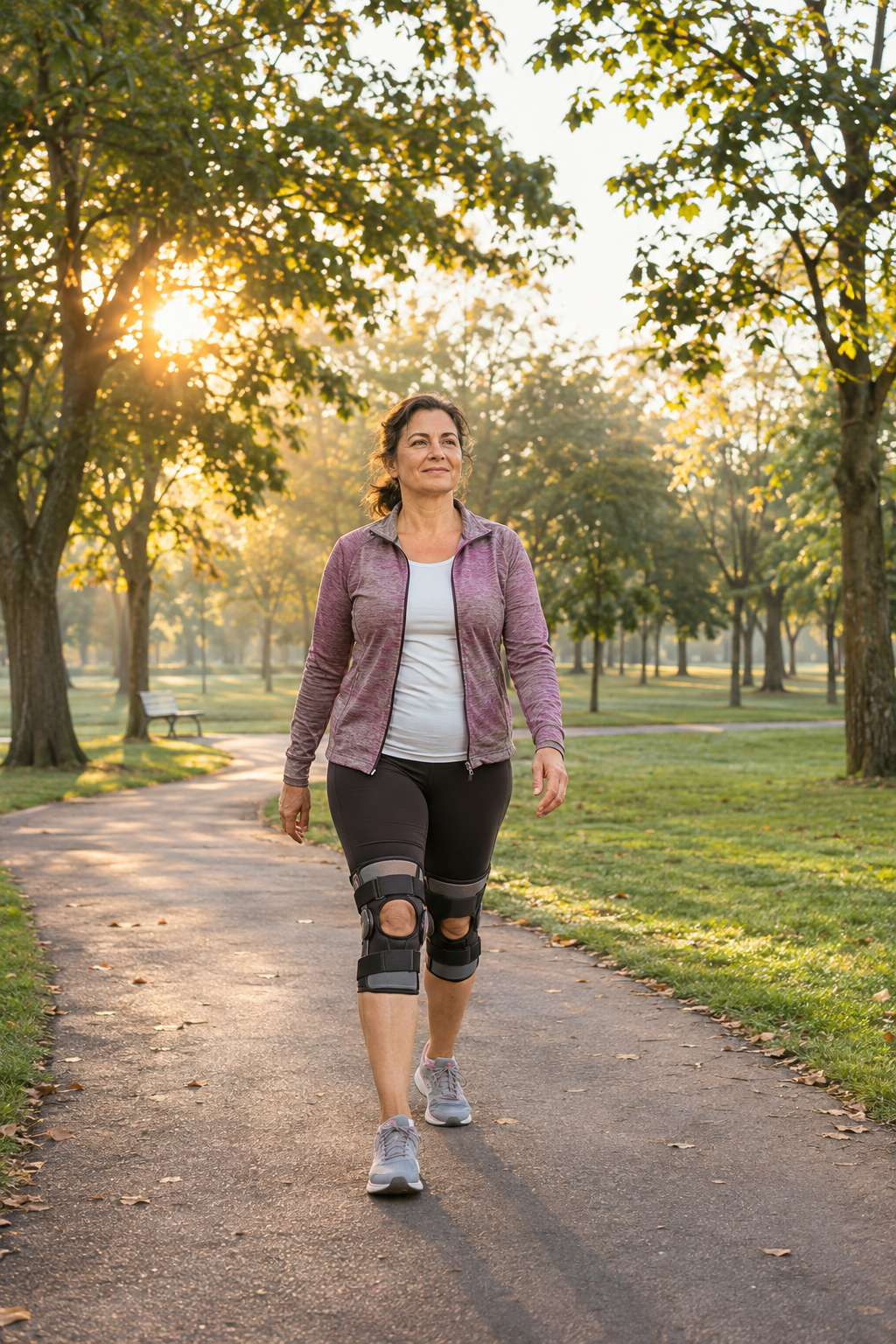
Here’s the thing: I’ve covered joint health for Arthritis Today, Everyday Health, and even fielded desperate reader questions at 2 a.m. The struggle is real, but so is the hope. Staying active with chronic joint pain isn’t just possible—it’s essential for staving off stiffness, muscle loss, and even depression. I’ll be honest: those first steps (literal and metaphorical) might feel like climbing a sand dune in flip-flops. But the right tools and a little science-backed know-how can help you reclaim movement—on your own terms.
The Daily Battle: What Joint Pain Actually Feels Like
If you're nodding, you know the routine. Mornings mean stiff ankles, knees that squeak, a thumb that won’t grip the coffee mug without a twinge. Maybe you’ve given up your weekly tennis match, or you take the stairs only when the elevator’s packed. Joint pain is more than physical—it steals confidence, independence, and sometimes joy.
And the kicker? Most people around you don’t see it. They don’t notice the calculation: “How bad will this hurt later?” before you accept an invitation. That isolation? It’s real, and it’s why I’m obsessed with sharing practical solutions (and a little solidarity) for anyone living this story.
The Science: Why Movement Matters—Even When It Hurts
Here’s where it gets interesting. The old advice to "rest your joints" has been largely debunked. In fact, controlled, moderate activity is now considered one of the best, safest ways to manage joint pain, according to the Journal of Rheumatology (2018).
Why? For starters:
- Improved lubrication: Movement helps circulate synovial fluid, nourishing cartilage and reducing friction between bones.
- Muscle support: Stronger muscles mean less pressure on your joints. A weak thigh muscle can double the load on a knee, according to 2016 research in Arthritis & Rheumatology.
- Endorphin boost: Physical activity releases endorphins, your body’s natural painkillers. This isn’t just feel-good fluff—studies show regular movement reduces pain perception over time.
But—and this is crucial—the kind of movement matters. High-impact bootcamp? Maybe not. Gentle, joint-smart movement? Absolutely.
Choosing Joint-Friendly Activities
I’ve seen countless patients and readers thrive with the right mix of activities. The winners? Those that are low-impact, modifiable, and enjoyable enough that you’ll actually stick with them. Some favorites (backed by research, not just my opinion):
- Walking: Still the gold standard. Short, frequent walks (even five minutes around the block) can build stamina without overtaxing knees or hips. Pro tip: surfaces matter—soft trails are kinder than concrete.
- Aquatic exercise: Think pool walking, swimming, or water aerobics. The buoyancy reduces joint stress by up to 75%, according to a 2021 meta-analysis in BMJ Open.
- Chair yoga or tai chi: Both improve balance, flexibility, and pain scores. And you don't need to twist like a pretzel—gentle modifications exist for almost every pose.
- Strength training: This one makes some folks nervous, but light resistance bands or bodyweight exercises can protect joints. Look for programs specifically designed for arthritis or joint pain.
I remember interviewing Dr. Jim Johnson, PT, author of Treat Your Own Knees. He told me, "The most powerful tool isn’t a pill—it’s consistent, simple exercise." His book lays out basic routines that anyone can do at home (even in pajamas—no judgment). If knees are your nemesis, this guide is a game-changer: Treat Your Own Knees.
Yes, You Can Exercise with Pain—But Adjust the Rules
Let’s get real. “No pain, no gain” is a terrible mantra for chronically sore joints. Instead, adopt the “hurt vs. harm” mindset. A little soreness that fades after rest? Usually fine. Sharp or lingering pain that worsens? Time to modify.
Some guidelines I share with readers (and my own family):
- Short bouts over marathons: Two 10-minute movement breaks trump one hour-long slog.
- Warm up and cool down: Five minutes of gentle range-of-motion moves can reduce post-exercise soreness, says a 2020 review in Osteoarthritis Cartilage.
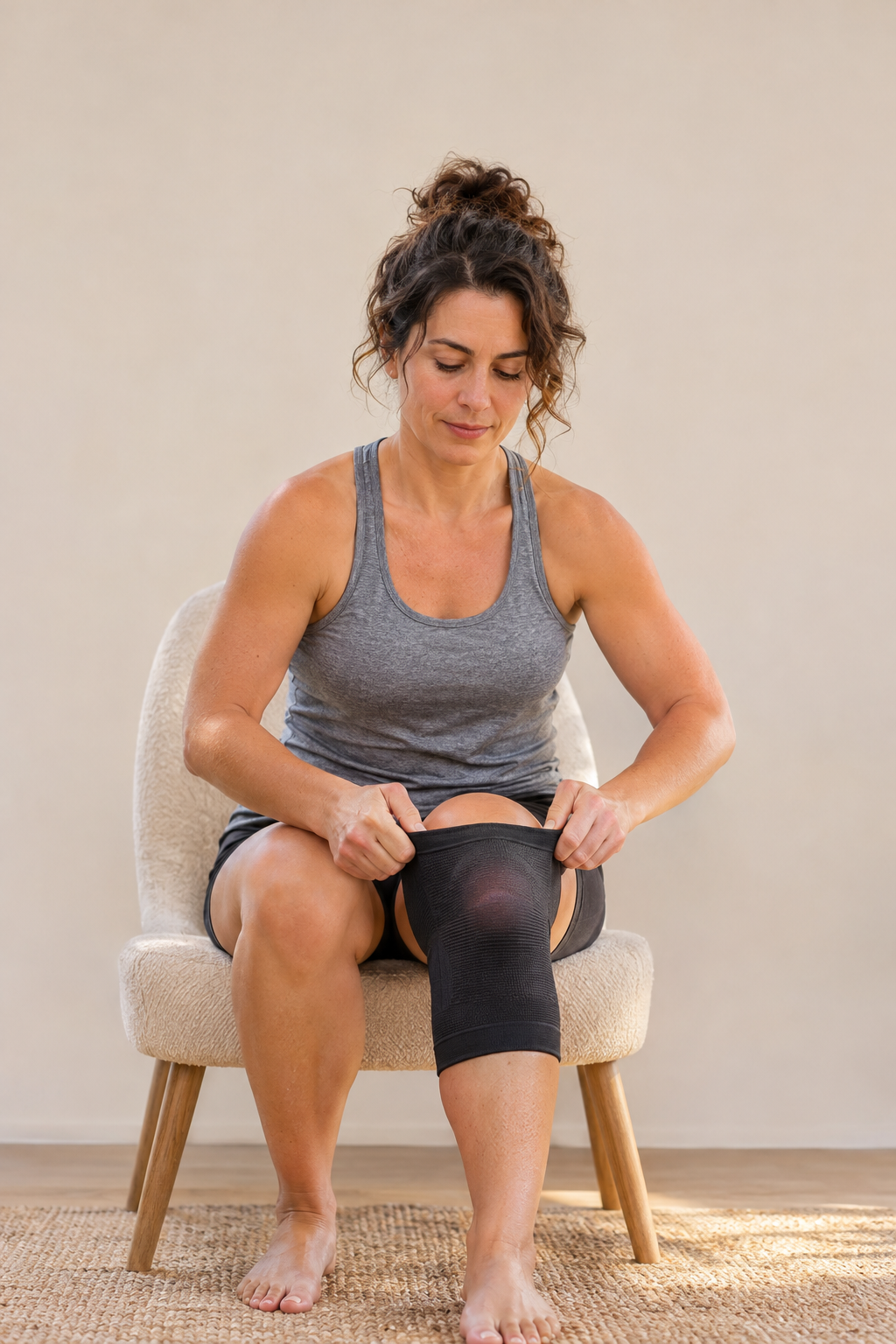
- Use supportive gear: Compression braces, shoes with solid arch support, or cushioned insoles can mean the difference between agony and "manageable." I’ve tested more knee sleeves than I can count—my current favorite for all-day support? Modvel Compression Knee Brace. It’s breathable, stays put (no rolling or pinching), and doesn’t bankrupt you.
- Listen to your body: If your joint swells or you limp after, something needs adjusting. Never hesitate to check in with your doctor or physical therapist (really—they’ve seen everything).
Chronic Pain Flares: How to Stay in the Game
We all have those days. The damp weather rolls in, your joints feel hot, every step is a negotiation. Here’s what I tell readers (and practice myself):
- Scale back, don’t quit: Movement can be as simple as gentle stretches in your chair or deep breathing exercises.
- Use heat: Warmth relaxes muscles and increases blood flow. Honestly, my Pure Enrichment PureRelief XL Heating Pad is never far from my desk—especially on flare days. The XL size covers both knees at once, and the moist heat option feels amazing. (If you want a heating pad that actually lasts, I recommend this one: PureRelief XL Heating Pad.)
- Try topical relief: I rely on cooling roll-ons like Biofreeze before walks (though remember, it’s a helper, not a cure).
Whatever you choose, consider it a "maintenance mode" day, not a failure. One reader emailed last month to say her only movement was gentle ankle rotations and deep breaths. Did it matter? “I felt less stuck—physically and mentally.” That’s a win.
Supplements, Tools, and When to Be Skeptical
Here comes a little controversy. The supplement aisle is packed with joint formulas—glucosamine, chondroitin, turmeric, omega-3s. Some people swear by them; others notice nothing. The best evidence (see BMJ, 2017) supports glucosamine sulfate at a daily 1500mg dose for mild to moderate osteoarthritis pain. Chondroitin and MSM have modest benefits for some folks.
But let’s be brutally honest: supplements aren’t magic bullets. They work best as part of a bigger picture—movement, support, and smart self-care. If you want to try one, stick to trusted brands (USP-verified if possible) and always talk to your doctor before starting.
One solid option, especially if you like mainstream reliability: Nature Made Glucosamine Chondroitin Complex with MSM. It’s USP verified, and I’ve seen decent feedback from readers—and fewer digestive complaints than some of the bargain brands.
Adapting Real Life—Small Tweaks, Big Payoff
Staying active isn’t just about officially scheduled “exercise.” It’s about finding movement in the nooks and crannies of an ordinary day. Here are some tactics that genuinely work (tested by me, and my league of reader guinea pigs):
- Break up sitting: Set a timer to stand, stretch, or take a lap around the living room every 30-60 minutes. Even tiny bursts wake up stiff joints.
- Functional fitness: Carry groceries in smaller loads. Garden using a kneeling pad. Play with grandkids from a sturdy chair if standing is tough.
- Social movement: Find a friend (or pet) to walk with—far more motivating than going it alone. My neighbor’s dog, Biscuit, has helped at least three folks on our block double their daily steps.
- Celebrate tiny wins: Document your progress—a calendar checkmark, a note in your phone. Progress might be “walked to the mailbox without limping.” That counts.
And for those who crave a little more structure, I can’t recommend Treat Your Own Knees enough. It’s not just for knees—the exercises scale to hips and ankles too. Plus, it’s under $15 (less than one copay, honestly).
When to Push—And When to Pause
Most articles gloss over this, but it’s important. If you experience red, hot, swollen joints, sudden loss of function, or sharp, persistent pain, stop and get medical advice. Some aches are “normal” in chronic joint conditions—others signal something more serious (like a flare of inflammatory arthritis or even infection). I know it’s tempting to tough it out, but this is one area where “better safe than sorry” really does apply.
On the flip side, don’t let fear of pain lock you into total inactivity. The majority of people with joint pain (including my mother-in-law, Fran) have learned that with gentle, regular movement, their “bad” days become less frequent and less severe. It’s the classic “use it or lose it”—and thankfully, science backs that up.
Bottom Line: Redefining ‘Active’ for Your Body
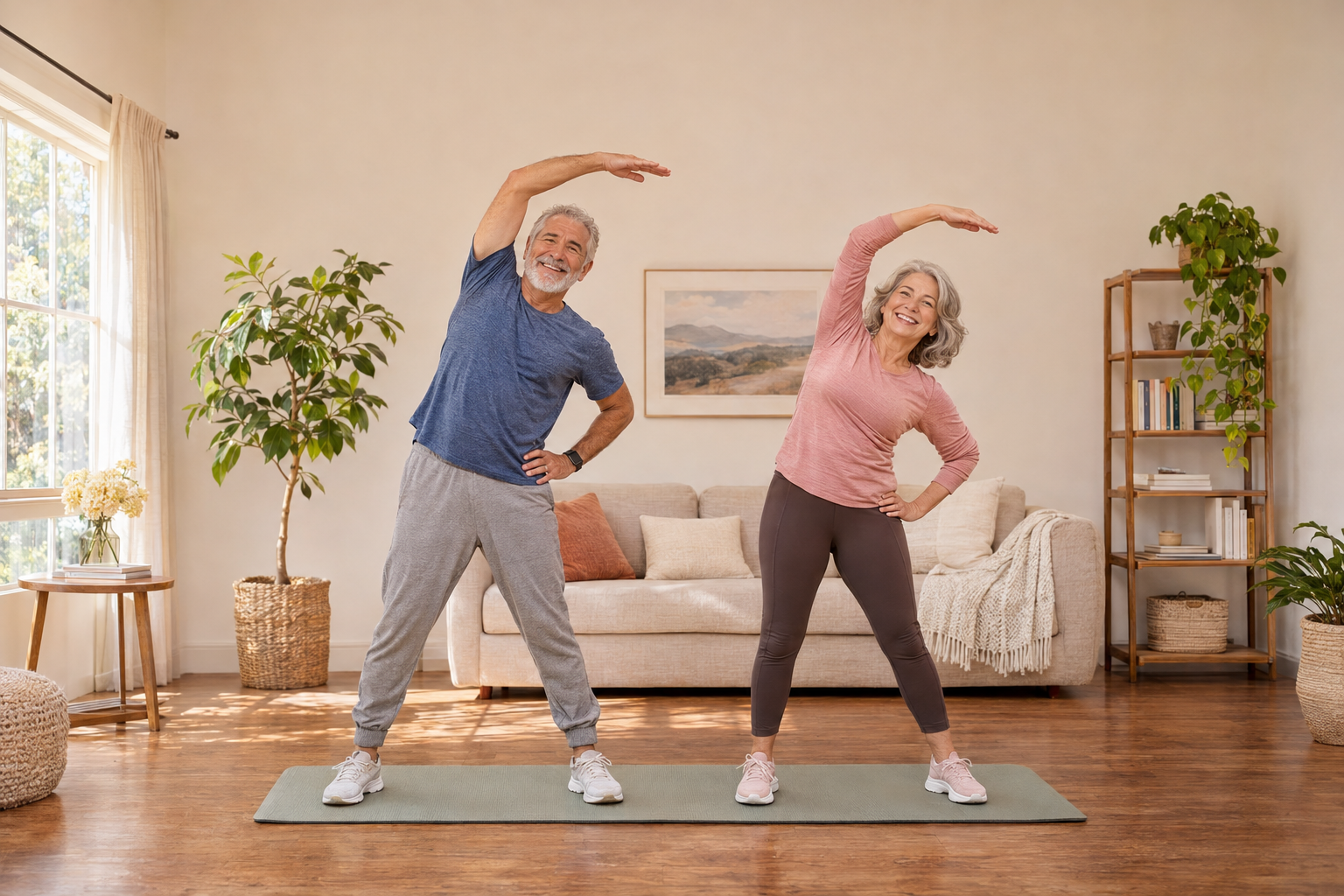
Here’s my honest advice, after decades on the health beat (and countless conversations with real folks battling joint pain): staying active isn’t about beating your old 5K time, or matching the Instagram yogis. It’s about finding your version of movement—one that respects your limits, but challenges you to keep showing up for yourself.
You might have days where the most you manage is a gentle walk across the kitchen. Or maybe you discover, as Fran did, that a supportive knee sleeve and a well-timed heating pad make a world of difference. Progress is personal, and every step counts.
If you take away one thing, let it be this: your joints may ache, but you are not broken—and movement, in all its forms, is still yours. Celebrate the effort, not just the outcome.
— Karen Whitfield
Karen Whitfield is a veteran health journalist who has covered arthritis and joint health for Everyday Health, Prevention, and Arthritis Today. She brings a patient-first perspective, and a stubborn belief in practical hope.