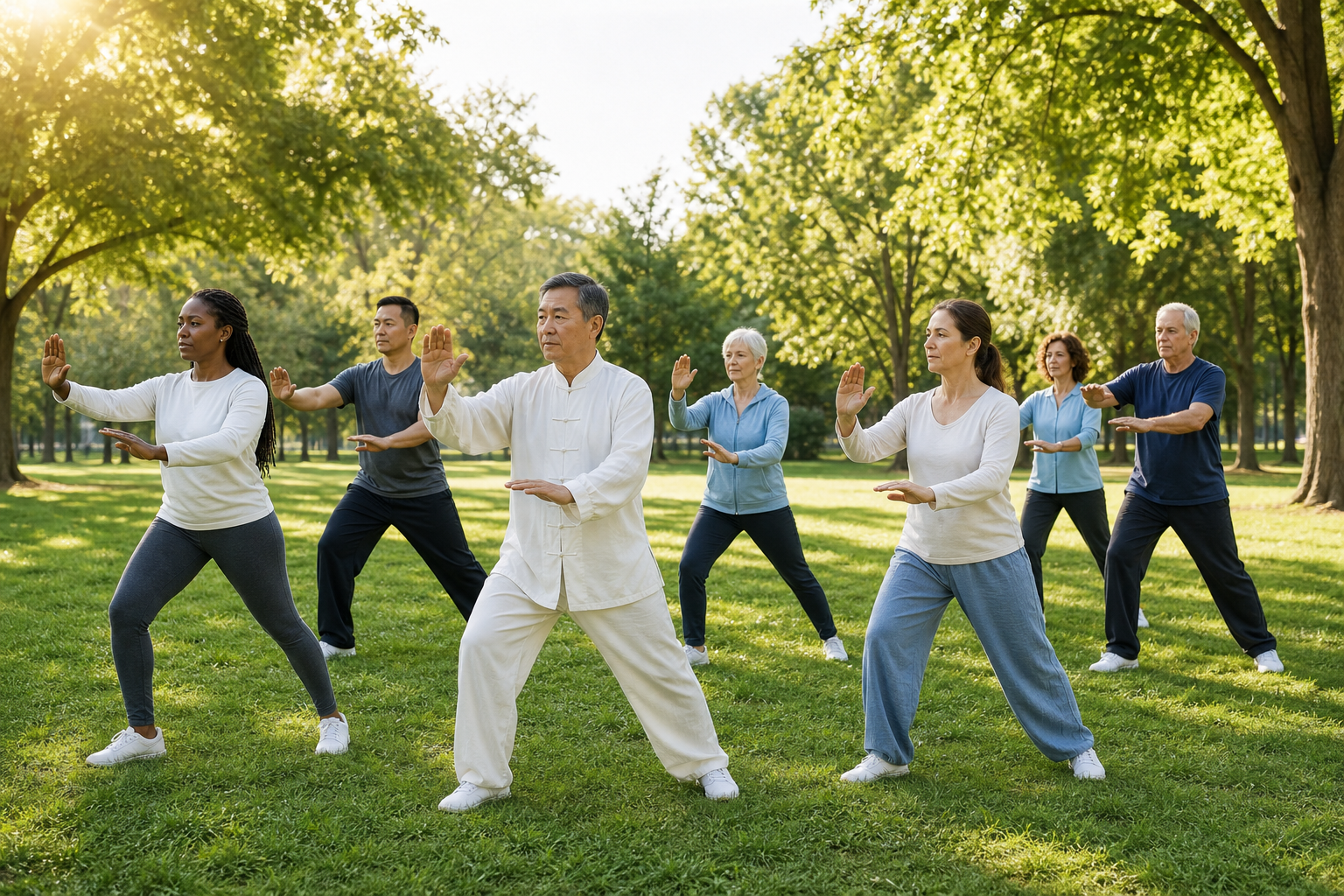
Tai Chi and Arthritis: A Surprising Story from My Clinic
Let’s get real—if you’d asked me a decade ago whether slow “moving meditation” could make a dent in knee arthritis, I would’ve raised an eyebrow. I’m a physical therapist. I’m trained to trust research and results, not ancient arts. But I kept hearing the same thing from patients: “My joints don’t hurt as much after tai chi,” or “I don’t stumble so much since starting that class at the Y.”
One woman—let’s call her Sharon—came in on a cloudy January morning, beaming. She’d joined a local tai chi group for her osteoarthritis. Six months later, her limp was nearly gone. She’d cut her acetaminophen dose by half. And she looked lighter on her feet, not just physically but emotionally. I couldn’t ignore it anymore. Something was happening here.
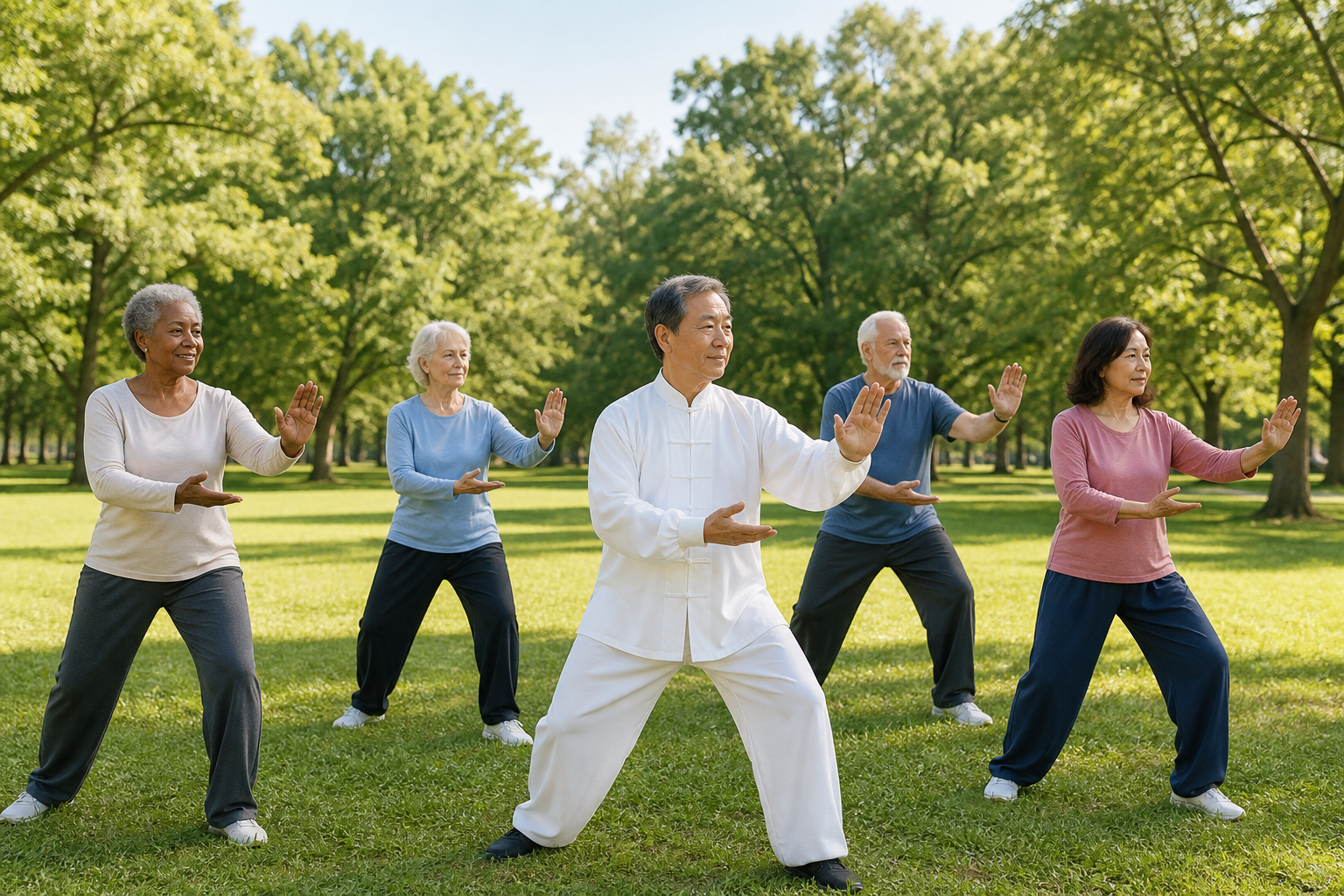
Why Arthritis and Balance Go Hand-in-Hand (and Hurt So Much)
If you live with arthritis, especially in the knees or hips, you know every step can be unpredictable. Some days it feels like walking on ground glass. Some days your knee buckles, or you freeze on the stairs. The pain is relentless. But here’s the thing: it’s the loss of confidence in your body that can be the real kicker.
According to the CDC, about 24% of adults in the U.S. have diagnosed arthritis (CDC, 2023). Falls and joint instability are much more common in this group. Balance isn’t just about not tripping—it’s about moving through the world without fear. And that’s where tai chi really shines.
Here’s How Tai Chi Works (The Science Is Wildly Underrated)
Tai chi isn’t magic; it’s biomechanics and brain training. Picture slow, continuous movements, shifting your weight from foot to foot, gently rotating your trunk, extending your arms. It looks effortless, but your muscles and nervous system are working overtime. Studies in Arthritis & Rheumatology (2016) and the BMJ (2015) show substantial improvements in pain and function with regular tai chi—sometimes rivaling standard physical therapy.
Here’s what’s actually going on under the surface:
- Muscle Activation: Tai chi gently strengthens your quadriceps, calves, core, and small stabilizers, all of which protect arthritic joints.
- Neuromuscular Control: These movements train your brain and body to react to shifts and prevent falls. One randomized trial (Wang et al., 2015, BMJ) reported a 58% reduction in falls among older adults practicing tai chi weekly for six months.
- Joint Nourishment: The slow loading and unloading actually encourage synovial fluid movement—nature’s joint lubricant. I can’t count how many times patients have told me, “My knees feel less stiff afterward.”
- Pain Modulation: Tai chi also taps into your body’s endogenous pain control. It’s not just stretching; it’s calming your nervous system.
And here’s where it gets interesting—unlike high-impact exercise, tai chi is safe for nearly everyone, even those with significant joint damage. Of course, you must talk to your doctor before starting any new exercise, especially if you have advanced arthritis or a history of falls.
What the Research Actually Says (Not Just Hype)
If you’re nodding along, you’re not alone—I get emails about this every week. Is tai chi just placebo? Surprisingly, no. The data is robust. For example, a 2016 meta-analysis in the Journal of Rheumatology pooled results from 15 randomized trials: tai chi participants reported 15–25% less pain than control groups after 12 weeks. Functional scores rose. Mood scores improved too (let’s not underestimate the anxiety arthritis creates!).
Another study in Arthritis Care & Research (2010) found that people with knee osteoarthritis practicing tai chi twice weekly for 12 weeks reported a 30% improvement on the WOMAC pain and stiffness index—comparable to physical therapy, without the copays.
I know this is unpopular among diehard gym-goers, but tai chi stacks up shockingly well against more “mainstream” interventions for balance, too. The BMJ study I mentioned earlier even noted that tai chi may outperform brisk walking for fall prevention in older adults.
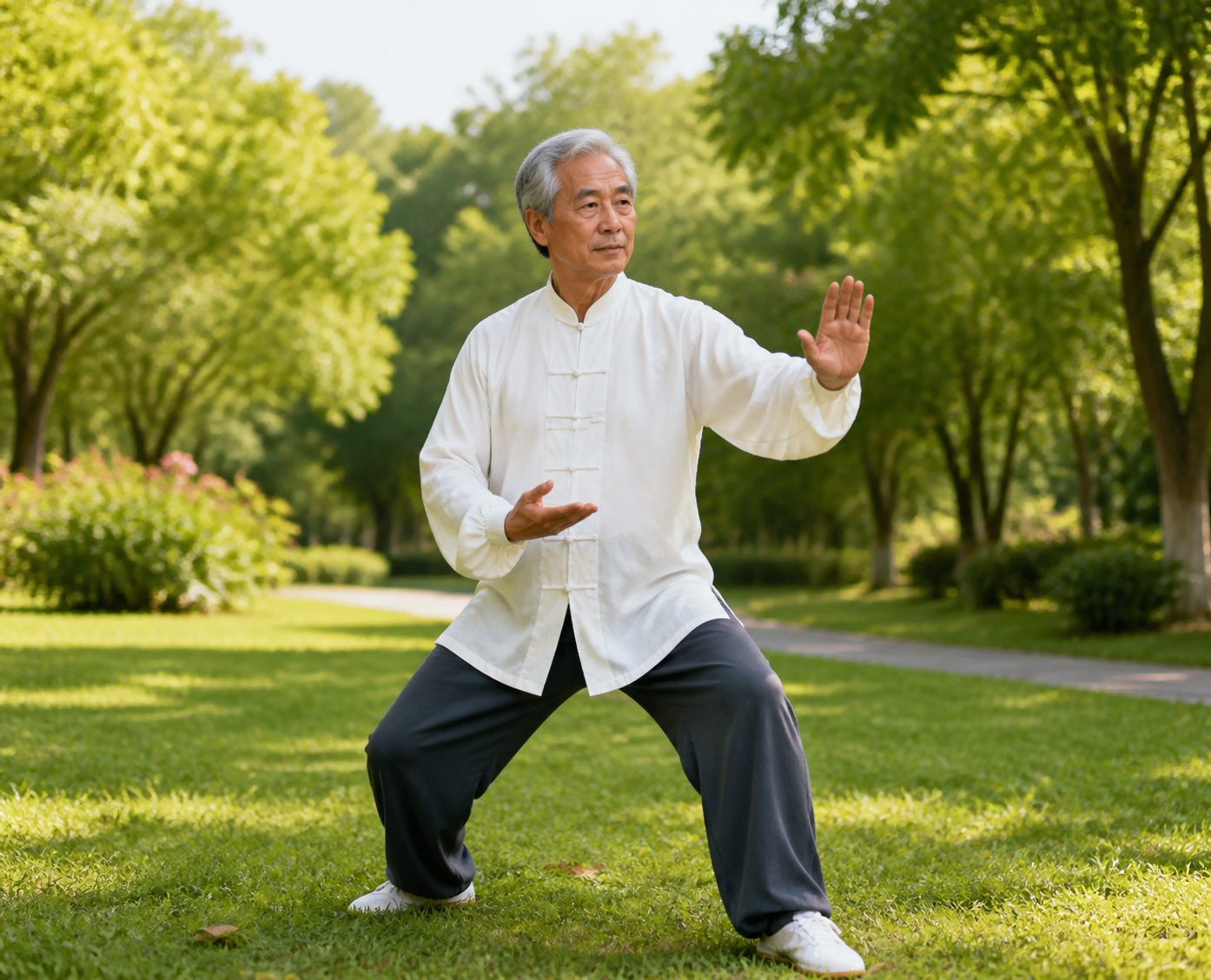
How Tai Chi Improves Balance (And Why It Matters)
Let’s get a bit technical. Balance is a blend of sensory input (your eyes, inner ear, joint position sense), muscle strength, and quick reflexes. Arthritis throws a wrench into all three. Pain inhibits movement. Damaged joints relay fuzzy signals to your brain. That combo spells trouble.
Tai chi quietly rebuilds those lost connections. Each step, shift, and turn in the form is basically a rehearsal for real-life balance challenges—turning, reaching, picking something off the floor, getting up from a chair. One of my favorite studies (Li et al., 2005, Journal of the American Geriatrics Society) showed that 12 weeks of tai chi improved both static and dynamic balance more than a standard stretching routine in people over 65 with arthritis.
I remember when my own mother-in-law (stubborn as they come) finally gave tai chi a try. She used to freeze at curbs. Three months in, she was striding through the supermarket like she’d never missed a beat. Not a miracle—just science and practice.
Can Tai Chi Replace Physical Therapy? My Professional Take
I’ll be honest—sometimes, yes. If you’re stable, not in acute pain, and able to stand safely, tai chi can absolutely take the place of some rehab sessions. For others, it’s a powerful supplement. The best scenario? Tai chi plus targeted strength and flexibility work. (That’s what we do in the clinic for knee OA and hip arthritis.)
If you want a research-backed home program, Treat Your Own Knees by Jim Johnson is a fantastic companion to tai chi. It’s filled with simple, joint-friendly exercises that complement balance work—no gym needed. I’ve recommended it to dozens of patients who can’t get to the clinic every week.
Getting Started: Real-World Tips from a PT (and Product Picks)
Look, starting something new can be intimidating, especially if your knees or hips protest on a good day. Here’s how I advise my patients:
- Find a Beginner-Friendly Class: Local YMCAs, senior centers, and even some arthritis foundations run tai chi programs specifically for joint protection. The Arthritis Foundation’s “Tai Chi for Arthritis” is evidence-based (yes, there’s a formal program!).
- Watch Your Surface: Avoid thick carpets or slippery floors. Flat, grippy shoes are ideal—no need for special gear.
- Pace Yourself: Start with 10–15 minutes, even just a single movement (the "parting the wild horse’s mane" form is a solid opener). Your joints will adapt, but don’t push through sharp pain.
- Support if Needed: If your knee feels unstable, don’t be shy—use a sturdy chair or countertop for balance. For those needing extra joint support, the NEENCA Professional Knee Brace is a top pick. I like it because the side stabilizers and gel pad add real support without pinching or overheating. Several of my patients wear it for tai chi, gardening, and even long walks.
- Consistency > Intensity: Twice a week for three months beats one “hero” session followed by a week on the couch. Progress happens in small doses.
Some folks need a little extra help managing pain at the start. I’m a fan of Voltaren Arthritis Pain Gel for those mild to moderate flares. It’s not a fix-all, but the diclofenac sodium is genuinely effective (and FDA-approved). I always tell people—keep it on hand for when you need to stay active but the ache creeps up.
Comparing Tai Chi to Yoga, Pilates, and Walking (What’s Actually Best?)
Here’s the truth: all movement helps, but not all modalities are equal for arthritic joints or balance recovery. Yoga is wonderful for flexibility, but some poses put too much torque on knees and wrists. Pilates builds core strength, but most mat routines don’t challenge standing balance much. And plain walking is good for endurance, but lacks the multidirectional, mindful weight shifts that retrain balance reflexes.
Tai chi’s secret is its slow, controlled, upright movement. It mimics daily activities—pivoting, transferring weight, changing direction—without sudden impacts. Several head-to-head studies (“Tai Chi versus Physical Therapy for Knee Osteoarthritis,” NEJM, 2016) found similar improvements between tai chi and standard PT exercises, but tai chi participants often stuck with it longer. Why? It feels meditative, not like “work.” That’s half the battle.
Troubleshooting: What If Tai Chi Hurts or Feels Awkward?
Okay, real talk. Tai chi isn’t a cure-all. Some people struggle with the choreography—or find that even slow movements tweak their joints. Don’t force it. If you feel sharp pain, stop. If balance is a real problem, practice near a wall or doorway. Sometimes, tackling basic strength and flexibility with a resource like Treat Your Own Knees (see above) first makes tai chi more accessible later.
And don’t be afraid to adapt the forms—seated tai chi is a thing! I’ve taught it in assisted living facilities. The benefits (for pain and mental focus) are still real.
Honest Limitations: Who Should Skip Tai Chi?
Most articles won’t tell you this, but not everyone should dive in. If you have severe vertigo, unstable heart disease, uncontrolled high blood pressure, or a recent joint replacement, you *must* clear any new exercise with your doctor or PT. Also, if you’re in the middle of a major pain flare, focus on gentle range-of-motion or modalities like heat packs first (Pure Enrichment makes a great moist heating pad—I’d recommend it for those mornings you simply can’t get moving).
For the vast majority, though, tai chi is one of the safest, lowest-barrier activities you can add to your routine.
What I Tell My Own Patients About Tai Chi
If you’re on the fence, here’s my professional (and personal) advice: try it for 12 weeks. That’s what the research supports. Take before-and-after notes—not just pain levels, but how steady you feel on steps, how easily you get out of a chair, your mood. You don’t need fancy gear. You don’t need to memorize long routines. Progress happens in the pauses, in the quiet improvement you notice when you least expect it.
And if you want a little extra encouragement, see if a friend or spouse will join you. I’ve seen even the most skeptical grumps become converts when they realize tai chi is about moving with less fear, not just ancient philosophy.
Fresh Takeaways: The Tai Chi Advantage—For Arthritis, Balance, and Life
- Tai chi is not just for martial artists or “zen” types—it’s a science-backed, practical tool for joint pain and stability.
- It improves muscle strength, flexibility, neuromuscular control, and confidence in movement—key for anyone with arthritis.
- Consistency matters more than duration or difficulty. Aim for 2x/week, even if it’s just 10–15 minutes to start.
- Combine tai chi with supportive products if needed: a medical-grade knee brace like NEENCA, and keep proven topical relief like Voltaren handy for the occasional flare.
- If you need structured guidance, Treat Your Own Knees is a down-to-earth, PT-approved manual that pairs beautifully with tai chi’s gentle approach.
Parting Thoughts
Look, I’m not a tai chi master—but as a physical therapist, I care about what actually works for people living with arthritis, day in and day out. The science is clear, and real-world experience backs it up: tai chi is one of the best-kept secrets for joint pain and wobbly balance. If you’ve tried everything else, give it a shot. It just might be the missing piece.
Questions? Drop me a note. I love hearing your stories.
Dr. Sarah Mitchell, DPT – Senior Health Editor, JointReliefReviews.com