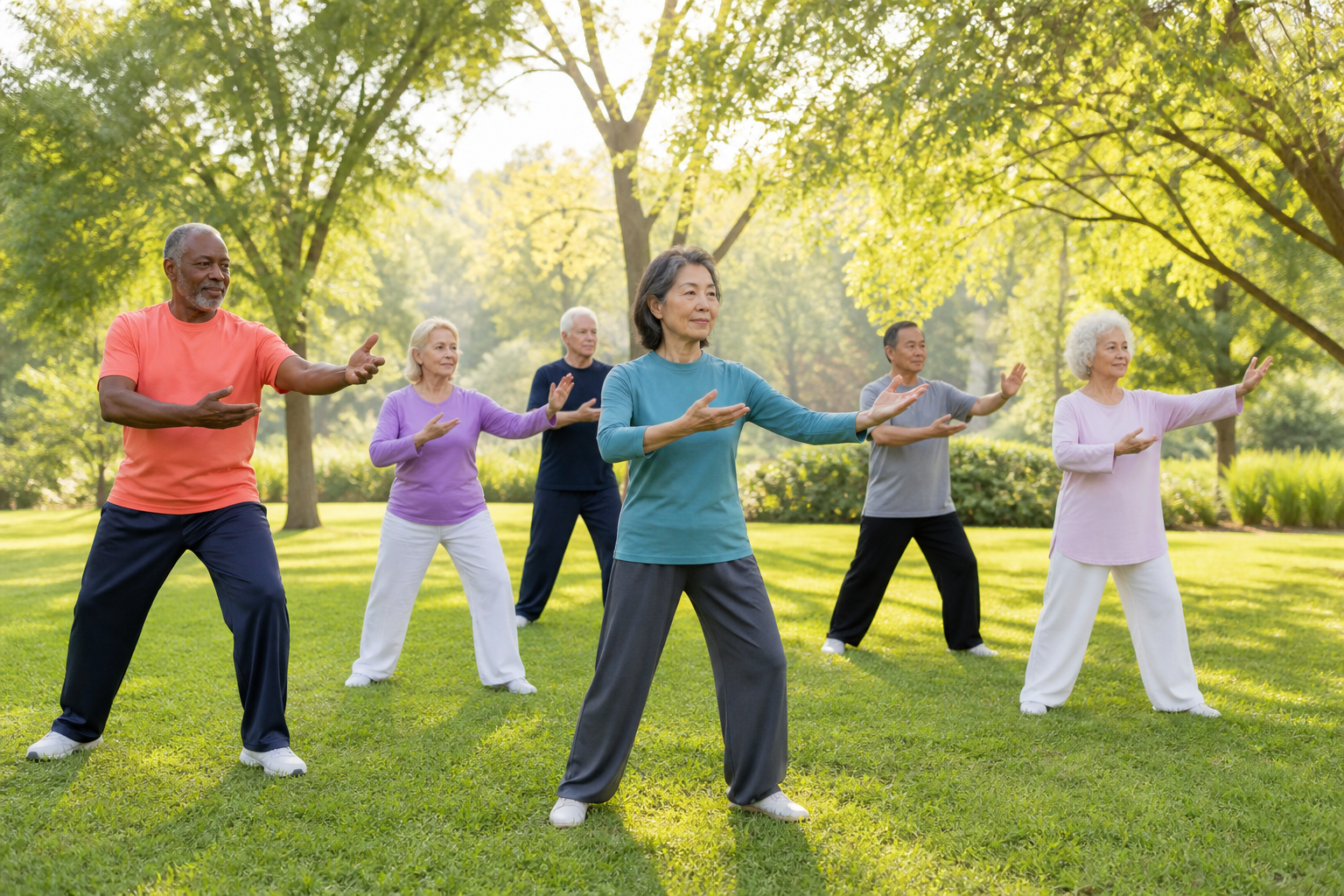
Tai Chi Benefits for Arthritis and Balance: What the Research Really Says (And How to Get Started)
I’ll never forget the first time one of my patients—an 82-year-old retired kindergarten teacher—came into my office positively beaming. She’d just finished a tai chi class at the community center. “My knees didn’t scream at me once!” she told me, with a little happy foot shuffle for emphasis. That was a decade ago, but I still see moments like that routinely. The truth is, for folks struggling with arthritis and poor balance, tai chi can feel suspiciously good. But does the research back it up, or are we all just buying into a wellness fad?
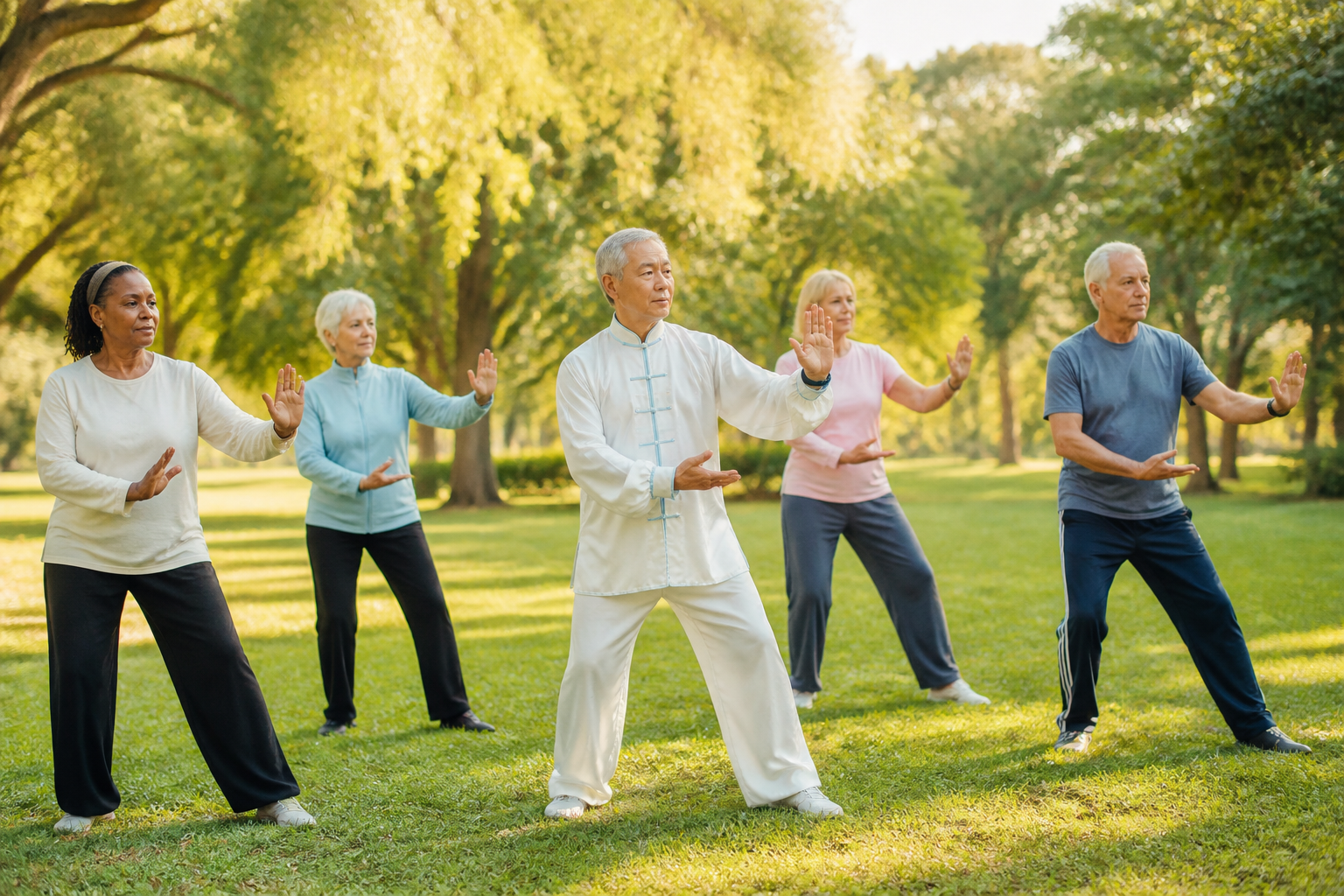
Why Arthritis and Balance Problems Feel Like a Double Whammy
If you’re reading this, you probably know how exhausting it is to worry about every step you take—or to wince every time you bend a joint. Arthritis doesn’t just bring pain; it erodes confidence in your body. And poor balance? That’s the silent thief of independence. Most people don’t realize just how interconnected these two issues are until every staircase looks like Mount Everest.
Here’s the thing: You’re not alone. More than 54 million Americans have diagnosed arthritis, according to the CDC. Balance issues, meanwhile, skyrocket as we age—especially if pain or stiffness limits your movement. I’ve had patients who stopped gardening, stopped traveling, even stopped walking their dog, all because “the ground felt unstable.”
How Tai Chi Works—Without the Mysticism
Tai chi gets packaged as a mystical ancient art, but at its core, it’s a sequence of slow, flowing movements and mindful breathing. Think of it as a mix of gentle stretching, standing balance exercises, and low-impact strength training—all rolled into one.
But here’s where things get interesting: Multiple studies show that tai chi does more than just "feel good" for arthritis and balance. In 2016, Arthritis & Rheumatology published a randomized controlled trial out of Tufts Medical Center. They found that 12 weeks of tai chi was as effective as physical therapy for reducing pain and improving function in people with knee osteoarthritis. And that’s not an isolated result—research from the Journal of Rheumatology (2013) and a 2019 meta-analysis in BMJ Open pile on more evidence.
What Exactly Happens in Your Body?
I get this question a lot. Here’s the short version:
- Improved joint mobility: Those slow, circular movements gently lubricate the joints (think: synovial fluid getting stirred up), which can ease stiffness and increase range of motion. Unlike squats or lunges, tai chi is joint-friendly—even on rough days.
- Muscle activation: Tai chi strengthens the quadriceps, calf, and core muscles, which are especially important for knee support and balance. A 2012 study in Physical Therapy reported increased quadriceps strength after 16 weeks of regular classes.
- Balance retraining: Tai chi constantly challenges your balance—shifting weight from one leg to the other, pausing in single-leg stances, and keeping your center of gravity moving smoothly. One 2017 review in Geriatrics & Gerontology International found tai chi reduced fall risk by over 40% in older adults.
- Pain modulation: There’s growing evidence that mind-body practices tweak the way your brain processes pain signals—kind of like turning down the volume on joint pain. I’ll admit: I used to think that sounded a little “woo-woo.” But fMRI studies back it up—tai chi practitioners show changes in brain areas involved in pain perception.
But Is It Really Better Than Other Exercise?
Here’s where you’ll hear some controversy. Some physical therapists say, “Any movement is good movement.” And they’re halfway right. But the real kicker is this: Tai chi often works for people who can’t tolerate traditional exercise. No high-impact steps, no getting up and down from the floor, no pounding your knees into submission. For folks with arthritis, that can be the difference between doing something and doing nothing.
I remember when my mother-in-law tried water aerobics and yoga. Her wrists couldn’t handle the down-dog poses, and her ankles rebelled in aqua shoes. But she stuck with tai chi, because she could always “go as slow as I needed.” That’s powerful.
What Does a Tai Chi Routine Look Like?
Most beginner classes (or follow-along videos) start with 5-10 minutes of gentle warm-ups—neck circles, shoulder rolls, ankle movements—then move into basic forms. You’ll practice shifting weight from left to right, slow stepping, gradually advancing to short sequences with poetic names (“Wave Hands Like Clouds” is a classic).
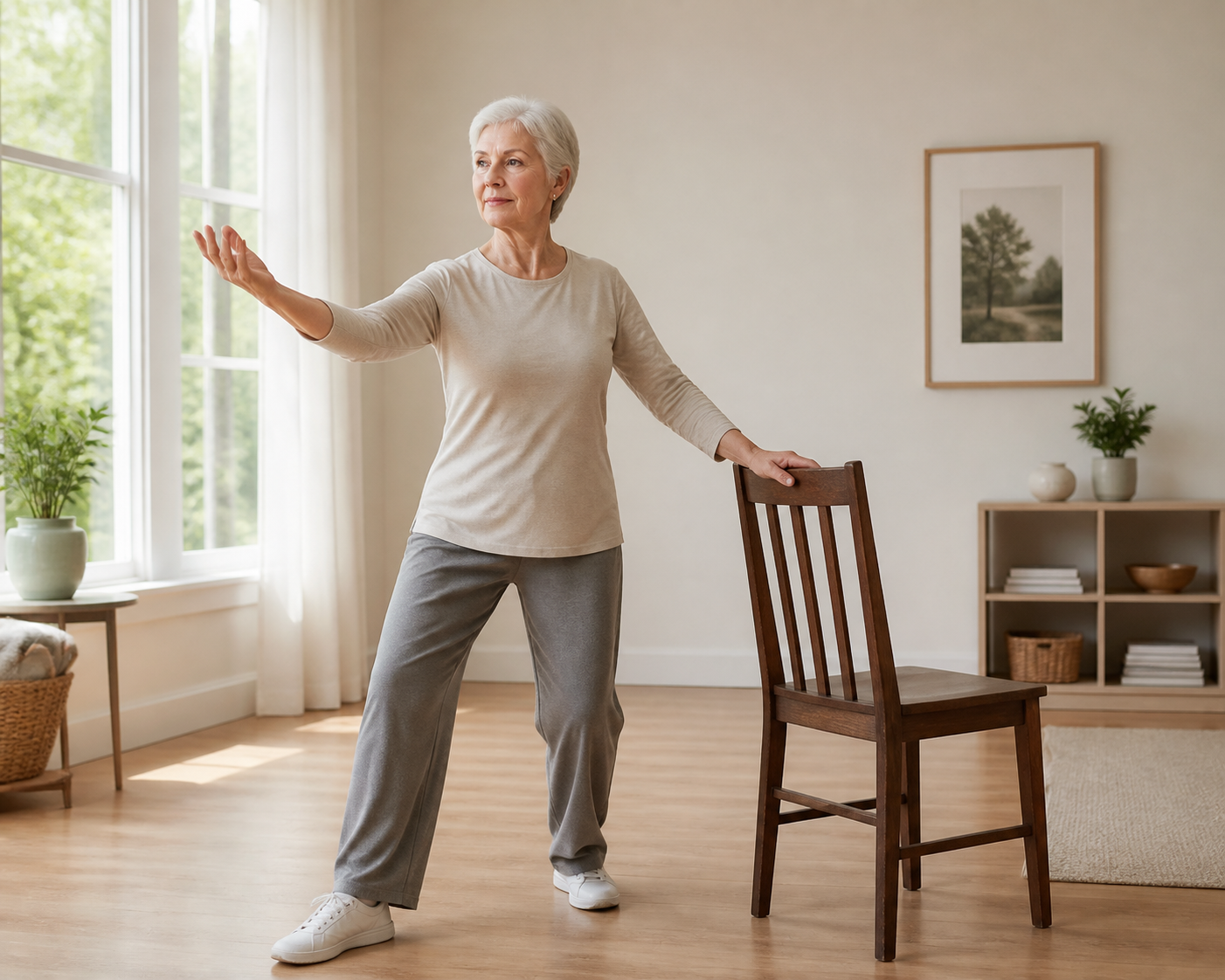
For arthritis and balance, longer isn’t always better. The best research uses routines of just 30-45 minutes, 2-3 times per week. And yes, you can absolutely do this in your living room—even holding onto a chair at first. Progress comes quietly, but it comes. I had a reader email me last month: after eight weeks of twice-weekly classes, she could walk at the local mall without clutching the handrail.
Practical Tips: Making Tai Chi Work for Stiff Joints and Wobbly Balance
- Start with a certified instructor (if possible). Look for teachers who specialize in arthritis or senior classes. The Arthritis Foundation even offers a “Tai Chi for Arthritis” curriculum that’s well-vetted.
- Can’t get to a class? YouTube is packed with beginner-friendly routines. Check out Dr. Paul Lam’s Tai Chi for Health series—my patients rave about his gentle pace.
- Set up a safe space. Clear the clutter, roll out a non-slip mat, and keep a sturdy chair within arm’s reach. I’m a big fan of using an aid in the early weeks—there’s no shame in it. If your knees are especially wobbly, a supportive knee brace like the Modvel Compression Knee Brace (which comes as a pair and has over 75,000 reviews) can offer gentle, non-restrictive support while you build confidence. Just don’t overtighten!
- Listen to your body. Tai chi should never hurt. A little muscle soreness is normal, but sharp joint pain isn’t. If you’re on blood thinners, have a recent surgery, or very unstable balance, talk to your doctor before trying new activity.
- Track small wins. Can you stand a little longer? Walk a little farther? Celebrate the little milestones. They add up.
Supplementing Your Routine: Tools and Books That Actually Help
Okay—soapbox moment here. Most articles will tell you to just “get moving.” But I’ve learned that the right gear can mean the difference between quitting and sticking with it. For those with sensitive knees (like many tai chi beginners with arthritis), a pair of reliable braces—something lightweight, breathable, with anti-slip silicone—adds both physical and mental confidence. I’m not going to name every brand on the market, but the Modvel Compression Knee Brace checks those boxes, and at $15 for the pair, it’s hard to beat for daily movement.
If you prefer a more structured home plan, Jim Johnson’s guide Treat Your Own Knees is surprisingly helpful even for tai chi practitioners. Johnson—a physical therapist—breaks down which exercises build strength, flexibility, and joint responsiveness without fancy equipment. His diagrams are stick-figure simple, and the focus on “responsiveness” (how fast your muscles react) fits beautifully with tai chi philosophy.
One more thing: Some days, arthritis flares up and tai chi just isn’t in the cards. For topical relief, I’ll be honest—I used to shrug at over-the-counter gels, but the data on Voltaren Arthritis Pain Gel is solid. It’s FDA-approved, contains diclofenac sodium, and in a 2022 Annals of Internal Medicine review, was shown to reduce knee and hand arthritis pain by as much as 50% in some users. It won’t fix your balance, but it might help you show up for practice on a rough morning.
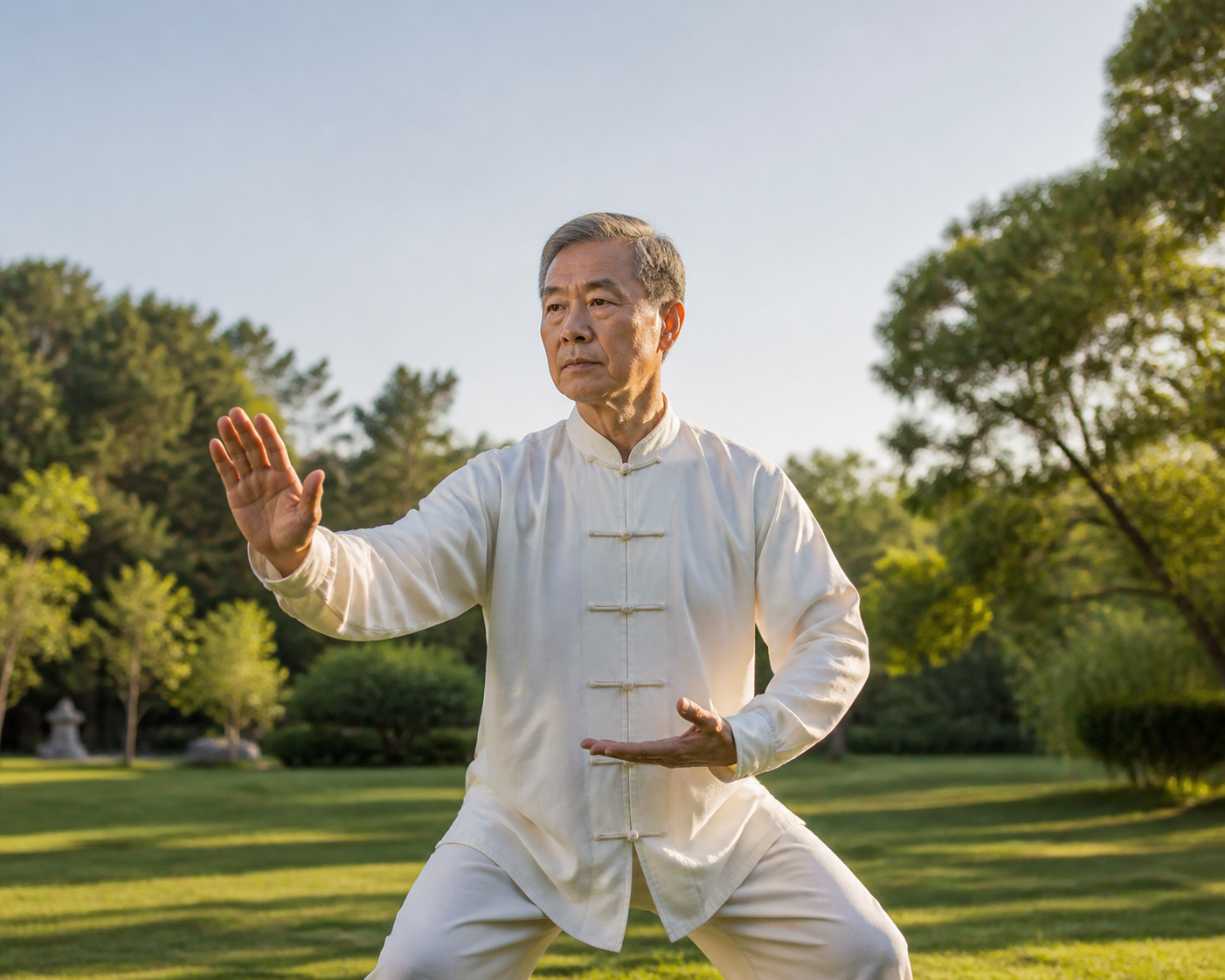
Digging Deeper: Tai Chi vs. Yoga vs. Walking (And Why It’s Not “One Size Fits All”)
Look, I don’t subscribe to movement snobbery. Walking is fantastic for cardiovascular health and mood. Yoga, when properly modified, builds flexibility and body awareness. But for arthritis and balance, here’s where tai chi edges out the competition:
- Low-impact, high balance challenge: You’re standing the whole time, but never stomping. No “get up off the floor” struggle like some yoga routines.
- No equipment required: No mats, blocks, or weights. A pair of supportive shoes or clean socks is plenty.
- Built-in mindfulness: The focus on slow breathing and body awareness can actually change the way your nervous system responds to pain and instability. It’s not a cure, but it’s a proven tool.
- Community: The group classes (even on Zoom) offer social support—something we wildly underestimate in recovery and long-term maintenance.
But I’d be lying if I said tai chi is perfect for everyone. If you have severe vertigo, significant cognitive impairment, or advanced neuropathy, you may need a more tailored program. And always—always—get medical clearance if you’re unsure.
Frequently Asked Questions
- Do I need to memorize the forms? No. Most instructors teach short, repeatable sequences. Nobody expects you to be Jet Li.
- What if I have a knee or hip replacement? Tai chi is generally safe after recovery, but clear it first with your surgeon or physical therapist. Gentle movements are key.
- Will tai chi cure my arthritis? I wish. But it will often reduce pain, improve function, and restore confidence in moving.
- How long before I see benefits? Most research shows improvement in pain and balance within 6-12 weeks of regular practice, though some feel better after just a few sessions.
Fresh Takeaways: Moving Forward With Confidence (And a Little Less Pain)
If you’re nodding along, you’re not alone. The research backs what practitioners have known for generations: Tai chi is more than slow-motion arm waving. For arthritis and balance, it’s a game-changer—gentle enough to start today, effective enough to keep you moving for years to come.
Set your own pace. Try a class, or start at home with online videos. If you need a little extra help, don’t be afraid to use supportive gear or a topical pain reliever on rough days. And, as always, check in with your healthcare team if you have major medical concerns—it’s not worth risking a fall to go it alone.
I’ll leave you with this: One of my favorite patients, a 90-year-old named Helen, once told me, “I do tai chi so I can keep climbing the stairs to my piano.” Isn’t that what we’re all after? Movement, independence, and a little bit of joy, even with creaky knees.
See you out there—one slow, steady step at a time.
Dr. Michael Torres, DC
Chiropractor, Nutrition Counselor, JointReliefReviews.com columnist