
Tai Chi Benefits for Arthritis and Balance: What the Science (and My Clients) Say
I’ll never forget the first time I saw an entire group at our local senior center moving like a slow-motion river. Some folks in their 70s and 80s, others decades younger—all moving together, gracefully, calmly, and, according to more than one participant, almost pain-free. That was my introduction to tai chi for arthritis. It wasn’t some mystical secret. Just a bunch of regular people trying to stay mobile, steady, and independent.

The Daily Grind of Arthritis and Instability
If you’re nodding along, you’re not alone. Arthritis isn’t just about the occasional ache—it’s that daily, nagging restriction that makes stairs daunting and standing from a chair feel like an Olympic lift. And let’s be honest—every little wobble or stumble brings a flash of worry: What if I fall and don’t bounce back?
I see this every week with my clients. They want to garden, play with grandkids, or simply walk around the block—without the constant threat of pain or falling. Some rely on knee braces or topical pain gels just to make it through the day. But here’s the thing: while products like Voltaren Arthritis Pain Gel can help with daily pain flares (and I do recommend it for targeted relief), they don’t address one root problem: movement confidence and balance.
The Tai Chi Difference: What Is It, Anyway?
Look, I get it—tai chi can sound a bit floaty if you haven’t tried it. It’s an ancient Chinese practice often described as “meditation in motion.” But that sells it short. Tai chi is actually a low-impact, weight-shifting exercise that emphasizes slow, controlled movements, coordinated breathing, and gentle focus. If you can stand up, you can do tai chi—and yes, there are even seated versions.
But does it actually help arthritis and balance? Let’s dig into the science (and sprinkle in a few real-life stories).
Does Tai Chi Reduce Arthritis Pain? The Research Says Yes
I’ll be honest—I was skeptical at first. I’m a data guy. But the research is nearly impossible to ignore. A 2016 review in Arthritis & Rheumatology analyzed data from over a dozen trials and found tai chi was consistently effective at reducing pain, stiffness, and even improving physical function in people with knee osteoarthritis. And not just by a little—a typical 12-week tai chi program led to pain reductions comparable to standard physical therapy exercises.
Another 2022 meta-analysis (published in BMJ Open) looked at over 1,500 people and found that tai chi participants had significant improvements in both pain and quality of life scores. In fact, pain scores dropped by an average of 25–30%. That’s not placebo territory. That’s real-world relief.
Here’s where it gets interesting: tai chi may also help reduce inflammation. A small but fascinating study in The Journal of Rheumatology (2010) showed that regular tai chi practice was linked with lower blood markers of inflammation in people with rheumatoid arthritis. Is it magic? No. But it’s a gentle, sustainable way to get the joints moving, with a hefty side benefit—less pain with fewer pills.
But What About Balance and Falls?
Falls aren’t just a nuisance. For folks over 60, they’re one of the top reasons for hospitalizations. And it’s not always about weak muscles—sometimes it’s disconnects between the brain, nerves, and stabilizing muscles. Here’s where tai chi’s unique blend of slow weight shifts and mindful movement shines.
A 2015 major trial in the New England Journal of Medicine put tai chi head-to-head with a traditional stretching and resistance program for older adults with balance problems. Twelve weeks in, the tai chi group had nearly 50% fewer falls than the control group! That’s a massive difference. And the effect wasn’t just short-term—several studies show that regular practice keeps balance systems resilient, even in folks with existing arthritis or mild neuropathy.
One of my readers emailed me about her father, who’d fallen twice in a single month before starting a community tai chi class. Six months later, no falls—and he was tackling garden steps with a confidence she hadn’t seen in years. (She credits tai chi. I don’t disagree.)
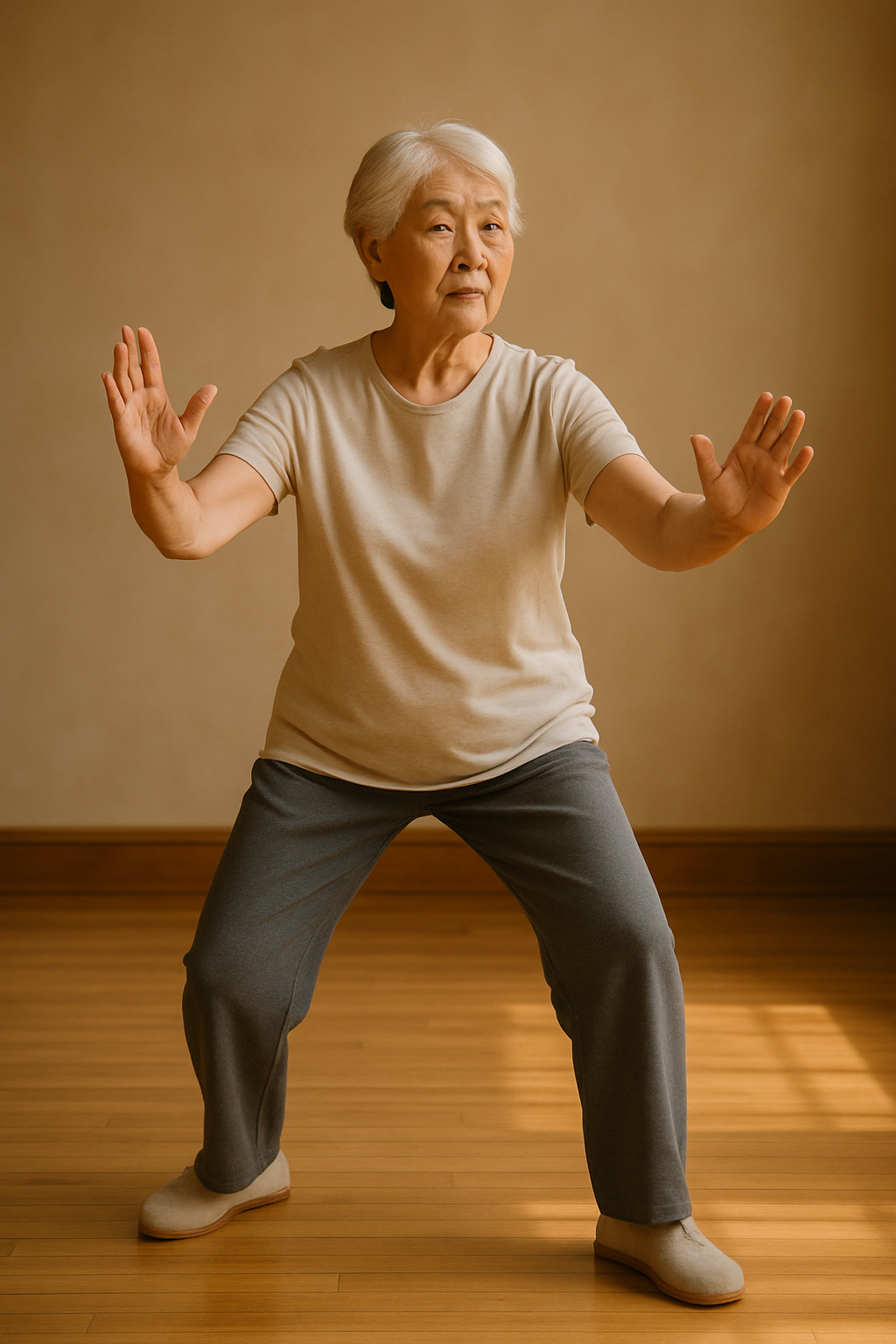
How Does Tai Chi Actually Work for Joints and Balance?
- Muscle Activation (Without Overload): Tai chi gently strengthens key stabilizer muscles around the knees, hips, and ankles—without the pounding load of squats or lunges. That means less wear-and-tear for folks with arthritis.
- Proprioception Boost: All those slow, shifting movements train your body’s sense of position (proprioception), which is the secret sauce behind better balance and confident walking.
- Reduced Joint Compression: Because tai chi avoids sudden impact or deep knee flexion, it’s joint-friendly—even for severe osteoarthritis.
- Mindfulness and Mood: A surprising bonus: regular tai chi practice lowers stress hormones and boosts mood. Several studies (like a 2017 trial in Psychology & Health) found tai chi participants reported less anxiety and better sleep. I can’t count how many clients tell me their pain is worse when they’re tense or sleep-deprived.
If you think of your body as an orchestra, tai chi is like gently tuning every section—muscles, nerves, breath, and even the mind—so you play in harmony, not chaos. That’s why it works so well for both pain and balance.
How Safe Is Tai Chi for Arthritis?
Here’s some good news—tai chi is remarkably safe, even for beginners or people with significant joint issues. Unlike running or high-intensity aerobics, there’s almost no risk of joint injury. In a 2019 review in Clinical Rehabilitation, adverse events were almost non-existent. The biggest risk? Getting a little bored if your instructor’s music playlist never changes (true story—ask me about the endless pan flute CD at my old studio).
But, as always, talk to your doctor before starting anything new, especially if you have advanced arthritis, unstable joints, or a recent fall. Some people need to start with seated movements before building up to standing routines. That’s perfectly okay—modification is part of the process.
Not All Tai Chi Is the Same: Picking the Right Style
Now, here’s a mild controversy—most articles gloss over this. There are many styles of tai chi, but not all are suitable for arthritis or balance-challenged folks. Styles like Chen or Wu can be more intense, with deeper stances and faster moves. For joint health, I recommend the Yang style, especially the simplified 8, 10, or 24-move sequences taught in arthritis classes (like those developed by Dr. Paul Lam and adopted by the Arthritis Foundation).
If you’re brand new, look for classes labeled “Tai Chi for Arthritis and Fall Prevention.” If group classes aren’t available, there are fantastic home programs, including DVDs and streaming options. The key is gentle, pain-free movement—not pushing through discomfort.
How to Start: Tai Chi for Beginners with Arthritis
Getting started doesn’t need to be intimidating. Here’s what I recommend to clients who want to try tai chi safely:
- Check with Your Doc: Especially if you have unstable knees, recent joint surgery, or multiple health conditions.
- Find the Right Class: Look for beginner or arthritis-focused classes at community centers, senior centers, or YMCAs. Instructors should be certified and experienced with older adults.
- Start Slow: Even 10–15 minutes 2–3 times a week is a great start. Don’t stress about memorizing all the moves—just focus on the flow and your breath.
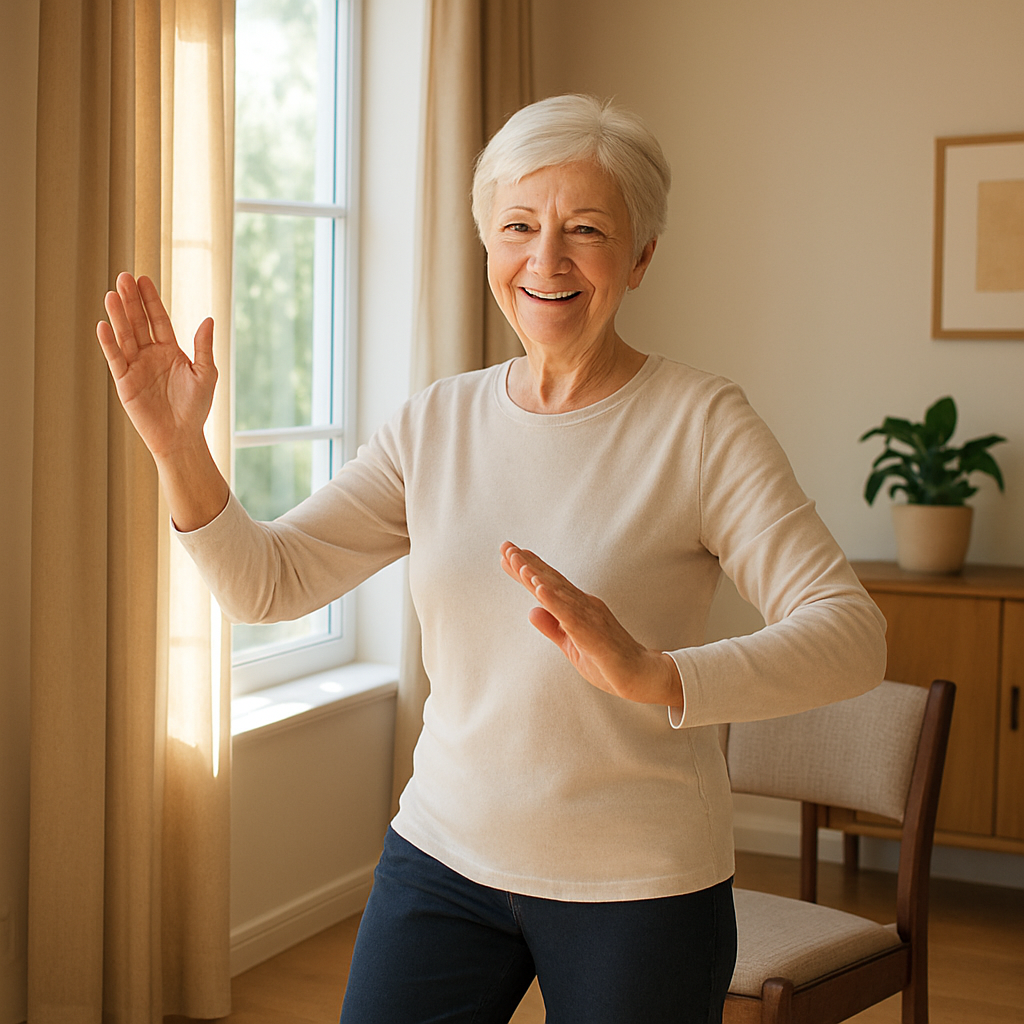
- Consider Support: If standing feels unstable, practice near a sturdy chair or countertop for balance. (Some of my clients even use a NEENCA Professional Knee Brace for confidence until their muscles catch up.)
- Listen to Your Body: If you feel sharp pain, stop and modify. Tai chi should never make joint pain worse.
Bonus tip: If you want to reinforce gains, simple home exercises—like those in the excellent Treat Your Own Knees by Jim Johnson—can complement tai chi and help you build strength at your own pace. (Full disclosure: I keep a stack of these in my office, and hand them out like candy.)
Tai Chi vs Other Arthritis Exercise: Why It Stands Out
I know some old-school physical therapists roll their eyes at tai chi and prefer “more intense” exercise. But real talk—most people with arthritis don’t stick with high-intensity regimens. Tai chi’s superpower is accessibility. No special gear, no gym membership, no fear of looking silly. You can practice barefoot in your living room (or backyard, if your neighbors are cool).
And while physical therapy remains a gold standard for acute injuries or post-surgery recovery, tai chi is a sustainable, lifelong practice. It’s a balance-builder, a pain-reducer, a stress reliever—and, yes, a confidence booster. That’s why, in my clinical practice, I often recommend it as part of a “movement toolbox,” alongside occasional use of pain relief gels or supportive braces for flare days.
Frequently Asked Questions about Tai Chi for Arthritis and Balance
- "Do I need to be flexible?" Not at all. Tai chi actually improves flexibility over time, but you can start at any level.
- "Is it okay with a knee replacement?" Usually yes—but confirm with your orthopedic surgeon. Tai chi’s slow, controlled movements are generally safe post-rehab.
- "Can I do tai chi if I use a cane or walker?" Absolutely. Many instructors offer modified routines—sometimes even seated—so you can build confidence and strength without risk.
- "How long until I see benefits?" Most people notice improved balance and joint comfort in 4–6 weeks of regular practice. Pain relief can be gradual but often sustains longer than with “quick fix” treatments.
Where Tai Chi Fits in Your Arthritis Toolkit
This isn’t a magic cure. No movement modality works for everyone, and some days, a topical like Voltaren or a NEENCA Knee Brace truly makes the difference between staying active and staying on the couch. But tai chi is one of the few practices I recommend to almost everyone—because it’s gentle, research-supported, and, in the best cases, deeply empowering.
Key Takeaways: Tai Chi’s Real-World Benefits for Arthritis and Balance
- Consistent tai chi practice reduces arthritis pain, stiffness, and improves mobility—documented in dozens of major studies.
- Tai chi dramatically cuts fall risk (up to 50%) by building balance, proprioception, and movement confidence.
- It’s safe for nearly all ability levels, with beginner-friendly and even seated routines available.
- Other tools—like pain gels or knee braces—can pair well with tai chi for maximal comfort and confidence.
If you’ve ever felt like arthritis is stealing your “bounce”—whether it’s a literal stumble or just a dip in confidence—tai chi is absolutely worth a try. Low risk, real reward. If you need help getting started, email me or ask your local physical therapist for reputable class recommendations.
Stay steady, move gently, and don’t be surprised if you rediscover your inner dancer (even if you always had two left feet).
James Chen, MS, CSCS
Exercise Scientist & Joint Health Columnist
JointReliefReviews.com