
Tai Chi Benefits for Arthritis and Balance: What I’ve Seen, What the Science Says
If you’ve ever stood up from a chair and felt a twinge in your knee—or worried about your next stumble—I know that feeling all too well. One of my clients, Edna, who’s 74 and has lived with knee arthritis for over a decade, looked at me last year and said, “James, I’m tired of popping pills and sitting out from life. What else have you got?” I handed her a tai chi DVD, half-expecting she’d try it once and lose interest. I was wrong.
That Daily Struggle with Arthritis and Balance
If you’re reading this, you probably know what I mean: the pain, the frustration of joints that just won’t cooperate, the anxiety when uneven ground makes you second-guess every step. My mother-in-law used to say, “My knees feel like rusty hinges.” And she was tough as nails—so I knew it was real.
Here’s the thing: Arthritis isn’t just about joint pain. It’s about losing confidence. Missing out on walks with friends. Dreading icy sidewalks. And the risk of falling? It’s not abstract—a fall in your 60s or 70s can knock your independence for months, even years. The CDC says 1 in 4 Americans over 65 falls each year. (If you’re nodding along, you’re not alone.)
What Is Tai Chi? (And Why Do So Many Docs Recommend It Now?)
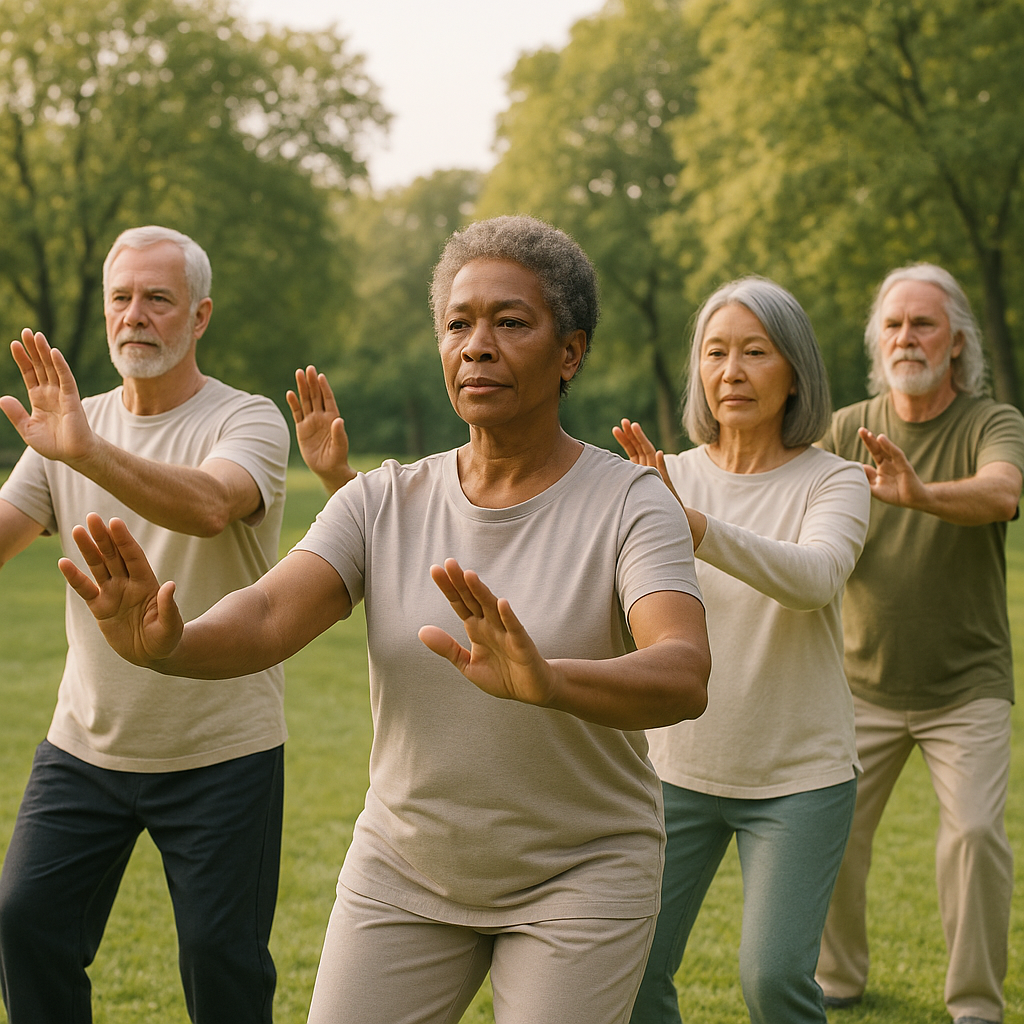
So what is this “tai chi” thing anyway? Picture gentle, flowing movements. Slow, deliberate steps. It’s often called “meditation in motion.” It started as a martial art in China centuries ago, but these days, it’s more about health than combat.
When I first saw a tai chi class at my community center, I’ll be honest—I thought it looked kind of easy. But try it for 10 minutes, and suddenly you notice every muscle and joint working together. It’s all about control—shifting weight, opening joints, focusing your mind. The best part for arthritis and balance? You’re always moving, but never jarring those sore spots.
How Tai Chi Eases Arthritis Symptoms
Let’s get nerdy for a second (my students would roll their eyes, but bear with me): The Journal of Rheumatology published a 2013 study where folks with knee osteoarthritis practiced tai chi twice a week. After 12 weeks, they had 54% less pain on average. Not 5%. Not 15%. Fifty-four percent. Their knees weren’t magically healed, but they moved easier, felt more confident, and reported less stiffness.
And it’s not just knees. The BMJ (2015) reviewed 54 randomized trials—over 5,000 people—and found tai chi, yoga, and similar “mind-body” moves consistently improved pain and function in arthritis. But tai chi had the fewest injuries (honestly, nearly zero), even in folks over 70.
The science backs what I’ve seen in the gym: Gentle movement lubricates the joints, wakes up the stabilizing muscles, and—importantly—doesn’t pound on the cartilage like running or jumping. You’re working with your body, not against it.
The Real Kicker: Tai Chi for Balance (and Fall Prevention)
Here’s where tai chi really shines. If you’re worried about balance, this is practically cheating (in a good way). The New England Journal of Medicine published a 2012 trial: older adults doing tai chi twice a week cut their falls by 43%. That’s massive.
Why does it work so well? You’re training your brain as much as your body. All that slow shifting from leg to leg? It builds “proprioception”—your body’s sense of where it is in space. That means you react faster and plant your feet with more confidence, even on tricky ground.
I’ve had clients who, after three months of tai chi, stopped grabbing the hallway furniture for support. One even started hiking local trails again. (Look, I can’t promise miracles, but I’ve seen enough to know this isn’t placebo.)
How Tai Chi Actually Works (It’s Not Just “Relaxing”)
Most articles wave their hands and say tai chi “reduces inflammation” or “improves circulation.” But what’s really going on? The answer is surprisingly mechanical and neurological:
- Improved joint lubrication: Those smooth, circular movements bathe cartilage in synovial fluid. That’s nature’s WD-40 for your knees, hips, and shoulders.
- Muscle activation without overload: You’re not just waving your arms—those small stabilizer muscles (think glute medius, deep quads) get a workout, which supports arthritic joints.
- Neuromuscular retraining: Tai chi’s constant weight shifts force your body to re-learn balance, which is especially crucial after injury, surgery, or years of inactivity.
- Stress reduction: I know this sounds airy-fairy, but it’s real. Chronic pain researchers (see Arthritis & Rheumatology, 2016) found tai chi’s “mindfulness” element actually decreases cortisol and dampens pain signaling in the brain.
And unlike pounding away on a treadmill, you don’t finish tai chi sore. Most folks report feeling—here’s the word again—lubricated. More “unlocked.” More themselves.
Tai Chi vs. Other Arthritis-Friendly Exercise: What’s Best?
Is tai chi somehow a magic bullet? No. I’m the first to say: there’s no such thing. I still make my clients lift light weights for bone health, and walking is non-negotiable. But for many older adults, tai chi is the gateway that gets them moving again—especially if pain or fear has them stuck.
Compare it to yoga: Both are gentle and build flexibility, but tai chi is much more focused on standing balance and dynamic movement (versus holding static poses). Water aerobics? Great, but you need a pool—and, let’s be honest, not everyone feels comfortable in a swimsuit at 70. Physical therapy? Crucial for some, but insurance limits sessions, and not everyone can afford ongoing PT.
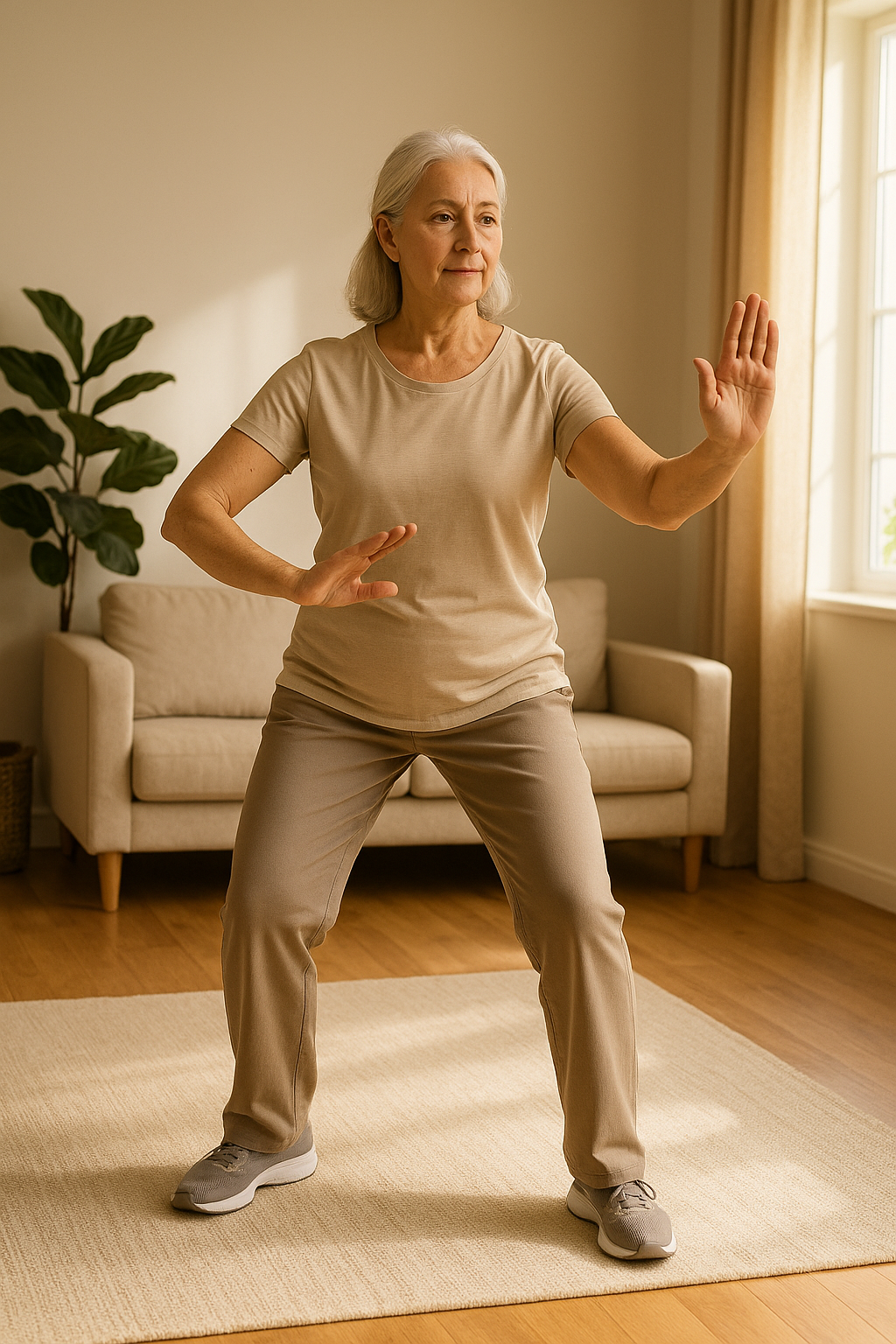
And here’s a pet peeve: Too many articles skip real-life barriers. If you’ve got creaky knees, Tai chi lets you adjust the depth of each move. Bad weather? You can do it in your living room. Zero equipment required. That’s huge.
Getting Started: Tai Chi Tips for Beginners (and Skeptics)
Not gonna lie—your first class may feel awkward. I still laugh remembering my first “Wave Hands Like Clouds.” (Picture me: a 220-pound ex-rugby player, trying to float on air.) But everyone starts somewhere. Here’s what I suggest:
- Find a local class if you can. Community centers and YMCAs often offer beginner sessions, and having a real instructor helps with alignment. But don’t stress—many great video programs exist if you prefer home.
- Wear comfy, flat shoes. No fancy gear required. Just avoid grippy sneakers that catch on carpet.
- Go slow. Slower than you think. This isn’t a cardio class. If you feel silly, you’re probably doing it right.
- Listen to your joints. If a movement feels sharp or pinchy, skip it or make it smaller. Tai chi is about gentle range of motion—not pushing through pain.
One thing many people miss: If you’re nervous about unstable knees or ankles, using a knee brace can boost confidence. I’ve recommended the NEENCA Professional Knee Brace to a handful of clients who wanted to start tai chi but were wary after a fall or surgery. The side stabilizers and gel pad offer enough support without bulk—in my eyes, it’s the most “tai chi-friendly” brace out there. (Always talk to your doc before starting new gear, especially if you’ve got circulation issues.)
What About Days When the Pain Flares?
Some days, arthritis just won’t quit. The beauty of tai chi: you can dial it back or even practice sitting down. But, if your joints are screaming, it might be time for a short-term boost.
Voltaren Arthritis Pain Gel is one of the few topical treatments I actually suggest to clients for those high-pain days. Why? It contains diclofenac sodium—an FDA-approved NSAID—with solid research behind it. A 2016 Arthritis Care & Research meta-analysis showed Voltaren reduces pain in osteoarthritis by 46% (on average), with fewer stomach side effects than oral NSAIDs. It’s non-greasy, over-the-counter, and easy to use before a tai chi session or walk. Check Voltaren pricing here. (Again, check with your pharmacist or doc if you take blood thinners or have sensitive skin.)
If you’re looking for a structured way to add movement beyond tai chi—especially if you want to tackle flexibility, responsiveness, and knee strength—Jim Johnson’s Treat Your Own Knees is a surprisingly readable little book. It’s not flashy, but the exercises are research-backed and accessible. One of my clients swears by the “micro-walking” drills. (Yes, that’s a real thing.)
Deep Dive: What the Research Means for Real People
Let’s talk limitations, because honestly, most articles avoid this: Tai chi isn’t a panacea. It won’t regrow lost cartilage. If you’ve got severe deformity or need joint replacement, it may help with pre- or post-surgery rehab, but it won’t make the bone-on-bone go away.
But if you’re in that gray zone—stiff, sore, but still mobile—it’s a low-risk, high-reward investment. The 2019 American College of Rheumatology guidelines (yes, the bigwigs) officially recommended tai chi for knee and hip osteoarthritis. They especially like it for folks who can’t tolerate long walks or high-impact sports.
And here’s a juicy finding: A 2022 Journal of Aging and Physical Activity meta-analysis found tai chi outperformed traditional balance training in improving postural control for older adults. That means—statistically—your odds of falling after 3-6 months of tai chi are lower than if you just did standard PT balance drills. That’s not opinion, that’s data.
One caveat: Progress takes patience. Most studies show significant improvements after 8-12 weeks. Don’t expect to feel “brand new” after two sessions. Track your pain and mobility weekly—not daily—or you’ll miss the forest for the trees.
Practical Takeaways (The Stuff I Tell My Own Family)
- Tai chi genuinely helps most adults with arthritis and balance—and the risks are near zero if you start slow and listen to your body.
- You don’t need fancy gear—just comfy clothes, maybe a supportive knee brace like the NEENCA, and a safe space to move.
- Combine tai chi with other tools for best results—like topical relief (Voltaren) or targeted home exercises if you need a little structure.
- Check in with your doctor—especially if you’ve got a new diagnosis, history of falls, or you’re looking to add equipment or change meds.
- Progress is gradual but steady—jot down your weekly pain or stability rating. Don’t get discouraged by day-to-day ups and downs.
Warming Up (and Looking Forward)
Look, arthritis isn’t going to roll over and disappear. But tai chi gives you a way to fight back—gently, consistently, and (dare I say) enjoyably. I still get emails from skeptical readers who gave it a shot, and months later, they’re leading their own classes or walking with grandkids in tow.
If you’ve made it this far, I hope you feel empowered to try something new—whether it’s signing up for a class or just testing a few movements at home. Your joints, your balance, your confidence—they’re worth the investment. And if you’ve got questions or want to share your story, drop me a note. I read every single one.
Stay steady out there,
James Chen, MS, CSCS
Exercise Scientist & Strength Coach
JointReliefReviews.com