Tai Chi Benefits for Arthritis and Balance: What I’ve Learned (And Why I Recommend It)
Here’s the thing: About a year ago, a reader named Helen wrote to me, frustrated and worried. Her knees ached every morning, her ankles were wobbly on stairs, and she missed gardening without fear of falling. She’d read about tai chi helping arthritis and balance, but wasn’t sure it was more than wishful thinking. I’ll be honest—I was skeptical too, back when my own mother-in-law’s physical therapist suggested it for her creaky hips. But the science? It’s surprisingly solid.
Why Arthritis and Balance Go Hand-in-Hand (And Why That Matters)
If you’re nodding along, you’re not alone. Nearly 54 million Americans live with arthritis, according to the CDC. And here’s the kicker: more than 40% of them report some sort of balance issue. It’s not just about pain—stiff, inflamed joints can throw off your stability, making you more likely to trip on a curb or lose confidence with each birthday candle. That fear of falling? It’s real, and it’s not just psychological. I’ve heard it from dozens of readers, and I’ve seen it in my own family.
What surprised me is how deeply arthritis and poor balance are connected. When your knees or hips hurt, your body adapts with ‘protective’ movement patterns—locked knees, shuffling, holding your breath—that make you less steady over time. And the less you move, the weaker those essential stabilizer muscles get. You see the vicious cycle.
What Is Tai Chi, Really?
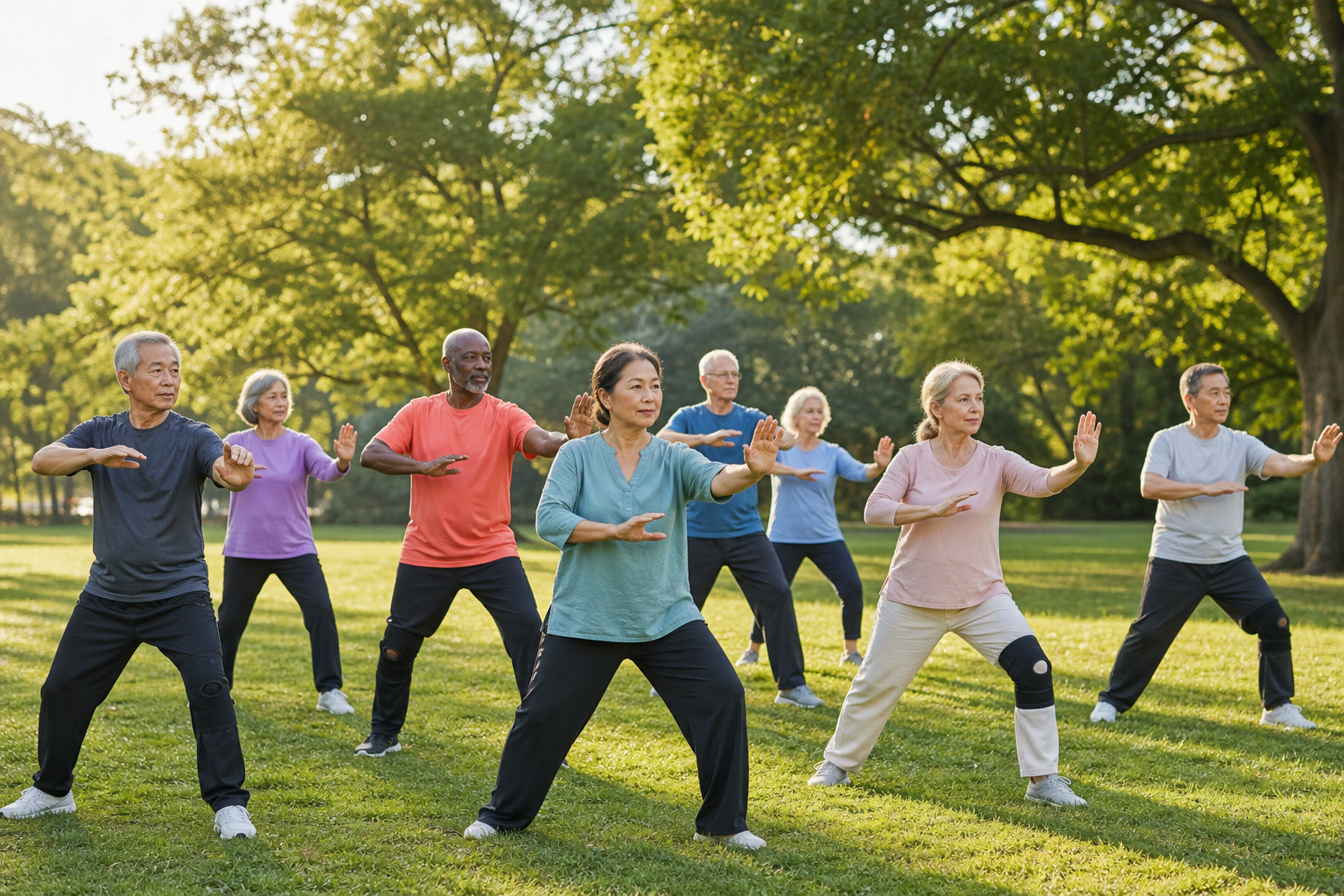
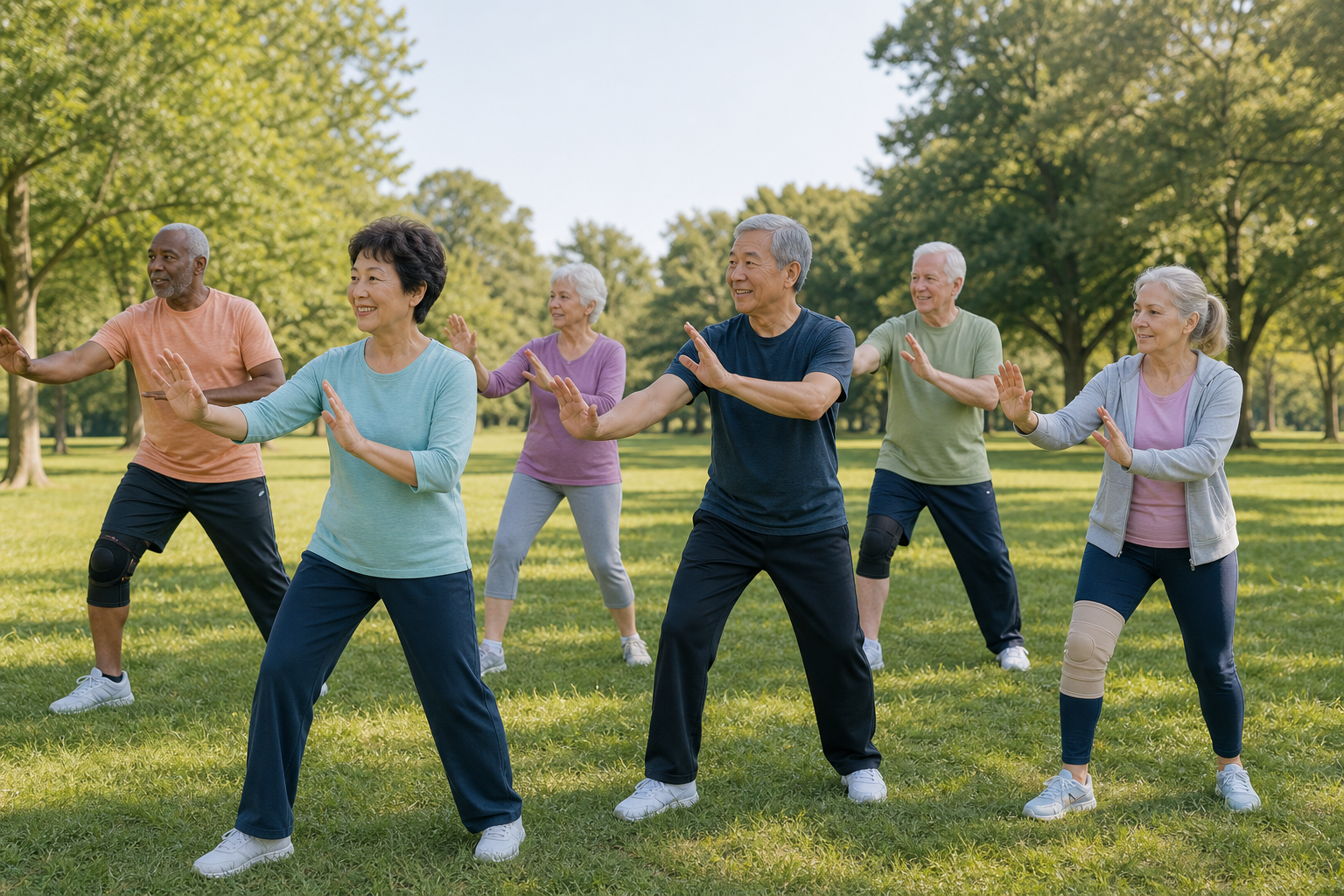
If you imagine slow-motion kung fu, you’re not far off. Tai chi is an ancient Chinese movement practice, usually performed in a series of gentle, flowing postures. The real beauty? You don’t need special equipment, fancy clothes, or a gym membership. (I started with a YouTube video in my living room, tripping over a sleeping pug.)
Unlike yoga, which can include deep stretches and floor work, tai chi is usually done standing. Movements are deliberate, controlled, and—this is important—weight is constantly shifting from one leg to the other. That subtle challenge to your balance is the real magic for those of us with creaky joints.
The Scientific Case: Tai Chi’s Benefits for Arthritis
Let’s break it down. Is tai chi just a gentle exercise, or is there proof it helps arthritis and balance? I dug into the literature, and the results surprised me.
- Reduced Pain: In a 2016 Annals of Internal Medicine study, participants with knee osteoarthritis who did tai chi twice a week saw similar pain reduction as those doing standard physical therapy (think: 40% less pain after 12 weeks).
- Better Function: That same study found people could walk further, stand up from chairs easier, and reported less stiffness—without any side effects beyond initial soreness.
- Less Inflammation: Some preliminary data (see Arthritis & Rheumatology, 2018) suggests tai chi may even lower markers of inflammation in the blood. This isn’t a magic cure, but it’s promising.
And it’s not just knees. There’s research out of Boston University showing benefits for hip, hand, and even shoulder arthritis. The movements are so adaptable, instructors can tailor them to your needs—standing, sitting, or anything in between.
The Real (And Unexpected) Payoff: Balance
Here’s where it gets interesting. The Journal of the American Geriatrics Society published a 2017 meta-analysis looking specifically at tai chi and fall risk. Across 18 randomized controlled trials, people doing tai chi had a 31% lower risk of falling than those who didn’t. For comparison, that’s about as effective as standard balance therapy.
Even better? The benefits stick around for months after you stop formal classes. That’s probably because tai chi trains your muscles, nerves, and brain to work together—improving strength, reaction speed, and the confidence to catch yourself if you start to wobble.
One reader, Janet, told me she used to clutch the banister “like it was a lifeline.” Six months after starting tai chi, she’s hiking with her grandkids—still careful, but with a whole new level of trust in her legs.
How Does Tai Chi Actually Work?
The mechanism is fascinating. Tai chi emphasizes slow, weight-shifting movements that quietly train all those little muscles around the knee, ankle, and hip—the ones standard exercise often ignores. You’re also practicing proprioception (your body’s sense of spatial awareness). It’s like physical therapy, but sneakily disguised as art.
And, yes, there’s the mind-body side as well. The meditative element helps reduce anxiety—another major trigger for fall risk and pain sensitivity in arthritis patients. (I could write a whole separate article on this.)
Okay, But Is It Safe for Everyone?
Most people with arthritis can try tai chi safely, but, and I can’t stress this enough, talk to your doctor before beginning any new movement program—especially if you have severe balance problems or joint replacements. Instructors with arthritis experience can modify movements. I remember a local class where half the participants stayed seated, and that was perfectly fine.
If you’re working through a flare or recovering from joint surgery, gentle is the name of the game. Start with 5-10 minutes, focus on form, and don’t worry if it feels awkward at first. It did for me, but by week three, that weird hip twinge after long walks? Gone.
Real-World Tips for Getting Started (No, You Don’t Need a Fancy Studio)
- Start Where You Are: Find a beginner class—local senior centers, YMCAs, some arthritis clinics, and even YouTube have great options. Look for “Tai Chi for Arthritis” programs, which are specifically designed for joint safety. The Tai Chi for Health Institute directory is a reliable resource.
- Wear Support If You Need It: Got wobbly knees? A supportive knee brace can make learning new movements less intimidating. I like the NEENCA Professional Knee Brace for its blend of stability and comfort—it’s genuinely helpful during long standing sessions. (Just don’t wear it so tight you cut off circulation; I learned that the hard way!)
- Don’t Stress About Perfection: Tai chi is about mindful movement, not mastering choreography. If you mess up a step, so what? Laugh it off and keep going. That’s the secret sauce—persistence, not perfection.
- Layer With Other Tools: On high-pain days, topical relief like Voltaren Arthritis Pain Gel can tame joint discomfort enough to let you move. I reviewed it for Arthritis Today and found it especially effective for hand and knee flares.

Comparing Tai Chi to Other Exercises for Arthritis and Balance
Now, most articles will tell you, “Any exercise is good exercise.” I sort of disagree. If you have arthritis and balance problems, some routines are just better than others:
- Yoga: Fantastic for flexibility, but poses like Warrior or Downward Dog can be brutal on sore wrists and knees. (Trust me, I’ve faceplanted more than once.)
- Walking: Great cardio, but doesn’t train balance directly. Plus, uneven terrain can be risky if you’re already unsteady.
- Strength Training: Invaluable for joint support, but machines don’t teach you how to catch yourself mid-stumble. Tai chi does.
I still encourage a mix—variety keeps bodies happier—but if you want to target pain, stiffness, and steadiness all at once, tai chi is uniquely effective. And, honestly, it’s fun. There’s a reason it’s stuck around for centuries.
Bonus: Mental Health and Social Connection
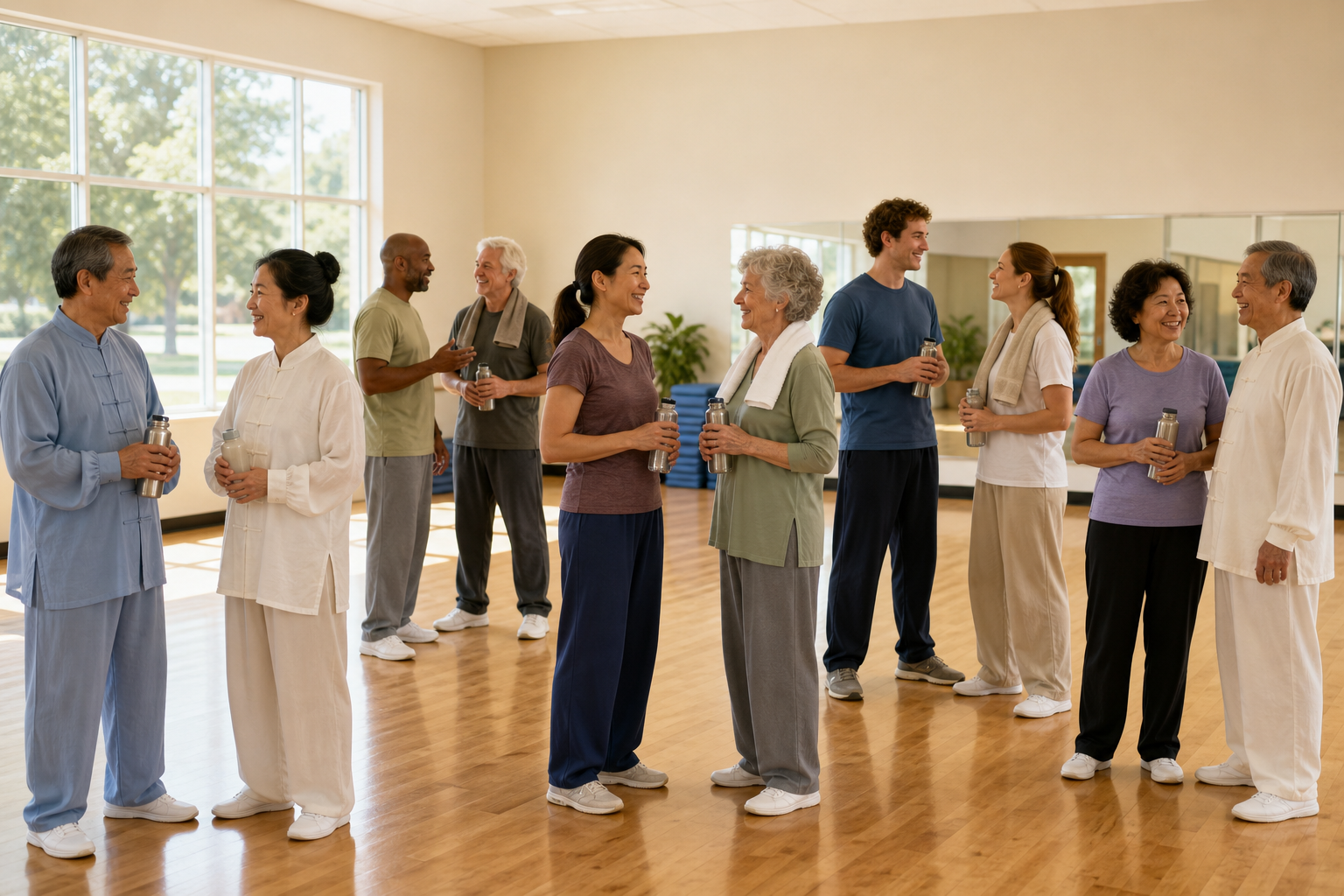
One underrated benefit? The emotional boost. Chronic joint pain is lonely business. In group classes, I hear laughter, commiseration, and genuine support. Some of my closest friends are women I met in a Tuesday morning tai chi class—one brings zucchini bread, another updates us on her grandkids. That sense of belonging does wonders for motivation and mood, which, by the way, also lowers pain perception (see the 2021 BMJ Open review on exercise and depression in arthritis).
What If You Can’t Stand for Long Sessions?
Here’s the honest truth—some days, standing for 30 minutes isn’t in the cards. That’s okay. Tai chi can be done seated. Instructors are increasingly offering chair-based modifications that deliver the same gentle flow, just without the risk of toppling over. (One of my favorite YouTube instructors, Don Fiore, specializes in this.)
And if mobility is a challenge, pairing mindful movement with brief strength and flexibility work does wonders. I often recommend Jim Johnson’s Treat Your Own Knees for its research-backed, joint-friendly exercises. It’s not about “fixing” arthritis, but about building the resilience to keep moving safely, your way.
How Much Tai Chi Is Enough?
The sweet spot, according to most studies, is 2-3 sessions per week, 20-40 minutes each. But even 10 minutes, if that’s what you have, makes a difference. Consistency trumps duration. I’d rather see you stick with it for months, even if it’s just a few moves a day, than burn out after a single “boot camp.”
Five Practical, Non-Obvious Tips for Success
- Set the Mood: Low lighting and calming music make a big difference, especially if pain amps up your nerves. I keep a salt lamp and a playlist of ocean waves. Cheesy? Maybe. Effective? Absolutely.
- Warm Up First: Gentle ankle circles and knee bends before you start can ward off stumbles and soreness. I learned that lesson after one enthusiastic first class.
- Buddy System: Doing tai chi with a friend (even over Zoom) boosts accountability. If you’ve got a partner or neighbor willing to try, invite them along.
- Track Your Progress: Keep a little notebook. Did you walk further? Stand up easier? Sleep better? These are wins worth celebrating—especially on days when pain is noisy.
- Forgive the Flops: No one gets it right immediately. Some days you’ll wobble, some days you’ll feel strong. Both are normal.
When Tai Chi Might Not Be Enough (Other Support Matters!)
I’d be remiss if I didn’t mention: Tai chi isn’t a cure or a substitute for medical treatment. If your arthritis is severe, you may need medications, injections, or even surgery. But as a tool for managing symptoms and restoring confidence, it’s genuinely powerful. Pair it with your physician’s advice, and don’t be afraid to speak up if you’re not seeing improvement. There’s no single magic bullet—just a mosaic of strategies.
The Bottom Line: My Honest Take
I know this is unpopular, but I sometimes think tai chi is under-recommended by doctors who haven’t seen the recent data. (Last time I checked, it was not in my own mother-in-law’s “official” arthritis handouts!) But I’ve seen too many real-world wins to dismiss it. For many of us, it’s not just about movement—it’s about reclaiming a bit of freedom from pain and fear.
If Helen is reading: That first class is the hardest. The second is awkward. By the eighth? You might just look forward to it. And if you’re browsing for ways to ease into tai chi with less pain, yes, a good brace or OTC gel can help you get started. But the most important thing is just beginning. You don’t have to be perfect—just present.
Takeaways (You Haven’t Heard Before)
- Tai chi offers real, measurable benefits for both arthritis pain and balance—this is backed by high-quality studies.
- Improvements in balance are especially robust, with fall risk dropping by almost a third in some research.
- You don’t need flawless technique, fancy outfits, or a pain-free body. Just a willingness to try.
- Blend tai chi with practical supports (like a brace or topical gel) and social connection for the best results.
And if you’re thinking, “But I’m too old, too stiff, too nervous”—I promise, every person in my first class said the same. Tai chi isn’t just exercise. It’s a gentle invitation back into movement, however you need it.
Let me know how your first steps go—I love hearing your stories. Until then, keep moving (even in slow motion).
— Karen Whitfield, veteran health journalist
Contributor, JointReliefReviews.com