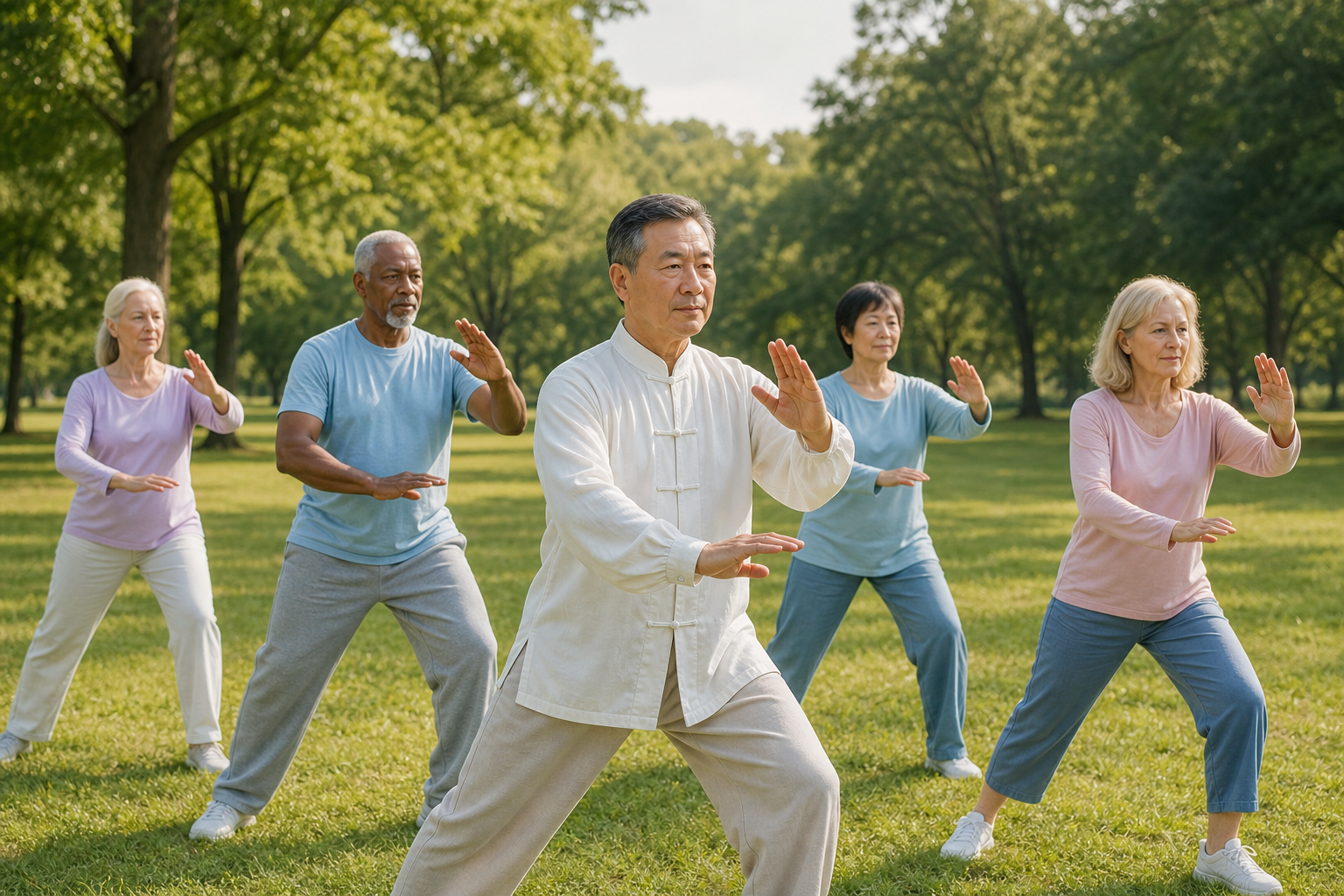
Tai Chi Benefits for Arthritis and Balance: What Science (and Experience) Actually Shows
I’ll never forget the day my friend Barb shuffled into our weekly support group, grinning ear to ear and announcing, “Guess who walked up her own porch steps—no railing, no wincing!” She’d started tai chi lessons only a month earlier. And honestly? I was (gently) skeptical. Could those slow-motion ‘dance moves’ really melt away years of knee pain and help you stay steady on your feet?
Living With Arthritis: The Unspoken Struggle
If you’re nodding along, you’re not alone. For many of us, arthritis isn’t just an ache—it’s a daily negotiation. Knees that scream with every grocery step. Stiff hands that make buttoning a shirt a morning marathon. And then there’s the fear of falling, which creeps in after every near-miss on the stairs.
As a nurse who spent twenty years in orthopedic care, I can say this: joint pain and wobbly balance steal little freedoms long before anyone hands you a cane. Most folks don’t want to rely on more pills, more creams, or more gadgets. (Heck, my own mother-in-law threatened to throw her walker out the window during her worst flare-up, if you can believe it.) So when something as gentle as tai chi claims to deliver real, lasting relief, it’s worth asking—does it actually work?
What Is Tai Chi, Really?
Let’s clear up a common misconception—tai chi isn’t just “slow exercise.” It’s a centuries-old Chinese practice blending gentle movements, deep breathing, and mental focus. Think yoga, but standing, flowing, and way less intimidating for stiff joints. No fancy gear, no impact, no need to twist yourself into a pretzel.
In my years reviewing exercise regimens for joint pain, tai chi is one of the few that consistently crosses age, fitness, and pain barriers. It’s adaptable—meaning you can do it standing, sitting, or even gripping the kitchen counter, if you need.
The Science—Why Tai Chi Helps With Arthritis
Here’s where it gets interesting. I love a good study (old habits die hard), and tai chi’s gotten its fair share of clinical spotlight.
In 2016, Arthritis & Rheumatology published a randomized trial of 204 adults with knee osteoarthritis. The result? Those practicing tai chi twice a week for 12 weeks saw the same pain relief and physical improvement as those in a traditional physical therapy program. (I flagged this one because the PT regimen wasn’t lightweight—it was the real deal.)
The Journal of Rheumatology followed up in 2018 with a meta-analysis: over a dozen studies, thousands of participants. The verdict? Tai chi engineered modest but meaningful improvements in pain, stiffness, and function—often after only 8-12 weeks.
Why? Here’s the short answer: tai chi’s slow, weight-shifting moves (think gentle knee bends, coordinated arm sweeps) tease the muscles around sore joints into action—without pounding or twisting. It gently rebuilds muscle, improves joint flexibility, and reduces pain sensitivity. There’s a reason the Arthritis Foundation officially recommends tai chi for osteoarthritis and rheumatoid arthritis.
Tai Chi and Balance: Why It Works When Other Exercises Don’t
If you’ve ever tried a new ‘balance’ routine and ended up feeling like a baby giraffe, you’re not alone. Most strength or balance exercises—standing on one leg, jumping, stair-climbing—can feel impossible (and risky) when arthritis has your knees shaky and your hips stiff.
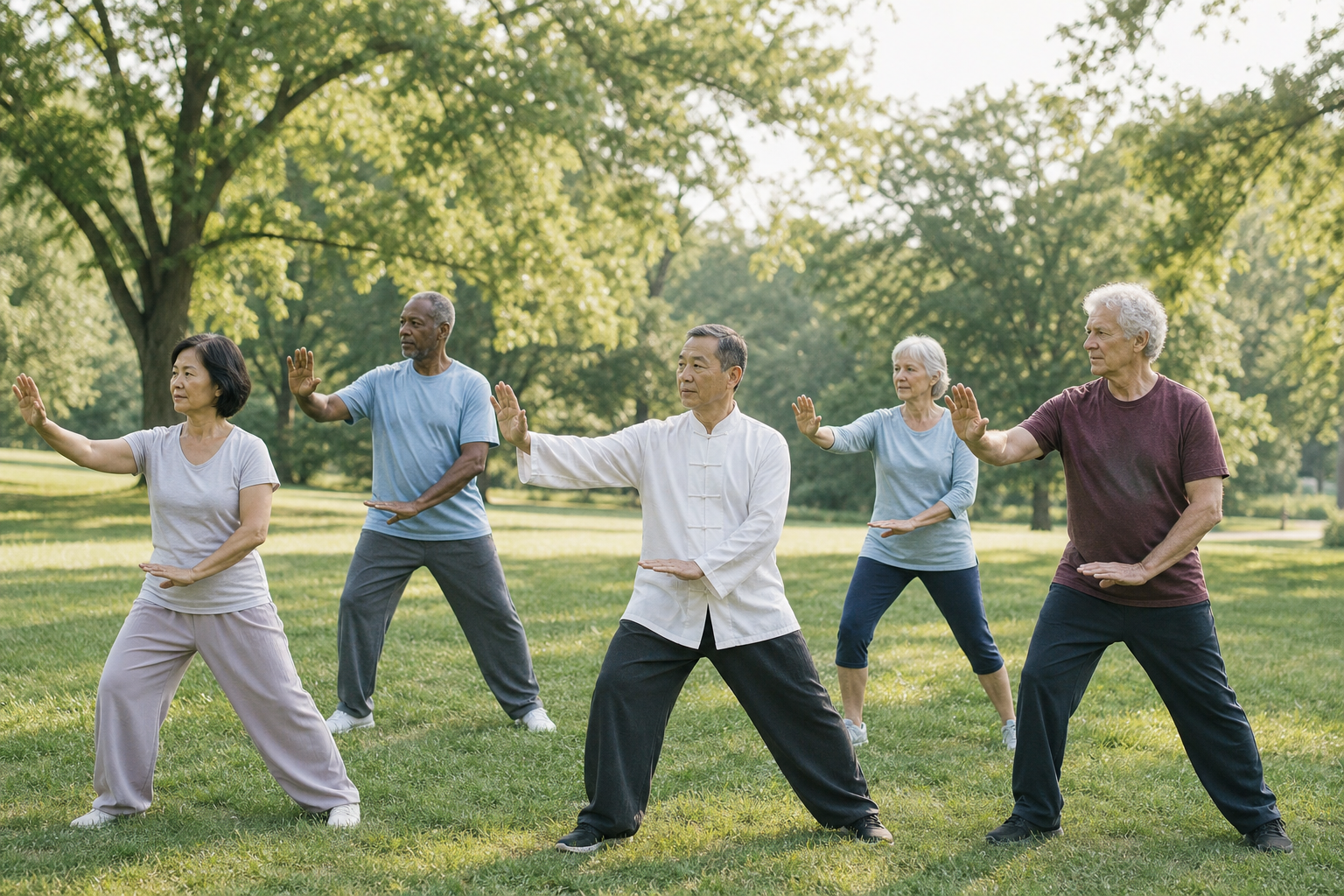
Tai chi, on the other hand, is all about transitioning slowly from one leg to the other. Posture, core engagement, deliberate motion—these are the bread and butter of every class. What’s wild is how fast the improvements show up. A 2020 randomized trial in BMJ Open found that older adults practicing tai chi for just six weeks improved their functional reach by 21%. That means fewer stumbles—and more confidence getting out into the world.
And balance isn’t just about falls. It’s about the freedom to garden, walk the dog, or play with grandkids without feeling like you’re one trip away from disaster. I’ve witnessed folks in their 70s and 80s beam with pride after regaining enough balance to walk unaided across the living room. That’s the real kicker—you don’t need to become an acrobat. You just need to feel safe on your own two feet.
The Mind-Body Connection: Tai Chi’s ‘Hidden’ Benefit
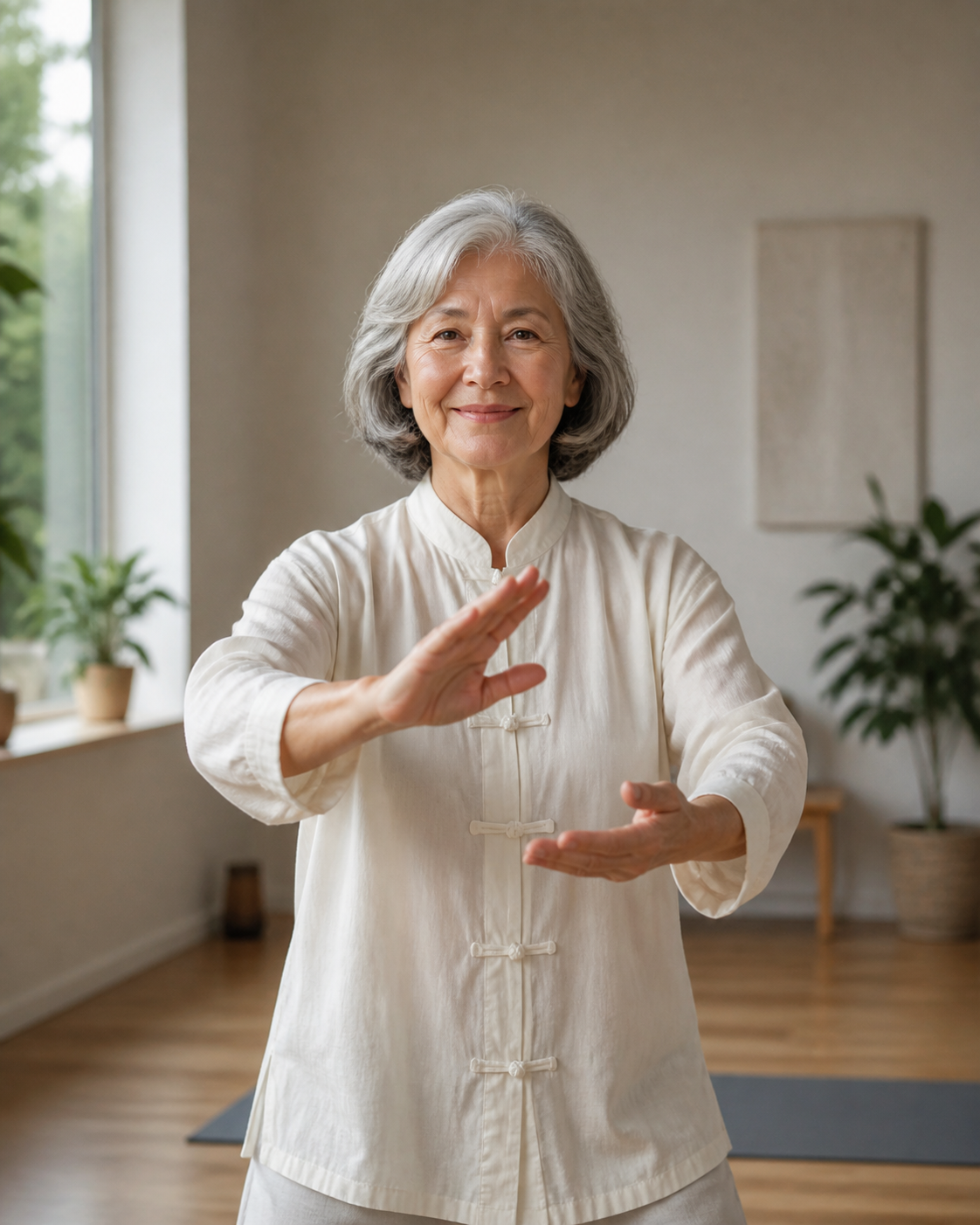
Here’s something I wish more health articles would say: living with pain erodes confidence. Chronic arthritis doesn’t just hurt; it makes you doubt what your body can do. Tai chi’s meditative focus—slow breathing, attention to the present—helps break that cycle.
Research in Annals of Internal Medicine (2018) found tai chi significantly reduced anxiety and improved mood in older adults, especially those with joint pain. Several of my former patients who grappled with arthritic knees reported fewer ‘bad days’ not just physically, but emotionally. They felt more in control—a small shift, but a life-changing one if you’ve ever felt defined by your pain.
How To Start—Even If You’re Stiff or Wary
I know what you might be thinking: “That sounds great, Linda, but I’m not exactly graceful. And my knees don’t bend like they used to.”
Here’s the thing: tai chi is infinitely adaptable. Most beginner routines can be done standing (with a chair close by), or even sitting if necessary. Good teachers will emphasize form over speed; nobody expects you to memorize an entire sequence on day one.
If you’re brand new—or nervous—try a community class focused on arthritis or older adults. The Arthritis Foundation’s Tai Chi for Arthritis program is a safe bet, with instructors trained specifically for joint issues. Can’t get to a class? There are decent online videos, but starting in-person (even once) is the gold standard, since feedback on form prevents injury.
Practical Tips: Making Tai Chi a Real Part of Your Routine
- Start small. Ten minutes a day is enough to see changes—but consistency matters more than duration. Set a specific time, or tie it to another daily ritual (like after breakfast).
- Wear supportive shoes—or go barefoot if balance allows. A reader emailed me to say she does tai chi in her kitchen, holding the counter the first few weeks.
- Don’t push through sharp pain. Mild discomfort is normal (your body’s waking up!), but stabbing pain is a red flag. Talk to your doctor before starting anything new—especially if you’ve had joint replacements, severe instability, or heart issues.
- Progress at your own pace. Some days will feel clumsy, others smooth. Celebrate small wins—the first day you can step, balance, and breathe without wincing is a big deal.
Mixing Tai Chi With Other Tools: My 3 Favorite Helpers
Look, tai chi stands on its own, but I’d be lying if I said it’s the only thing my arthritis patients ever used. In fact, blending gentle movement with other proven tools often yields the best results—especially in those first few months, when motivation and comfort need a boost.
- Joint-friendly support: If your knees feel especially unstable on bad days, a medical-grade brace can provide just enough support to make tai chi (and daily life) less scary. I’ve seen good feedback on the NEENCA Professional Knee Brace. It’s got side stabilizers, a comfy patella gel pad, and adjustable straps—no pinching, and it stays put during gentle activity.
- Pain relief for flares: On days when arthritis flares up, topical gels can take the edge off so you can actually practice. Voltaren Arthritis Pain Gel (with 1% diclofenac sodium) is the only FDA-approved non-prescription topical NSAID—and yes, I use it on my own cranky thumb joints. Studies confirm it eases arthritis pain with minimal systemic impact.
- Home exercise guidance: Not strictly tai chi, but if you want a research-backed exercise book that helps with joint strength and flexibility, Treat Your Own Knees by Jim Johnson PT blends simple routines with clear drawings and explanations. One of my favorite handouts for patients overwhelmed by online information.
I know not everyone needs (or wants) extra gear or books. But the right tool in the right moment can mean the difference between giving up and sticking with a routine long enough to see results.
What About Safety? Who Should Be Careful?
Let’s be real: no ‘miracle’ exercise is right for everyone. If you have severe instability, a recent joint replacement (within 3 months), uncontrolled hypertension, or advanced heart disease, tai chi should only be attempted with your doctor’s blessing. Ditto for anyone prone to low blood sugar spells or vertigo. (I’ve seen folks get lightheaded if they skip meals before practice—don’t make that mistake.)
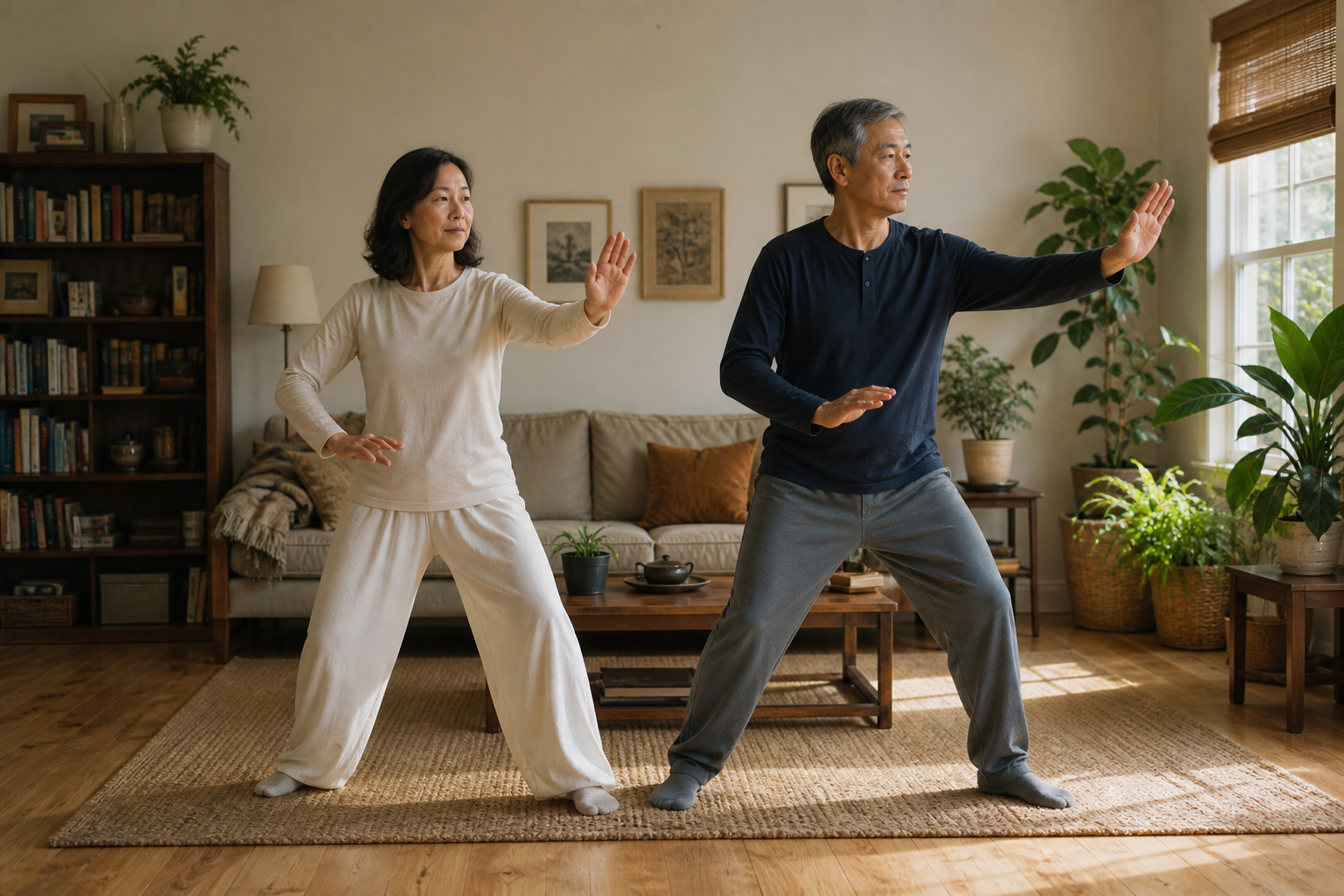
But for most adults with arthritis, evidence shows tai chi is safer than nearly any other form of exercise. The worst I’ve seen is occasional muscle soreness the first few weeks, as neglected muscles start pulling their weight again. And if you hate group classes? Set up your phone or laptop and try a few slow moves in the privacy of your living room. No spandex required.
The Take-Home: Tai Chi Isn’t Magic—But It’s Close
Here’s what nobody tells you: the biggest benefit of tai chi isn’t just less pain (though that’s huge)—it’s the return of confidence. The day you realize you can get out of a chair, walk to the mailbox, and not worry about a fall? That’s freedom. And it does build, with time. The research backs it, but so does every real-life story I’ve heard—dozens, over the years, from all walks of life.
If you’ve felt stuck in the cycle of pain and worry, consider tai chi as a gentle nudge out of that rut. Pair it with support (like a brace or pain gel on tough days), take it slow, and honor the progress—no matter how small. If Barb can dance up her porch steps, I’d wager you can take the first step, too.
One Nurse’s Honest Perspective
I know this isn’t the glitziest ‘solution’ on the block. Tai chi’s benefits—especially for arthritis and balance—are incremental, not instant. But that’s exactly why it works for real people. You don’t age out, and you don’t need to be an athlete. You just need to start. Maybe with a class, maybe with a home video, maybe just with a friend in the backyard. And maybe—just maybe—you’ll wake up one day, like Barb, and realize you’ve climbed your own set of steps without thinking twice.
Take care, and keep moving at your own pace.
Linda Hargrove, RN
Registered Nurse & Joint Pain Columnist
JointReliefReviews.com