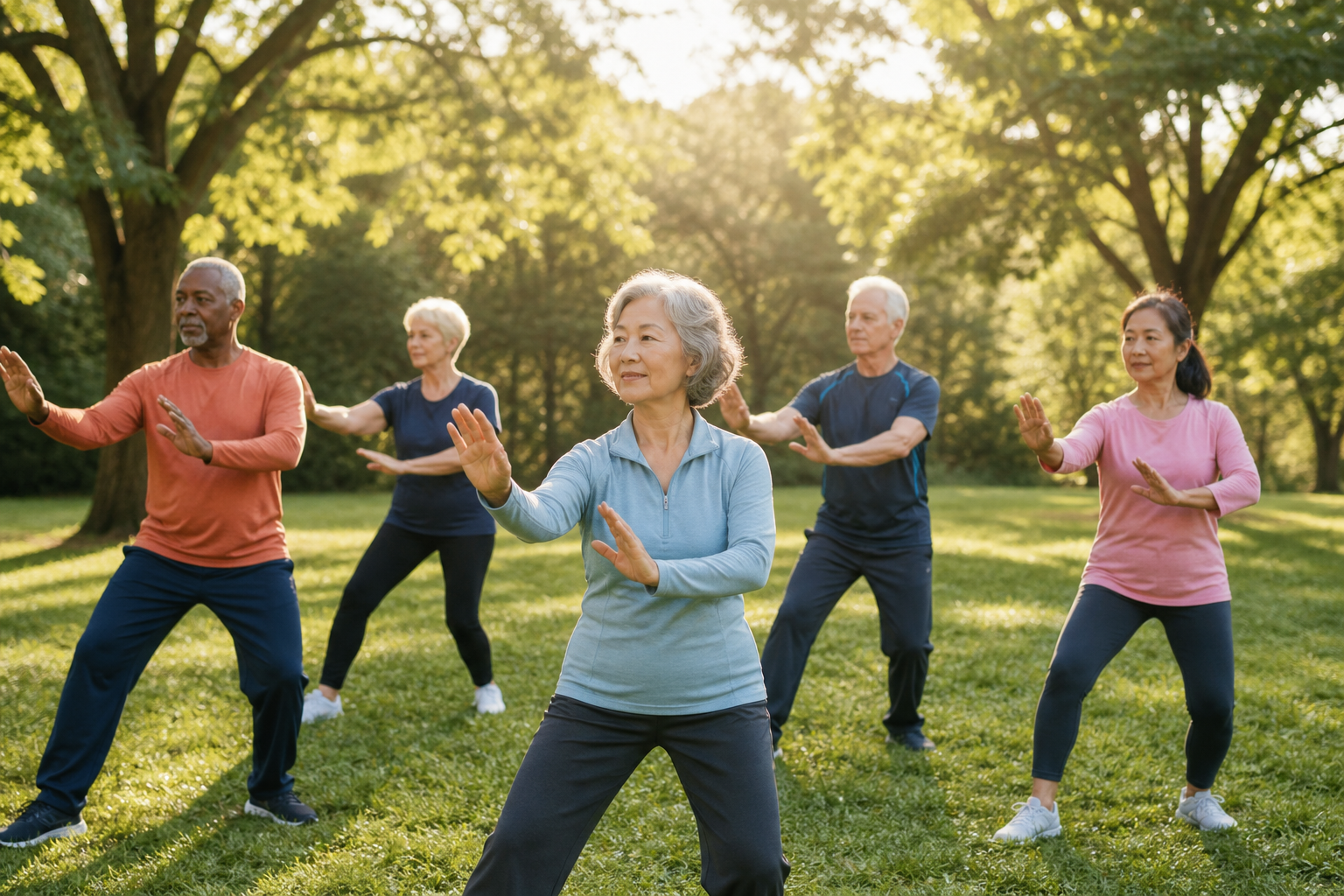
Tai Chi Benefits for Arthritis and Balance: Why I Recommend It to My Patients
I remember the first time a patient walked into my clinic years ago and said, “My doctor told me to try tai chi for my knees… I have no idea what that even is.” She looked both skeptical and slightly amused—honestly, so was I. This was almost a decade ago, before tai chi had gone mainstream as a therapy for joint pain and, especially, balance issues. Fast forward to now, and I hear about tai chi at least twice a week. And here’s the thing: with good reason.
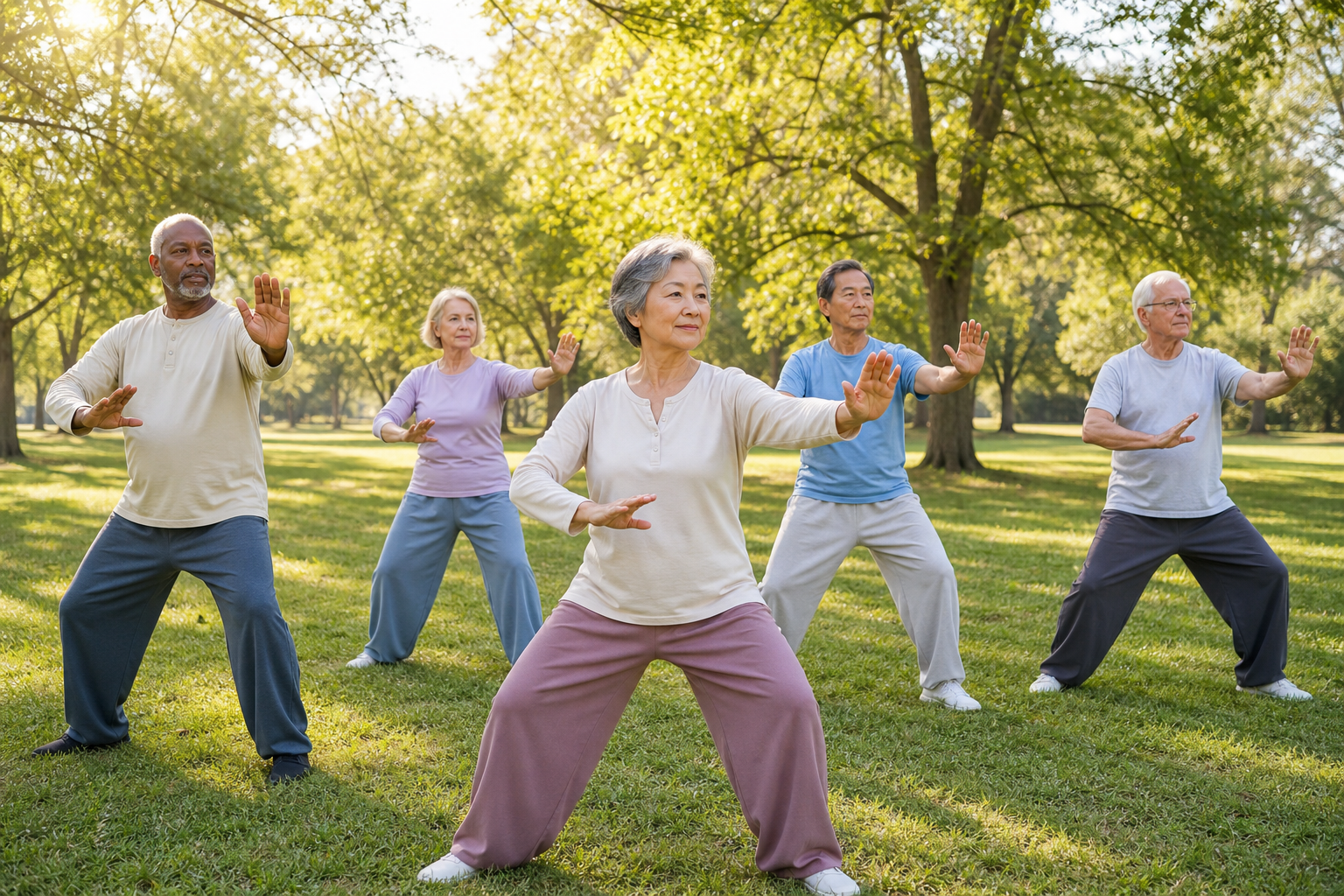
Living with Arthritis: The Daily Grind Is Real
So many people assume arthritis is just “normal aches and pains,” but those of us who’ve lived it (or treated it, like I have for over twelve years as a PT) know better. The sharp twinge when you step out of bed. The weird, unpredictable swelling in your fingers or knees. Sometimes it’s the dull, nagging ache that wakes you up at 2am—not exactly the stuff of inspirational Instagram reels.
But the part that gets brushed under the rug? The way arthritis chips away at confidence. You start moving less, because you don’t want to trigger the pain. Maybe you find yourself grabbing for the banister a bit more. Or you notice your loved one walking with an odd stiffness, wearing that careful, guarded look. And then—almost inevitably—balance becomes an issue. That’s more than discomfort; that’s losing your freedom.
The Surprising Science Behind Tai Chi for Arthritis and Balance
Look, I’ll admit: I was skeptical about tai chi at first. It looks slow. Almost too simple, right? But—and here’s where it gets interesting—the research is not just “promising.” It’s downright impressive.
Let’s get specific. The Journal of Rheumatology published a 2016 randomized controlled trial looking at tai chi for knee osteoarthritis. Participants did hour-long tai chi sessions twice a week for 12 weeks. The results? Pain scores dropped by more than 30%. Function improved, too. And unlike a lot of clinical interventions, side effects were basically nil.
But what about balance? The Arthritis & Rheumatology journal ran a 2020 review of 15 studies (over 1,100 patients). Their conclusion: tai chi reduces annual fall risk by nearly 20% in older adults with arthritis. Not a tiny number, especially if you’ve ever seen the domino effect of a bad fall—hospital stays, lost mobility, and a real hit to independence.
If you want to geek out further, tai chi has even shown measurable effects on proprioception (that’s your body’s sense of position and movement). Translation: all those slow, controlled movements actually train your brain to react faster and stay more stable on your feet. That’s especially crucial if you’re managing knee or hip OA, where wobbly joints equal more falls.
How Does Tai Chi Actually Work for Arthritis?
This is the part the glossy brochures tend to skip. It’s not magic—it’s mechanics.
- Gentle, controlled movement: Unlike high-impact exercise, tai chi is joint-friendly. You’re not pounding pavement or twisting abruptly. Instead, you’re practicing smooth, flowing motions—a huge win if your cartilage is wearing thin.
- Muscle activation without overload: Tai chi uses bodyweight resistance. Studies show improved quad and glute strength after just a couple months (even with no extra equipment!). Stronger muscles = less joint strain.
- Mind-body emphasis: Here’s something many don’t realize: chronic pain changes your brain’s wiring. The slow, meditative aspect of tai chi calms the nervous system, which can actually dampen pain signals over time. It’s a little like retraining your mind’s “volume knob” for discomfort.
- Better body awareness: Tai chi’s focus on posture and shifting weight is, frankly, balance training in disguise. One study out of BMJ (2015) found tai chi participants improved single-leg stance time by 15-20 seconds—huge if you’re worried about falls.
If you’re nodding along, you’re not alone. I get emails weekly from readers asking if tai chi can help when “nothing else has worked.” My answer: It’s not a cure, but it’s a tool—a good one, without most of the side effects you’ll find in a pill bottle.
Real-World Tai Chi: What to Expect (and What Not to)
I’ll be honest—some folks expect tai chi to be an instant pain eraser. That’s not how it works. Most of my patients notice small changes in the first 3-4 weeks: a little less morning stiffness, slightly better sleep, maybe feeling more confident moving around the kitchen. The real kicker comes after 2-3 months: easier stairs, fewer “close calls” with tripping, and—often—a renewed sense of control.
And here’s where I’m probably going against the grain: I actually recommend starting tai chi even if you’re not flexible or athletic. Most classes can be modified for any fitness level (I’ve worked with folks in their 80s and 90s!). The secret is consistency, not perfection. Twice a week is enough, according to studies. More is great, but not required.
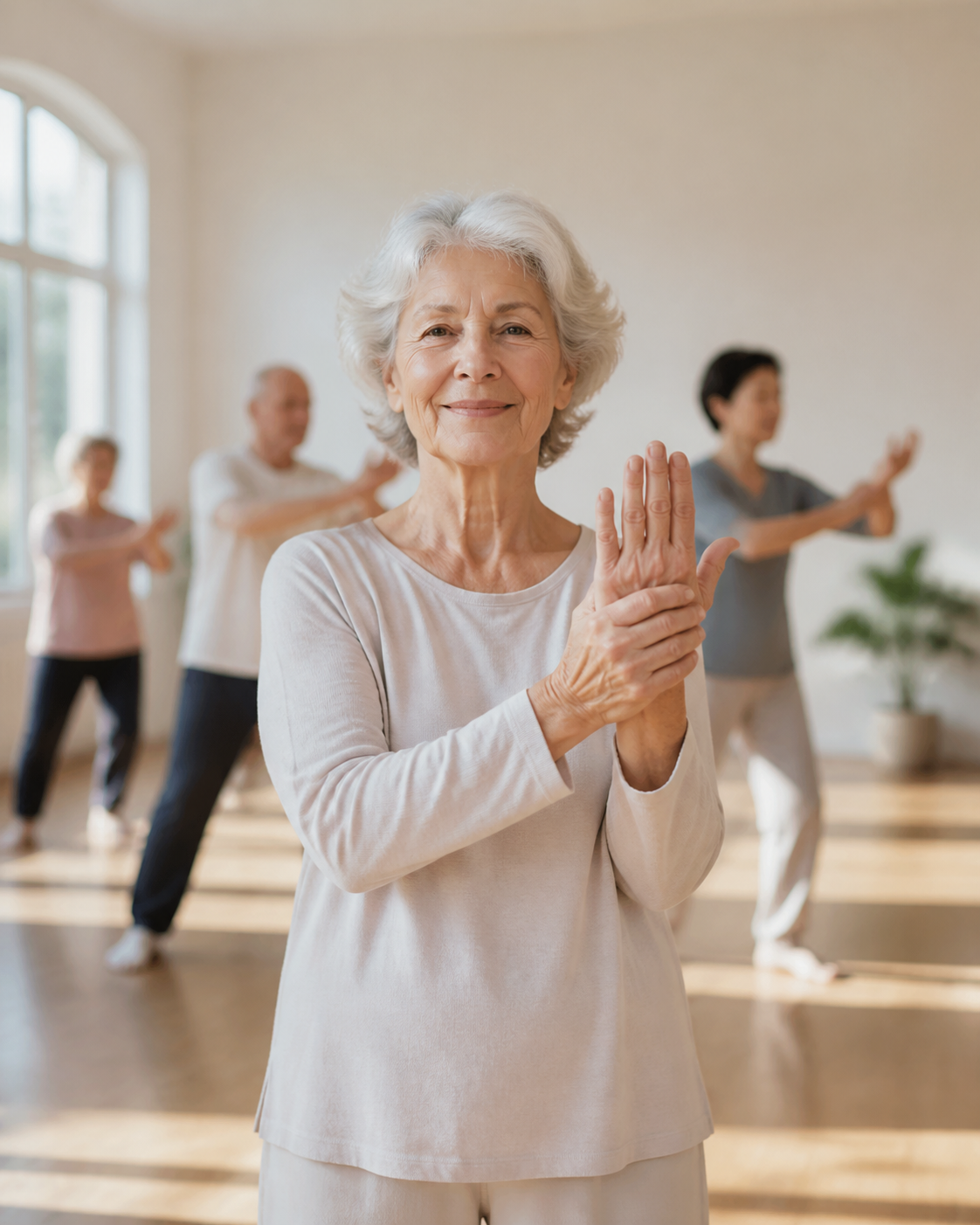
Is Tai Chi Safe for Everyone with Arthritis?
For the vast majority, yes. But a few caveats. If you’ve had recent joint replacement, are prone to fainting, or have uncontrolled heart conditions, get medical clearance first. Always listen to your body—sharp pain, chest tightness, or dizziness means stop. And don’t let anyone push you into postures that feel unsafe. I remind every patient: Talk to your doctor before starting a new exercise.
Beyond Tai Chi: Smart Add-Ons for Comfort and Confidence
Now, let’s get practical. Tai chi is fantastic, but you don’t have to be a purist. Most of my patients benefit from a blend: gentle movement, mobility aids, and—when pain flares—targeted relief. Here are a few of the most effective tools I’ve seen (and used myself):
- Supportive knee braces: For those with knee OA or meniscus issues, a lightweight knee sleeve can make all the difference during tai chi (or just walking to class). I’ve reviewed dozens, but the NEENCA Professional Knee Brace stands out for support without the sausage-casing tightness. The gel pad and side stabilizers keep your knee tracking smoothly. I’ve seen patients—my mother-in-law included—go from wincing with every step to actually enjoying movement again.
- Topical pain relievers: I’ll let you in on an open secret: I keep a tube of Voltaren Arthritis Pain Gel in my clinic drawer. The diclofenac sodium formula is FDA-approved and works better than most OTC creams for arthritis. Great for knees, hands, or wrists before your tai chi session. (Quick tip: Use it 30 minutes before class to get the full benefit. Just, again, double-check with your doctor if you’re on blood thinners.)
- Home exercise guides: Some folks need a clearer roadmap. The book Treat Your Own Knees by Jim Johnson, PT, is shockingly good. Simple, research-backed exercises—no fancy gym required—and it pairs beautifully with tai chi for those “off” days when you can’t make class.
But don’t feel like you need to overhaul your routine overnight. Start with tai chi, and layer in these aids as you go. If you only pick one, I’d say the knee brace gives the biggest confidence boost for balance—especially if you’re new to standing exercise.
Why Balance Boosting Matters—Even If You’re Still ‘Getting By’
Let’s get brutally honest. Most people don’t worry about balance… until a fall happens. But the numbers should make all of us sit up: nearly 1 in 4 adults over 65 will fall each year (CDC, 2022). For those with arthritis, the risk is even higher—pain and stiffness lead to “protective” movements, which can throw off your center of gravity.
Tai chi rewires how you move. I’ve watched patients who couldn’t stand on one foot for more than two seconds push that to 20 seconds after a few months. That’s not just a fun party trick—that’s the difference between catching yourself and a broken wrist.
And it’s not all about the physical: mastering new movements gives your brain a sense of mastery and hope. I can’t count the number of people who said, “I joined for my joints, but I stayed for the confidence.”
What About Group vs. Solo Practice?
Most studies use group classes, and there’s good reason: community support is a hidden superpower. But home practice works too, especially if you use high-quality follow-along videos from certified instructors. Just skip the YouTube rabbit hole of “fast and fancy” tai chi—stick with styles specifically recommended for arthritis (Dr. Paul Lam’s “Tai Chi for Arthritis” program is well-respected and widely available).
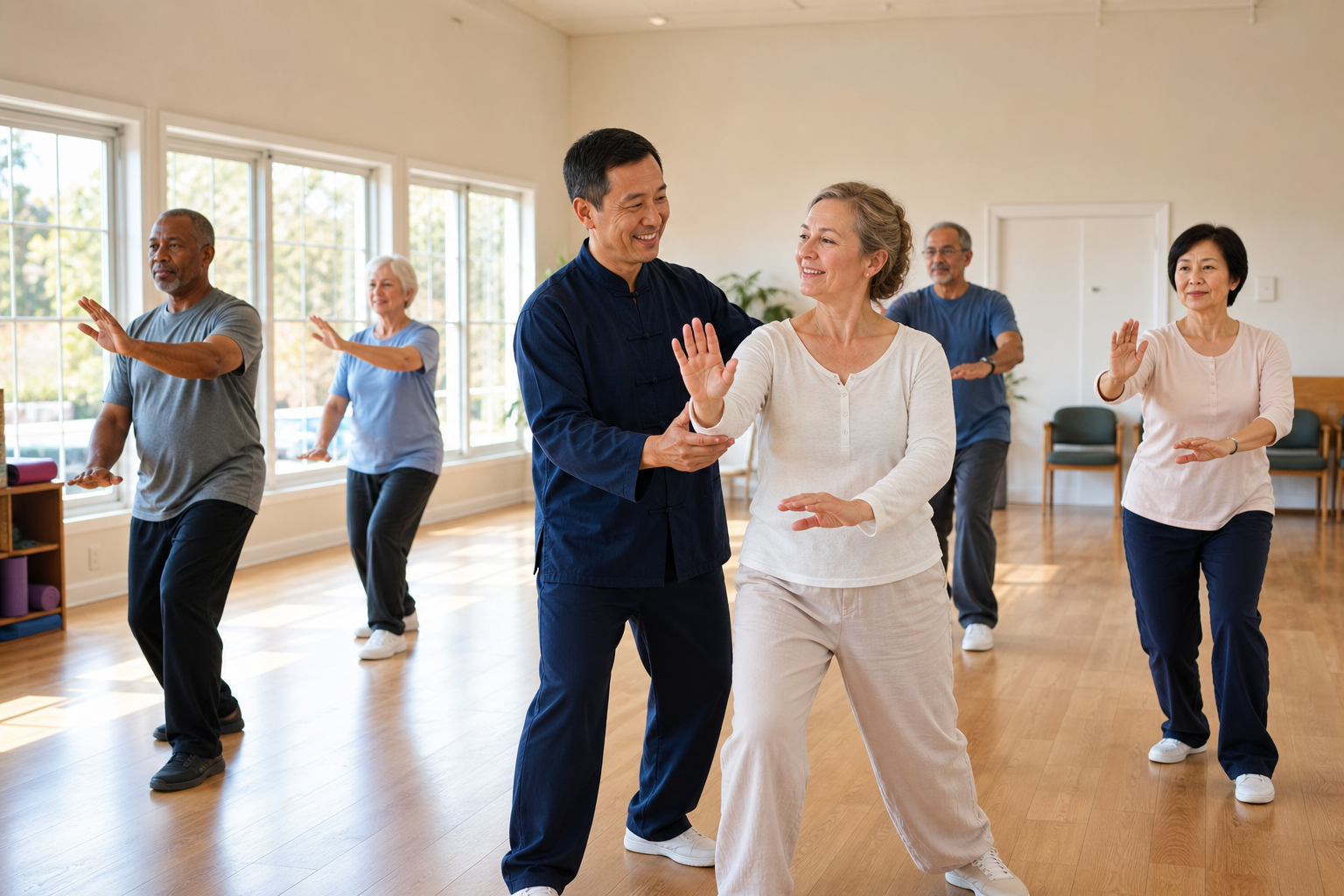
How Do I Get Started Safely?
If you’re new, look for beginner classes (many community centers and YMCAs now offer arthritis-focused sessions). Tell your instructor about your symptoms—good ones will suggest modifications as needed. Wear flexible shoes, skip the yoga mat (they’re too squishy for balance), and bring a water bottle.
Can’t find a local class? There are reputable online programs designed for home use. Start with 10-20 minute sessions. Two times a week is enough to see progress, but if you catch the “tai chi bug,” adding extra practice only speeds up the benefits.
And yes, progress will look different for everyone. Some people feel the “tai chi effect” after a couple weeks. Others need longer—the curve is steepest in the first three months, so stick with it. I’ve never had a patient regret it.
More Than Movement: The Less-Talked-About Benefits of Tai Chi
This isn’t just about knees and ankles. Tai chi’s gentle breathing can lower blood pressure and calm anxiety—something most pain management plans ignore. Several studies (see: Annals of Internal Medicine, 2021) link regular tai chi to better mood, deeper sleep, and lower use of prescription painkillers. That holistic ripple effect is why I recommend it as a central part of almost every arthritis treatment plan I write.
I know some purists scoff: “It’s not real exercise!” They’re missing the point. The best movement plan is the one you’ll actually do—and enjoy. Tai chi ticks both boxes for a surprising number of my toughest-to-motivate patients.
What About the Skeptics?
Here’s my honest take: tai chi isn’t a miracle cure. It’s not a substitute for joint replacement if you need it, and it won’t magically erase decades of cartilage loss. But it will make moving easier and safer. For many, it’s the gateway to trying new things—swimming, hiking, even dancing again. And sometimes, that’s all the “miracle” we need.
If you’re on the fence, try a single class. Bring a friend for moral support—or go solo and savor the quiet. Track how you feel over a few weeks. If you notice even a 10% bump in confidence or comfort, you’ve got your answer.
Practical Takeaways from 12 Years of Clinical Experience
- Tai chi is low-impact, accessible, and more evidence-backed than most “gentle” exercises for arthritis and balance.
- Improvements show up slowly—but they stick. Two sessions a week is the research-backed sweet spot.
- Combine tai chi with practical aids (like a knee brace or topical gel) for the best shot at lasting relief.
- Balance gains matter as much as pain relief—maybe more, if independence is your goal.
- Talk to your doctor first, especially if you have complex medical conditions or recent surgeries.
A final thought: it’s not about becoming graceful. It’s about moving with a little less fear—and a little more freedom. That, to me, is real progress.
Questions about tai chi, arthritis, or mobility tools? I read every reader email—so don’t hesitate to reach out. Until then, keep moving (however you can).
Dr. Sarah Mitchell, DPT
Senior Health Editor, JointReliefReviews.com
12+ years’ experience treating osteoarthritis & balance issues