Tai Chi Benefits for Arthritis and Balance: What the Research—and Real Life—Actually Shows
If you’d told my mother-in-law five years ago that slow, meditative movements in a park could help her keep up with her rambunctious grandkids, she would’ve laughed. But here’s the thing: after watching her shuffle around for months, wincing every time her left knee flared up, she finally gave tai chi a real shot. Within months—not overnight, but not years either—her mobility improved in ways none of her creams, gadgets, or even her old knee brace could match.
Why So Many Turn to Tai Chi—And Why I Recommend It
Look, if you’re reading this, I’m guessing arthritis pain has become a familiar (and unwelcome) companion. Maybe you’re like the dozens of patients I’ve worked with who dread stairs, uneven sidewalks, or just spinning too fast in the kitchen. The fear of falling is real. The ache in your knees, hips, or wrists isn’t just in your head. And let’s not even start on the frustration of feeling a little less steady every year.
Here’s what most folks don’t realize: small, sustainable changes—especially gentle movement—can add up to big differences. Tai chi fits in that sweet spot. It isn’t magic, but mounting evidence shows it can reduce arthritis pain and dramatically improve balance, even for people well into their 60s, 70s, and beyond.
What Is Tai Chi, Really?
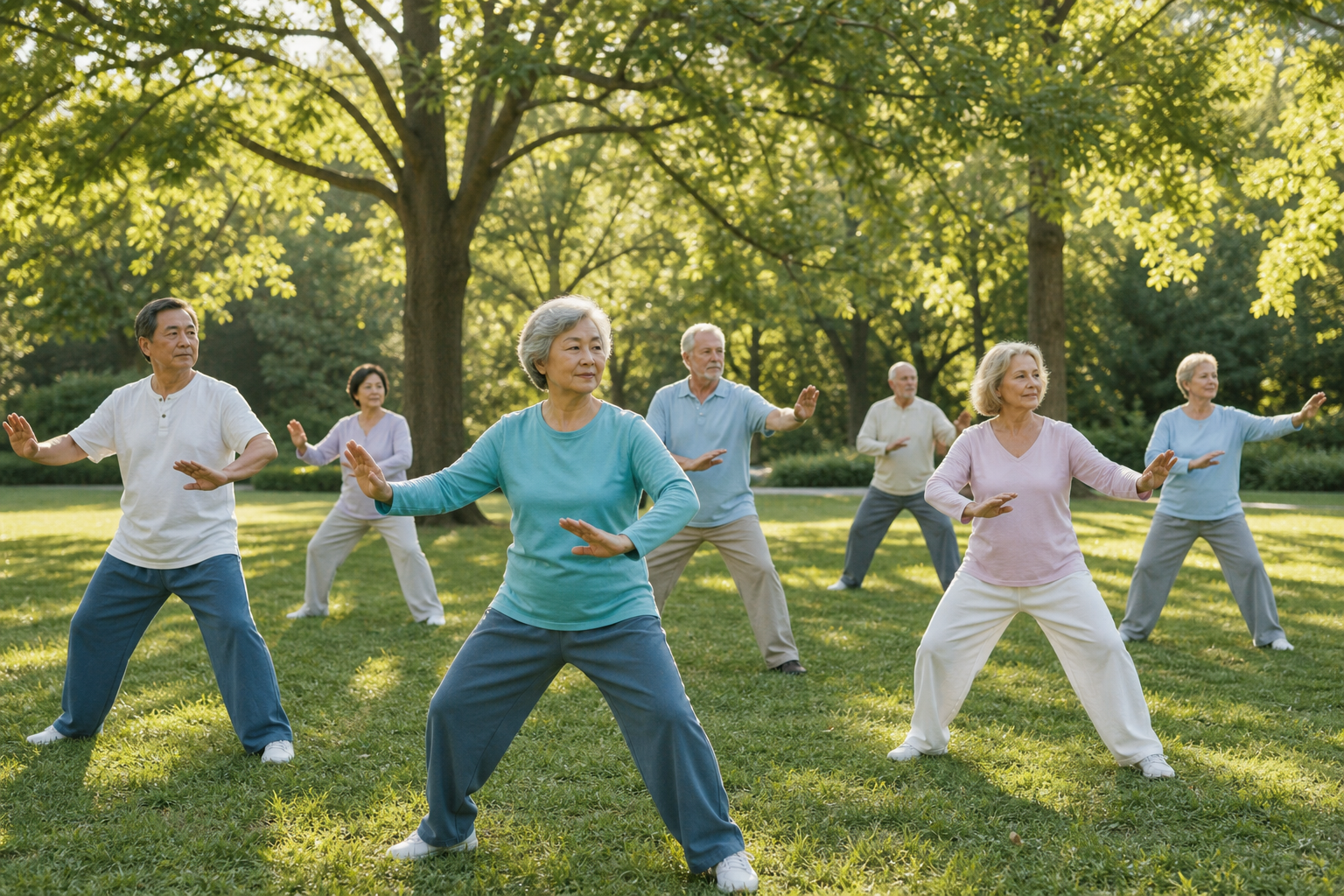
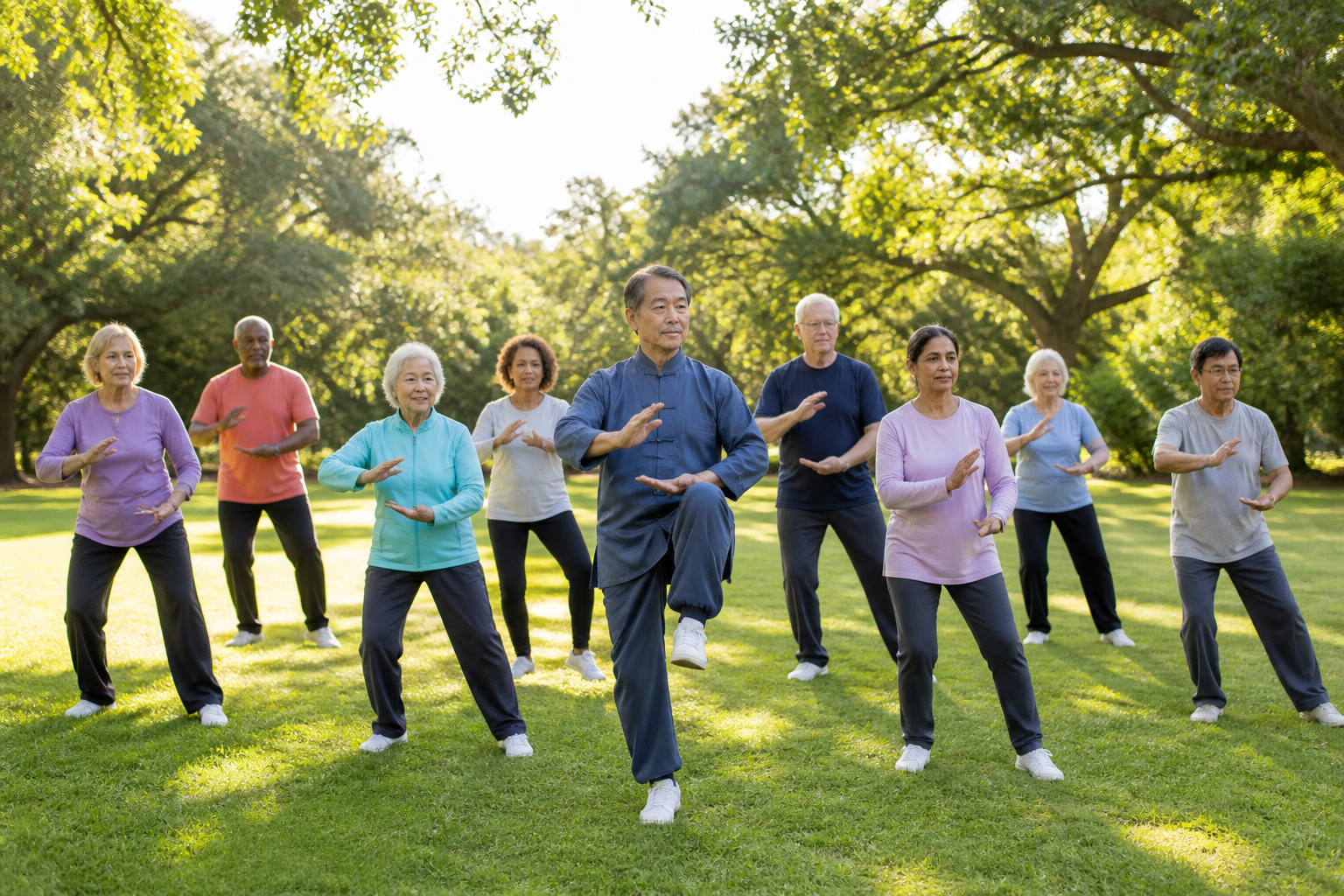
You’ve probably seen those groups in the park, moving almost in slow motion, arms sweeping gracefully. Tai chi (or tai chi chuan) is a Chinese martial art that evolved into a form of mind-body exercise. The movements are low-impact, weight-shifting, and rhythmic. No fancy equipment. No sprinting. Just deliberate, gentle motion paired with deep breathing.
And it’s not just about movement. Tai chi is as much about the mind as it is about the muscles. There’s a meditative component that, in my experience, helps people stick with it longer than yet another exercise they hate. (Trust me, that matters.)
How Tai Chi Targets Arthritis and Balance—The Science
Let’s get specific. The two biggest reasons I recommend tai chi for my older clients are:
- Joint-Friendly Movement: Tai chi’s slow, controlled postures put minimal stress on knees, hips, and shoulders—unlike high-impact aerobics or even standard yoga poses. That means less risk of aggravating joint pain, especially in osteoarthritis.
- Balance Challenge: Many tai chi forms involve shifting weight, standing on one leg, and changing direction—all under careful control. That’s the antidote to the gradual balance loss we see with aging and arthritis.
But don’t just take my word for it.
The Research: Real Numbers, Real Results
Let’s talk about what the clinical trials actually show—because I know a few folks will ask. In 2016, Annals of Internal Medicine published a head-to-head trial: tai chi versus physical therapy for knee osteoarthritis. After 12 weeks, both groups had less pain, but the tai chi group reported better mood and greater overall function. That’s not anecdote; that’s a randomized controlled trial, the gold standard (source).
Another meta-analysis (Journal of Rheumatology, 2013) looked at 7 randomized trials and found tai chi reduced pain and improved physical function for people with arthritis. Not a miracle cure, but a statistically significant improvement. And here’s where it gets interesting: the improvements for balance were even more dramatic in older adults who practiced regularly—at least 1-2 sessions a week for 12+ weeks.
If we’re talking numbers: a 2017 review in Arthritis Care & Research found a 25-30% reduction in fall risk among older adults who practiced tai chi. For every 4-5 people who took up tai chi, one fewer person fell. That’s huge in the real world.
Why Arthritis Disrupts Balance (and How Tai Chi Fights Back)
Let’s break down what’s really happening. Why does arthritis so often lead to wobbly legs or a sudden fear of tripping?
- Pain changes your posture. You start to protect the sore joint—limping, leaning, maybe shuffling. This throws off your natural balance and weakens stabilizing muscles.
- Loss of proprioception. Arthritis can reduce your body’s sense of where a joint is in space, making it harder to react to uneven surfaces.
- Muscle atrophy. When moving hurts, we move less. That leads to weaker leg and core muscles, which are the foundation of good balance.
Tai chi addresses every single one. The slow, intentional shifts teach your body to "listen" again—rebuilding proprioception, reactivating dormant stabilizers, and easing stiffness. And because it doesn’t hammer your joints, you can practice regularly without that dreaded next-day "why did I do that?" regret.
What Tai Chi Feels Like (and How It’s Different from Other Exercise)
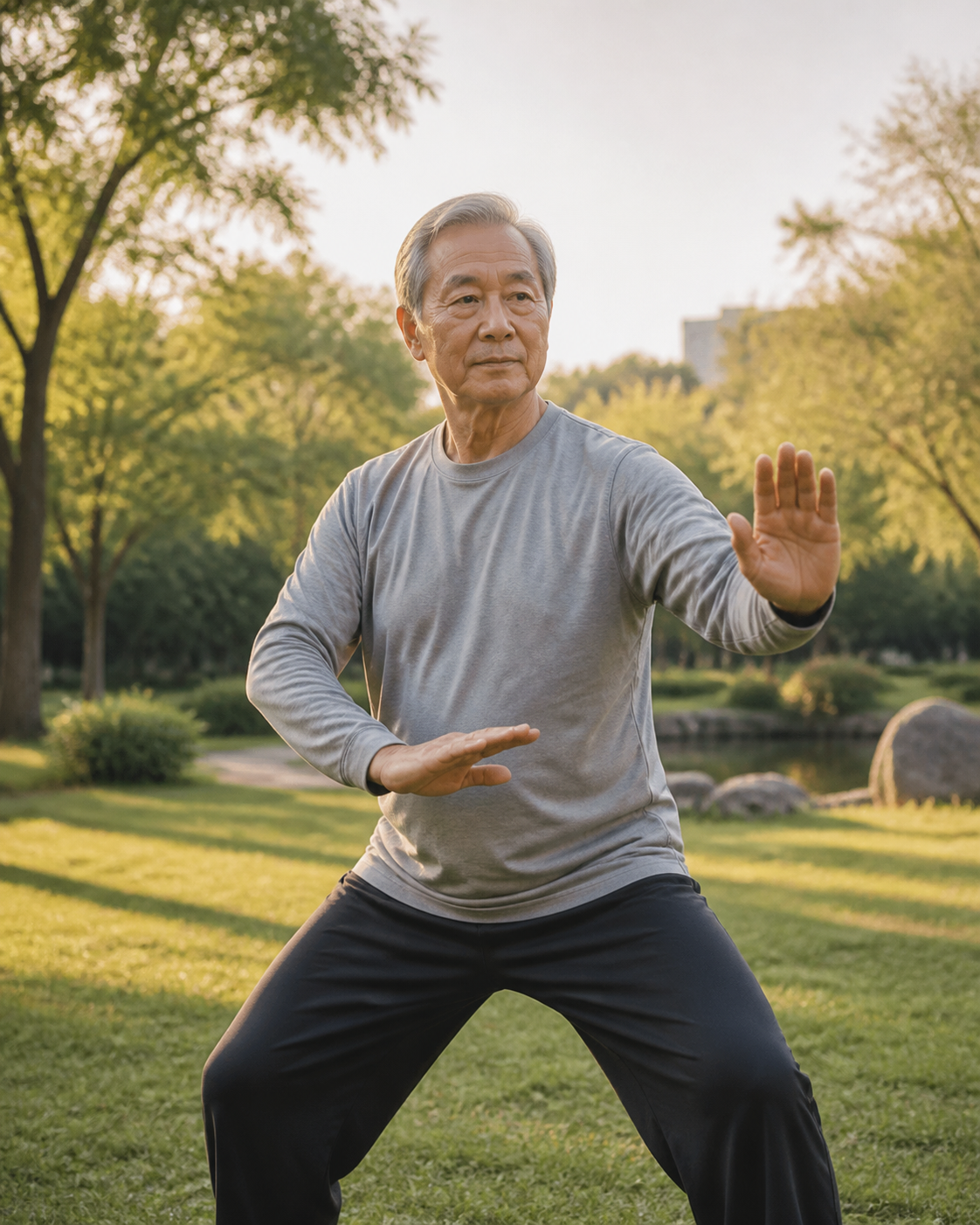
I’ll be honest—I was skeptical the first time I substituted tai chi for traditional strength work with a client. I’m a certified strength coach. I like reps, sets, clear progressions. But here’s what convinced me: the feedback I heard, week after week, was that tai chi felt doable. People weren’t dreading it, they were looking forward to it. No anxiety about falling behind. No weird contortions. Just small wins—"Today I could actually lift my leg higher", "I didn’t feel off-balance for the first time in years."
And the best part? People stuck with it. Adherence is the secret sauce. You can prescribe all the exercises in the world, but if someone quits after two weeks, it’s not worth much.
Getting Started: What You Need (and What You Don’t)
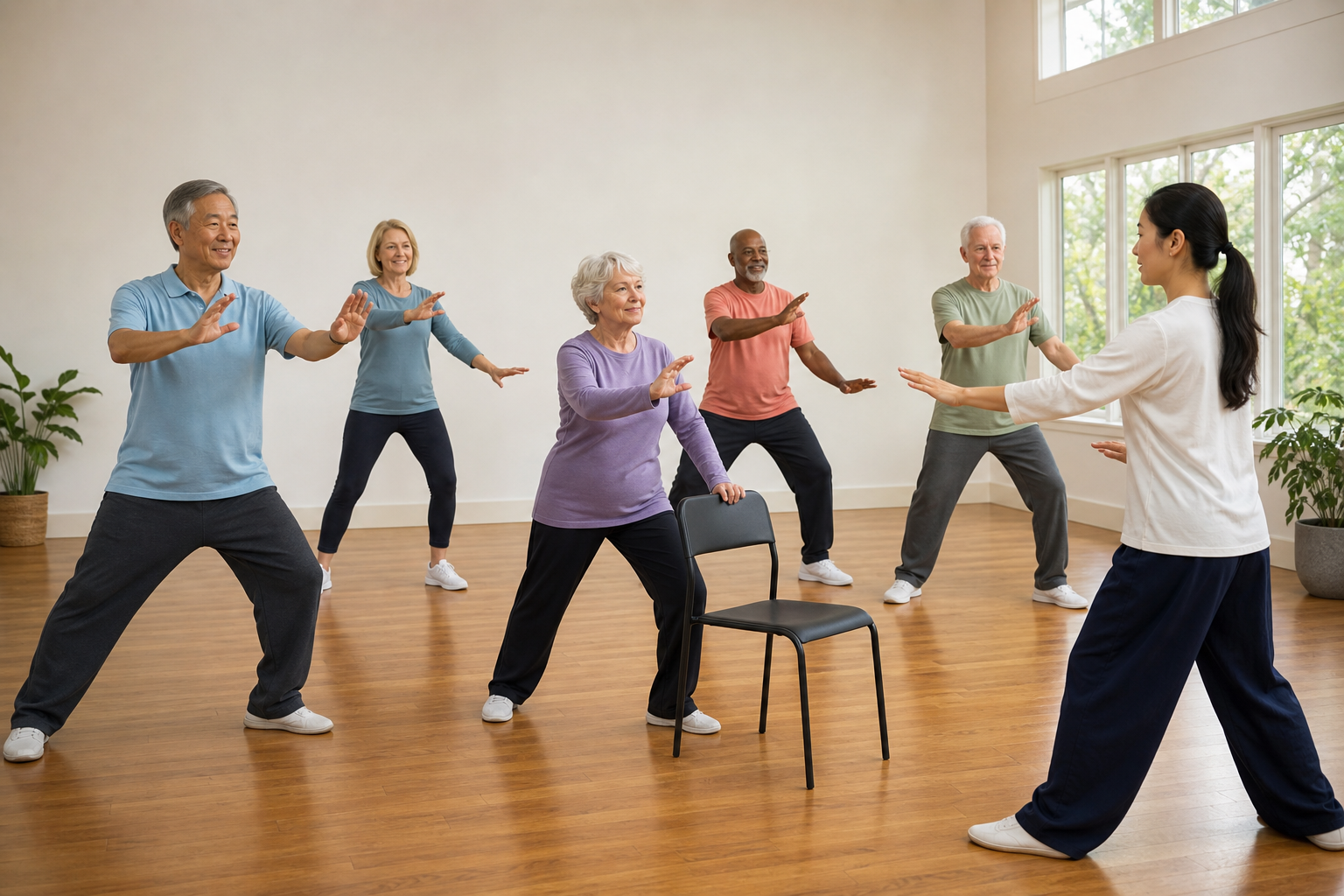
Most beginners think they’ll look silly, get bored, or need special clothing. Honest truth: nobody cares, and you won’t need anything fancier than comfortable shoes and maybe a chair nearby for support.
- Clothes: Soft, loose pants and a T-shirt work just fine. If you’re doing it outside, a hat and light jacket might help.
- Space: Clear a 6x6 foot patch in your living room, backyard, or even beside your bed. That’s plenty.
- Instruction: Here’s where most people need a gentle nudge. Yes, you can watch free YouTube videos, but I’ve seen better outcomes with guided programs—either local classes (parks, community centers) or well-reviewed DVDs. If you’re self-motivated, videos like Dr. Paul Lam’s Tai Chi for Arthritis are a great place to start.
If you’re especially worried about your knees, combining tai chi with targeted strengthening can give even better results. I’ve seen clients use the Treat Your Own Knees book alongside tai chi with serious success—think of it as a homegrown physical therapy toolkit.
Safety First—Even with Gentle Exercise
One of my main rules (especially for folks over 60) is "listen to your body." Start slow. If something feels off—dizzy, sharp pain, not just sore—stop and check in with a doctor or physical therapist. Tai chi is low-risk, but anything done too fast (or if you’re trying to show off for the neighbors) can backfire. And yes, if you have severe balance problems, a sturdy chair or wall is your best friend at first.
Quick health note: Always talk to your doctor before starting any new exercise program, especially if you have other health concerns like heart issues, balance disorders, or recent surgeries. Even gentle movement can have risks if you’re dealing with unstable joints or complex medical conditions.
How Long Until You Feel Tai Chi’s Benefits?
This is the question I get the most. And the answer isn’t one-size-fits-all. But here’s the general pattern:
- First few sessions: You’ll probably notice a bit of mental calm, maybe a pleasant soreness in the legs, but not a miracle.
- 4-6 weeks: It gets easier. Movements feel less awkward. Some folks notice less stiffness after sitting or sleeping.
- 12+ weeks: This is where the magic happens. Arthritis pain usually drops a notch or two, balance confidence grows, and daily tasks (stairs, getting up, walking outside) feel a bit less daunting.
Stick with it. The biggest gains show up with consistency. Even if you only do 10-15 minutes a day, 2-3 times a week, you’ll be shocked at what changes over three months.
Combining Tai Chi with Other Arthritis Relief Tools
I know some readers want more than just movement—they want the full arsenal. That’s fine. Pairing tai chi with a topical pain reliever like Voltaren Arthritis Pain Gel can make it easier to get started on stiff days. I’ve had clients apply it to sore knees before practice and report better range of motion and less resistance to exercise. (Again: check with your doctor about drug interactions or skin sensitivities.)
If you have trouble standing for long, a high-quality knee brace—like the NEENCA Professional Knee Brace—can provide the stability you need to try tai chi without fear. Not everyone needs support, but for severe arthritis, the extra confidence makes a world of difference. One reader emailed that he wore his NEENCA brace for every session and, for the first time, finished a full class standing.
The Real-World Impact: Stories I Never Expected
I’ll never forget a woman in her 70s who told our group, “I used to dread getting out of bed because it meant walking across the wood floor.” Six months into tai chi, she was the unofficial class leader—showing newcomers how to shift weight and laugh off minor wobbles. She still had some pain, sure, but she was back to volunteering and even trying light hiking. If that’s not a quality-of-life win, I don’t know what is.
Most articles gloss over the confidence boost. But I’ve seen it. There’s something about feeling capable—about moving without fear—that spills into every part of life. Arthritis may not vanish, but your world opens up a little.
Comparing Tai Chi to Other Exercise Options
Some people ask, “Why not just walk, cycle, or do chair yoga?” Fair question. Here’s my honest take, after years of working with older adults:
- Walking: Great for general health, but can aggravate knee or hip arthritis if your gait is off or you’re on hard surfaces.
- Yoga: Wonderful for flexibility, but many poses put load directly on sore wrists, knees, or hips. Even "gentle" classes aren’t always joint-friendly.
- Strength Training: Essential, but intimidating for beginners and requires good guidance (and equipment) to avoid injury.
- Tai Chi: Unique for its blend of balance, joint protection, and mindfulness, with a very low barrier to entry. You can start with zero experience, at any age.
Here’s what most people won’t tell you: there’s no single “best” exercise for arthritis. Mixing things up—tai chi plus a few basic home exercises (see the Treat Your Own Knees book is good for this), with walking or swimming thrown in when you can—usually gets the best results. But if you can only pick one thing, tai chi is about as close to “can’t mess this up” as it gets.
Evidence-Based Tips for a Tai Chi Routine That Sticks
- Find a local class for accountability—studies show in-person practice leads to more consistent gains.
- Don’t obsess over “perfect” form. It’s about the process, not performance.
- Keep sessions short at first—10-20 minutes is plenty if you’re new.
- Use a chair or wall as backup if you’re nervous about standing stability.
- Pair your practice with music or a calming ritual (like morning coffee) to make it a habit.
The Bottom Line: Should You Try Tai Chi for Arthritis and Balance?
If you’re nodding along, you’re not alone. Is tai chi a cure-all? Of course not. But there’s a reason arthritis societies (including the Arthritis Foundation) and top medical journals call it a top-tier option for joint pain and fall prevention. It’s safe, scalable, and the research backs it up.
The real kicker: the benefits go beyond just the body. Most people I’ve coached walk away feeling less anxious about movement and more in control of their health. In a world where arthritis so often robs us of confidence, that’s no small thing.
So if you’ve been searching for something gentle that actually works—something that builds you up instead of wearing you down—tai chi just might be the game-changer you didn’t know you needed.
Questions? Success stories? Drop me a line. I love hearing how these strategies play out in the real world.
James Chen, MS, CSCS
Exercise Scientist & Joint Health Writer
JointReliefReviews.com