Tai Chi Benefits for Arthritis and Balance: Surprising Science, Real Results
I’ll never forget watching my aunt Nancy shuffle uncertainly across her living room, bracing herself on the wall for support. It was the kind of scene you don’t forget—fear of falling in her eyes, hands trembling at each step. Nancy had struggled with osteoarthritis in her knees for years. What finally helped her feel steady again wasn’t a fancy new drug. It was an ancient practice most people associate with gentle park routines: tai chi.
The Hidden Struggle: Arthritis Pain and Losing Your Balance
Talk to anyone living with arthritis long enough, and you’ll hear the same refrain: pain is exhausting, but the loss of confidence in your own body can be even worse. One slip in the kitchen, one missed step on the stairs—suddenly, a minor ache becomes a major crisis.
If you’re nodding along, you’re not alone. According to Arthritis Care & Research (2020), more than one in three adults with arthritis experience at least one fall per year. And the fallout? Often a spiral of more pain, more fear, less activity—and yes, even more stiffness.
Here’s the thing: as a journalist who’s covered arthritis for decades, I can tell you that “just staying active” isn’t enough when your knees (or hips or ankles) are screaming. That’s why tai chi, with its slow, deliberate movements, has quietly become a game-changer for those of us looking for safe, gentle ways to rebuild strength and trust in our joints.
So, What Exactly Is Tai Chi?
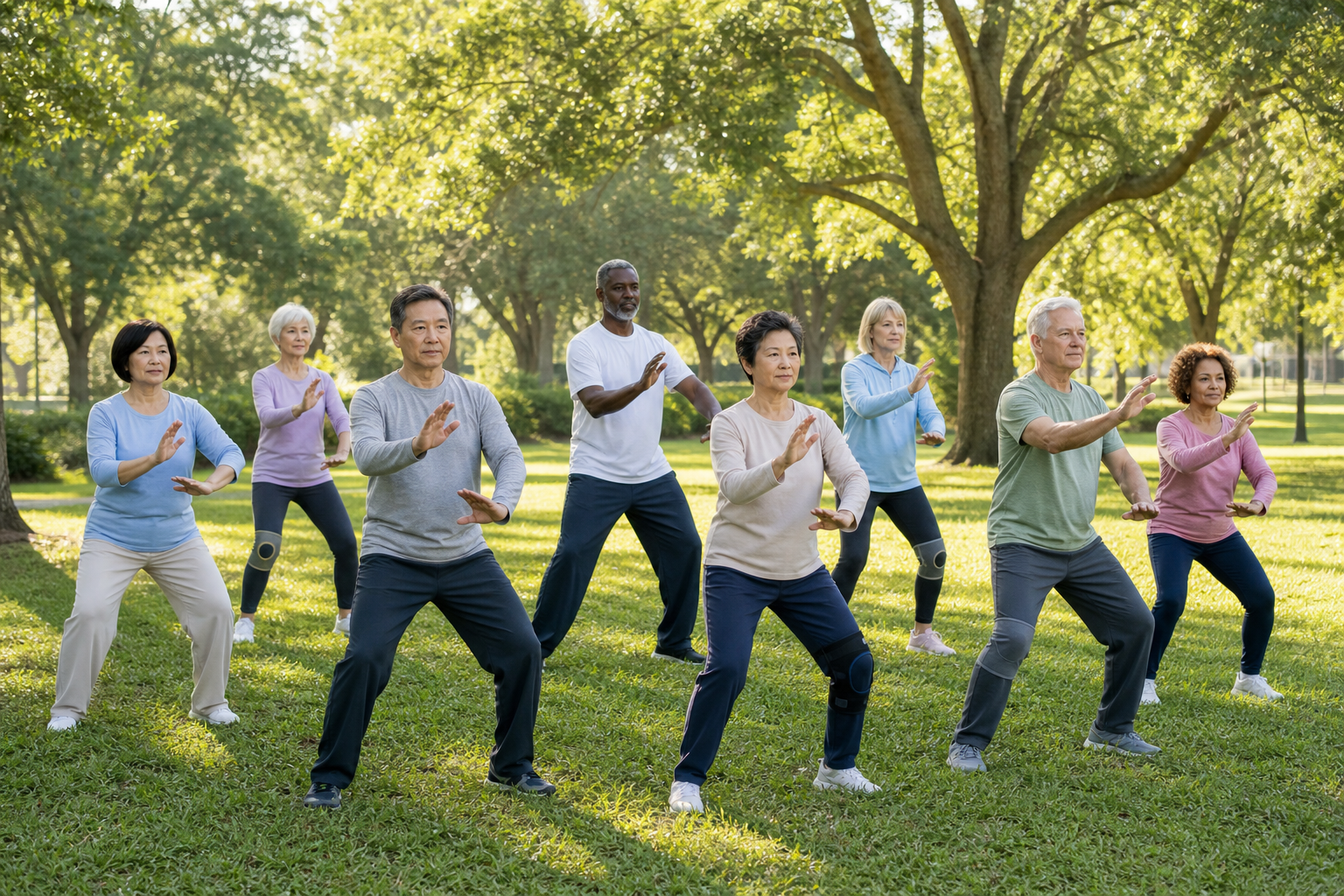
If you’ve only ever glimpsed tai chi in movie montages or on pavilion lawns, let’s clear something up: this isn’t “just stretching.” Tai chi is a Chinese martial art, sometimes called “moving meditation.” It involves flowing, coordinated motions—think shifting your weight slowly from one leg to the other, circular arm movements, and mindful breathing. You don’t need fancy gear. You don’t need to be fit, flexible, or even particularly coordinated to start. (My aunt certainly wasn’t.)
In fact, one of the core principles is maintaining balance and control at all times, making it a near-perfect fit for those worried about falls. And it’s not just tradition talking—modern science has thrown its weight behind these claims.
What the Research Actually Says: Tai Chi for Arthritis Relief
I’ve read more academic articles on arthritis than I care to admit, but I still get excited by studies that challenge expectations. Over the last fifteen years, researchers have put tai chi through its paces—in randomized controlled trials, meta-analyses, even those big “Cochrane Review” types. Here’s some of what really stood out to me:
- Joint Pain Reduction: A 2016 landmark study in Annals of Internal Medicine followed 204 people with knee osteoarthritis. Half took tai chi classes twice a week, the other half did traditional physical therapy. Guess what? The tai chi group reported just as much improvement in pain and function as the physio group—plus better mood and less depression.
- Balance and Fall Risk: In 2019, Journal of the American Geriatrics Society published a review of 17 studies. Older adults practicing tai chi had a 20% lower risk of falls (and a whopping 31% fewer injurious falls) than their non-tai chi peers. Not a bad return for 30-60 minutes, twice a week.
- Stiffness and Flexibility: Tai chi consistently outperforms “do nothing” controls in increasing lower-body strength and flexibility. I’ve seen first-hand how even stiff, swollen knees start to loosen up after a few months—often without the next-day agony some exercises bring.
And here’s where it gets interesting: the psychological boost. Several randomized studies, including one in the BMJ (2022), found that tai chi practitioners reported less anxiety about falling, even when their actual risk was still being measured. That confidence sometimes comes before the physical benefits—something I hear from readers all the time.
Why Does Tai Chi Work for Arthritis and Balance?
Look, it’s not magic—though it can feel that way the first time you realize you’re moving more freely than you have in months. Here’s what’s actually happening under the hood:
- Joint-Friendly Movement: Tai chi avoids deep squats, lunges, or jarring steps. Motion is slow and controlled, minimizing strain on cartilage and inflamed tissues.
- Proprioception Training: Those slow weight shifts? They’re quietly retraining your body’s sense of position in space (proprioception), which tends to decline with arthritis and age. Better proprioception = fewer stumbles.
- Muscle Strengthening—Without Dumbbells: Yes, tai chi is low-impact, but holding those gentle poses and shifting weight builds up stabilizing muscles in your legs and core. Over time, this translates to less joint wobble and more controlled movement.
- Mental Focus and Relaxation: Chronic pain is exhausting, mentally and physically. Tai chi’s meditative element helps reduce stress hormones (cortisol) and, according to Arthritis & Rheumatology (2018), may enhance pain tolerance.
One thing most articles won’t tell you: tai chi isn’t just “exercise lite.” For many, it’s a comprehensive tune-up for the systems arthritis disrupts—mobility, balance, and confidence.
Tai Chi for Every Body: Getting Started (No, You’re Not Too Stiff!)
I know what some of you are thinking. “But Karen, my knees barely handle the walk to the mailbox. How am I supposed to flow through a tai chi routine?” Here’s the good news—I’ve watched total beginners, some with canes or walkers, thrive in beginner-friendly tai chi classes. Many instructors offer seated modifications, and the movements can be scaled up or down depending on your comfort that day.
If you haven’t tried tai chi before, here are some tips I give patients and readers:
- Start Small: Even 10-15 minutes can make a difference. Consistency matters far more than duration.
- Look for Arthritis-Friendly Classes: The Tai Chi for Health Institute certifies instructors specifically for arthritis and fall prevention. (Several of my readers swear by these gentle, supportive classes.)
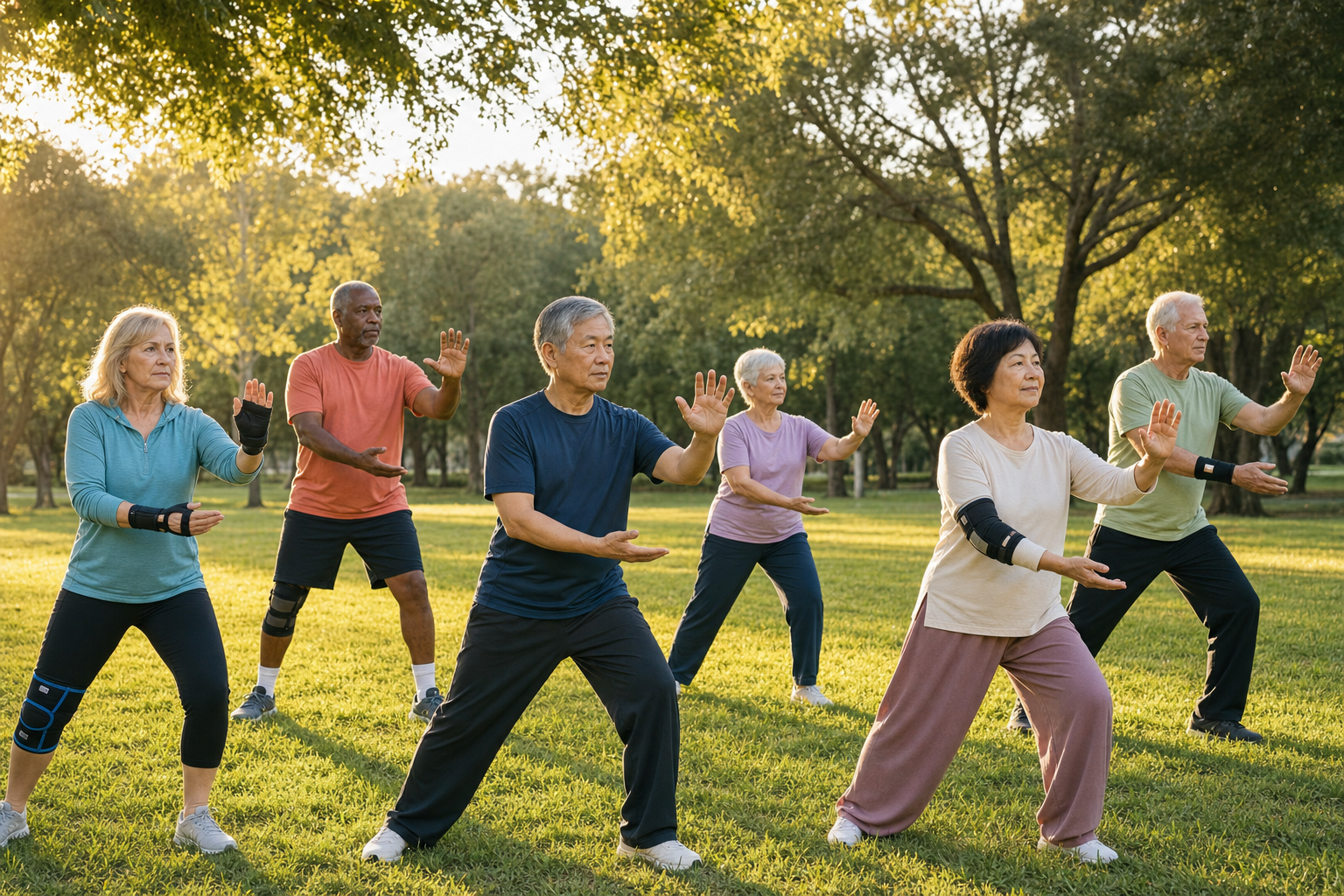
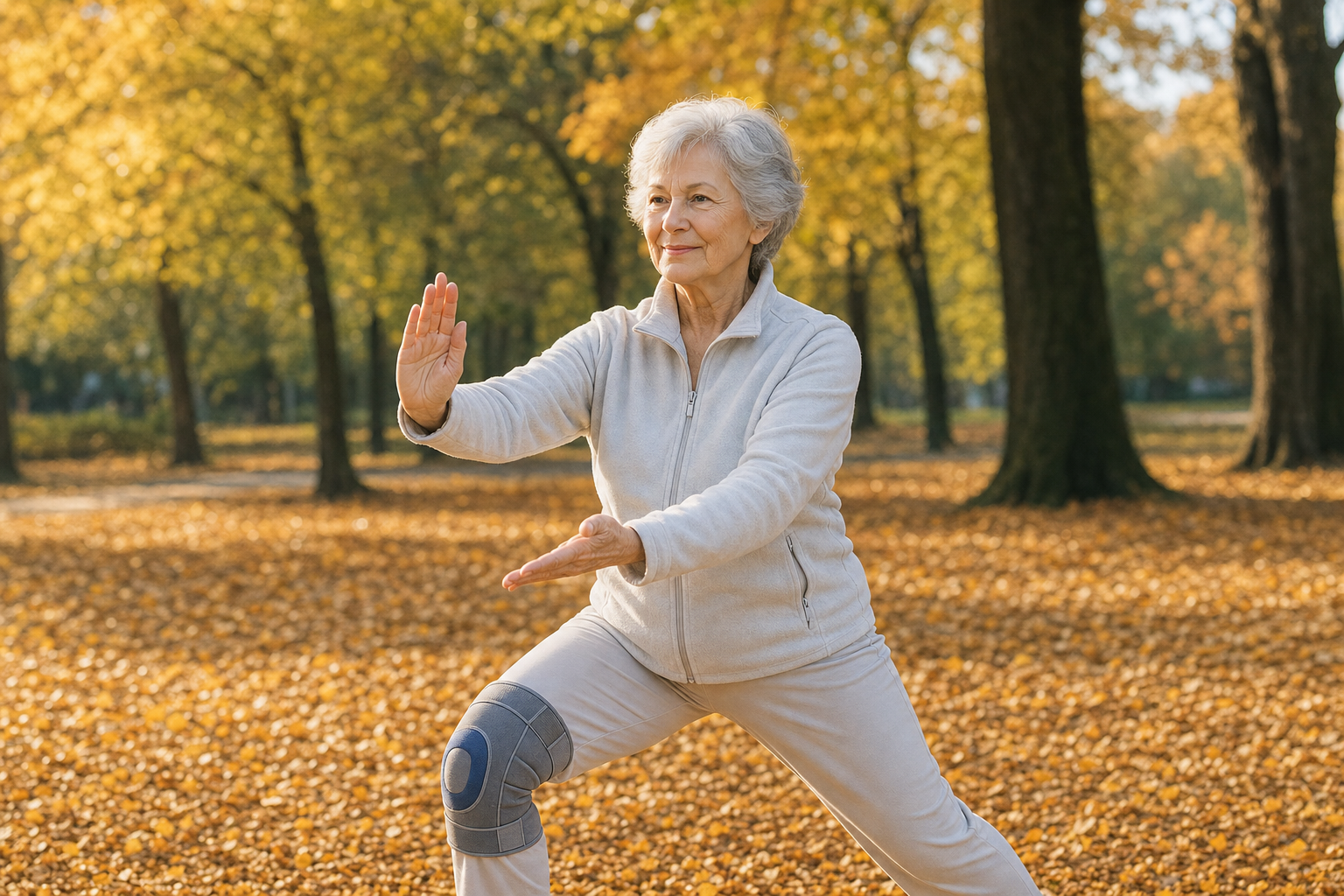
- Prioritize Safety: If balance is a big concern, practice near a sturdy chair or countertop. Using a supportive knee brace—like the NEENCA Professional Knee Brace—can provide extra confidence, especially if you get the occasional buckle or twinge.
- Dress for Movement: Loose, comfortable clothing and flat shoes (or barefoot, if safe) will let you focus on movement, not pinched toes or rolling soles.
And yes, always check with your doctor before starting a new exercise routine—especially if you have advanced joint degeneration, recent surgery, or heart issues. (I know, it’s a cliché, but I’ve seen too many avoidable setbacks when people skip this step.)
Smart Additions: Tools That Pair Well With Tai Chi
You don’t need much to get started, but a few extras can make your practice more comfortable and effective. Here’s what I recommend most often—based on both personal experience and feedback from other arthritis patients:
- A Supportive Knee Brace: The NEENCA Professional Knee Brace (I’ve worn this myself!) offers medical-grade support and a cushioned gel pad right over the kneecap. It’s especially helpful if you’re worried about “giving way” during weight shifts. Bonus: it’s adjustable and slim enough to wear under workout clothes.
- Gentle Pain Relief: Even the best routine can stir up a little soreness. Some of my readers find quick relief with Voltaren Arthritis Pain Gel—an over-the-counter topical NSAID that’s FDA-approved and non-greasy. I know some physical therapists who use it right before sessions to loosen things up.
- Structured Guidance: For those who like a plan, Jim Johnson’s Treat Your Own Knees includes simple, research-backed exercises that pair beautifully with tai chi. I’ve given away at least a dozen copies to friends who wanted a “bridge” between physical therapy and regular activity.
(Full disclosure: Products mentioned above contain affiliate links, but I only ever recommend tools I’ve tested or seen work for my patients and readers.)
Comparing Tai Chi to Other Arthritis-Friendly Exercises
So, is tai chi better than yoga, aquatic therapy, or standard “joint-friendly” aerobics? Here’s my take, based on both the research and real-world feedback:
- Yoga: Great for flexibility and mental focus, but many yoga poses place sustained pressure on the wrists, knees, or hips—a dealbreaker for some. Tai chi tends to avoid deep bends or weight-bearing postures.
- Walking: Essential for cardiovascular health, but doesn’t target balance or proprioception. Many with severe arthritis find tai chi easier on their joints.
- Aquatic Exercises: Fantastic for offloading weight—but not always accessible, and they lack the “on land” balance training that tai chi offers.
The real kicker? Tai chi is the only one that consistently shows both pain reduction and substantial fall-risk improvement in head-to-head studies. If you struggle with instability, that’s worth its weight in gold.
Real Stories: Tai Chi in Everyday Life
I get emails every month from readers who tried tai chi “just for fun,” only to discover unexpected perks. Marge from Oregon told me she can now garden without bracing herself on the fence. Allen in Florida credits his twice-weekly classes with “finally sleeping through the night without throbbing knees.”
My aunt Nancy? She’s still not running races, but last Christmas, she danced (well, swayed) at her granddaughter’s wedding—something she never thought possible after her diagnosis. These aren’t isolated miracles; they’re consistent outcomes echoed across clinical trials and real-world groups.
FAQs: What People Ask Me About Tai Chi for Arthritis and Balance
Q: Will tai chi make my arthritis worse?
A: If you practice safely and listen to your body, it’s extremely unlikely. In fact, most people experience gradual improvement. But any new pain—especially sharp or persistent—means it’s time to scale back or check in with your doctor.
Q: How long before I notice benefits?
A: Research suggests most people feel subtle improvements after 6-8 weeks, with significant gains by 3-4 months. Stick with it; consistency is key.
Q: I’m not “spiritual”—will I still benefit?
A: Absolutely. Tai chi’s meditative elements are helpful, but you don’t need to subscribe to any philosophy. Think of it as coordinated, mindful movement.
Q: Can I combine tai chi with other therapies?
A: Definitely. In fact, integrating tai chi with gentle strength exercises (like those in Treat Your Own Knees) or topical relief can boost results. Just don’t overload your joints on “bad days.”
Takeaways: Small Moves, Big Changes
Here’s my honest advice: Don’t let arthritis or fear of falling dictate your world. Tai chi won’t “cure” arthritis, but it can absolutely help you move through life with more comfort, confidence, and stability. You don’t have to be perfect, strong, or pain-free to start—just willing to try. Pairing tai chi with smart supports, like the NEENCA Professional Knee Brace or evidence-based routines from Treat Your Own Knees, can make each step less daunting. And yes, ask your doctor if you have any doubts—that’s just smart self-care.
I’d love to hear how tai chi works for you—good, bad, or somewhere in between. Drop me a line or join our next online Q&A session. Who knows? Your success story might be the nudge someone else needs to take that first, steady step.
Karen Whitfield has spent over 20 years reporting on arthritis and joint health for Everyday Health, Prevention, and Arthritis Today. She believes in science, straight talk, and practical hope.