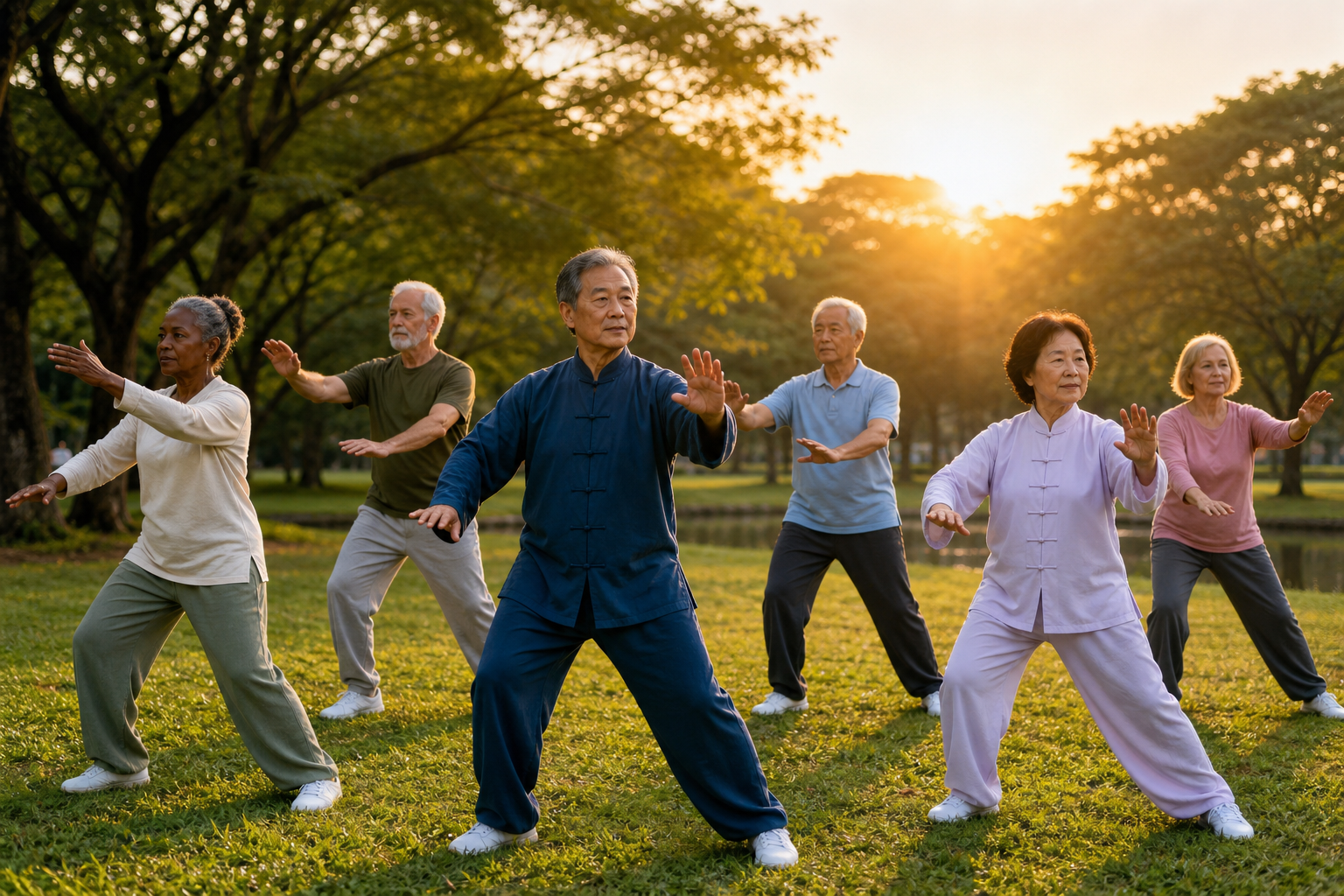
Tai Chi Benefits for Arthritis and Balance: What Science (and My Patients) Reveal
My first real lesson in tai chi’s power did not come from a medical journal—though I’ve read plenty of those. It was Mrs. Chen, an 82-year-old with knees “older than Moses,” as she liked to joke. She shuffled into my clinic a decade ago, barely able to stand without her walker. Six months later? She showed me her new trick: standing on one leg (grinning, arms waving in classic tai chi fashion). I’ll be honest—I raised my eyebrows. But I couldn’t argue with the proof right in front of me.
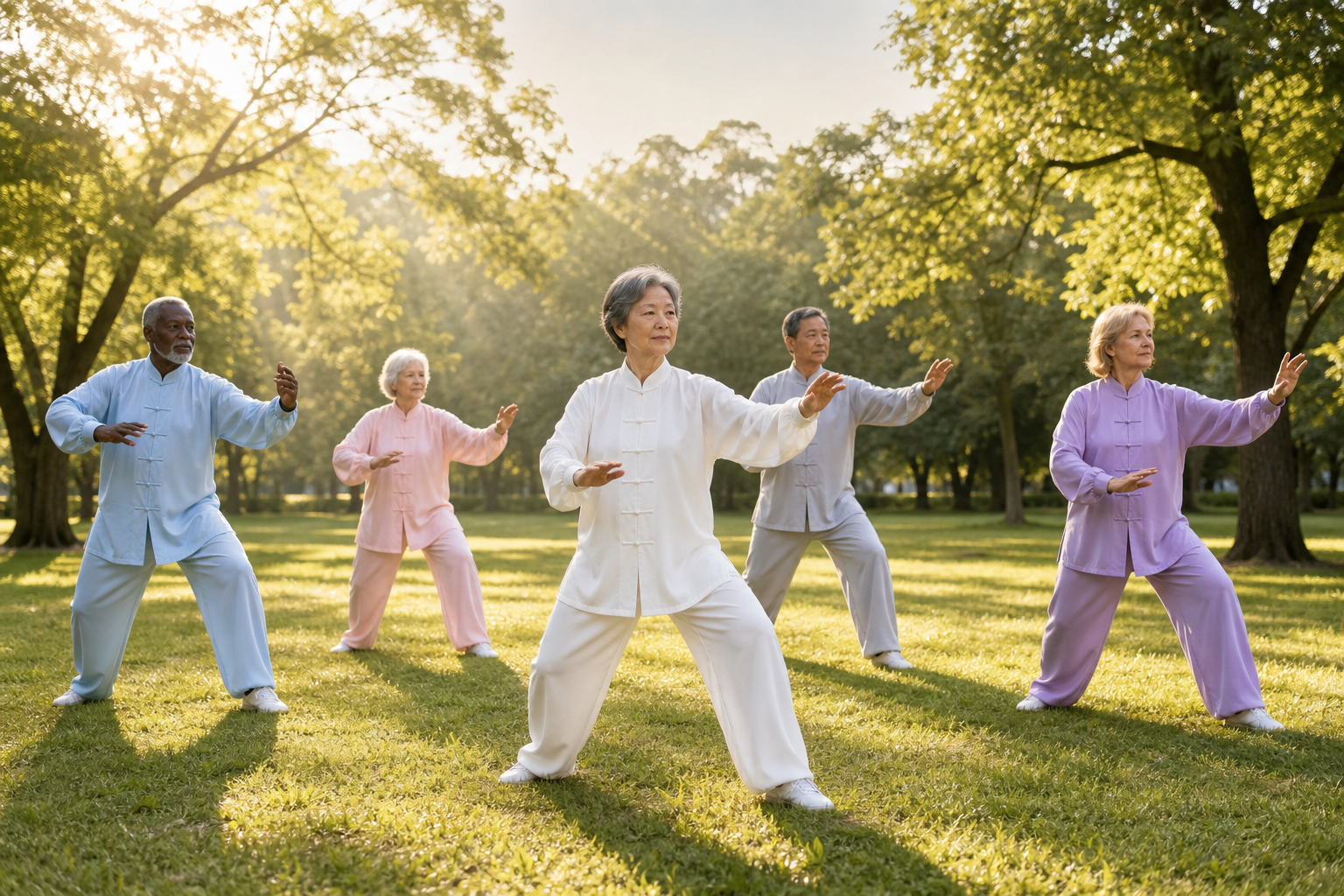
The Daily Reality of Arthritis and Shaky Balance
Look, if you’re reading this, you probably know the drill. Aching knees when you stand up. That split-second panic on the stairs. Or—maybe the worst—missing out on things you love because you’re worried about falling. I see it all the time. Arthritis and balance problems don’t just affect your joints—they worm their way into your confidence, your mood, your independence.
Most of my patients aren’t looking for a miracle cure. They just want to get through the day with less pain and more certainty. And honestly? That’s where tai chi comes into its own. Not as a magic bullet, but as a tool that actually fits into real, unpredictable, sometimes-messy lives.
What Actually Is Tai Chi? (No, It’s Not Just Fancy Arm Circles)
Tai chi—more specifically, tai chi chuan—originated in China centuries ago. Think of it as a mind-body exercise where you move slowly and with intention. No jumping, no equipment, no pounding pavement. Just your body, your breath, and a gentle focus.
And here’s the thing: tai chi isn’t about getting your heart rate through the roof. It’s about coordinated movements, soft weight shifts, and balancing on one leg for just a beat longer than feels natural. It’s deceptively simple—and that’s why it works for people who can’t (or don’t want to) join bootcamp classes.
So—Does It Actually Help with Arthritis?
Now we’re getting to the good stuff. The short answer: yes, and the data backs it up.
- Pain Relief: Multiple studies—including a 2021 meta-analysis in BMJ Open—show tai chi reduces pain and improves function in people with knee osteoarthritis. Some trials report a 20-30% reduction in pain scores, which rivals nonsteroidal anti-inflammatories for many folks.
- Stiffness and Range of Motion: Tai chi’s big on gentle movement. Regular practice (even 2-3 times a week) can loosen up creaky joints. I’ve watched patients who struggled with a deep knee bend progress to nearly full squats over several months. It’s gradual, but real.
- Inflammation: The science here is emerging, but a 2018 Arthritis Care & Research study suggested tai chi might help modulate inflammatory cytokines—meaning less swelling, less pain.
And, to answer the question I hear in my clinic every week: Yes, tai chi is safe if you have arthritis. Just start slow, and talk to your doctor or PT before making big changes—especially if you have severe joint damage or recent surgeries.
The Surprising Link Between Tai Chi and Balance
If you’ve ever looked up fall statistics, you know how serious this is. According to the CDC, one out of four Americans over 65 falls each year. It’s not just bad luck—it’s weak muscles, poor joint proprioception, and, sometimes, sheer fear of moving.
Here’s where tai chi almost feels like a cheat code. A 2017 Journal of the American Geriatrics Society review found that tai chi cuts fall risk by up to 43% compared to inactive controls. Even more, it improves key risk factors: leg strength, ankle flexibility, and something called postural sway (that subtle wobble when you stand on one foot).
Another fun fact from the Cochrane Database: Tai chi has a bigger effect on balance than walking or traditional stretching. Surprised? I was, too.
And if you think you’re “too old” or “too stiff” to even try—know this: The average age in many studies tops 70. I’ve worked with folks in their 90s who found real improvements. (Mrs. Chen, if you’re reading this, you’re still my poster child.)
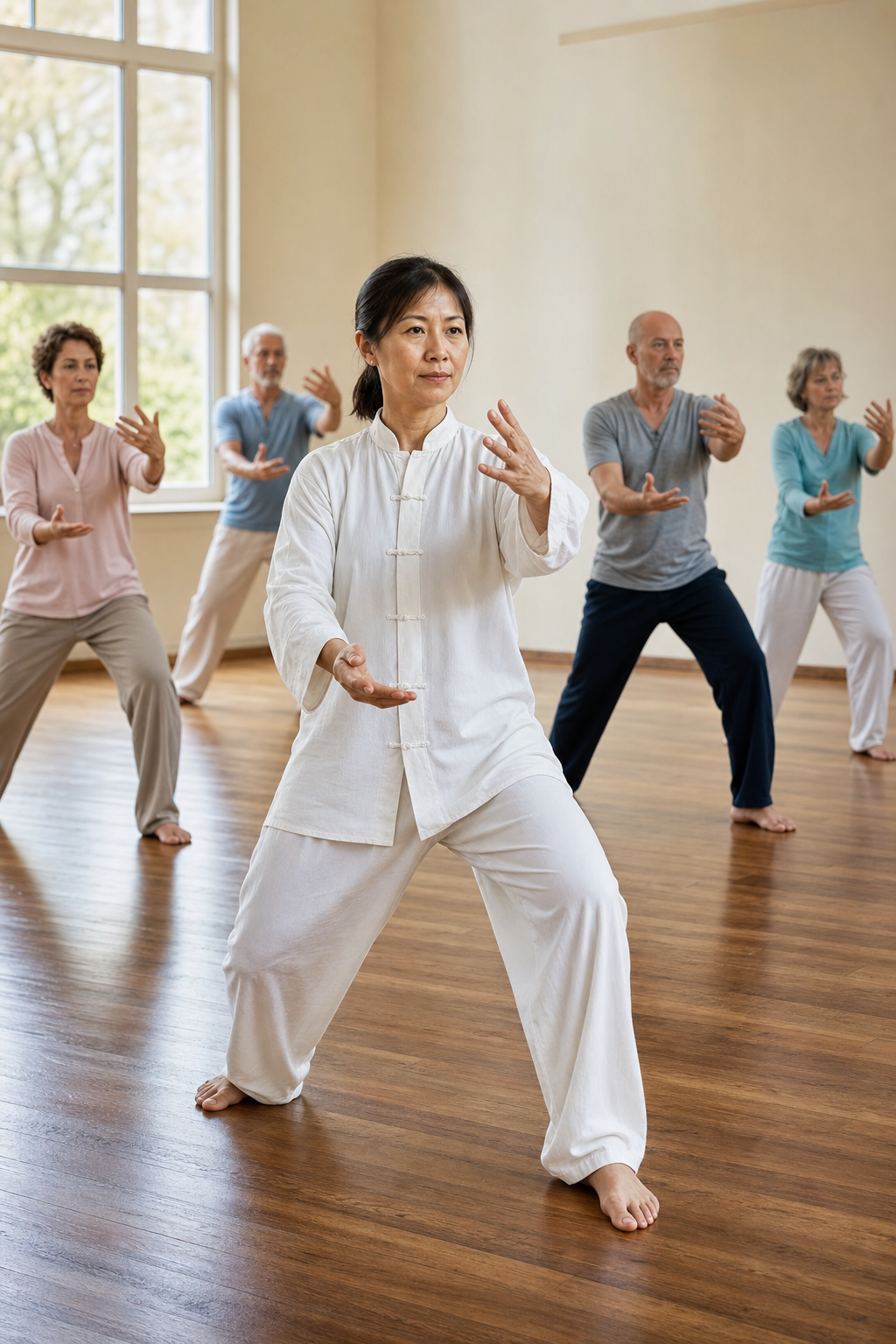
What’s Actually Happening in Your Body?
I won’t bore you with endless anatomy charts. But you should know: Tai chi combines gentle resistance (think slow-motion lunges), balance challenges (standing on one foot, shifting your weight), and constant movement.
The magic is in the repetition. These small, controlled movements train little muscles around your joints—muscles that often get ignored. Over time, you build up proprioception (your brain’s GPS for where your limbs are in space). That means less wobbling, more confidence, and fewer “oops!” moments with curbs or rugs.
And the breathing? That’s not just for show. Deep, slow breaths have been linked to lower stress hormones—one reason tai chi is sometimes called “movement meditation.” If you’re nodding along because stress makes your pain worse, you’re definitely not alone.
How to Start: Realistic Tips from a Physical Therapist
I’ll tell you what I tell my own patients: Don’t buy the silk robes or bamboo fan just yet. Start with the basics. Here’s what’s worked for the people I’ve walked through this process—step by slow step.
- Find a class or video aimed at beginners with arthritis or mobility issues. Community centers and senior centers often have gentle classes. Online, look for instructors who actually mention arthritis or balance (not just “weight loss” or “martial arts”).
- Clear a space. I’ve seen too many stubbed toes on coffee tables. Even a six-foot square is enough.
- Commit to 10-15 minutes, three times a week. More is great, but consistency beats intensity. Set a phone reminder, or pair your tai chi with something fun—favorite music, a cup of tea afterward.
- Don’t push through sharp pain. Mild soreness in new muscles is okay, but joint pain should never spike. If it does, dial it back or check with your PT.
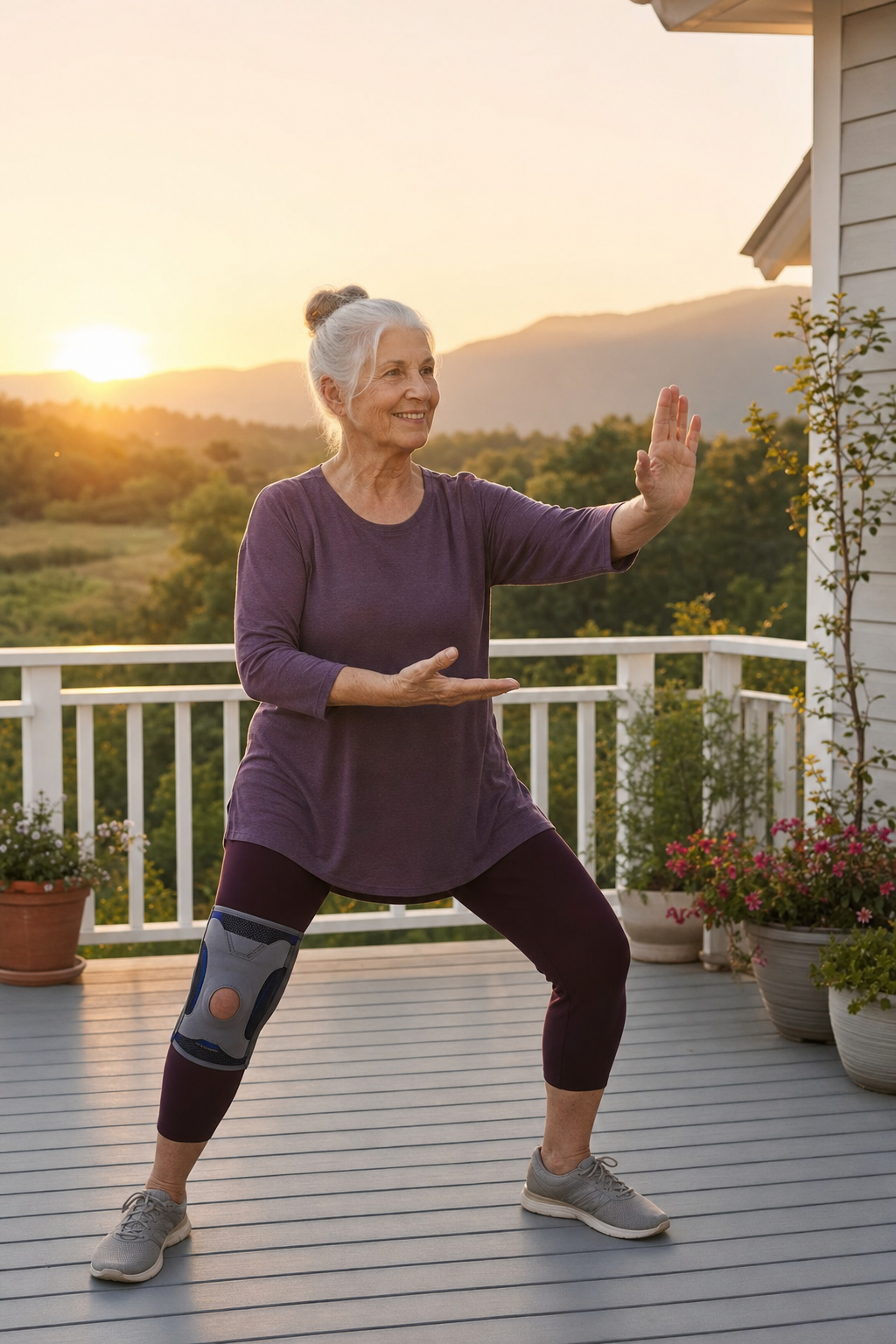
One small extra: I often recommend supportive knee sleeves or braces for folks with significant joint instability. The NEENCA Professional Knee Brace is a favorite—especially for those who need a confidence boost before starting gentle exercise. (And yes, I’ve tested a dozen of these in the clinic.) It won’t “fix” arthritis, but it can make those first steps feel safer.
The Psychology of Movement: Why Tai Chi Actually “Sticks”
Here’s a weird truth: Many PT exercises are boring. There, I said it. That’s why so many people quit after a month. Tai chi is different for one simple reason—people actually enjoy it. The group setting, the gentle flow, the feeling of competence as you master a sequence—it’s not just exercise, it’s almost playful.
In a 2022 survey of adults with knee osteoarthritis (Journal of Rheumatology), over 70% said tai chi was “sustainable long-term.” Compare that to the 40% adherence for traditional home stretches. That’s a big gap, and it matters. You want something you’ll stick with for more than a few weeks.
And if you’re self-conscious? You’re in good company. Many classes are full of folks who never thought of themselves as “exercise people.” The vibe is collaborative, not competitive. And if you get lost in the moves, that’s half the fun.
The Hard Truths: What Tai Chi Won’t Do
I’m nothing if not honest with my patients. Tai chi will not reverse cartilage loss, “cure” your arthritis, or turn you into a gymnast. Some people see modest improvements after a few weeks; others take several months. And—for certain conditions (advanced joint replacements, severe balance disorders)—you’ll need medical clearance first.
Oh, and if anyone promises you tai chi will eliminate all pain? Be skeptical. For many, it’s part of a toolkit—alongside medication, smart nutrition, and targeted PT—not a total replacement.
Tai Chi vs. Other Arthritis-Friendly Activities
Here’s where things get interesting. How does tai chi stack up against yoga, walking, or swimming?
- Yoga: Also excellent for flexibility, and offers similar mindfulness benefits. But some forms (think power yoga) are too intense for joint pain. Tai chi wins for balance and joint friendliness, especially if you’re wary about twisting or kneeling.
- Walking: Great cardiovascular perks, but doesn’t challenge balance in the same way (unless you’re on rough terrain). Pounding pavement can flare up knee or hip arthritis for some.
- Swimming: The gold standard for joint unloading. But not everyone has access to a pool, and it’s hard to practice real-world balance in the water.
Honestly? A blend works best. I often suggest tai chi as your anchor, with walking or gentle cycling added as tolerated. And if you like structure, the self-guided program in Treat Your Own Knees (Jim Johnson) is a fantastic, research-backed resource. It mixes tai chi-inspired moves with strength and flexibility plans. I’ve used it for years as a template for home exercises.
Making Tai Chi Work for Real Life
This is what separates theoretical advice from stuff that actually works. Here’s what I see make the biggest difference:
- Social support. Even one friend or family member trying it with you doubles your odds of sticking with it. Don’t have a local group? Online communities can give you that tiny nudge.
- Proper warm-up. Don’t jump right into the longer forms—spend five minutes circling your wrists, ankles, and knees. I like to use a heating pad before sessions for stiff mornings. The Pure Enrichment PureRelief XL Heating Pad is a clinic favorite here. Moist heat loosens up joints better than dry, in my experience. (Not gonna lie: I sometimes use it myself on chilly days.)
- Celebrating tiny wins. Can you stand on one foot longer this week than last? Good. Did you finish 10 minutes without a break? That counts. Arthritis management is a marathon—not a sprint.
And don’t let perfectionism get in your way. If you skip a day (or a week), just start again. Progress, not perfection.
What Doctors and Physical Therapists Actually Recommend
You might find this surprising, but tai chi is recommended in the official guidelines for osteoarthritis management by both the American College of Rheumatology and the Arthritis Foundation. That’s right: alongside exercise, weight management, and pain relief, tai chi stands out as one of the few modalities with both safety and effectiveness data behind it.
And in my clinic? It’s often my first-line suggestion for those who struggle with group classes or who feel overwhelmed by traditional gym routines. I almost never see adverse effects—especially compared to more strenuous activities. But I’ll say it again: talk to your doctor before starting, especially if you’ve recently had surgery, severe mobility loss, or a history of unexplained falls.
Final Thoughts: Why Tai Chi Is More Than Just Exercise
If you skimmed down here, here’s what I want you to take away: Tai chi offers real, science-backed benefits for arthritis pain and wobbly balance. It’s gentle. It’s accessible. And (maybe best of all) it’s something people actually enjoy enough to keep doing. Mix it with the right supports—like a quality knee brace or moist heating pad—and you’re giving yourself a fighting chance to reclaim some confidence and comfort.
I know starting something new can feel daunting—especially when your body doesn’t always cooperate. But give tai chi a real shot. Worst case, you spend a few weeks moving gently and breathing deeply; best case, you’ll find yourself a little steadier, a little looser, and a lot less anxious about the next step.
Feel free to email me if you’ve got questions or want to share your own tai chi “aha” moments. (And Mrs. Chen, wherever you are, keep waving those arms.)
Stay steady,
Dr. Sarah Mitchell, DPT
Senior Health Editor, JointReliefReviews