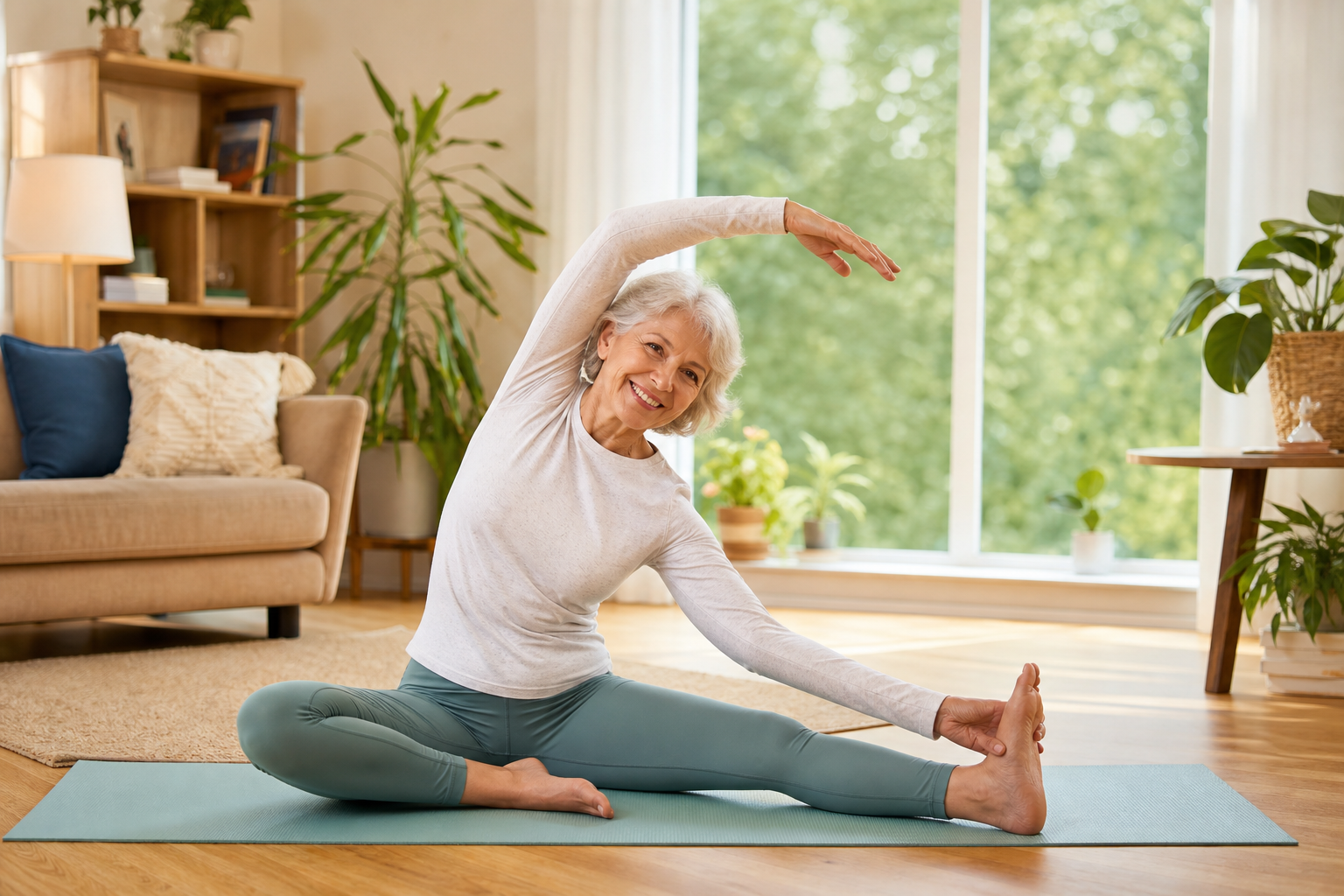
Low Impact Exercises for Seniors with Arthritis: My Go-To Moves (and Why They Work)
I’ll never forget the look of frustration on my mother-in-law’s face after her first fall risk screening. She’d always prided herself on being independent—grocery trips, gardening, the occasional Zumba Gold class at the Y. Then her knees started acting up. Suddenly, even stepping off a curb felt risky. "I don’t want to become a shut-in," she told me. And I know she’s not alone. Arthritis is an unwelcome companion for millions of older adults. In fact, the CDC estimates nearly half of people over 65 have been told they have it. The real kicker? Joint pain can make moving feel like the enemy. But, as I've seen with dozens of clients and family members, the right kind of movement isn’t the problem—it’s the solution.
Why Exercise Feels Impossible—But Matters Most
Here’s the thing: If you’re reading this, you probably already know exercise is supposed to help with arthritis. But let’s be real—when your joints throb just from tying your shoes, advice like "just walk more!" can feel almost cruel. I get it. I’ve spent years as a strength coach and exercise scientist, and I’ve watched plenty of seniors try to tough it out, only to wind up sidelined for weeks.
So, what makes low impact exercise different? It’s not about sweat or speed. It’s about protecting your joints from pounding while still strengthening the muscles that support them. The result? Better function, less pain, and—maybe most important—a huge boost to your confidence. There’s solid science behind this. A 2021 review in Arthritis & Rheumatology found that older adults with knee OA (osteoarthritis) who participated in regular, low-impact exercise cut their pain scores by as much as 28% over 12 weeks.
What Counts as Low Impact?
I get this question a lot. Low impact means your joints aren’t being hammered by repeated, high-force landings. That rules out running, jumping, even some classic aerobics moves. But it leaves you with a toolbox of safe, surprisingly effective options:
- Walking (on even ground or treadmills)
- Stationary cycling
- Water aerobics or pool walking
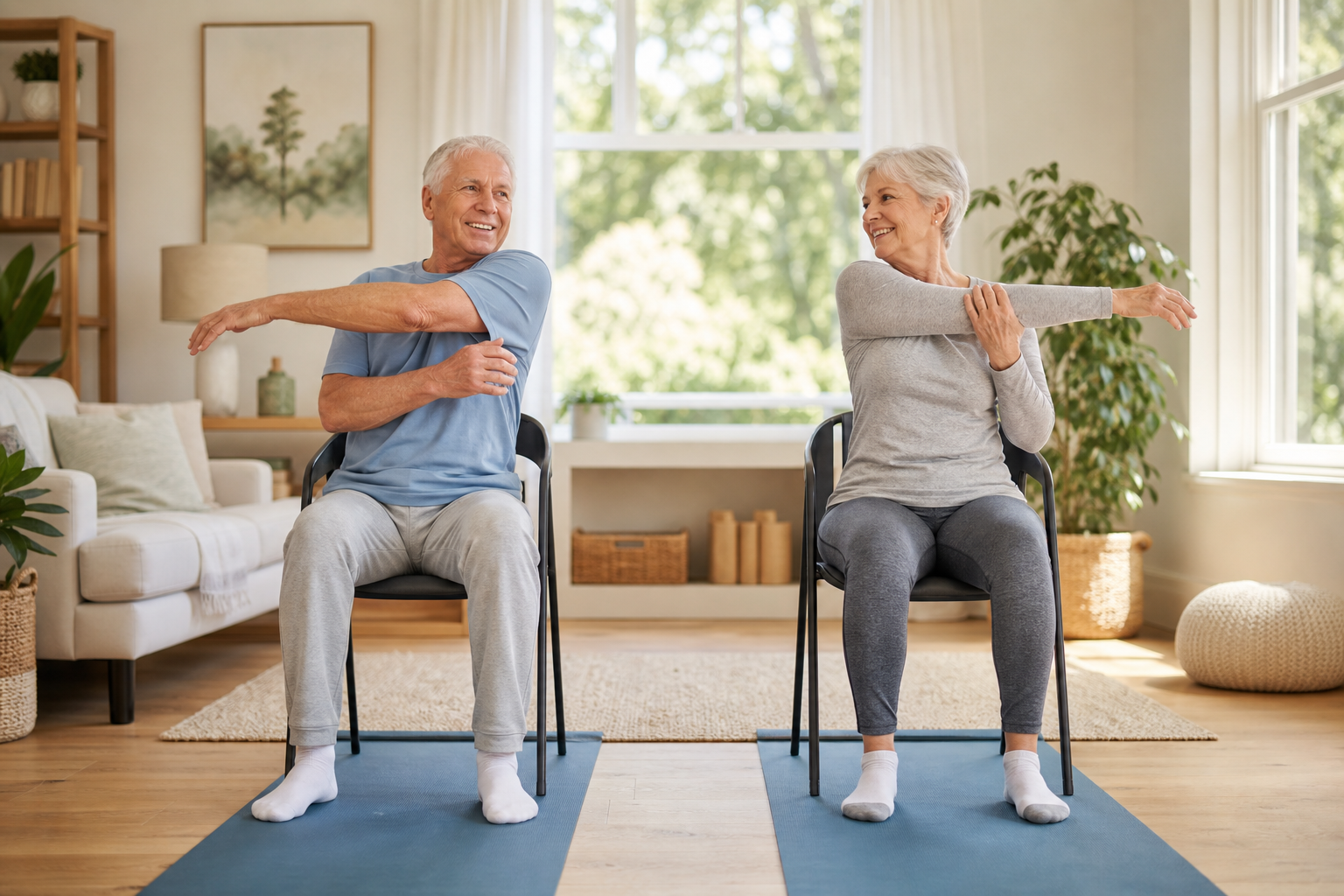
- Chair exercises
- Yoga and Tai Chi
- Light resistance training
- Stretching and mobility drills
But wait. Not every "gentle" exercise is right for every joint. For example, I worked with a client whose arthritis flared up during yoga because some poses hyperflexed her knees. Individualization is key. (Talk to your doctor first if you’re starting a new regimen or have complex medical history. That’s my required scientist/disclaimer hat coming out.)
Science Behind the Moves: How Low Impact Exercise Tames Arthritis
Let’s get a bit nerdy—because understanding the why helps you stick with it. When you move, your joints do more than just bend. The cartilage (that’s the smooth stuff cushioning your bones) needs movement to absorb nutrients and flush out waste. Without it, cartilage starves. That’s part of why inactivity can actually worsen arthritis symptoms over time, not improve them.
This is borne out in studies. A clinical trial in the Journal of Rheumatology (2020) showed that seniors who performed low-impact aquatic exercise 3x per week improved their walking speed and joint function significantly more than a sedentary control group. What’s more, a 2018 meta-analysis in BMC Musculoskeletal Disorders reported that regular chair-based resistance exercise helped decrease both pain and stiffness—without increasing risk of falls or injury.
But here’s where it gets interesting: it’s not just your joints that benefit. Low impact movement also strengthens your heart, boosts balance, and can even lift your mood. I had a reader email me last week about how his 20-minute daily walk (slow, around the block, nothing fancy) helped his sleep more than any prescription.
The Moves: My Personal Top 5 Low Impact Exercises for Seniors with Arthritis (and How to Do Them Right)
Look, you don’t need fancy equipment or a gym membership to get real results. Here’s what I recommend most often to my clients (and yes, my mother-in-law):
1. Seated Marching
Sit toward the front edge of a sturdy chair, back straight, feet flat. March your knees up and down—alternately—like a gentle parade. Set a timer for 1-2 minutes. It wakes up your hip flexors and gets your blood pumping. Add light ankle weights for progression (but only if you’re steady).
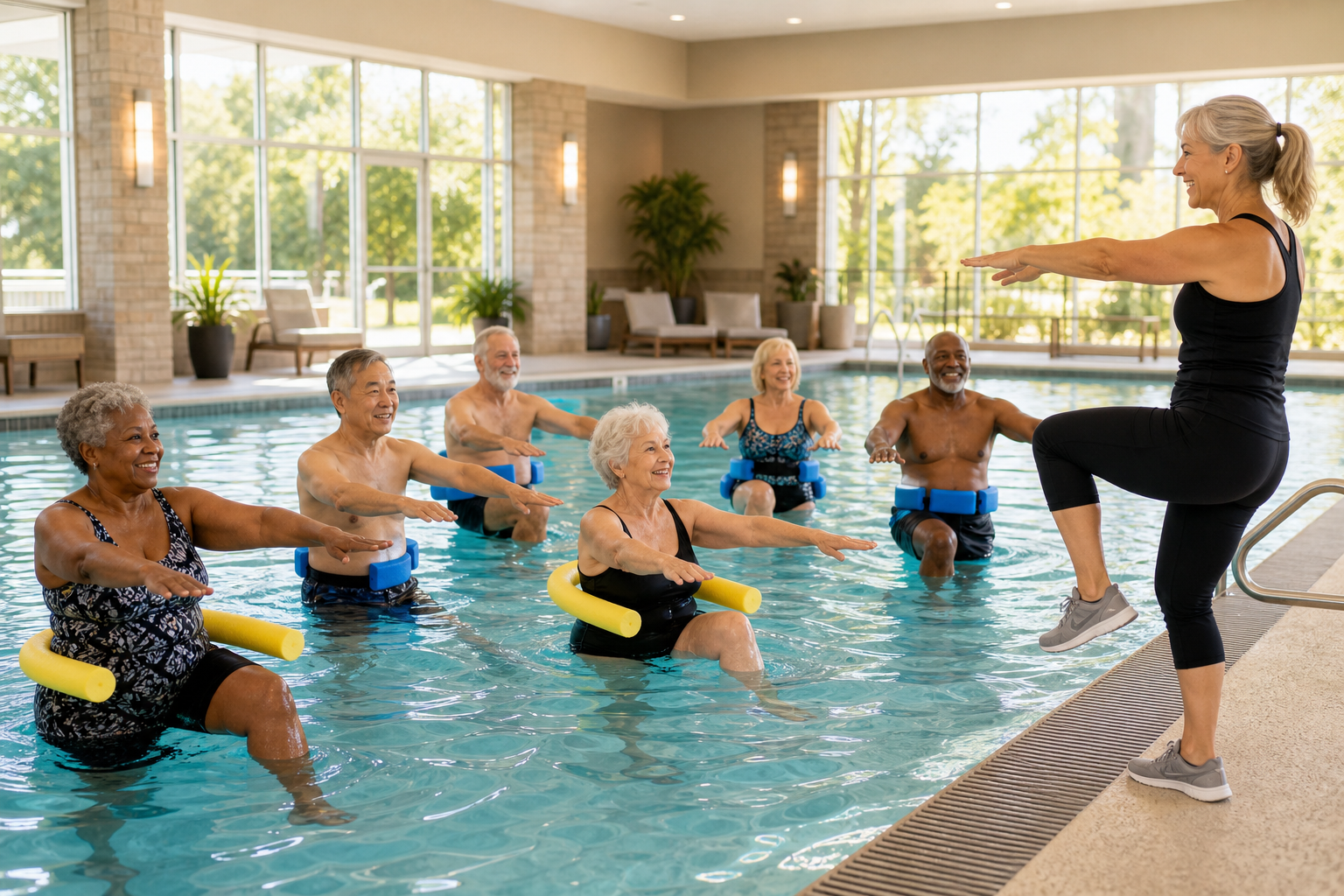
2. Water Walking or Aquatic Aerobics
Water supports your weight, so your joints get a break. Walk or do gentle side-steps across the pool for 10-20 minutes. Many YMCAs and local pools offer arthritis-friendly water classes. In fact, one 2019 study in Osteoarthritis and Cartilage found these programs not only improved joint function but also helped participants stick with exercise over the long term.
3. Wall Push-Ups
Face a wall, arms outstretched, hands on the wall at shoulder height. Bend your elbows and lean in, then push back to start. Aim for 8-12 reps. It’s a safe way to build upper body strength—no wrists or elbows grinding on the floor.
4. Standing Mini-Squats (With Chair Support)
Use the back of a sturdy chair or countertop. Keep your feet hip-width apart, gently bend your knees (just a few inches, no need for a deep squat), then rise back up. 10-15 reps. This strengthens quads and glutes—the unsung heroes for knee support.
5. Gentle Yoga or Tai Chi
There’s strong evidence for both. A 2016 BMJ review showed yoga classes reduced pain and improved function in seniors with knee OA. Tai Chi, with its slow, flowing movements, is now recommended by the Arthritis Foundation. Try a beginner DVD, streaming class, or community center session. (If you’re wobbly, practice next to a wall or sturdy chair at first.)
The Little Details That Make a Big Difference
Here’s what most articles skip: the real-life stuff. The "how do I actually do this without flaring up and quitting in a week?" stuff. Let’s tackle the biggest questions I get:
- Warm Up: Spend 3-5 minutes moving gently (shoulder circles, ankle rolls, slow walking around the house). It tells your joints, "Hey, something good’s coming." It really does help prevent next-day stiffness.
- Pace Yourself: Start with 5-10 minutes per session, 2-3 times a week. Build up slowly. You’ll get better results from consistency than from trying to do too much, too soon.
- Watch Your Body: Mild discomfort is common at first, but sharp pain means stop. If something feels off, modify or skip that move for now.
- Cooling Down: End sessions with gentle stretches—hamstrings, calves, wrists. Helps keep you limber.
And yes, gear matters. I’ve seen people give up on exercise just because their knees felt wobbly or vulnerable. There’s no shame in using supports. In fact, the right knee brace can boost your confidence and let you focus on the work (not the worry).
Products That Actually Help (And Some I Don’t Love)
I’m picky about gear. Some products are all hype—others are near-essential. Here’s what I’ve personally recommended, either to family or clients, and why:
- Treat Your Own Knees by Jim Johnson: This little book is a game-changer. Simple, research-backed home exercises, clear drawings (even my 80-year-old neighbor could follow them), and a full plan. I keep a copy in my clinic. Bonus: less than $15—and often cheaper than a single copay.
- NEENCA Professional Knee Brace: If you’re worried about instability, this is the one I point to. Side stabilizers mean your knee doesn’t wobble, and the gel pad reduces pressure on tender kneecaps. Medical-grade, but not overkill for everyday use. I know some folks prefer compression-only sleeves, but for moderate arthritis, a stabilizer makes a noticeable difference.
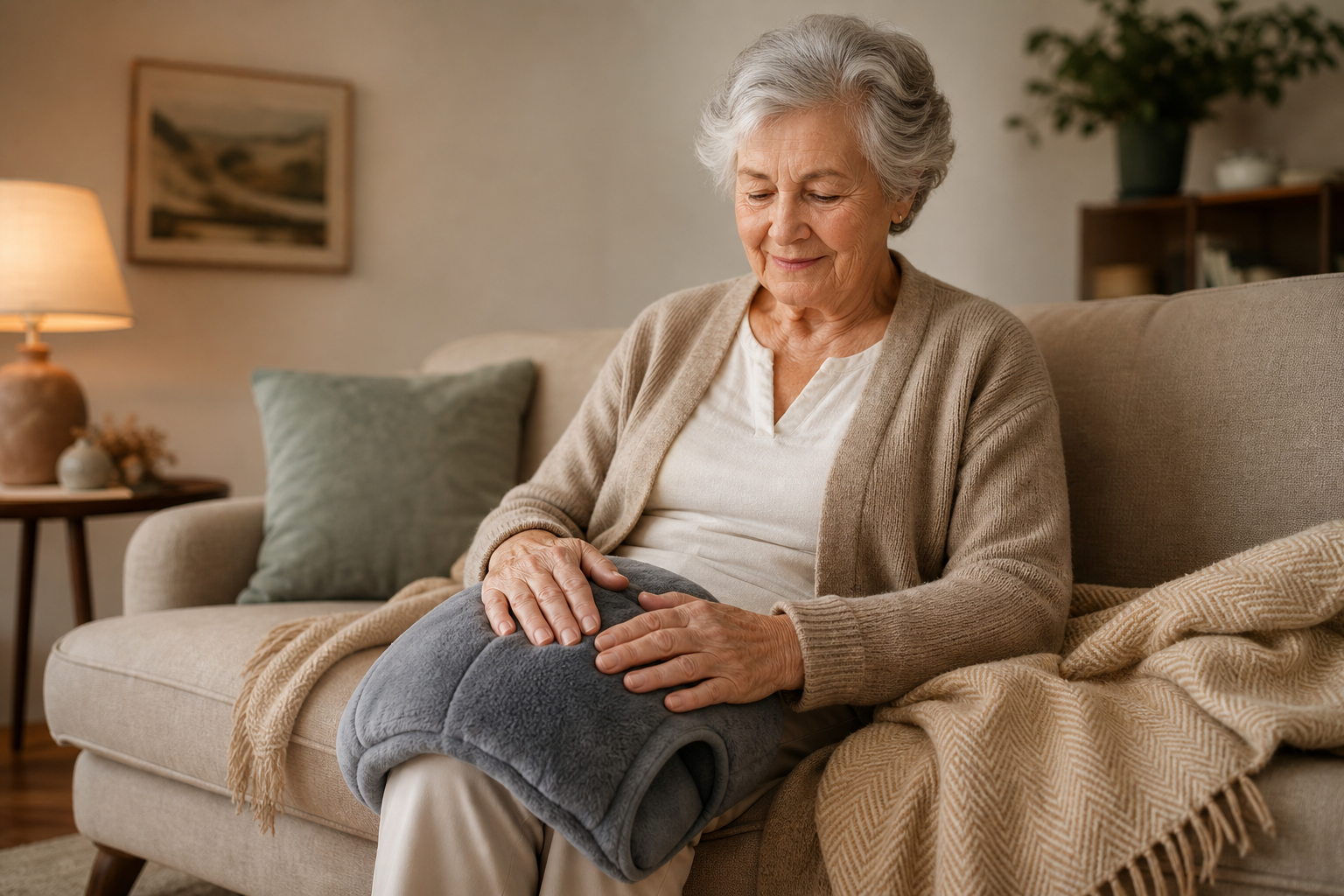
- Pure Enrichment PureRelief XL Heating Pad: Not technically "exercise" gear, but—hear me out—if morning stiffness or post-workout aches are killing your motivation, this extra-large heating pad is gold. Moist heat penetrates deeper than the old-school dry pads, and the auto shut-off means no worrying about safety. I always keep one in my office.
What about fancy vibration plates, overhyped "joint support" supplements, or electric muscle stimulators? For most seniors, the research just isn’t there. Stick to the basics—your wallet and your joints will thank you.
What About Days When Everything Hurts?
I’m not gonna pretend every day will be perfect. Arthritis has a mind of its own. If you wake up with a bad flare, skip the full routine. Try gentle range-of-motion moves: slowly bend and straighten each joint, or do shoulder circles while seated. A little movement is better than none.
Why Consistency Beats Intensity (Every Time)
I know it’s tempting to chase quick wins. But for arthritis, slow and steady really does win the race. That’s not just my opinion—a 2022 review in Clinical Interventions in Aging found that seniors who did light movement daily (even just 10-15 minutes) had better pain scores and mobility at one year than those who only exercised when they felt motivated. The magic isn’t in the workout—it’s in the routine.
Progress might look like being able to stand up from your favorite chair with less effort, or walking to the mailbox without stopping. Celebrate those wins. They matter.
Expert Insights, Honest Limitations
Here’s where I’ll ruffle a few feathers: Not everyone with arthritis can (or should) do every exercise. Severe joint damage, balance problems, and other health issues may require a PT’s customized plan. I work with physical therapists every week who warn against "one-size-fits-all" programs. If you have a complicated case—joint replacement, advanced osteoporosis, or neurological conditions—get a professional assessment. Don’t gamble with your independence.
That said, for most seniors, the path forward is movement—gentle, regular, and enjoyable. You don’t have to love every minute. But if you stick with it, arthritis will take a back seat more often than not. And that independence? It’s always worth fighting for.
Takeaways: Where to Start (and What to Remember)
- Start with what you can do—consistency is more important than intensity.
- Focus on proven low impact moves: walking, chair exercises, aquatic programs, and light resistance.
- Warm up, cool down, and pay attention to your body’s signals.
- Don’t be afraid to use supports—gear like a stabilizing knee brace or a good heating pad can make all the difference.
- If you have more complex health issues, get expert advice before starting or changing your routine.
One last thing: If you’re nodding along, you’re not alone. I see real transformations every year—seniors who reclaim their mobility, reduce their pain, and yes, sometimes even surprise their grandkids with a little dance at a wedding. Movement is medicine, but it’s also freedom. Here’s to the first step—however small it might feel.
—James Chen, MS, CSCS
Certified Strength & Conditioning Specialist
Contributor, JointReliefReviews.com