Low Impact Exercises for Seniors with Arthritis: Real Relief Without the Risk
If you’d asked my mother-in-law five years ago if she’d ever be the most energetic person at her senior center, she would have snorted in disbelief. But now? She’s the ringleader for post-lunch walks. And believe me, that transformation had nothing to do with magic pills or swanky gadgets — it was all about gentle, low impact movement designed for people with arthritis.
Stuck in the Cycle of Pain? You're Not Alone
Here's the thing: pain begets inactivity, and inactivity makes arthritis pain worse. I can’t tell you how many patients I’ve seen over the past twelve years who honestly believed that moving less would protect their joints. The reality? Research from Arthritis Care & Research (2018) shows that regular, low impact exercise not only reduces pain but can slow joint degeneration in people over 65.
If you’re nodding along, you’re not alone. Stiff mornings, creaky knees, that little internal debate before you get out of your favorite armchair — it feels like every step is a negotiation. And if your doctor’s ever handed you a list of generic “recommended activities,” but you felt too overwhelmed or uncertain to begin, I get it. The fear of making things worse is real.
What Actually Works? Let's Talk Science (in Plain English)
So how does exercise — the very thing that often triggers pain in arthritis — actually help? Here’s where it gets interesting. The best evidence, from large meta-analyses in BMJ (2021) and Journal of Rheumatology (2019), points to a few key mechanisms:
- Lubrication: Movement helps circulate synovial fluid, reducing that dry, “rusty hinge” feeling inside the joints.
- Muscle Support: Stronger muscles offload pressure from sore joint surfaces.
- Reduced Inflammation: Regular activity actually tampers down inflammatory markers — yes, even gentle walking counts.
- Better Mood: Quick science detour: people who keep moving report lower rates of depression and anxiety. There’s a brain–joint connection most articles skip over.
I'm not saying you need to leap into an hour-long yoga class or train for a marathon — in fact, please don’t. Low impact is the name of the game. Less stress on the joints, more gain in strength, flexibility, and confidence.
What Are Low Impact Exercises — And Which Ones Are Actually Safe?
Low impact means exactly what it sounds like: activities that reduce pounding, twisting, and abrupt loading of your joints. The best part? They’re accessible, inexpensive, and kind to bodies at any stage of arthritis. Here are the top contenders I recommend in my own practice:
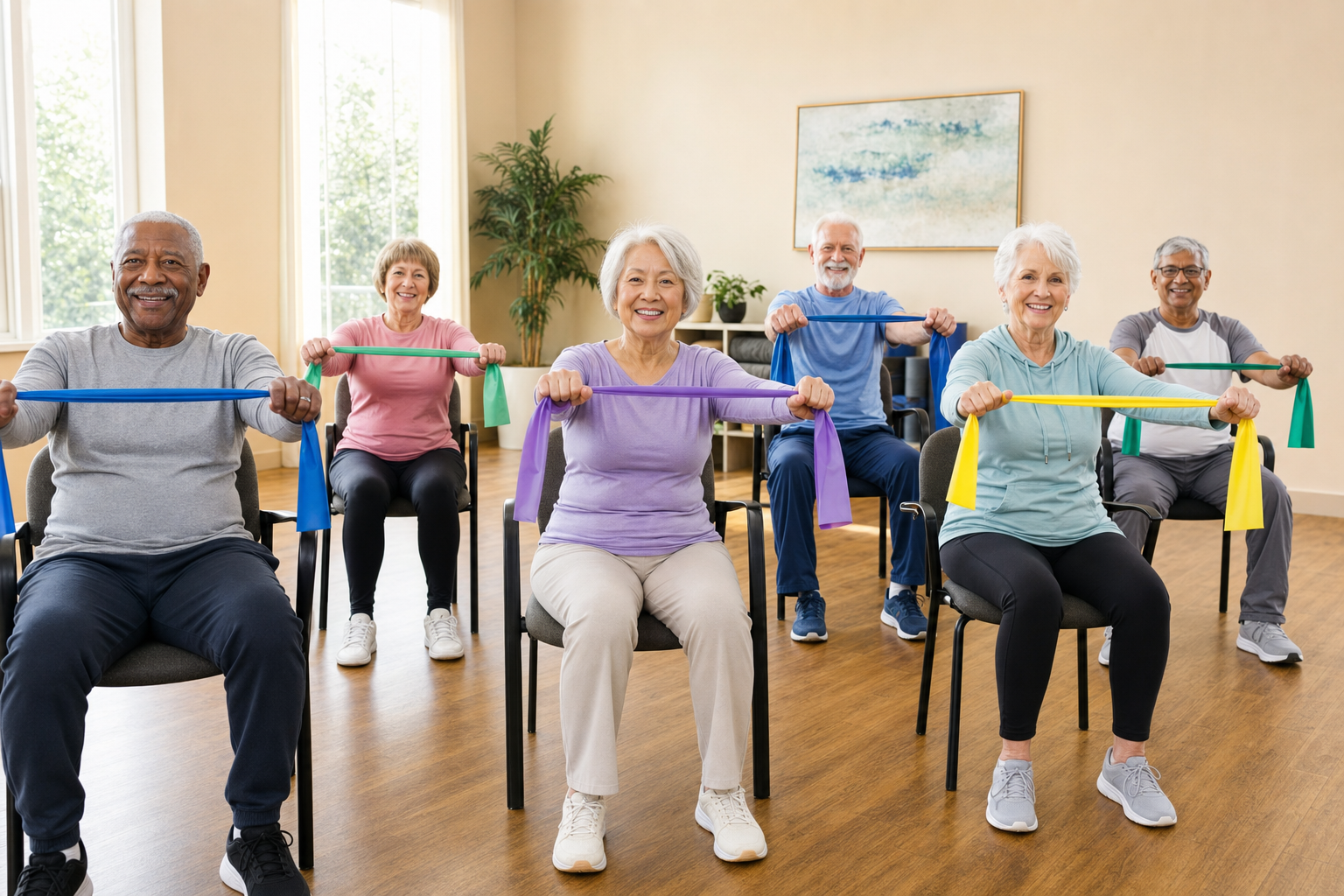
- Chair Stands & Seated Marching: These look simple, but they activate the major muscles that stabilize knees and hips — glutes, quads, and core. Start with 5–10 reps; work up from there.
- Water Aerobics: Buoyancy does half the work for you. Even 20 minutes in the pool (walking, gentle kicks) can significantly reduce joint stress. A 2017 Rheumatology International study found 26% pain relief in seniors after 12 weeks of aquatic exercise.
- Standing or Seated Yoga: No headstands here. Focus on gentle poses like cat-cow, standing leg lifts, or modified warrior. Flexibility and balance go hand-in-hand with fall prevention.
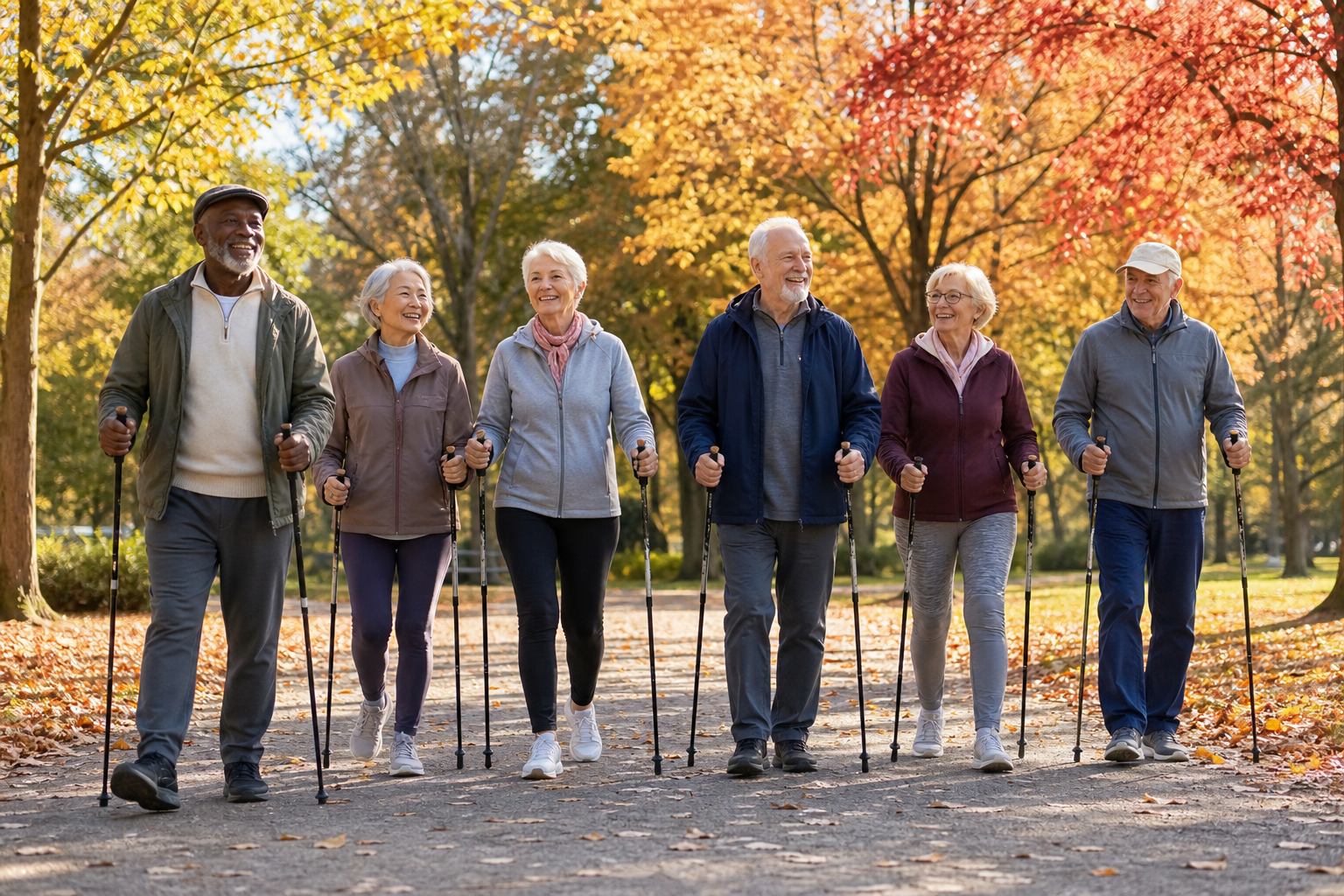
- Walking (Indoors or Out): Ten minutes, two or three times a day — that’s all it takes for measurable improvement, according to a 2020 Arthritis & Rheumatology review. Softer surfaces (like tracks, grass, or even carpeted mall corridors) can make things easier.
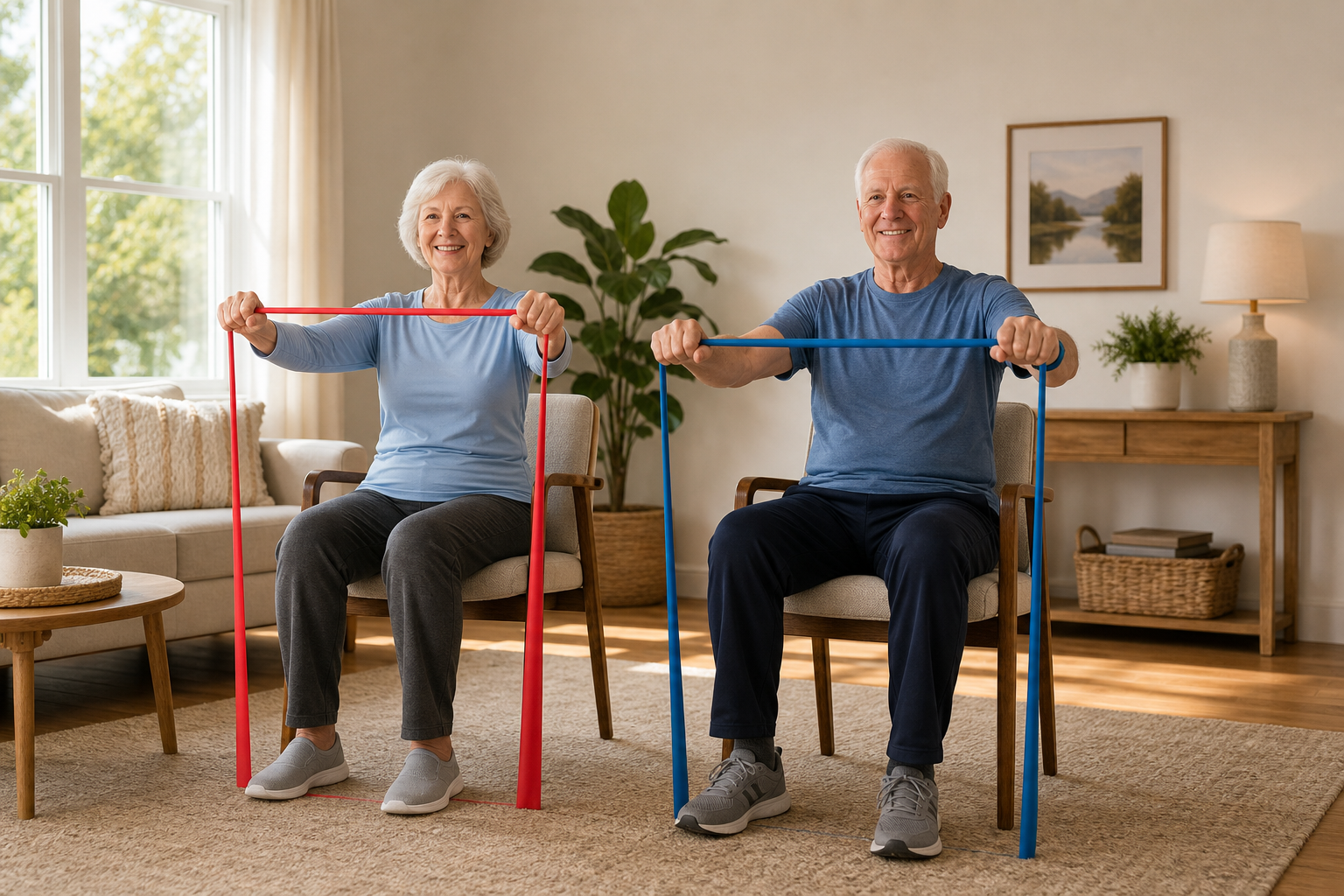
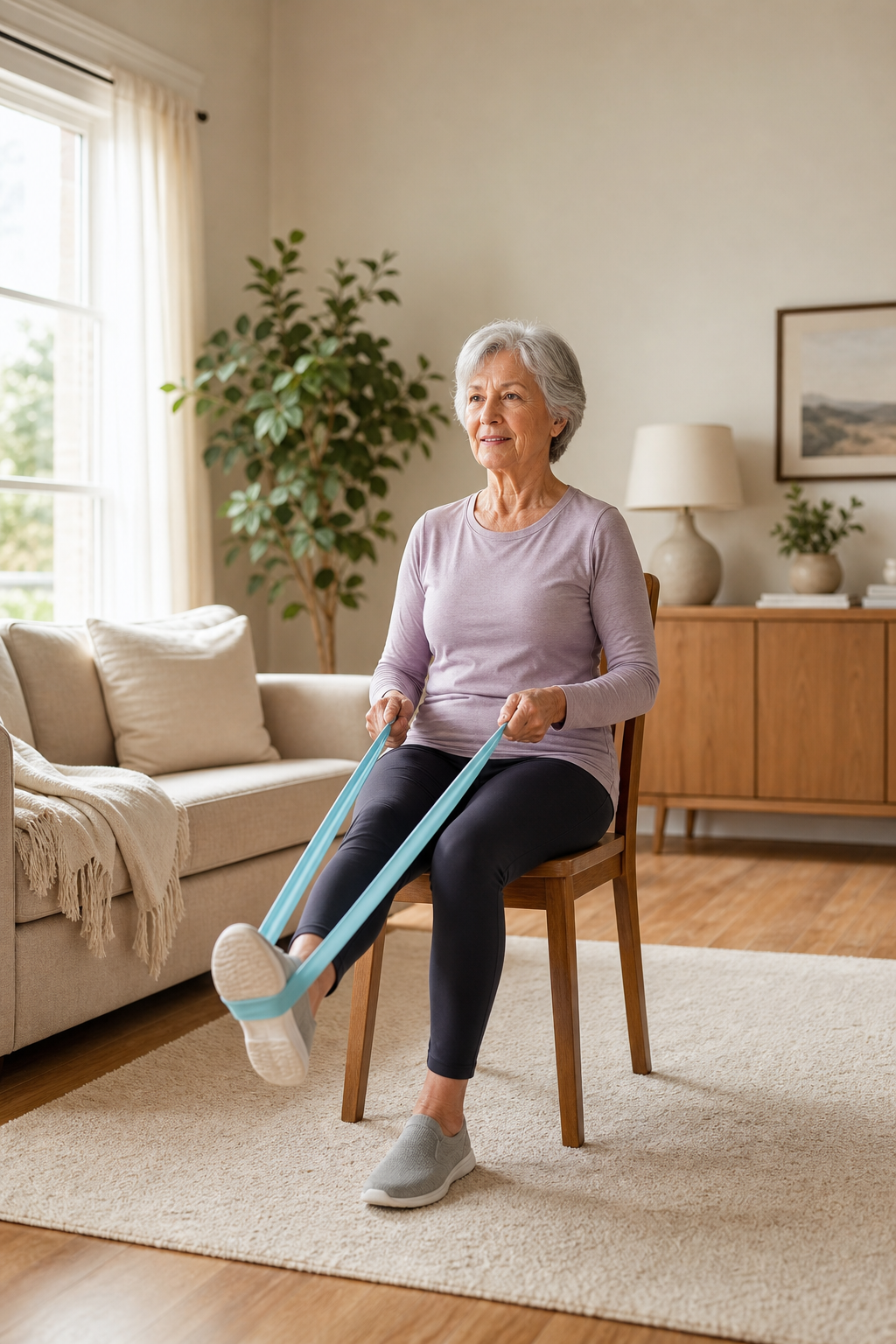
- Resistance Bands: Bands are my go-to for both strength and flexibility. Even gentle shoulder and leg work can make a world of difference, and you can use them seated or standing.
Look, you don’t need a home gym or group class to get started. My favorite resource for new clients — especially those who want a simple, safe routine without fancy equipment — is Jim Johnson’s Treat Your Own Knees. It’s packed with research-backed, illustrated exercises you can do from your living room. (Full disclosure: I give this to my own family members. The price is less than a copay for physical therapy — and way less intimidating than YouTube deep-dives.)
The Real-World Roadblocks (And What To Do About Them)
Let’s be brutally honest: the number one barrier isn’t finding the “right” exercise — it’s dealing with flare-ups, fatigue, or fear of making things worse.
One reader, Barbara from Tucson, emailed me last week about her struggle getting back on track after a knee flare. She asked, “Am I just destined to sit on the sidelines forever?” Absolutely not. Here’s what I told her (and what I tell all my patients):
- Start Small: Even 3–5 minutes at a time counts.
- Keep It Consistent: Frequency trumps intensity. Think daily, not ‘all or nothing’ marathons.
- Modify, Don’t Quit: On rough days, swap standing exercises for seated ones. Use support (like a sturdy chair or handrail) to stay safe.
- Listen to Your Body (But Not the Excuses): Mild soreness is normal. Sharp, persistent pain is not — that’s your cue to pause and consult your medical team.
And yes, I always recommend checking with your physician before starting a new routine. Especially if you have heart or lung conditions, or if you’re recovering from surgery. Safety first, always.
Supercharge Your Results: Tricks I Swear By (and a Few Worthwhile Tools)
Here’s a little ‘insider’ confession: even physical therapists rely on a few tried-and-true props to make low impact exercise easier, safer, and way more enjoyable. My top three:
- Supportive Knee Braces: For anyone with moderate arthritis or a history of meniscus issues, stabilizing the joint can help tremendously with confidence and comfort. The NEENCA Professional Knee Brace is affordable, easy to adjust, and has just enough support without adding bulk (I’ve tested it myself on demo days).
- XL Heating Pads: There’s real science behind moist heat improving tissue flexibility and easing morning stiffness. The Pure Enrichment PureRelief XL Heating Pad is the only one I recommend for large joint coverage — especially for pre-exercise warm-ups on cold days.
- Resistance Bands: Cheap, packable, and beginner-friendly. I keep a set in my bag for home visits, and clients love that they can stash them in a drawer. No link here, because frankly, you don’t need anything fancy. Just make sure you get a few different strengths!
But — and here’s the mild controversy — not all aids are created equal. Some people swear by compression sleeves, others find them useless. In my experience, sleeves are best for people who want mild support and warmth but not true stabilization. Ask your PT or try before you buy, if you can.
How Much, How Often? The PT Cheat Sheet
If you want to know exactly what I prescribe most often, here’s the rough breakdown:
- Frequency: Aim for movement most days, but at least 3–4 times a week.
- Duration: Total of 30–45 minutes per day, broken into short sessions if needed.
- Intensity: You should be able to hold a conversation. On a 0–10 scale, stay under a ‘6’ for perceived effort.
- Variety: Mix strengthening, flexibility, balance, and aerobic activities each week.
And if you’re still not sure where to begin, start with chair exercises and work up. (Jim Johnson’s Treat Your Own Knees is a no-brainer for this—clear steps, no fluff.)
What If You Have Multiple Joint Issues?
Many of my clients have more than just ‘bad knees.’ Hips, lower back, even shoulders can be involved. Here’s what I’ve learned: the principles are the same, but you need more creativity and patience. Aquatic exercise is a true game-changer for these folks. Gentle yoga or tai chi (seated versions included) also helps with upper body mobility and postural control.
Extra tip — don’t ignore your feet! Supportive shoes with a cushioned sole are as important as any exercise technique, especially on days when your balance feels shaky.
The Science Behind the Smiles: Real Outcomes from Real People
Want the numbers? In a randomized trial published in Osteoarthritis and Cartilage (2022), seniors doing structured low impact activity three times a week saw a 33% reduction in pain scores and improved physical function after just 12 weeks. And here’s the real kicker — those who stuck with it for six months had half as many doctor’s visits for arthritis symptoms compared to the control group.
I’ll be honest: not every patient becomes a poster child for perfect adherence. There are setbacks — vacations, illness, even boredom. But those who treat movement like brushing their teeth (routine, non-negotiable, part of daily life) keep their independence longer and need fewer medications. That’s not just “quality of life” — it’s peace of mind.
Fresh Tips from the Clinic
- Try a buddy system: Walking or stretching with a friend makes you accountable — and adds a little joy.
- Reward yourself: I tell my patients to pair exercise with something pleasant, even if it’s just a favorite music playlist or a warm cup of tea afterward.
- Track your progress: Small wins matter. Keep a log, or just mark an ‘X’ on the calendar for every day you move. It adds up!
And, above all, keep perspective. You don’t need to be perfect — just persistent.
What No One Tells You About "Low Impact"
Here’s an unpopular opinion: low impact doesn’t mean “easy.” You’ll still sweat. Some days it’ll feel like climbing Mount Everest just to do a few leg lifts or walk around the block. That’s normal. The secret is consistency, not intensity.
And I wish more people knew — it’s never too late to start. One of my favorite clients started exercising again at 83, after a decade of inactivity. Today, she does 15 minutes of chair yoga every other morning. She still has pain, but she manages it, rather than the other way around.
Real Takeaways: My Practical Advice
- Start with what you can do, not what you “should” do.
- Build a routine — same time of day, same sequence, same playlist if you want.
- Invest in small helpers (a supportive brace, resistance bands, a great guidebook) that remove barriers.
- Celebrate the little milestones: less stiffness, one extra lap, or simply feeling proud you showed up for yourself.
- Talk to your doctor or physical therapist if you’re unsure about a new activity, or if pain spikes last more than a few days.
You deserve to move with less pain. And yes — even with arthritis, even with ‘bad’ joints, movement is still the best medicine I know. If you ever feel stuck, just remember: the hardest part is getting started. Everything else gets a bit easier from there.
Warmly,
Dr. Sarah Mitchell, DPT
Senior Health Editor, JointReliefReviews
12+ years treating osteoarthritis and chronic joint pain