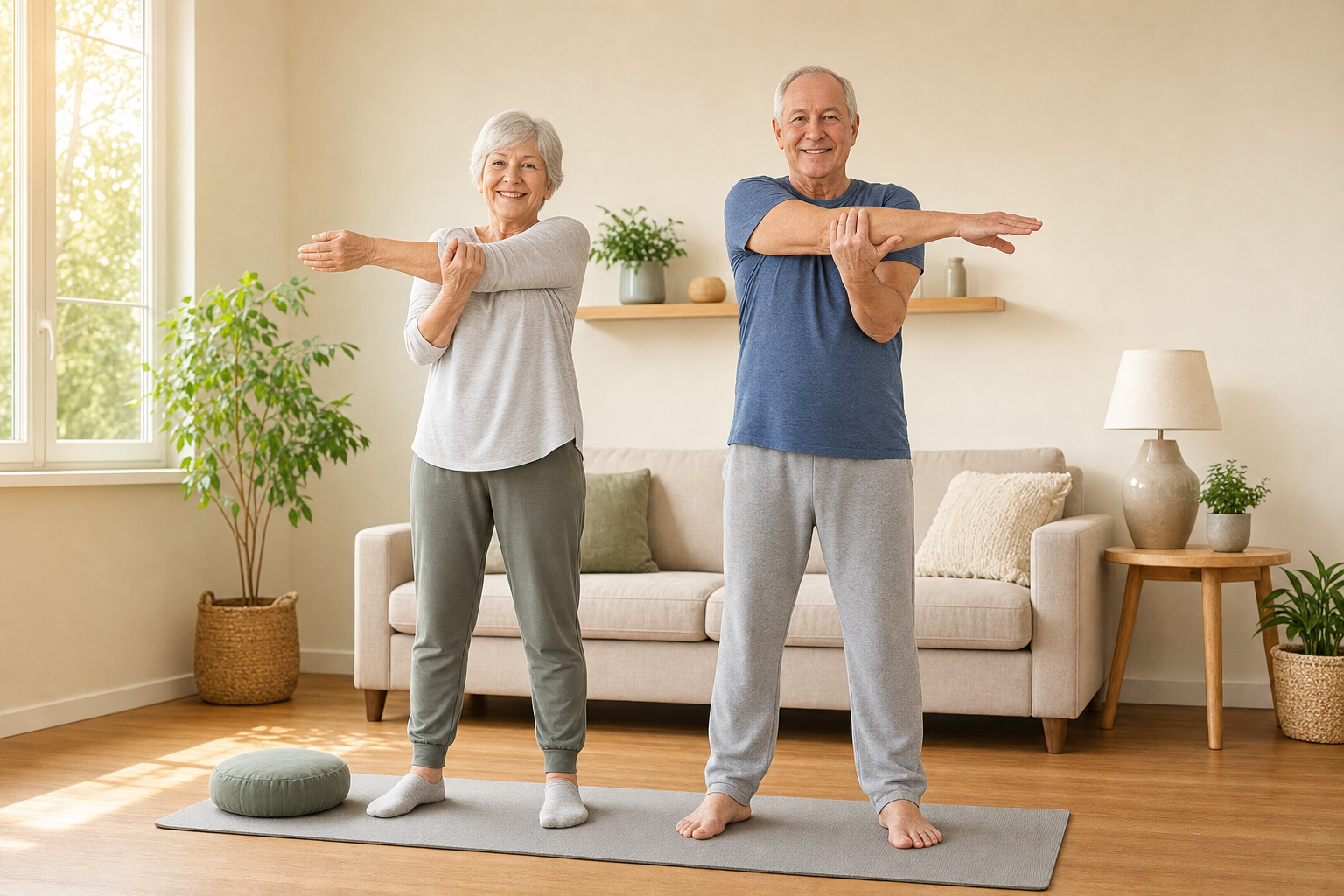
Low Impact Exercises for Seniors with Arthritis: Gentle Moves, Real Relief, and What Actually Works
It’s always the stairs, isn’t it? My neighbor, Ellen, used to joke she could tell when rain was coming based on how her knees ached going up for her morning oatmeal. If you’re nodding along, you’re not alone. In fact, nearly half of folks over 65 deal with some form of arthritis. But—and here’s the real kicker—movement is still your best friend.

The Reluctant Reality: Why Movement Still Matters
Look, I’ve sat at enough conference tables with rheumatologists and physical therapists to know this truth: The less you move, the stiffer you get. It’s a cruel paradox. Joint pain makes you want to curl up and avoid activity, but that only leads to more pain, weakness, and frustration down the line. I remember my own mother-in-law, stubborn as she was, refused exercise for years—until a PT gave her three chair exercises that changed everything. Her words, not mine: “I can finally stand long enough to make soup again.”
The Arthritis Foundation and recent research in Arthritis & Rheumatology (2022) both echo this: Gentle, regular movement increases joint lubrication, keeps cartilage healthier, and can shave off up to 40% of daily pain scores in older adults. And you don’t need fancy equipment or a gym membership. In fact, for seniors with arthritis, low impact is the name of the game—no burpees required.
So, What Actually Counts as Low Impact?
Let me clear up a common misconception. Low impact doesn’t mean “ineffective” or “boring.” It simply means exercises that don’t slam your joints with pounding or twisting. Your feet (or hands, or hips) stay mostly planted. It’s smooth. It’s gentle. It’s smart.
- Walking—especially on soft surfaces like grass or tracks
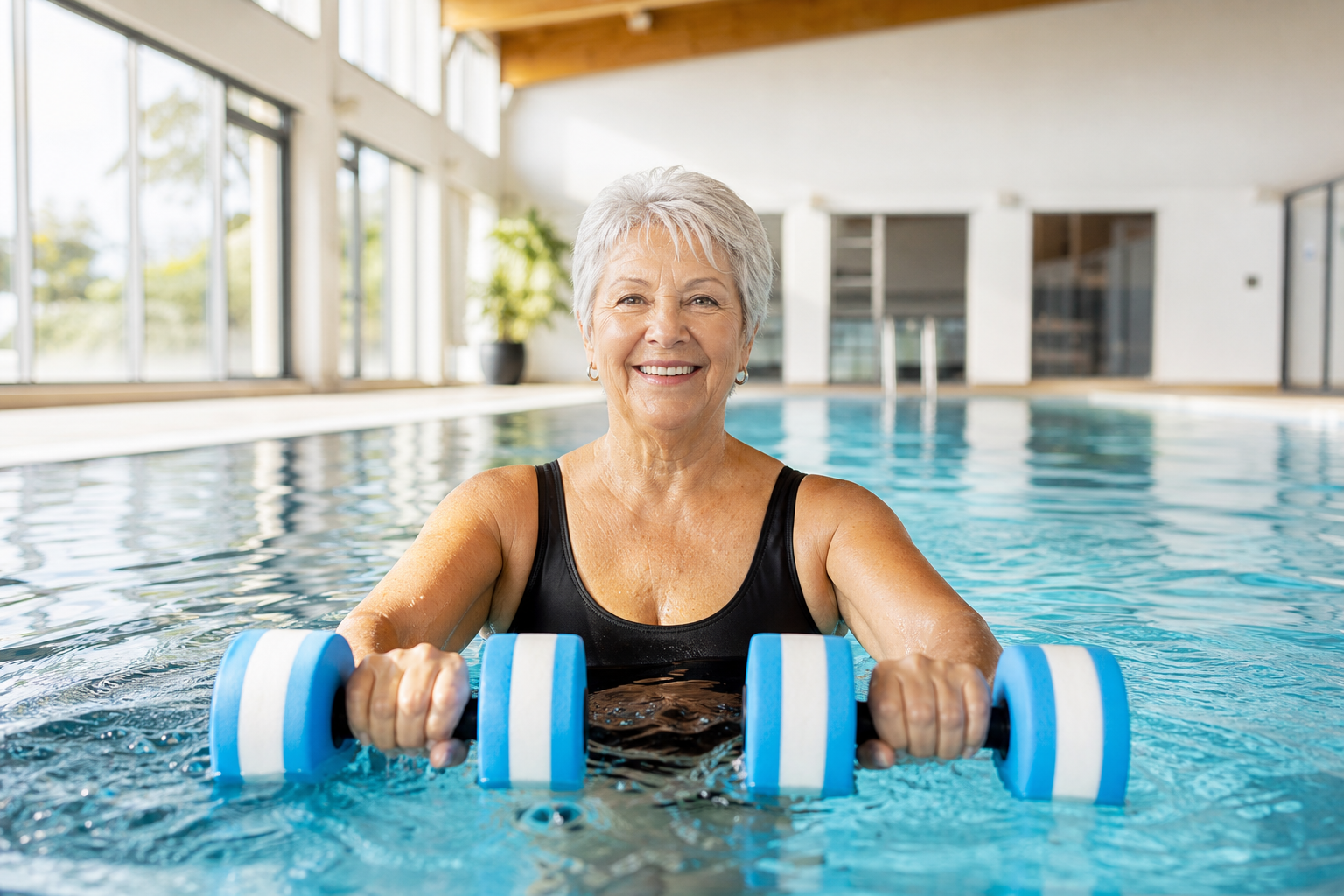
- Swimming and water aerobics—a near-magical combo of resistance and buoyancy
- Stationary cycling—even five minutes counts
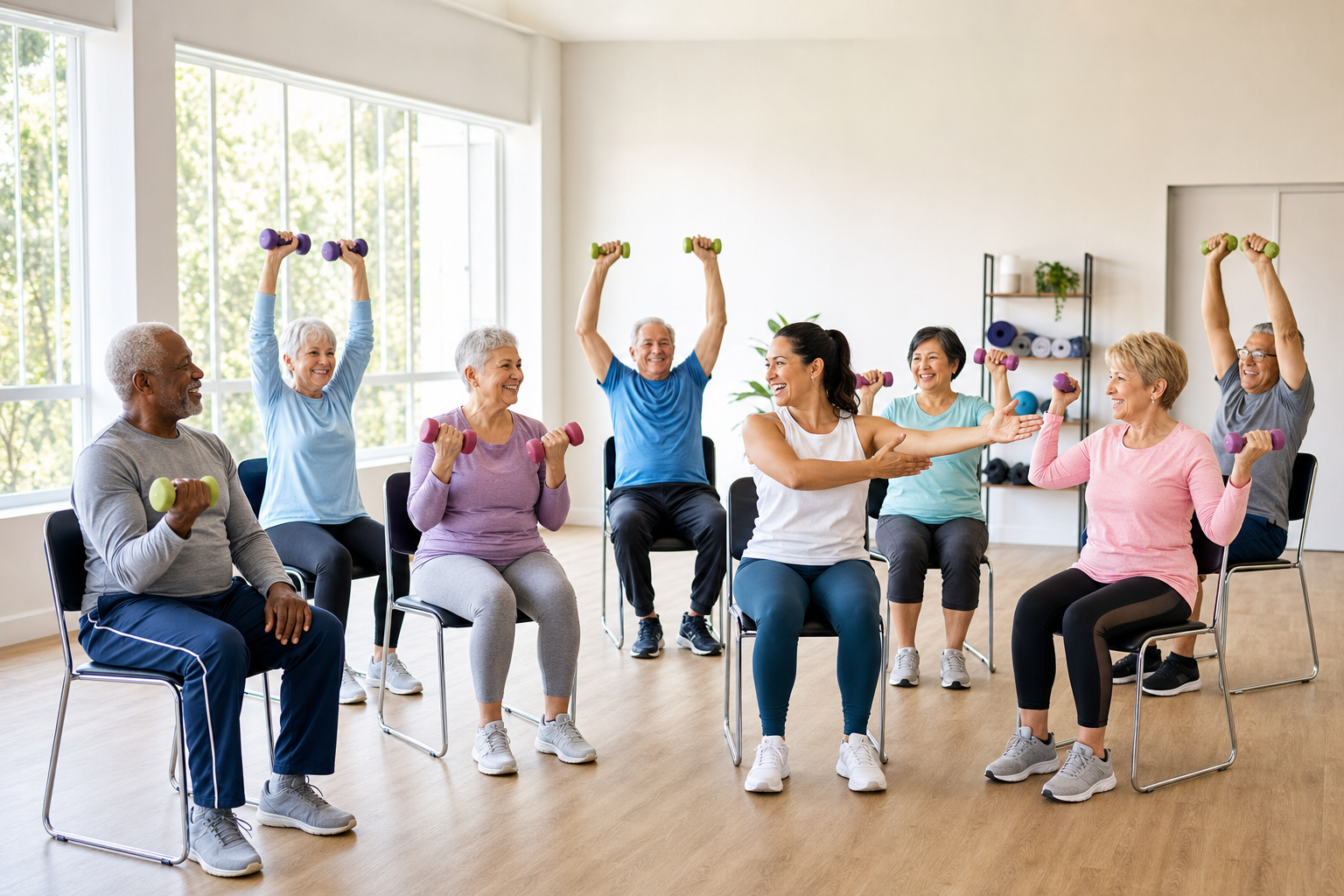
- Chair exercises—for those rougher days
- Gentle yoga or tai chi—bonus: balance and stress relief
And here’s something I wish more seniors knew: Strength training doesn’t have to involve heavy weights. Bodyweight (using your own weight for resistance) or light dumbbells can help rebuild the muscle that supports wobbly joints. One 2023 study in the Journal of Rheumatology found that seniors with moderate knee arthritis improved pain scores by 29% after adding two sessions of low-load strength training weekly. Small, consistent efforts add up.
Making It Accessible: My Top 5 Low Impact Moves
If you’re looking for a place to start, these are the five exercises I trust and have recommended to countless readers, friends, and even my own family. (Full disclosure: always talk to your doctor or a qualified PT before trying anything new, especially if you have balance issues or a recent joint replacement!)
- Seated Knee Extensions: Sit tall in a sturdy chair, straighten one leg, hold for three seconds, lower gently. Aim for 8–12 per side. Builds quad strength—critical for bad knees.
- Ankle Pumps: While seated or lying down, flex and point your toes 10–20 times. This simple move helps reduce swelling and keeps blood flowing (my PT friends swear by it for anyone post-surgery).
- Gentle Marching in Place: Hold a counter for support, march slowly. Even a minute or two wakes up those hip flexors and stabilizers.
- Mini-Squats: With hands on a chair back for balance, bend knees slightly (not past toes), lower hips a few inches, then return. Go as low as comfort allows.
- Wall Push-Ups: Stand a few feet from the wall, hands flat at chest level. Lower yourself in, then press back. Good for wrists, shoulders, and confidence.
Sneaky Barriers: What Gets in the Way
I’ll be blunt—there are days when no amount of motivation gets you off the couch. Maybe it’s an arthritis flare, or maybe life just feels heavier. That’s normal. But I’ve learned (often the hard way) that making exercise easier—not harder—often comes down to simple tweaks.
- Wear supportive shoes. Your balance (and knees) will thank you.
- Pick a time of day when your pain is lowest—usually mid-morning for most folks.
- Music is magic. A peppy playlist or an audiobook makes sessions fly by.
- Consider aids on tough days—a knee brace, a heating pad before/after, or exercise guides written just for achy joints.
Let’s Talk Tools (and the Ones That Actually Help)
I promised I wouldn’t turn this into a pitch-fest, but some tools genuinely make life easier. Here are three that come up again and again—both in reader emails and my own testing. I want you to know which ones are worth your time (and which aren’t).
- Treat Your Own Knees by Jim Johnson. This slim paperback (under $12, if you catch it on sale) is, in my opinion, the best plain-English guide to home knee exercises out there. It’s based on research and includes illustrations—no guessing about form. My copy is covered in sticky notes and coffee stains. The best part? The focus is on low-impact moves you can do at home, whether you’re 65 or 85.
- NEENCA Professional Knee Brace. If you’re struggling with instability or that “giving out” sensation—especially during walks or standing exercises—this brace adds stability without feeling bulky. Medical-grade, with side stabilizers and a gel pad around the kneecap. I wore it myself last year after a mild meniscus flare, and yes, it made a difference during my daily practice.
- Pure Enrichment PureRelief XL Heating Pad. Not all heating pads are created equal. This one is genuinely big enough to wrap around a knee, hip, or lower back and has a moist heat option. It’s a staple for prepping joints pre-exercise or soothing soreness after. My readers love the auto shut-off (no more waking up to hot plastic on the couch).
And no, you don’t “need” any of these to get started—but sometimes a little extra comfort makes the difference between moving or not.
The Science Bit: Why Low Impact Exercises Actually Work
Here’s where it gets interesting. Exercise, especially the gentle kind, taps into your body’s natural repair systems. Movement helps pump synovial fluid through your joints—think of it as nature’s WD-40. It also signals your body to maintain cartilage and keeps the muscles around joints strong, which takes stress off the joint itself.
One 12-week trial (BMJ, 2021) looked at water aerobics in adults over 65 with moderate-to-severe osteoarthritis. The result? Participants reported a 35% drop in pain and a significant boost in daily function. The kicker: Results were even better for folks who started out the most sedentary.
But what about those days when you genuinely can’t face a brisk walk or a pool class? Chair exercises, supported yoga, even gentle stretching all “count.” The key is frequency. A few minutes, most days—science says that’s enough to drive results.
A Realistic Routine: Sample Weekly Plan
I’m often asked: “How often should I actually do these?” My honest answer: As often as you comfortably can, aiming for 4–5 days a week. But perfection isn’t the goal—consistency is. Here’s an example week I’ve built for readers (and family) dealing with arthritis:
- Monday: 10–15 minutes chair exercises + gentle wall push-ups
- Tuesday: 20 minutes walk on soft surface + stretching
- Wednesday: Water aerobics class or gentle swimming (even 15 minutes)
- Thursday: Rest or gentle yoga (chair-supported if needed)
- Friday: Stationary bike (5–10 minutes) + ankle pumps
- Saturday: Free choice—dancing, tai chi, or gardening (all count!)
- Sunday: Rest, meditation, or a short stroll if you feel up to it
If you’re brand new, start with just two or three days, and build up as you feel stronger. And if a day doesn’t go to plan? That’s normal. I’ve blown off more than a few sessions for a good book and a cup of tea.
Addressing Common Fears (and Bad Advice)
If you’ve ever read an article that claims “no pain, no gain” applies to seniors with arthritis—please toss it out. Pain is your body’s warning system, not a badge of honor. Gentle soreness is fine, sharp or lingering pain is not. And while supplements and creams have their place (I’ve even reviewed a few for Joint Relief Reviews), don’t expect any pill or ointment to replace the power of movement.
One reader, Marjorie, wrote me last month after trying online ‘pain relief yoga’ videos: “They went way too fast, I felt lost, and my knees hurt more after.” That’s unfortunately common. Look for instructors who specialize in arthritis or gentle movement. If you feel pressured, it’s not the right class. No shame in pausing or modifying everything.
What About Days When Arthritis Wins?
Here’s the thing: some days, joints feel like they’re made of glass. That’s normal with arthritis, especially if the weather turns or you overdid it gardening (guilty as charged). On tough days, switch to range-of-motion movements, like ankle circles or wrist stretches. Use heat before movement if you’re stiff, and ice after if you’re sore. And don’t be afraid to rest—pushing hard during a flare can set you back.
But—this is important—try not to stop completely for more than a few days unless your doctor says so. Even a three-minute stretch session can help prevent that dreaded “tin man” feeling.
Where to Get More Support (Without Overwhelm)
Some of my best advice came from support groups—both online and in person. The Arthritis Foundation sponsors gentle movement classes across the country, many of which are free or donation-based. Your local senior center likely offers chair yoga, water exercise, or walking clubs (with coffee after—trust me, that’s half the fun).
If you prefer solo routines, instructional books like Treat Your Own Knees break everything down step by step. And for those who need an extra boost, gearing up with a NEENCA Knee Brace or a quality heating pad can give you that touch of comfort to make movement possible.
Fresh Takeaways (Not Just the Same Old Advice)
- Low impact exercise doesn’t mean “wimpy”—it means smart, safe, and tailored to your joints.
- Focus on consistency over perfection. It’s truly okay to start slow.
- Listen to your body; soreness is fine, sharp pain is not.
- Simple tools—a well-designed brace, an exercise book, a big heating pad—can make movement possible on tough days.
- Support helps. Whether it’s a buddy, a class, or a helpful book, don’t go it alone.
A Personal Close
If you’re reading this because every step feels harder than it should, I get it. I’ve seen too many people (including loved ones) struggle with the silent grind of arthritis and the fear that exercise will only make things worse. But gentle movement—done your way, at your pace—isn’t just safe, it’s one of the best things you can do. And you’re never too old or too achy to start. Your joints may never feel 25 again, but with the right moves (and maybe a little backup from the right gear), you might just be able to dance in your kitchen, stroll the block, or—like Ellen—tackle those stairs with a little more confidence.
Take care of yourself—and keep moving, however you can.
— Karen Whitfield, Health Journalist & Joint Relief Reviews Contributor