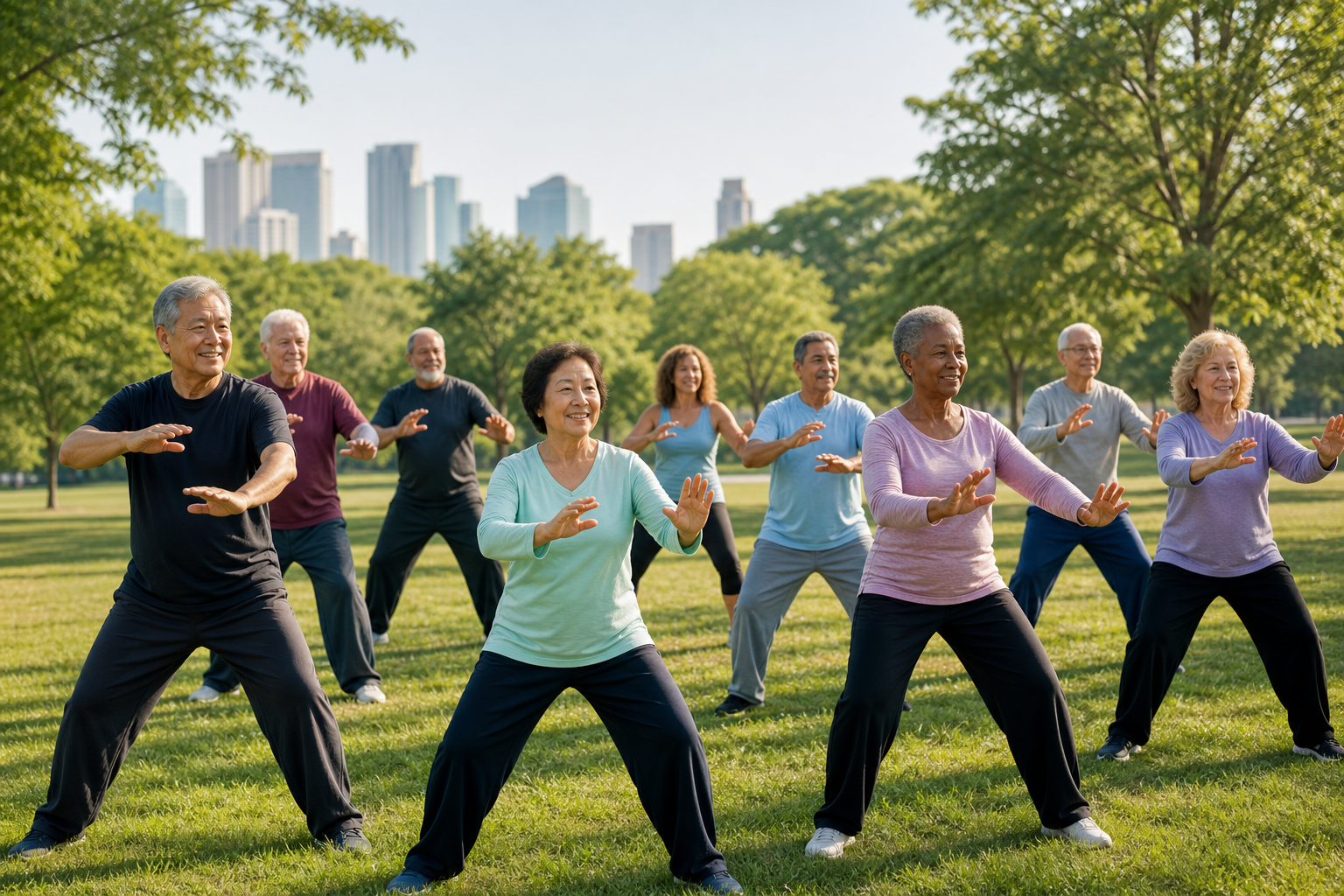
Tai Chi Benefits for Arthritis and Balance: Real Relief, Real People
I’ll never forget the first time a reader emailed me about her Tai Chi class. Rose, in her seventies, wrote: “I walked in with knees that felt like rusty hinges. I left with hope.” As someone who’s interviewed dozens of arthritis researchers—and watched my own mother-in-law struggle down the stairs—I get it. Joint pain steals your confidence. But here’s the thing: what if the answer is slower, not faster? What if the old martial art you see practiced in the park is the therapy you didn’t know you needed?
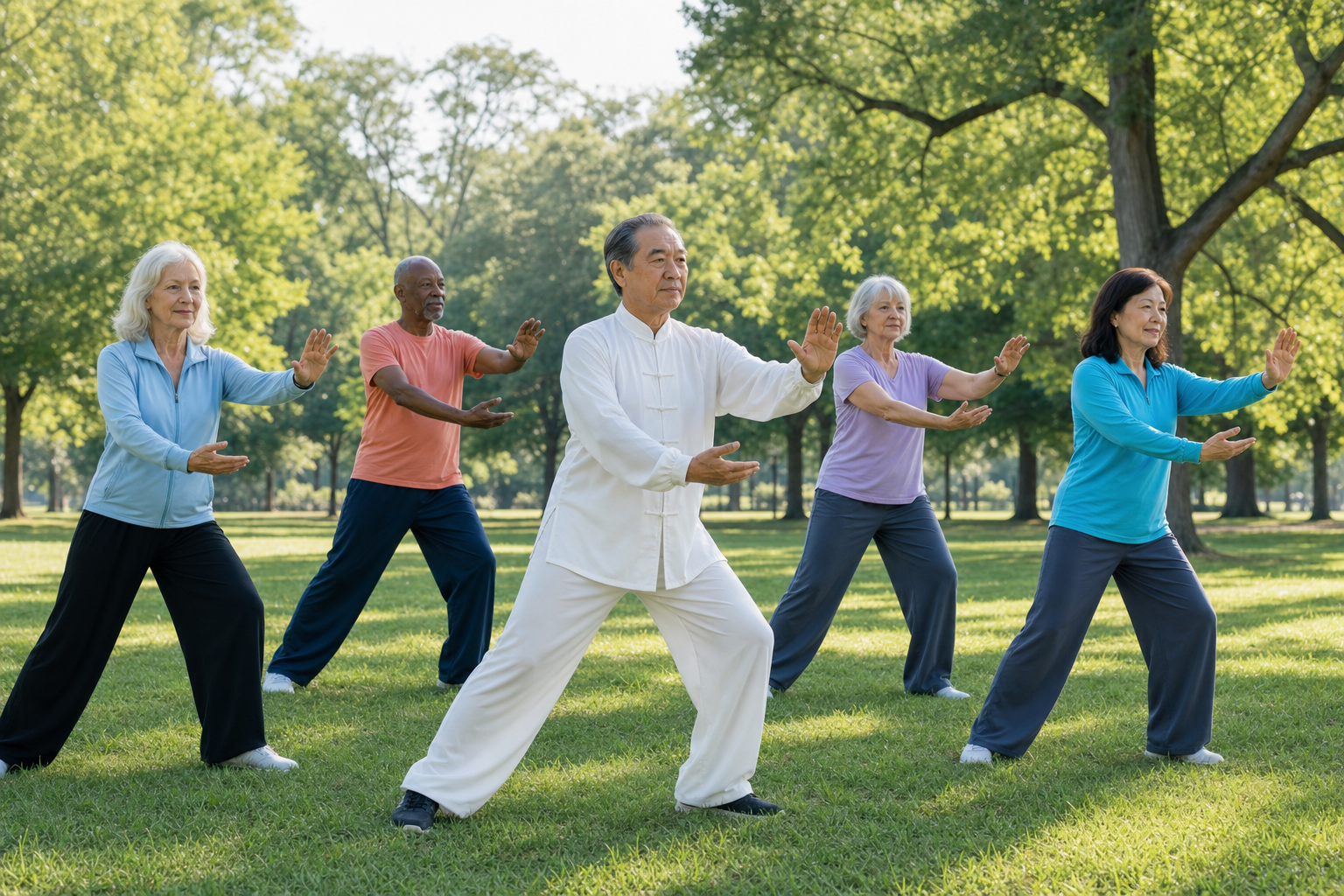
Living with Arthritis: The Balance Dilemma
If you’re reading this, odds are you know the double-edged sword of arthritis: pain keeps you from moving, but not moving just makes things worse. And balance? That’s a silent casualty. I’ve seen it over and over—one awkward step, and suddenly every staircase looks threatening. The CDC reports that adults with arthritis are twice as likely to fall as those without. It’s not just physical, either. That anxiety about falling can make you pull back from activities you love, fueling a cycle of stiffness and isolation.
I get reader questions every week: “Do I have to just accept this?” Short answer—no. But the tools that work might surprise you.
What Makes Tai Chi Different?
Look, I was skeptical at first. I grew up on the East Coast—if exercise didn’t involve dumbbells or a treadmill, I had my doubts. But the research on tai chi (pronounced ‘tie chee’) and arthritis is honestly some of the most robust in the movement therapy world. We’re talking dozens of randomized, controlled trials published in journals like Arthritis Care & Research and Annals of Internal Medicine.
So why tai chi? Picture this: slow, flowing movements that never jar your joints. No jumping, no weights—just gentle shifts in weight, focused breathing, and a meditative mindset. It’s centuries old, and modern science is finally catching up.
The Science: How Tai Chi Helps Arthritis and Balance
The mechanism is fascinating. Tai chi strengthens muscles around sore joints (think: knees, hips, ankles), but it doesn’t overload them. It also challenges your proprioception—your body’s sense of where it is in space—which is absolutely essential for balance. In fact, proprioceptive decline is a major factor in falls among older adults with arthritis. Tai chi’s unique patterns are like a “reset” for these signals.
Back in 2016, a landmark study in the Journal of Rheumatology followed adults with knee osteoarthritis over 12 weeks of tai chi. The results: participants reported a 20% reduction in pain scores and a 17% boost in walking speed. But the real kicker? Falls dropped by nearly 40% compared to the control group. Those numbers aren’t trivial.
Another research highlight: a 2021 meta-analysis in BMJ Open found that tai chi significantly improved pain, stiffness, and physical function for people with both osteoarthritis and rheumatoid arthritis. That’s not just a handful of anecdotal reports. We’re talking over 60 studies—thousands of participants, different countries, same promising results.
Tai Chi vs. Other Exercise: Not All Movement Is Equal
If you’re nodding along, you may be wondering: why not just walk more, or try yoga? Here’s where tai chi stands out:
- No “bad” positions: Unlike some yoga poses or typical exercise routines, tai chi avoids extremes—no deep knee bends, no rapid pivots, no risk of over-stretching.
- Mental focus matters: The meditative aspect of tai chi has been shown to lower stress hormones, which may indirectly reduce inflammation (see Arthritis & Rheumatology, 2019).
- Group support without competition: Classes feel welcoming, not intimidating—a hidden boost for motivation. Plus, research shows people stick with tai chi longer than most gym routines.
I know this is unpopular, but I’d put tai chi above most water aerobics and resistance classes for balance-challenged adults. The repetition and mindfulness are a game-changer. My own neighbor, Stan, swapped his pool class for tai chi. He told me his balance “snapped back” faster than with any other therapy.
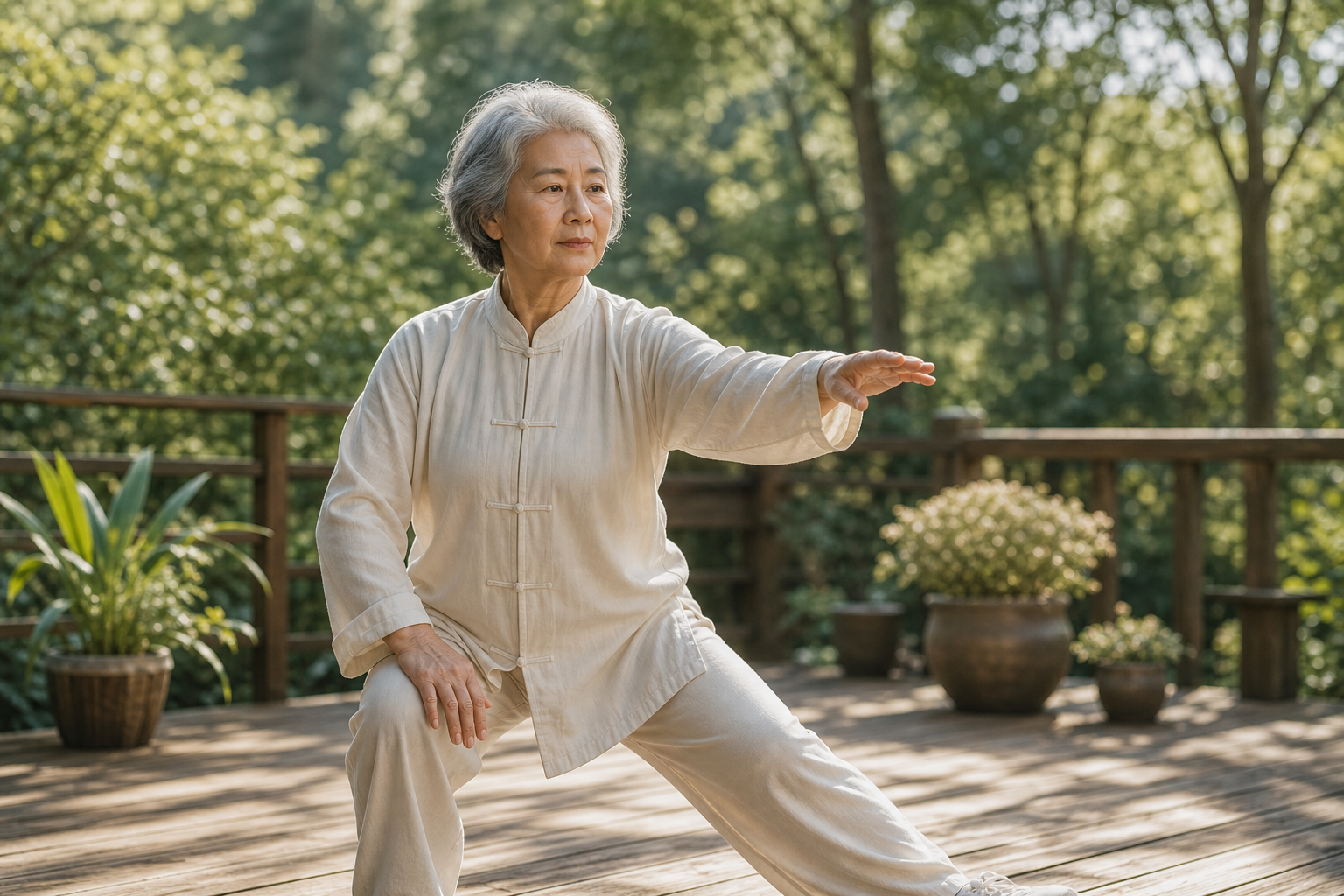
What to Expect: First-Hand Experiences
If you’re like most people I meet, you may worry tai chi will be too slow, too “woo-woo,” or just...not real exercise. But the feedback I see (and the dozens of classes I’ve sat in on as a reporter) tell a different story.
One of my favorite sources, Dr. Paul Lam—a family physician and tai chi master who developed the “Tai Chi for Arthritis” program—describes the first few weeks as “unlocking your body’s natural rhythm.” Patients report moving more confidently, sleeping better, and even needing less pain medication. I’ve witnessed a 62-year-old woman who hadn’t knelt in years get back to gardening after just two months. Small victories, but life-changing ones.
Of course, everyone’s mileage varies. Some notice an energy lift after the first session. Others, like my mother-in-law, only admitted to real relief after she could get up from her favorite chair with less wincing. Be patient—give it at least six weeks, ideally two to three sessions weekly.
A Quick Reality Check
Look, tai chi isn’t magic. If your arthritis is flaring or you’ve recently had joint surgery, talk to your doctor before starting. A certified instructor can help you modify movements, especially if you use a brace or assistive device. And yes, your muscles may get sore (the good kind!)—that’s proof you’re awakening stabilizers you probably forgot you had.
Making Tai Chi Work for You: Tools & Support
Here’s a practical rundown of what I wish I’d known when I first started covering tai chi for arthritis.
- Class matters: Look for “Tai Chi for Arthritis” or “Tai Chi for Balance” programs—often taught in senior centers, YMCAs, or physical therapy clinics. Virtual classes abound now, and many are free or low-cost.
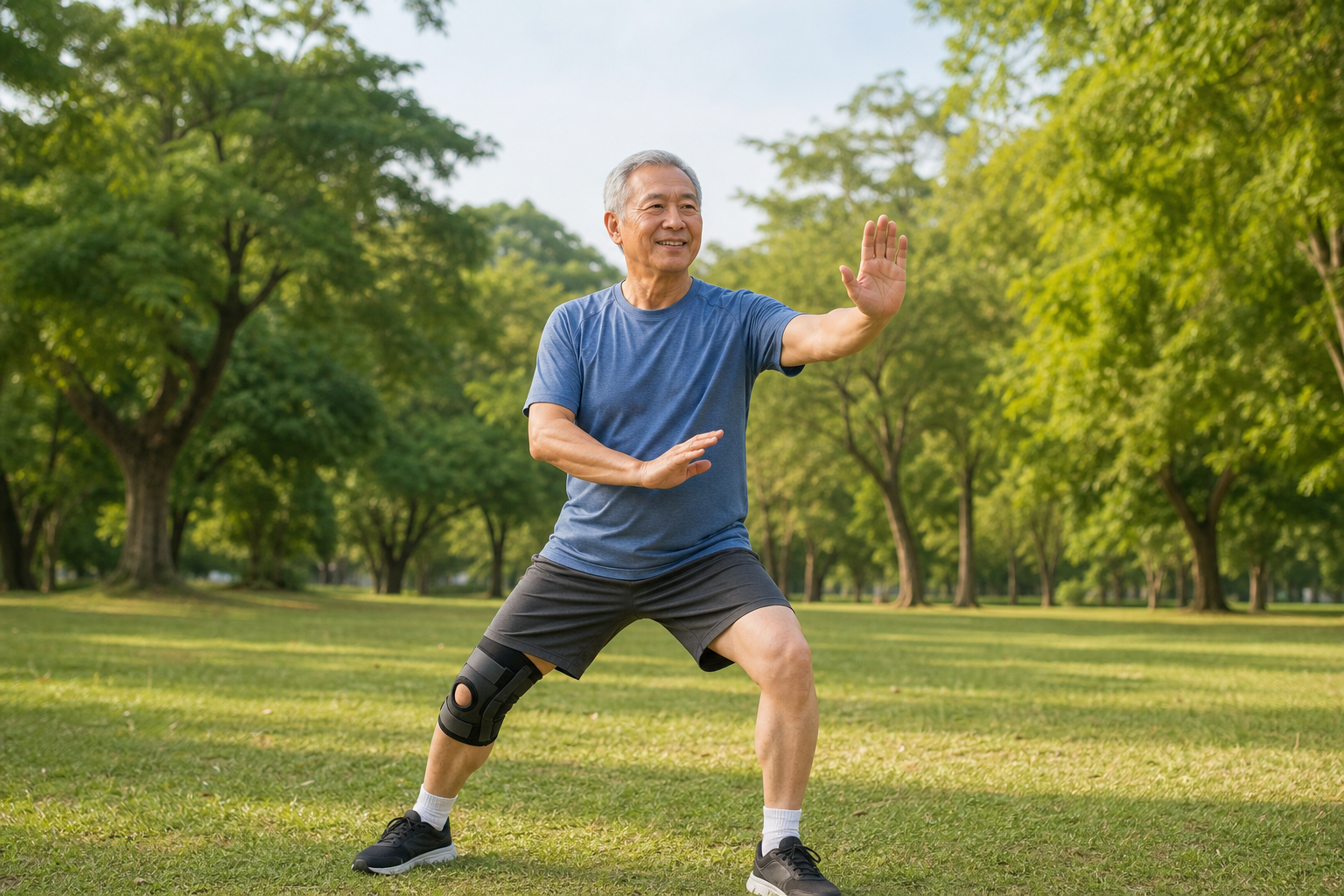
- Support gear: If you have knee instability or a wobbly ankle, don’t be shy about using braces or wraps—these can boost confidence, and research shows they don’t hinder tai chi’s benefits. I’ve reviewed the NEENCA Professional Knee Brace (with side stabilizers and patella gel pads), which several of my readers swear by for gentle joint support. It’s not a substitute for movement, but it can be a transition tool while you’re building strength.
- Pain management: For occasional flare-ups, topical relief like Voltaren Arthritis Pain Gel (diclofenac sodium, FDA-approved) can help you stay active without masking serious pain. I keep a tube in my gym bag, just in case.
- Home practice: Can’t get to class? There are some surprisingly thorough guides, like Treat Your Own Knees by Jim Johnson, which blend tai chi-inspired moves with evidence-based physical therapy. A great primer if you like to work at your own pace.
If you’re worried about falling during home practice, set up near a sturdy chair or countertop until you feel steady. No shame in that—I’ve seen instructors do the same after ankle sprains!
What About Results? How Long Until I Feel Better?
This is the million-dollar question. In my experience interviewing both rheumatologists and long-time practitioners, the sweet spot is six to twelve weeks of consistent practice. Some benefits—like a calmer mind or better sleep—can show up within days. But the improvements in pain, stiffness, and balance generally snowball over time.
Here’s what the research says:
- Pain reduction: 10-30% lower pain scores in most clinical trials after 8-12 weeks
- Improved balance: 20-40% fewer falls and better performance on standard balance tests (e.g., single-leg stand)
- Stamina and walking speed: Consistent gains in six-minute walk distance (a key measure of independence)
And, for those who need to see the numbers: The 2015 Arthritis Foundation review found that tai chi improved function and quality of life in over 75% of participants, especially when paired with social support.
Deep-Dive: How Tai Chi Rewires Your Brain and Body
This is where it gets fascinating. New research using MRI scans—yes, brain imaging—is showing that tai chi isn’t just “moving slow.” It may actually change how your brain controls movement. A 2018 study from the Frontiers in Human Neuroscience journal tracked older adults with knee arthritis. After sixteen weeks of tai chi, participants had stronger connections between motor and sensory regions of the brain. Translation: your brain becomes better at anticipating and correcting wobbles, stumbles, or uneven terrain.
It’s also worth mentioning that these neural adaptations carry over to daily life. People report less anxiety about going outside, more confidence walking on grass or gravel, and—perhaps most importantly—more independence. That kind of autonomy is priceless.
Not gonna lie: Tai chi isn’t a “one-size-fits-all” cure. If you have advanced joint damage, or neurologic issues affecting balance, you’ll need modifications and close supervision. But for mild-to-moderate arthritis, the evidence is as strong as it gets for a no-pill, no-surgery intervention.
Expert Voices: What Rheumatologists Say
I’ve pressed experts on this. Dr. Chen, a rheumatologist at NYU, told me: “If tai chi were a drug, every arthritis patient would have a prescription.” The American College of Rheumatology’s 2019 guidelines recommend tai chi as a first-line therapy for knee and hip osteoarthritis—on par with physical therapy and far ahead of most supplements.
And here’s something most articles skip: Tai chi can be adapted for nearly any ability level. Seated forms exist, and some instructors integrate walker- or cane-friendly modifications. Don’t be afraid to ask.
Practical Takeaways: Getting Started with Tai Chi (Even If You're Stiff or Wobbly)
- Start small: Even five minutes of easy, slow movement each morning can awaken stiff joints. Don’t obsess over “doing it perfectly.”
- Consistency beats intensity: Two to three times weekly yields results, but daily practice—even brief—makes a bigger difference.
- Join a group, if possible: Social accountability boosts stick-with-it-ness, and you’ll pick up subtle tips from peers.
- Use support as needed: Wear a brace (like the NEENCA Professional Knee Brace I mentioned earlier), practice near a sturdy object, and rest as needed. Pride won't keep you from falling—good planning will.
- Don’t ditch your current care: Tai chi works best as a complement to physical therapy, medication, or doctor-approved activity. Never stop prescribed treatments without speaking to your provider.
If all of this feels overwhelming, start by just watching a local class or online video. See if it calls to you. And if you have questions—shoot me an email. I read them all, even if it takes me a few days to reply.
Looking Ahead: Will Tai Chi Replace Your Arthritis Meds?
I know some of you are thinking: “Is this going to get me off painkillers for good?” Honest answer—maybe, maybe not. But if you’re willing to stick with it, odds are high you’ll need less medication, feel steadier, and regain some joys you thought were gone for good. Rose, my initial emailer, now leads her own weekly tai chi circle. That’s the kind of comeback story I love.
Your journey will be different. But if you’re tired of being defined by your diagnosis—or by what you “can’t do”—maybe it’s time to move a little slower. Sometimes, the gentlest path is the most powerful.
Stay strong, stay curious, and keep moving. You’ve got this.
—Karen Whitfield, Health Journalist and Joint Relief Reviews columnist. I welcome your questions and stories at JointReliefReviews.com.