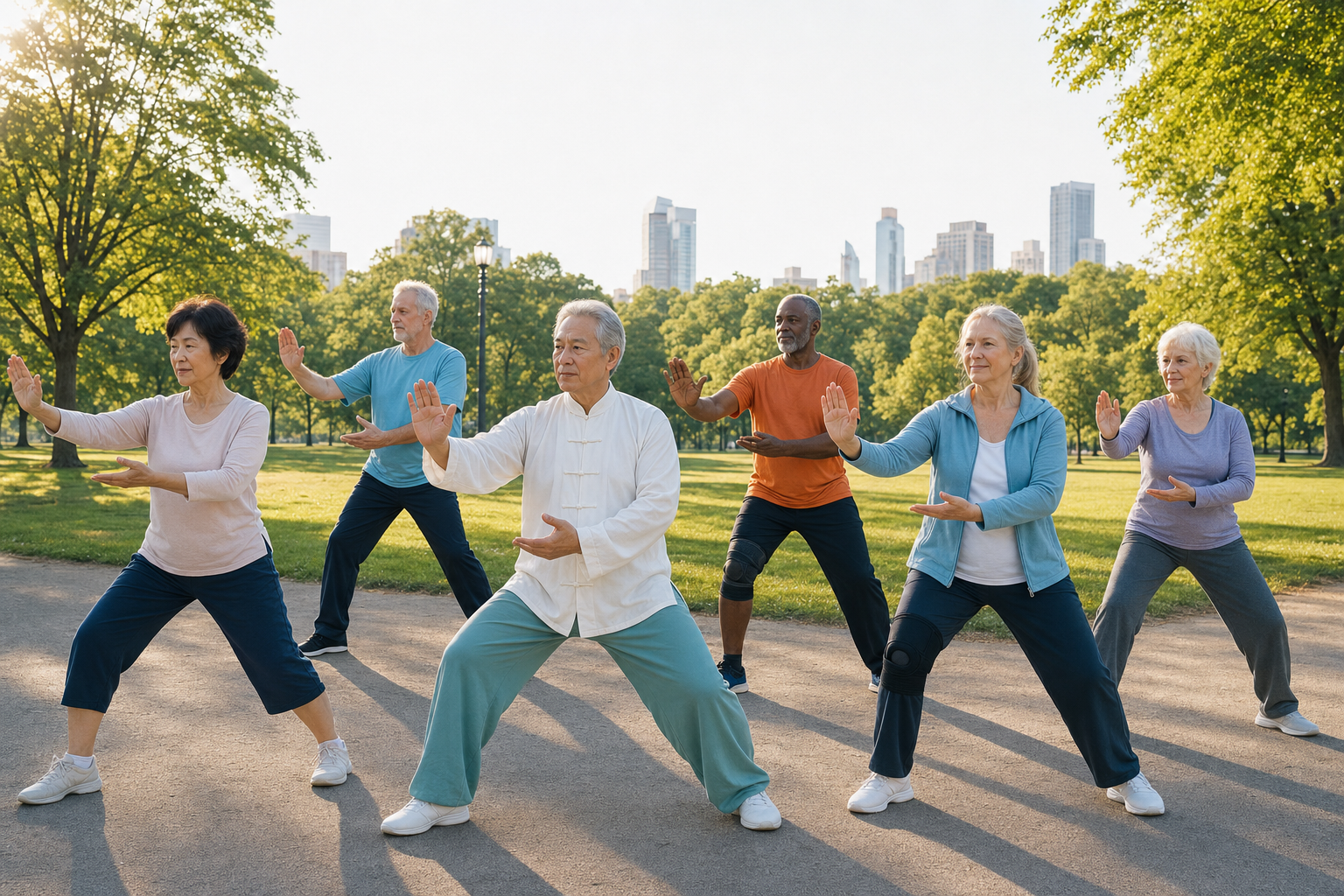
Tai Chi Benefits for Arthritis and Balance: From Skepticism to Believer
If you’d asked me ten years ago if slow motion “meditation in motion” could beat out the latest creams, braces, or group classes for joint relief, I’d have probably laughed. My world was hands-on physical therapy, not flowing robes and ancient exercises. But I kept hearing the same thing from my knee arthritis patients: “Dr. Mitchell, tai chi is the only thing I can do that doesn’t leave me hurting.” That sent me down the rabbit hole. Here’s what I’ve learned (and why I now recommend tai chi to nearly every patient struggling with stiff, achy joints and that wobbly-on-your-feet fear).
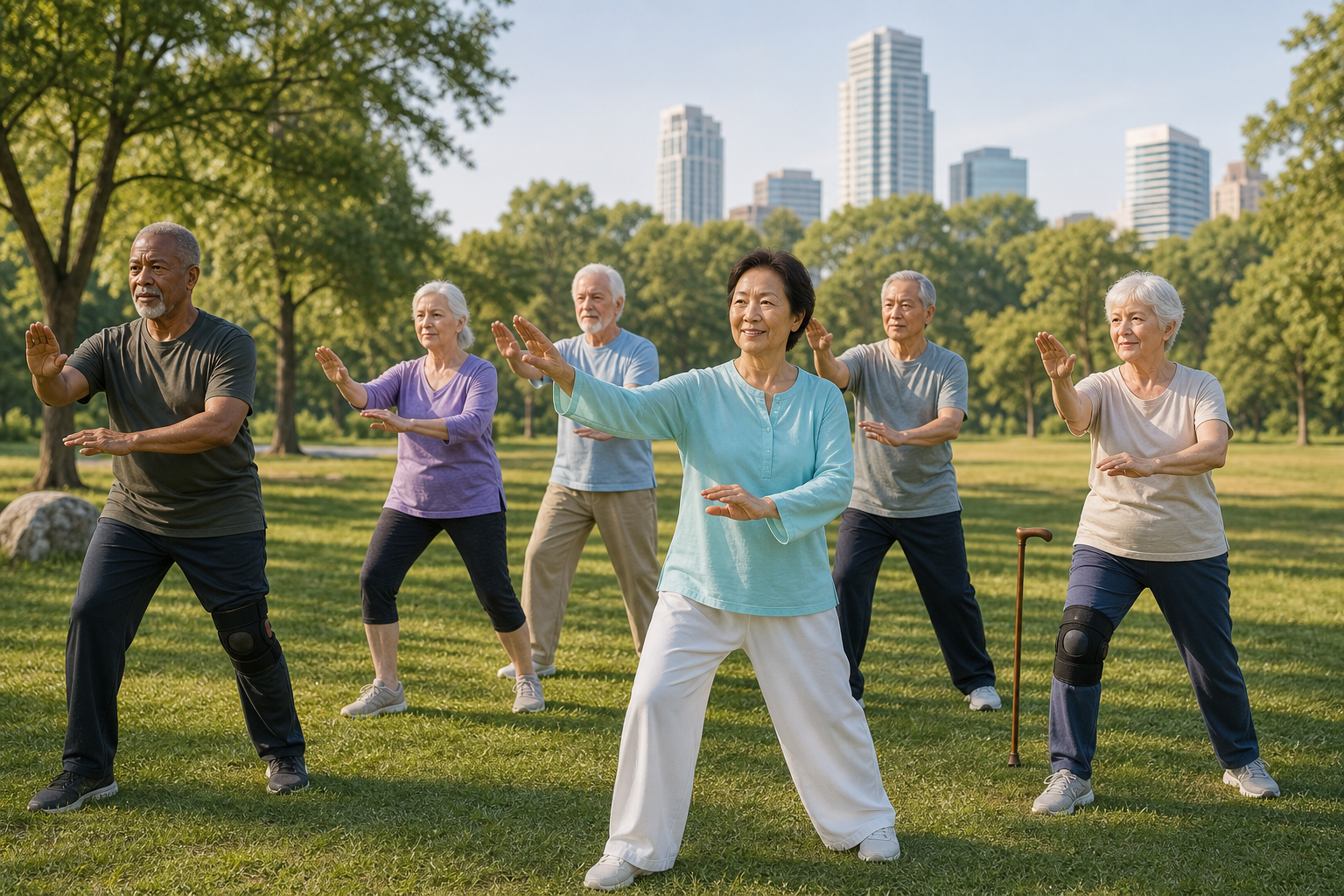
Here’s the thing: Arthritis pain changes everything—especially your confidence on your feet
I get it. The throb that starts before you’re even out of bed. The way your knees or hips “catch” on the stairs, or that micro-stumble reaching for the cereal. Sometimes it’s the pain, sometimes it’s the fear of pain that stops you cold. What most people don’t realize is that over time, joint pain slowly chips away at your sense of balance—even if you don’t notice it at first.
And let’s be honest, most mainstream advice is either impractical (“join a gym!”) or downright dangerous if you’re already unsteady. A reader in her seventies told me she quit yoga after one too many falls, but tai chi made her “feel graceful again.” That’s not just poetic—there’s real science behind it.
Why Tai Chi? Making Sense of the Science
If you’re picturing incense and silk slippers, set that aside. Tai chi is gentle but surprisingly powerful. Think of it as strength, balance, and mindfulness training—all bundled into one slow-moving activity. The real kicker: it was called out in the 2019 American College of Rheumatology/Arthritis Foundation guidelines as a first-line therapy for osteoarthritis of the knee and hip. Not supplements. Not fancy gadgets. Not even physical therapy. Tai chi.
But what does the research really say? The Journal of Rheumatology published a meta-analysis in 2020 looking at 16 randomized controlled trials—over 1,100 participants with knee OA. Tai chi participants saw modest but significant reductions in pain (average 18% improvement) and measurable improvements in physical function (timed-up-and-go and six-minute walk tests improved by about 13%). That’s not a fad. That’s as good as, if not better than, most over-the-counter analgesics—without the side effects.
Balance is where tai chi truly shines. A 2018 review in BMJ Open found tai chi reduced fall risk by up to 31% in adults over 65. (If you have arthritis, your fall risk is already higher than average—this is a big deal.) Why does it work? It’s not magic. The sustained postures and shifting body weight subtly build leg strength, core stability, and proprioception. You end up “training your brain” to trust your joints again.
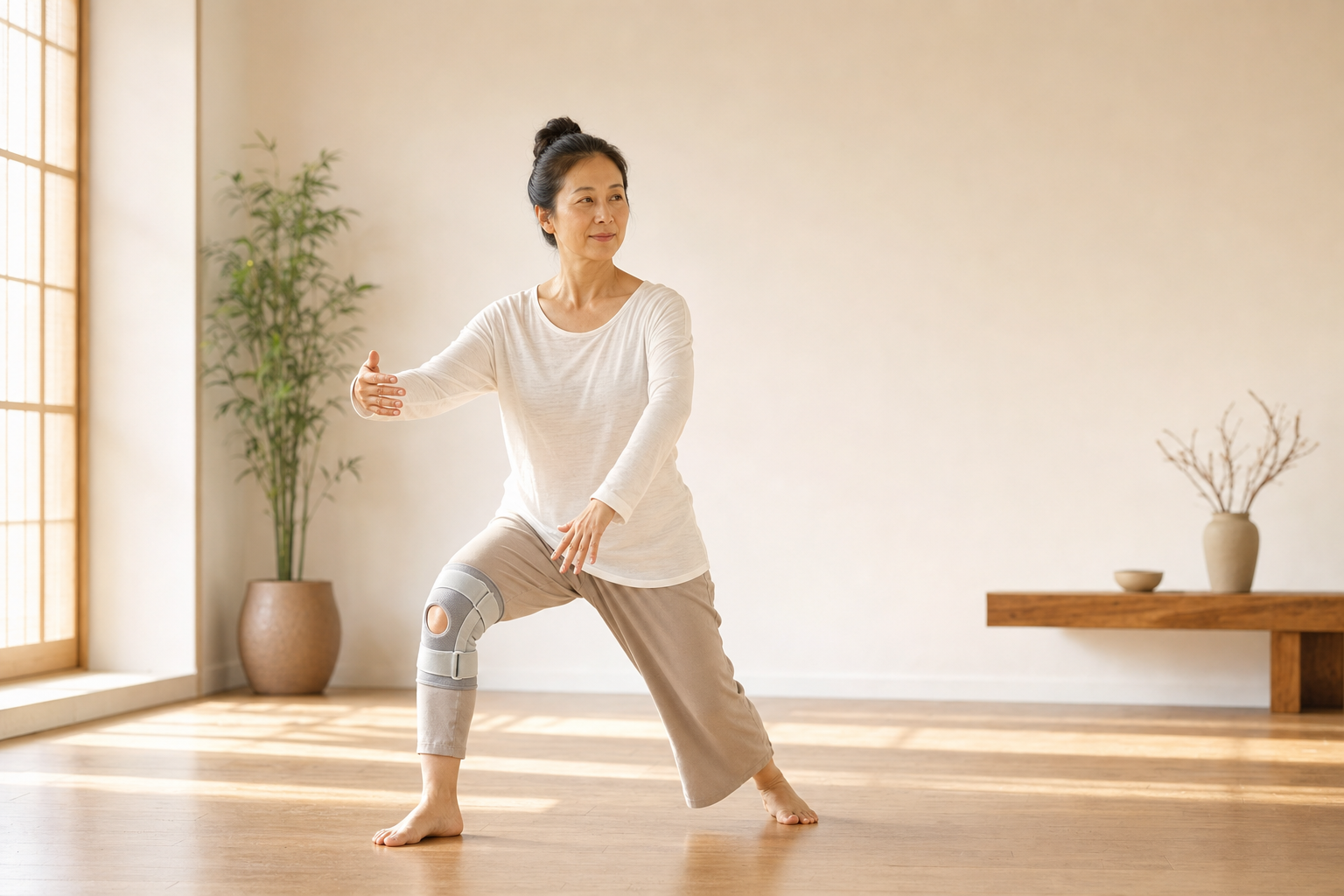
The Mechanisms: How Tai Chi Eases Arthritis and Boosts Balance
- Joint-Friendly Movement: Unlike high-impact exercise, tai chi uses slow, circular motions. There’s no pounding, no sudden twists—just fluid transitions. This keeps the synovial fluid moving (key for cartilage health) without stressing damaged tissue.
- Muscle Strength Without Strain: Holding and transitioning between postures builds muscle endurance. A 2021 Arthritis & Rheumatology study found tai chi increased quadriceps and calf muscle activity (measured by EMG) in women with knee OA.
- Balance Retraining: Each move requires shifting weight and controlling your center of gravity. Over time, your body “re-learns” stability. That’s something chair-based programs and most group fitness classes totally miss.
- Mind-Body Bonus: There’s a psychological angle too. Mindful movement reduces pain catastrophizing—the cycle where worry amplifies your pain. I see this over and over: my patients who practice tai chi become less afraid of movement, and that confidence alone is half the battle.
What Tai Chi Feels Like After Arthritis—My Honest Take (and Patient Stories)
I’ll be honest—I was skeptical the first time I joined a tai chi class. The instructor was in his late seventies and could still balance on one leg like a flamingo (show-off). I felt awkward, my knees popped, and I kept looking at the clock. But something shifted on week three: I realized I was going up the stairs at home without gripping the railing. My “bad” knee didn’t ache after standing to cook dinner.
One of my most cautious patients—a 68-year-old with bone-on-bone knees—told me she finally stopped feeling like “a fall waiting to happen” after just two months. Another, who’d struggled with severe rheumatoid arthritis, swore tai chi gave her “permission to move” again. No, it doesn’t fix the cartilage. But for many, it restores movement and confidence in a way nothing else quite does.
Tai Chi vs. Other Arthritis Exercises: The Good, The Bad, and the Surprising
Look, I will always champion regular strength training, flexibility work, and walking for joint health. But tai chi is in a league of its own for a few reasons:
- Accessibility: You don’t need fancy equipment. Heck, you don’t even need shoes.
- Sustained Engagement: The meditative aspect keeps people coming back—adherence rates are much higher than for typical “exercise prescriptions” in older adults. (If you’ve ever gotten bored with your PT handouts, you’re not alone!)
- Built-In Safety: With the right instructor and modifications, fall risk during tai chi is lower than most group exercise programs. It’s even safe for those with pretty severe joint limitations, as long as postures are adapted.
But—here’s where I ruffle some feathers—the evidence for tai chi as a standalone solution for severe pain is mixed. For flares or advanced arthritis, you’re probably still going to need targeted pain relief on top of movement therapy.
Getting Started: My Top Tips for Newbies and Skeptics
If your last group class sent you home limping, it’s normal to be wary. Here’s how I guide my own patients into tai chi safely and successfully:
- Find the Right Teacher: Not all instructors are created equal. Look for someone with experience adapting tai chi for joint limitations or older adults. The Tai Chi for Arthritis and Fall Prevention program, developed by Dr. Paul Lam, is a favorite of mine and often offered through local arthritis foundations.
- Start Small: Even 10-15 minutes, 2-3 times per week, is enough to start seeing benefits. Consistency matters more than intensity.
- Modify Moves: Don’t be shy about sitting for part of the class, or using a chair for balance. Many of my patients wear knee braces—products like the NEENCA Professional Knee Brace—in early sessions for extra confidence and stability. This isn’t cheating; it’s smart support while you build strength.
- Pair with Pain Relief: If stiffness is stopping you from even starting, topical options like Voltaren Arthritis Pain Gel (diclofenac sodium 1%) can take the edge off just enough to move freely. I use it myself on rough days before class.
- Track Progress: Simple things, like counting how many seconds you can stand on one foot or logging pain level before and after class, can be hugely motivating. Celebrate the small wins (walking the grocery aisle without stopping = a win!).
And if group classes aren’t your thing? There are excellent guided routines on YouTube and in DVD format—though in-person feedback is gold for posture and safety, especially in the beginning.
What About At-Home Support? Mixing Tai Chi with Targeted Tools
Here’s another question I get: “Is tai chi enough, or do I still need my brace, heating pad, or exercise routine?” My honest answer: use every tool in your toolbox. I’ve reviewed dozens of braces, gels, and exercise books over the years—some are overhyped, but a few really make a difference:
- Knee Braces for Stability: If you’re nervous about your joint giving way, a medical-grade brace like the NEENCA Professional Knee Brace (with side stabilizers and gel pads) gives you real-time support without locking you into rigid positions. I recommend this to patients who want to bridge the gap between therapy and independent exercise.
- Pain Relief for Mobility: Topicals like Voltaren Arthritis Pain Gel (FDA-approved, non-prescription) can be a game-changer when joints feel too stiff to even begin your routine. It’s not “masking pain” so much as giving you a window to move, which is when real healing happens.
- Educational Resources: For folks who love to understand the “why” and want a step-by-step home plan, I often hand out Treat Your Own Knees by Jim Johnson, PT. It’s research-backed, with clear (not overwhelming) illustrations—great for pairing targeted exercises with your tai chi practice.
(Quick disclaimer: Always talk to your healthcare provider before adding new exercise or using pain products, especially if you have other health conditions or are on blood thinners.)
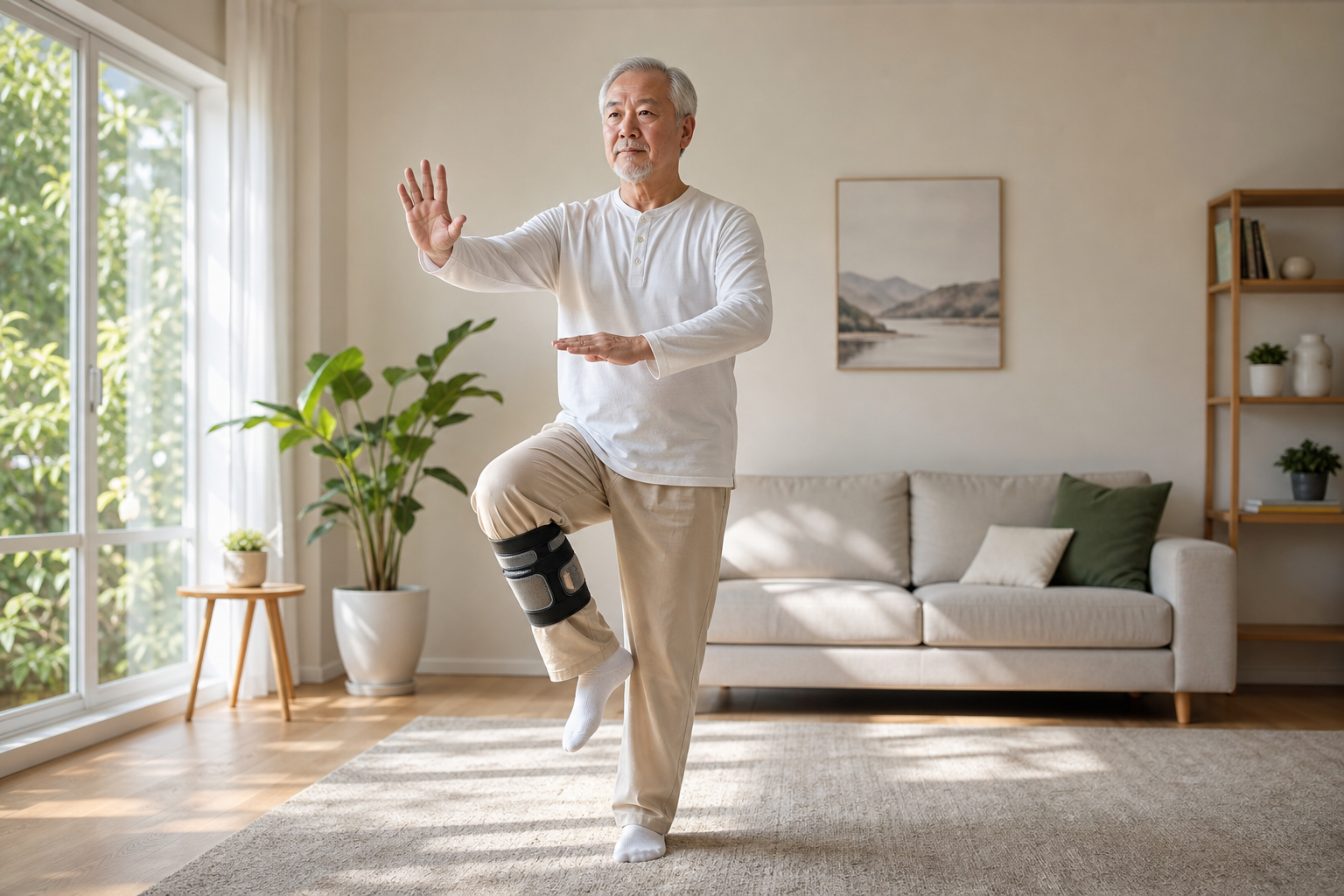
But Is It Ever Too Late—or Too Early—for Tai Chi?
I hear this a lot from frustrated readers: “My arthritis is too far gone. I missed my window.” Honestly? I’ve seen folks in their 40s with advanced osteoarthritis and others in their 80s with mild symptoms. The research—and my experience—suggests it’s rarely too late. In fact, those who start with the most severe stiffness often see the most dramatic improvement in confidence and function. The only “too late” is never trying.
On the flip side, younger adults with early symptoms or a family history can use tai chi as “prehab”—think of it as insurance against loss of mobility and dangerous falls down the line. There’s zero downside to starting early, and the mind-body benefits (lower stress, better sleep, improved mood) go well beyond your knees and hips.
Practical Takeaways (From Someone Who’s Seen It All)
- Tai chi isn’t all-or-nothing. Even short, imperfect sessions help. Consistency is what matters—don’t let a bad day knock you off track.
- Combine movement and support. Use bracing, topicals, and targeted exercises as needed. Tai chi is powerful, but not magic.
- Start where you are. Sitting, standing, one move or ten—every bit counts. Don’t compare yourself to others (least of all your instructor).
- Give it a real try—6 weeks, minimum. That’s the sweet spot where research and patient anecdotes align. If you’re not better by then, reassess with your PT or doctor.
- Seek accountability. Group classes, a workout buddy, or even a progress notebook can keep you moving when motivation dips.
If you’re still skeptical, I challenge you—try a beginner tai chi class (in-person or virtual) for a month. Keep a mini-journal of pain, function, and how steady you feel. Email me in six weeks with your results. I bet you’ll surprise yourself.
Final Thoughts: Why Tai Chi Might Be The Arthritis Game-Changer You Didn’t Expect
Not gonna lie—tai chi won’t rebuild your cartilage, and you probably won’t look like those impossibly serene folks on the cover of “living well” magazines. But the benefits for arthritis pain and balance are among the best I’ve seen outside of hands-on therapy. If you’re tired of medication merry-go-rounds or sitting out activities you love, tai chi might just help you reclaim movement—and confidence—on your own terms.
And if you ever need to vent about frustrating flare-ups or ask about braces and gels that actually work, you know where to find me. Wishing you lighter steps and steadier days ahead.
Dr. Sarah Mitchell, DPT
Senior Health Editor, JointReliefReviews