Tai Chi for Arthritis and Balance: What Surprised Me (And Might Surprise You Too)
About five years ago, a feisty 72-year-old named Edith walked—well, sort of shuffled—into my clinic. She had both knees replaced, a recent tumble in her garden, and every excuse for not wanting to try anything 'new age.' But after her daughter dragged her to a tai chi class at the local rec center, everything began to change. Her pain scores dropped. Her gait got steadier. The real kicker? She started looking forward to her movement sessions, instead of dreading them. Edith’s experience isn’t an outlier. The science backs her up—and it’s more compelling than you might think.
The Daily Struggle: Arthritis, Wobbly Balance, and Why It Feels So Unfair
If you’re reading this, you probably know the drill: stiffness in the morning, knees that squeak going downstairs, hips that ache after an hour on your feet. And that insidious little monster called "fear of falling"—it keeps you off ladders, off the dance floor, sometimes even off the sidewalk. I hear about this from my clients constantly (and, frankly, from family at every holiday dinner). Joint pain and balance problems aren’t just physical issues—they chip away at your independence and confidence.
Look, I’ve seen the emotional toll. You might start skipping group outings. You’re more likely to avoid exercise, which ironically makes things worse. And the cycle repeats.
Here’s Where It Gets Interesting: What the Research Actually Says About Tai Chi
Here’s the thing: I used to be skeptical. Tai chi—as a solution for real, clinical knee osteoarthritis or for stopping falls? But then I started digging through the journals. The evidence is, honestly, a lot stronger than most people expect. Let’s break down what we know—without the fluff.
- Arthritis Pain Relief: In a 2016 study published in the Annals of Internal Medicine, tai chi was found to be as effective as physical therapy for knee osteoarthritis over a 12-week period. Yes, you read that right—as effective as supervised PT. The average pain score in the tai chi group dropped by nearly 50%.
- Stiffness and Function: A 2020 meta-analysis in Arthritis Care & Research pooled data from 12 trials. Tai chi participants saw, on average, a 30% improvement in joint stiffness and physical function. That’s not theoretical—it showed up in timed walking tests and chair stands.
- Falls and Balance: The big one. A 2015 review in the BMJ looked at over 3,500 older adults and concluded that regular tai chi reduced the risk of falls by nearly 20%. The benefits were even greater for those with previous balance issues.
If you’re nodding along, you’re not alone—the numbers are more than just encouraging. They’re actionable.
What Is Tai Chi, Really? (Hint: Not Just Waving Your Arms)
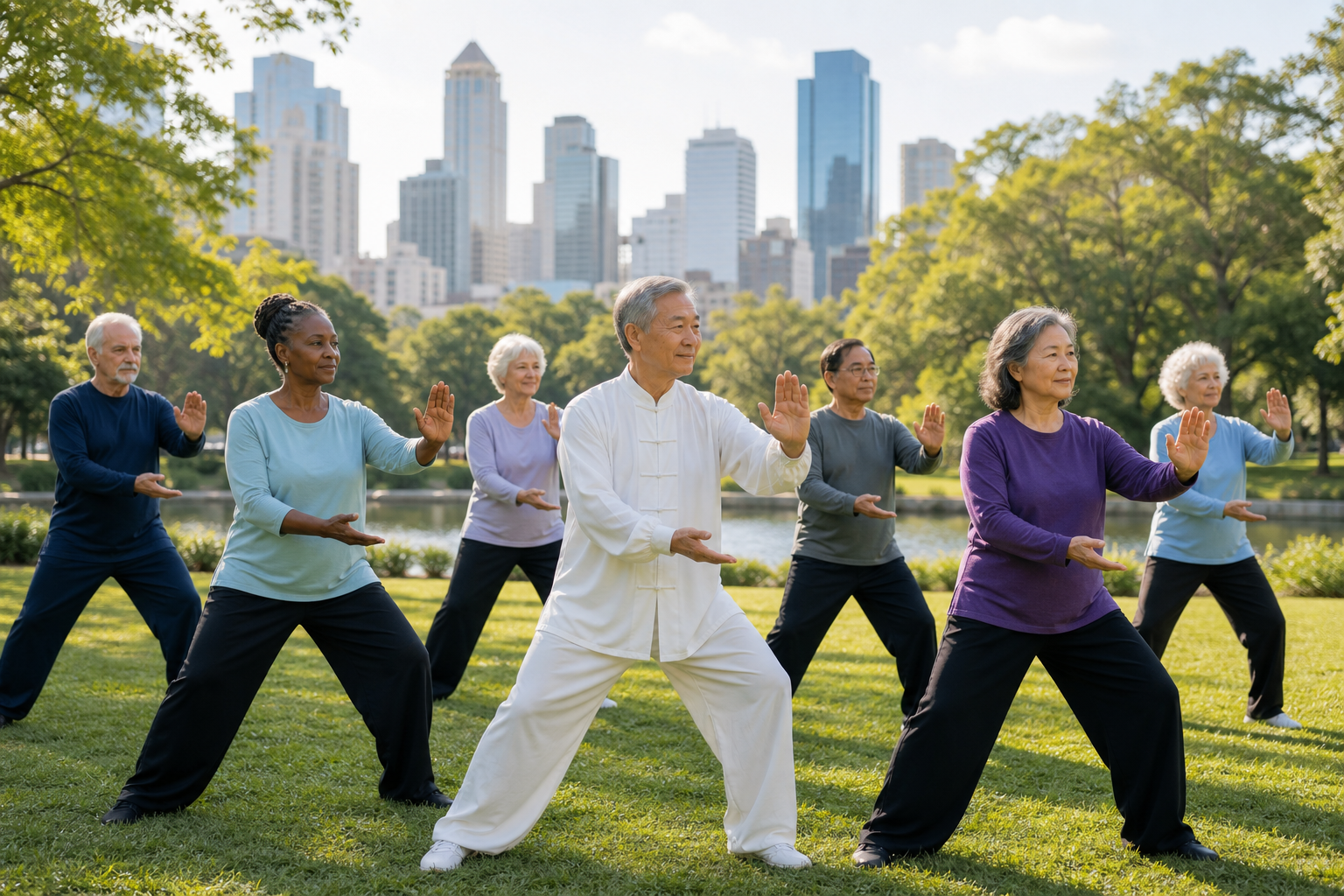
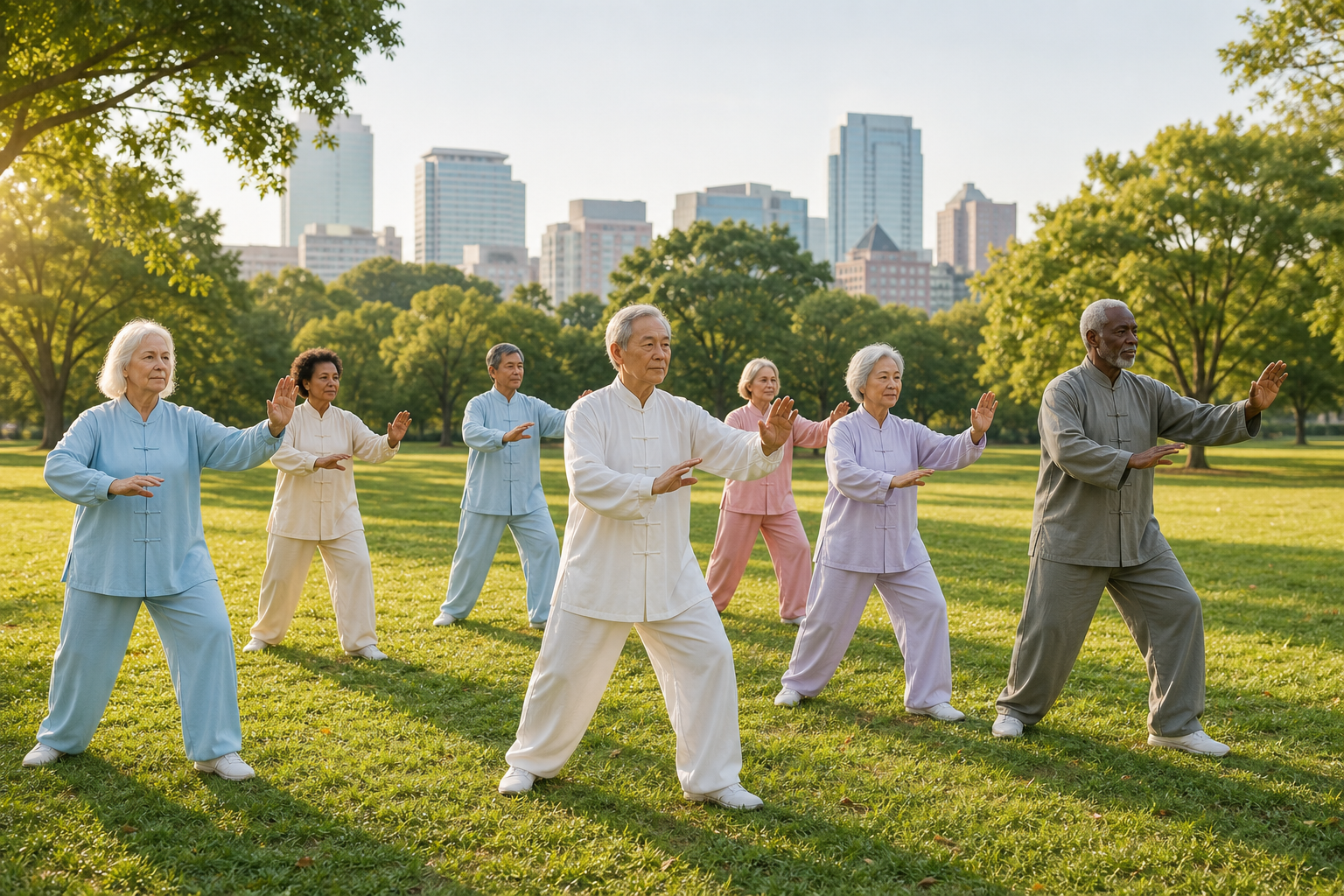
If you picture folks in silk pajamas moving slowly in a park, you’re… actually not far off. But there’s more to it. Tai chi is a centuries-old Chinese practice that blends gentle, flowing postures with focused breathing and mental attention. It’s low-impact, weight-bearing, and tremendously adaptable (which is why I recommend it to so many different clients).
There are dozens of forms, but most arthritis-friendly classes use simplified routines, like the Yang or Sun styles. The key? Slow, controlled transitions that challenge your muscles, joints, and—maybe most importantly—your nervous system’s sense of balance.
How Does Tai Chi Actually Help Arthritis and Balance?
Look, it’s not magic. It’s biomechanics—plus a hefty dose of neuroplasticity. Here’s what’s happening under the hood, broken down in plain English:
- Gentle, Repetitive Loading: Tai chi’s weight shifts train the muscles that support your joints, especially around the knees, hips, and ankles. This stimulates synovial fluid circulation—nature’s own joint lubricant—without the pounding you’d get from jogging or step aerobics.
- Improved Proprioception: Those slow-motion movements? They’re not just for show. They force your brain and body to communicate better, retraining your balance and coordination system. In one 2018 Journal of Geriatric Physical Therapy study, tai chi improved proprioception (your sense of joint position) by up to 23% in older adults with knee osteoarthritis.
- Anti-Inflammatory Effects: I know this is controversial, but emerging data—like the 2022 paper in Frontiers in Immunology—suggests tai chi may even reduce certain blood markers of inflammation. It’s early days, but the trend is promising.
- Stress Reduction: No, mindfulness isn’t a replacement for medication. But less stress means lower muscle tension and, in some people, lower perceived pain. Tai chi’s breathwork is a built-in mini-vacation for your nervous system.
I tell clients: it’s the cumulative effect that matters. You won’t feel like a ninja after your first class. But stick with it for 8-12 weeks, and most people see real, measurable change.
How Often Should You Practice for Real Results?
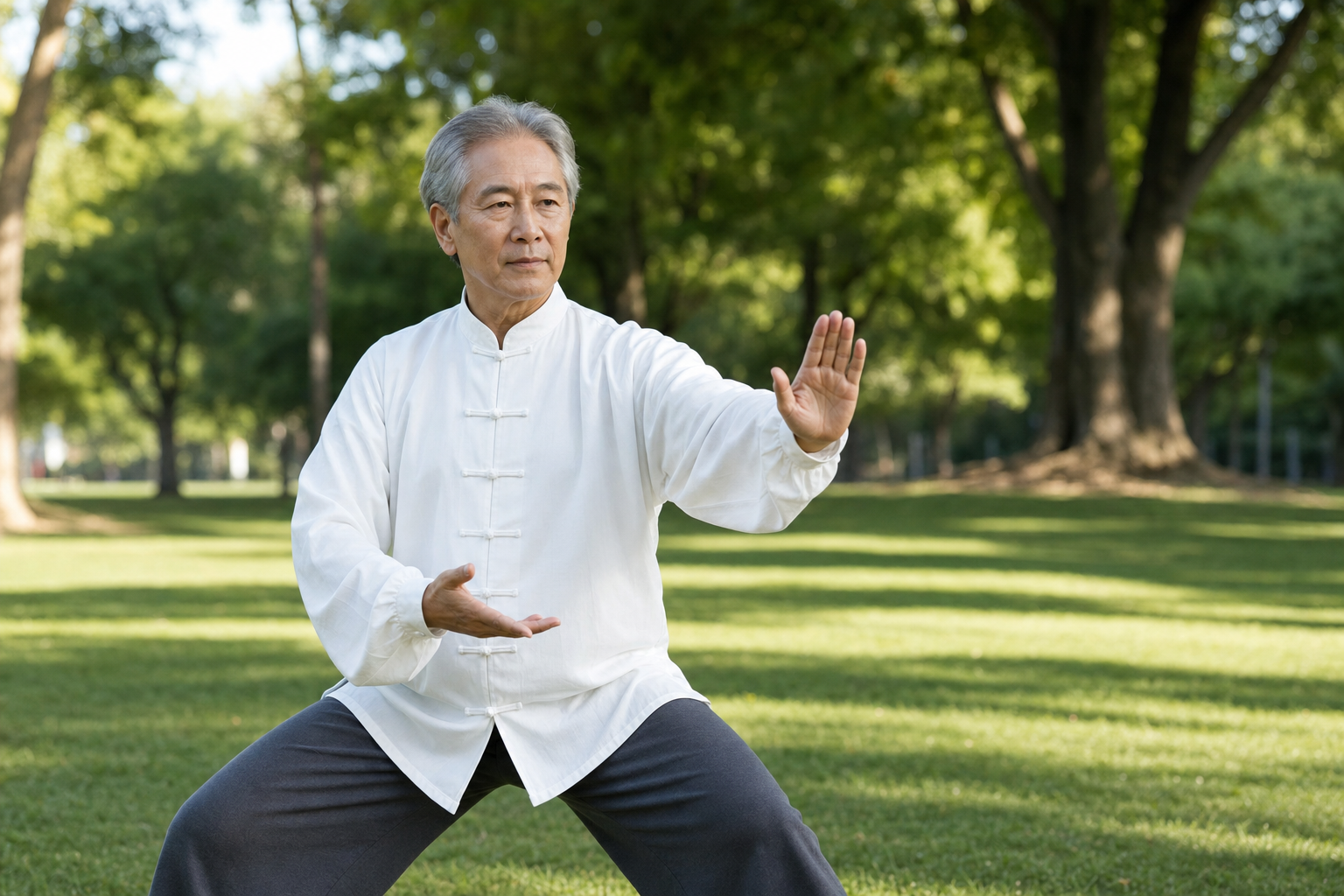
The sweet spot, according to most studies, is 2-3 sessions a week, about 45-60 minutes each. (More is fine, but you want to avoid burnout—or feeling like it’s a chore.) Most of my clients see results in 6-12 weeks, though some notice better sleep and less morning stiffness within a month.
And consistency matters more than intensity. You don’t need to break a sweat or master fancy moves. Just keep showing up. I’ve seen clients in their 80s make legit progress with chair-supported tai chi, too—so don’t count yourself out based on age or ability.
Tips for Getting Started (And What No One Tells You)
First piece of advice? Don’t worry about looking silly. Everyone feels awkward the first few classes. If group settings make you nervous, start at home—YouTube is loaded with intro routines (though the quality varies wildly). For arthritis-specific instruction, look for certified instructors who use the Tai Chi for Arthritis and Fall Prevention program (created by Dr. Paul Lam, and yes, it’s research-backed).
- Shoes Matter: Opt for flat, flexible sneakers or go barefoot on a safe, non-slip surface.
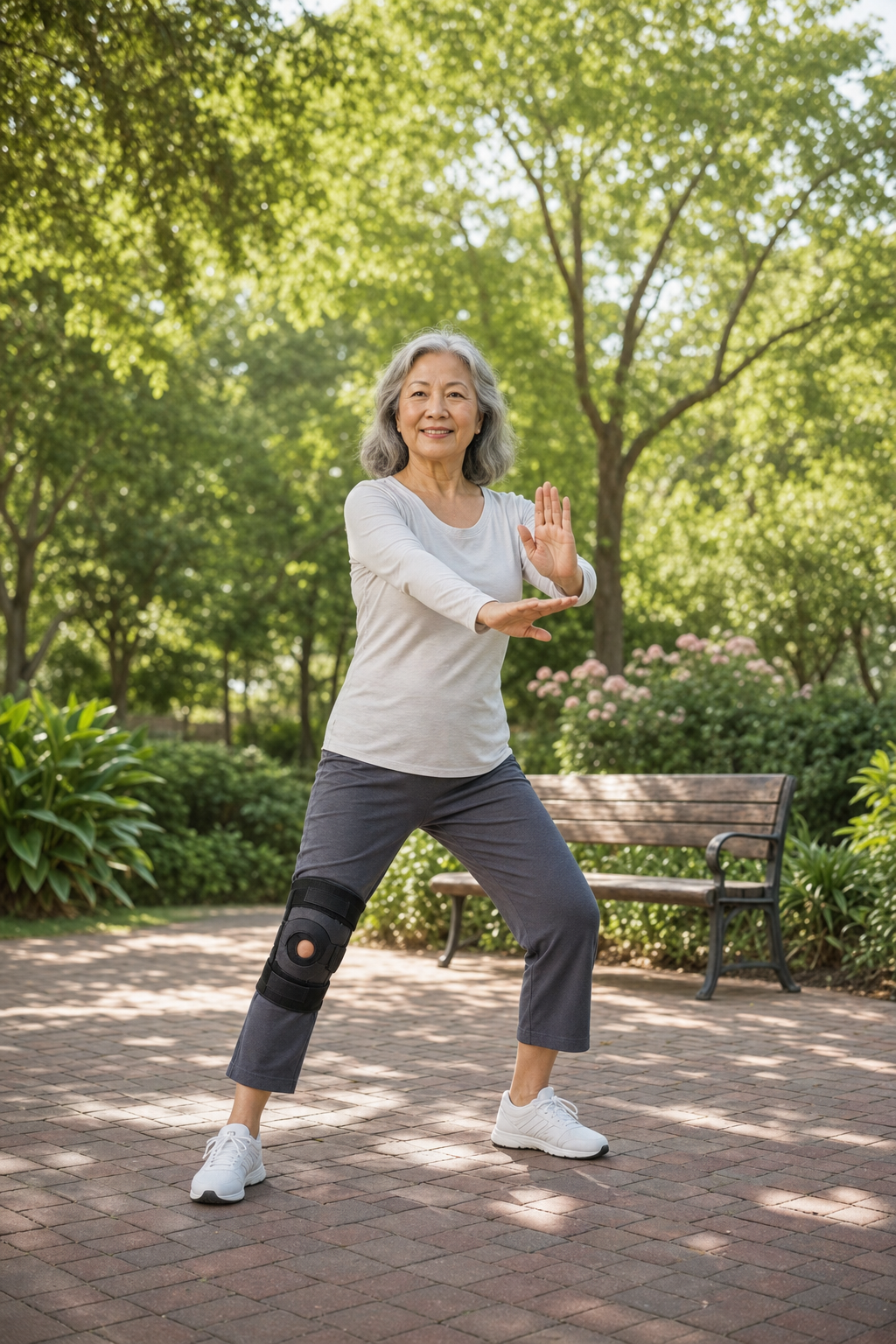
- Joint Support: If you’re dealing with unstable knees, a bit of external support can make a big difference in confidence as you get started. The NEENCA Professional Knee Brace offers stabilizers and a gel pad for comfort—I’ve seen a lot of newbies stick with tai chi longer when they feel secure early on. (Always check with your PT or doc before using new support gear.)
- Warm Up: Start with gentle ankle circles and shoulder rolls. Tai chi can be a full-body activity, and you want your joints ready to move.
- Set Realistic Expectations: Tai chi isn’t a quick-fix. Progress is gradual, and that’s a good thing. Notice small wins: better sleep, steadier stairs, fewer "bad" days.
What If You Have Severe Arthritis or Mobility Issues?
I get this email all the time: "My arthritis is bone-on-bone. Can I still try tai chi?" Most of the time, the answer is yes—with some caveats. Many certified classes offer seated or supported versions. You’ll want to avoid deep squats or single-leg stances if your knees are unstable. And always, always talk to your rheumatologist or physiatrist before starting anything new—especially if you’re post-op or have a history of falls.
For home practice, some clients use a sturdy chair or countertop for balance. One reader swears by practicing in her kitchen, one hand on the sink and the other following YouTube. Not glamorous, but it works.
Pairing Tai Chi With Other Tools: What Helps, What Doesn’t
I know this is unpopular with purists, but I believe in stacking the deck. For a lot of people, movement alone isn’t enough—especially if pain is flaring. Here’s what I tell my clients (and, let’s be honest, my mother-in-law):
- Topical Relief: If joint pain is holding you back from even starting, a non-prescription anti-inflammatory gel like Voltaren Arthritis Pain Gel can help take the edge off. It’s the only FDA-approved topical NSAID in the US, and the studies are robust—one 2018 Arthritis & Rheumatology trial showed significant pain reduction in just two weeks. I recommend applying it pre-class (not on broken skin) if knees or hands are acting up.
- Guided Home Programs: If in-person classes aren’t your thing, a research-backed book like Treat Your Own Knees by Jim Johnson gives you simple, actionable exercises, many of which complement tai chi nicely. I like that it covers pain, flexibility, AND balance in plain language—and doesn’t require fancy equipment.
- Supplements? Here’s where I’m a wet blanket. Glucosamine/chondroitin gets a lot of press, but the research (as in the 2017 BMJ review) is pretty mixed. If you want to try it, talk to your doctor—and don’t expect miracles.
The Deeper Science (If You Want the Nitty Gritty)
For the research nerds (like me):
- The anti-inflammatory effect of tai chi likely comes from a combination of mild aerobic training, stress hormone reduction, and improved microcirculation. But the exact mechanism is still being unraveled.
- Balance improvements are partly due to neural adaptation—your brain essentially gets better at "reading" your feet and legs with practice—plus muscular endurance gains in the lower limbs (as per the 2020 Journal of Rheumatology study).
- The pain reduction isn’t purely psychological. MRI studies (like a 2019 PLoS ONE paper) show changes in pain-processing centers of the brain after consistent tai chi.
There’s still plenty we don’t know. But if you’re looking for a well-tolerated, evidence-based movement practice that addresses both arthritis pain and balance? Tai chi is, frankly, in a league of its own.
Watch Outs, Myths, and Honest Limitations
Tai chi isn’t a cure-all. It won’t reverse joint damage, and you’ll still need to manage weight, nutrition, and (sometimes) medication. And it’s not a substitute for targeted strength training or physical therapy if you have severe muscle loss. But—speaking as someone who’s shepherded dozens of clients through this journey—it’s one of the lowest-risk, most sustainable options out there.
Myth: Tai chi is "too slow to be exercise." Reality: For many older adults, slow, controlled loading is exactly what joints need. Don’t let the zen vibe fool you.
Myth: You need to be coordinated or fit to start. Actually, the less coordinated you feel, the more you stand to gain.
Practical Takeaways You Can Use Right Now
- Try 5-10 minutes of tai chi, three times a week, and build from there. Don’t overthink it—progress, not perfection.
- Add support if you need it. A knee brace or stable chair doesn’t mean you’re cheating—it means you’re smart.
- If pain’s a barrier, manage it. Legitimate aids like Voltaren can help you actually stay consistent.
- Check with your doctor or PT before starting. This isn’t just a disclaimer—your personal history matters.
- Celebrate small wins: steadier walks, easier turns, less morning stiffness. Those are the milestones that matter.
Final Thoughts: Why I Recommend Tai Chi (Even to My Skeptical Friends)
If you’ve made it this far, you know I’m not a silver-bullet guy. If tai chi was just a passing fad, I wouldn’t waste your time—or mine. But over a decade of coaching, I’ve watched it change lives, restore mobility, and, yes, bring a few smiles to faces that had almost given up. Is it the answer for everyone? No. But for anyone struggling with arthritis and balance—especially if motivation and safety are issues—tai chi is worth a serious try.
And if you need a bit of extra support (be it a brace, a topical, or a clear home guide), go for it. Movement is medicine. Sometimes, a little help along the way makes all the difference.
Curious, skeptical, or just plain tired of stiff mornings? Maybe give it a shot. I’d love to hear how it goes.
Stay steady, stay moving.
James Chen, MS, CSCS
Exercise Scientist & Joint Health Columnist, JointReliefReviews.com