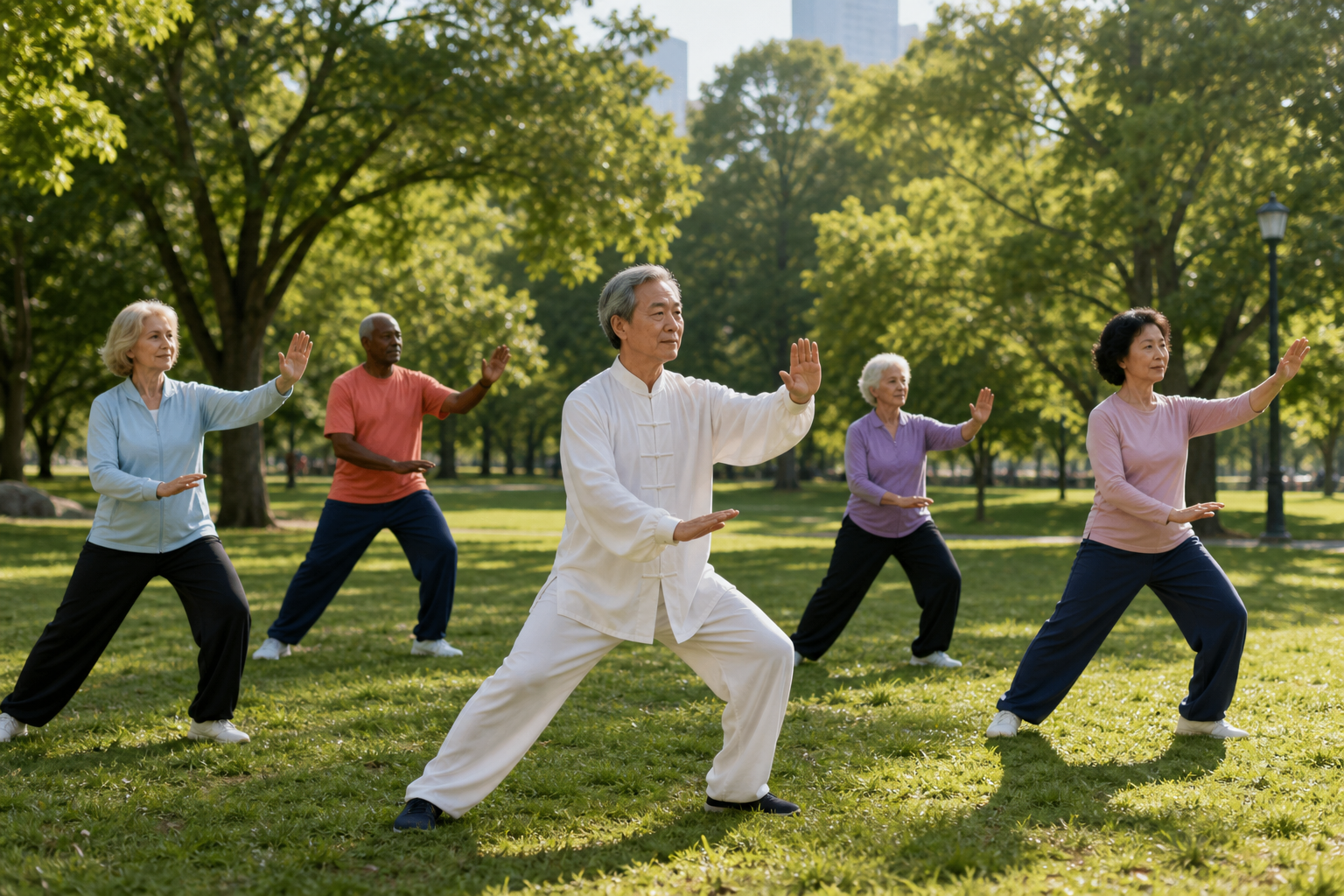
Tai Chi Benefits for Arthritis and Balance: How Gentle Movement Changed My Patients' Lives
One of my favorite moments as a physical therapist was watching Mr. Greene—an 82-year-old former postman with stubborn knee arthritis—get through his first tai chi class without a grimace. Two months earlier, he’d told me, “Sarah, I can barely get to the mailbox.” After six weeks of gentle, flowing movements (and a little skepticism on his part), he was moving with more confidence than I’d seen in years. And he’s not alone.
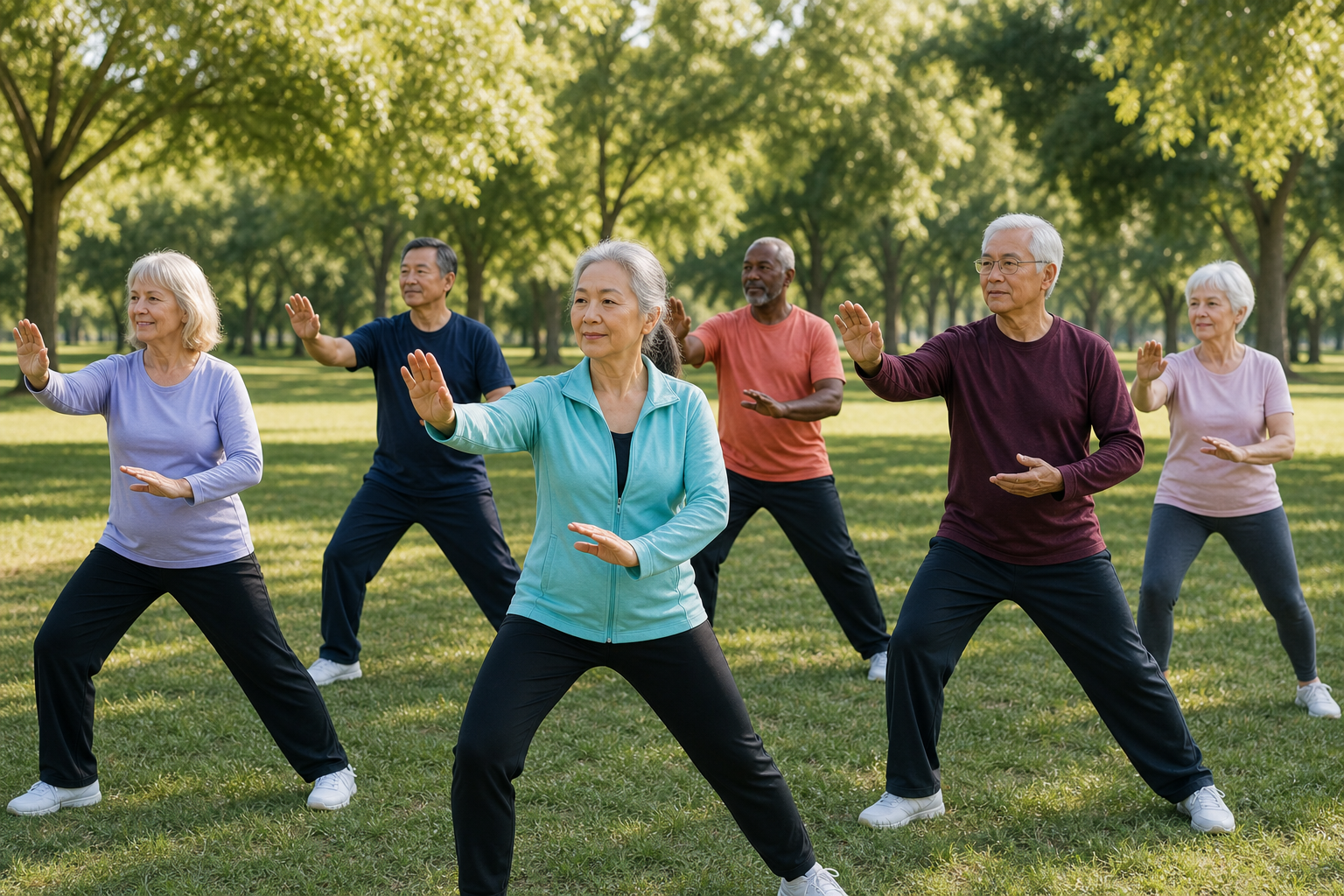
The Real Struggles: More Than Just Achy Joints
If you’ve ever winced getting out of bed, hesitated before climbing stairs, or felt that ominous wobble stepping off a curb, I get it. Arthritis isn’t just about pain. It’s lost confidence, missed outings, and—let’s be honest—fear of falling. About 36 million falls occur every year among older Americans, and arthritis is a huge risk factor. (CDC data, 2022.)
But here’s the thing: you’re not helpless. There are evidence-backed ways to break the cycle, and tai chi is one of the most surprisingly effective tools I’ve seen in 12 years of practice. (Ask any PT, and you’ll hear similar stories.)
The Science: Why Tai Chi Delivers for Arthritis and Balance
You might picture tai chi as slow-motion choreography in a park, but there’s real muscle and brain science under the surface. In fact, the Journal of Rheumatology published a 2016 study showing that people with knee osteoarthritis who practiced tai chi twice a week for 12 weeks had similar pain and function improvements as those in a structured physical therapy program. (They even kept up the gains at 24 weeks!)
And the balance benefits? Even better. The Harvard Medical School newsletter called tai chi “the perfect activity for balance” after reviewing multiple studies. Why? Because tai chi is a strange but magical mix of:
- Gentle, weight-shifting movements (teaching your legs and brain to react quickly)
- Mindful focus (think active meditation for joints)
- Low-impact strengthening (without pounding or twisting already irritated joints)
One 2012 review in Arthritis & Rheumatism found tai chi reduced pain by 31% and improved physical function by 22% in people with various types of arthritis. That’s not just a statistical blip—it’s the difference between dreading stairs and actually meeting a friend for coffee.
How Does Tai Chi Actually Work?
Here’s where it gets interesting. Tai chi isn’t just movement—it’s movement with intent. Each word in a tai chi instruction ("step like you’re moving through thick mud," "let your arms float") creates a cascade:
- Neuromuscular training: Your brain builds new maps for how to keep you steady.
- Proprioception boost: You become more aware of where your body is in space—crucial for balance and avoiding falls.
- Cartilage-friendly: The slow, sweeping motions lubricate joints and encourage synovial fluid movement (think WD-40 for knees).
- Stress reduction: Multiple studies show tai chi lowers cortisol and anxiety—good for pain AND long-term motivation.
And if you’re nodding along, you’re not alone. So many of my patients start off skeptical—"How can waving my arms help my knees?" But after a few weeks, it's the confidence that changes first. The pain relief follows.
Who Can Try Tai Chi? (Hint: Pretty Much Anyone)
Here’s a little-known fact: tai chi is adaptable. You can do it standing, sitting, or even using a sturdy chair for support. I’ve coached folks with joint replacements, rheumatoid arthritis, even Parkinson’s, through these movements. The best part? No spandex or fancy shoes required.
But—big but—always talk to your doctor or physical therapist before starting any new exercise, especially if you have heart issues, dizziness spells, or unstable joints. (Yes, I know you’ve heard this before. It’s still true.)
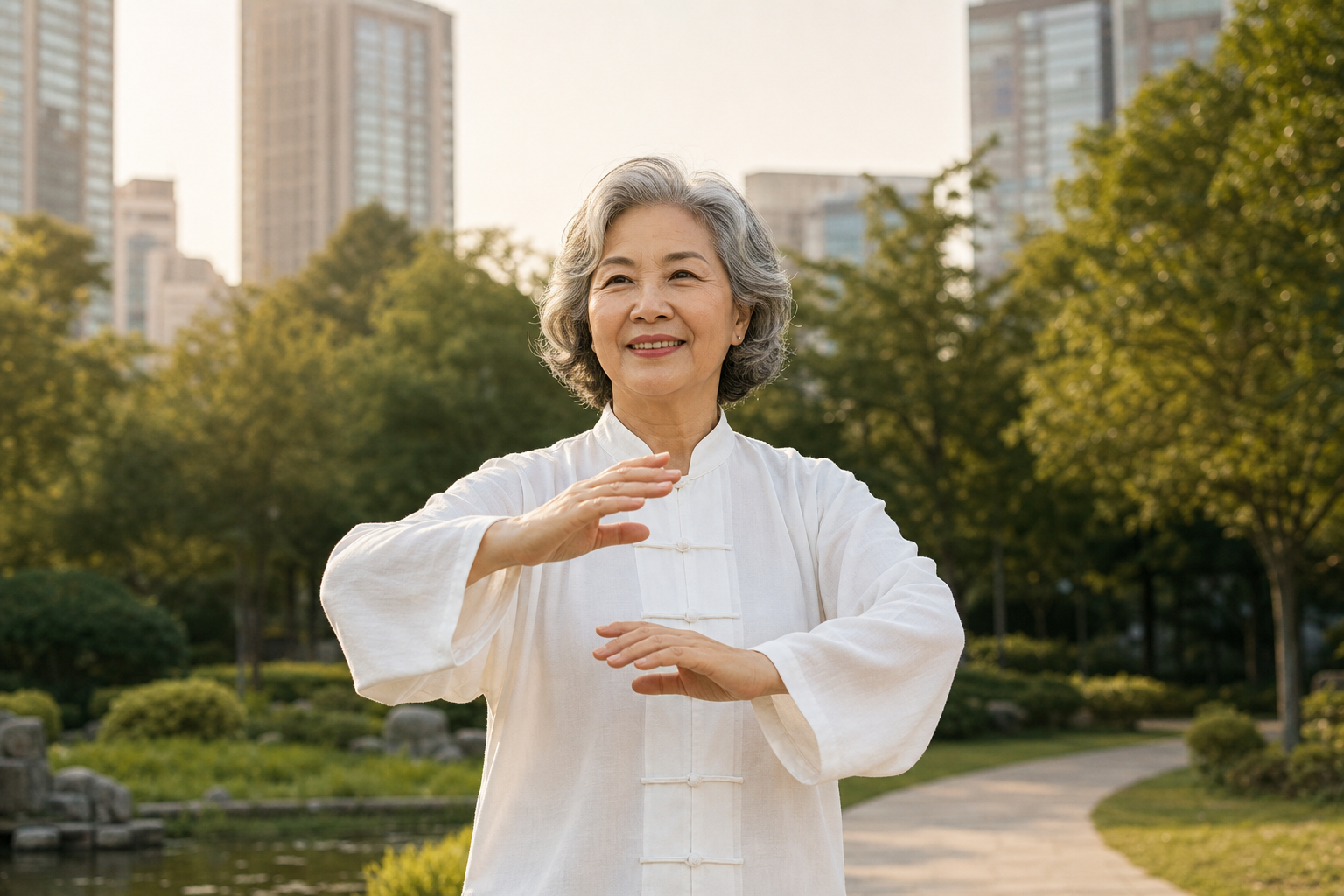
Getting Started: What Actually Helps, and What Doesn’t
Not all tai chi classes are created equal. I remember my mother-in-law’s first session—a well-meaning instructor, but the pace was so slow she got bored and never went back. You want a class (or online video) that’s arthritis-friendly, focused on basics, and led by someone who actually understands joint safety.
Some honest tips I give patients:
- Look for "Tai Chi for Arthritis" programs—The Arthritis Foundation endorses several (like Dr. Paul Lam’s method). Local senior centers often host these.
- Start with 10–20 minutes, 2–3 times a week. Build up. Consistency beats intensity.
- Listen to your joints. Sharp pain? Stop. Mild soreness is okay, but pain is a no-go.
- Use supports if needed—a stable chair or kitchen counter works wonders, especially for beginners nervous about balance. Safety first, always.
My Favorite At-Home Tools (That Actually Get Used)
I’ll be honest: a lot of the fancy gear sold for arthritis ends up gathering dust. But there are a few products I recommend over and over—for folks who want to combine tai chi with targeted relief or need a confidence boost for balance.
- Voltaren Arthritis Pain Gel—Diclofenac sodium, FDA-approved, and genuinely effective for moderate joint flare-ups. I tell my patients: use it before tai chi to loosen up stiff knees or hands. Trials in BMJ (2018) found a significant pain reduction versus placebo. Non-greasy, and you don’t need a prescription. Just don’t slather it on broken skin or use long-term without your doc’s OK.
- NEENCA Professional Knee Brace—For folks with wobbly knees or a history of falls, this medical-grade brace is a game-changer. The side stabilizers add support during weight-shifting tai chi moves. I’ve seen patients go from “I’m afraid to move” to actually enjoying classes again. (Bonus: it’s adjustable, so you’re not stuck with a one-size-fits-all squeeze.)
I know some folks want to jump straight to supplements or gadgets. But the real kicker? Movement, confidence, and pain relief work together. Tai chi is the backbone, and these tools just help you stick with it. Don’t over-complicate it.
What the Latest Studies Show (And Why Some Experts Are Still Skeptical)
Let’s get into the weeds for a second. The 2022 Cochrane review—one of the strictest in medical science—looked at over 20 randomized trials of tai chi for osteoarthritis (mostly knees and hips). Their verdict: tai chi likely improves pain and function better than no exercise, and may even outperform some stretching-only regimens. But (here’s the controversy) benefits fade if you quit. That means you need to keep moving, even if it’s just in your living room.
As for balance, a meta-analysis in Clinical Rehabilitation (2021) found that tai chi reduced fall risk by 43% in community-dwelling adults over 65. That’s on par—or better—than most balance-specific physical therapy programs. Not bad for a practice that started over 700 years ago.
But, and I say this as a fan, tai chi is not a miracle cure. Severe joint deformity, advanced rheumatoid arthritis, or major neurological issues? You need a tailored rehab plan, not just YouTube videos. Talk it over with your PT first.
Tai Chi vs. Yoga vs. Strength Training: What’s Best for Arthritis?
People ask me all the time: “Is tai chi better than yoga or weights?” Here’s my unpopular opinion: they’re not interchangeable. Tai chi is gentler on joints than most yoga poses (no downward dog required), and it’s less likely to trigger pain flares. It’s also more fun for balance because it mimics real-life weight shifts.
But strength training (done right) builds muscle mass around the joints, which is vital for long-term arthritis protection. If you can, do both. Some of my most successful patients combine tai chi twice a week, light weights once a week, and daily walks. No single approach works for everyone—find your blend.
Practical Tips For Making Tai Chi a Habit
If you’re anything like me, motivation comes and goes. So here’s what helps my patients stick with it (and yes, I use these myself):
- Schedule it like a doctor’s appointment—put tai chi on your calendar, even if it’s just 10 minutes. Routine beats willpower every time.
- Invite a friend—the accountability makes a difference, and you’ll laugh more (which helps with pain, by the way).
- Use a chair or wall for backup—I can’t stress this enough. Safety first, pride second.
- Track your progress—write down little wins (“stood up without grabbing the table,” “no knee twinge today”). It’s motivating.
If you’re interested in evidence-based home exercises that complement tai chi, I often suggest Treat Your Own Knees by Jim Johnson, PT. It’s affordable and packed with drawings and routines you can actually follow. Many of my patients keep it on their bedside table for quick reference.
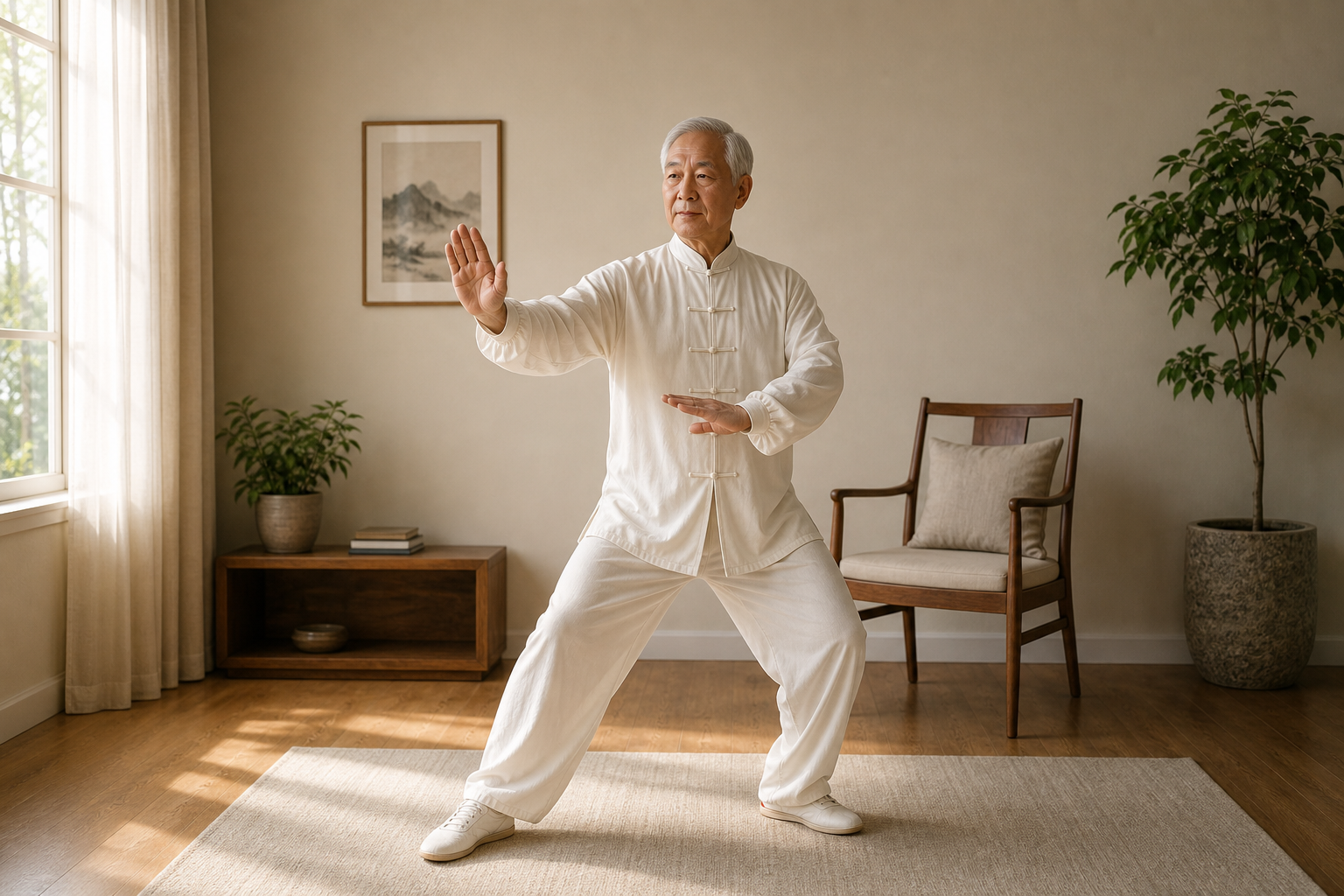
What To Expect: Real-World Results
I wish I could promise instant pain relief and superhero balance. Realistically, most beginners notice:
- Better steadiness on their feet—usually within 3–4 weeks
- Less morning stiffness—after about a month of steady practice
- Gradual pain improvement—expect subtle changes, not overnight miracles
- Improved mood—almost everyone feels less stressed and more "in control" after a few sessions
Setbacks happen. The goal isn’t perfection—it’s progress you can feel. That’s something every arthritis fighter deserves.
What I Tell My Own Family
Look, I started recommending tai chi to relatives long before it hit mainstream headlines. My aunt with RA? Tai chi was the only exercise she could stick with through the winter. My neighbor, a retired gym teacher with a dodgy ankle? He said tai chi felt “less like a workout and more like a moving meditation.”
If you’re considering tai chi, here’s my honest advice: start slow, give it a month, and be patient with yourself. Use pain relief supports if you need them—there’s zero shame in making things easier. The Voltaren Gel and NEENCA Knee Brace make real difference for many folks. For strengthening alongside tai chi, a guide like Treat Your Own Knees is gold.
Staying mobile is about more than pain scores. It’s about reclaiming your confidence—and maybe, like Mr. Greene, walking to your mailbox with a smile again.
Final Thoughts
So, is tai chi a "miracle cure" for arthritis and balance? No. But it’s a practical, proven, and—dare I say—enjoyable way to move better, fear less, and get on with life. If you’re intrigued, try a class or a video (just vet your source). If you need the right supports, use them proudly. And if you stumble, keep going. Movement is medicine—but only if you take your dose.
Stay strong, stay curious—and if you have questions, drop me a note. I love hearing your stories.
Dr. Sarah Mitchell, DPT
Senior Health Editor, JointReliefReviews