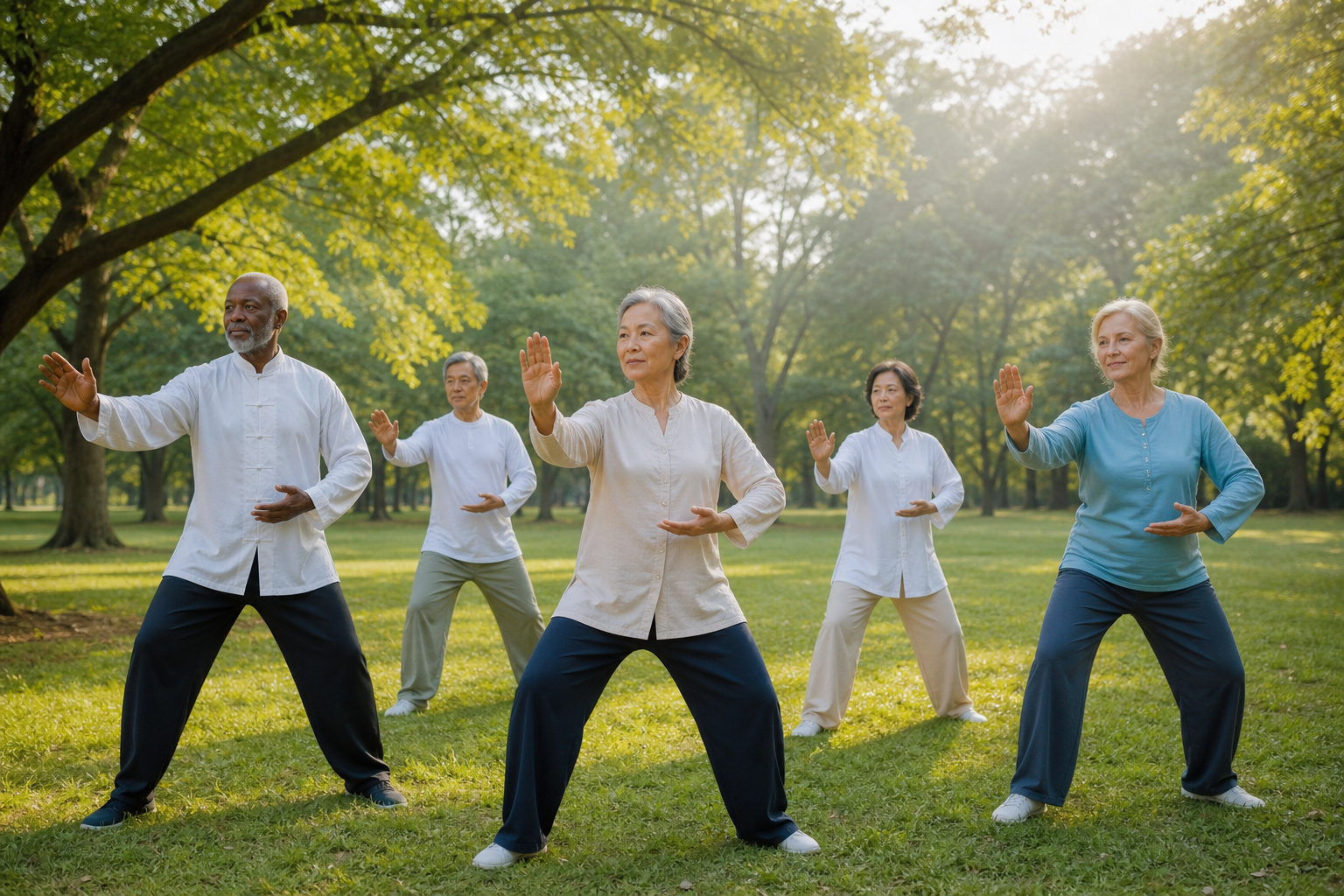
Tai Chi Benefits for Arthritis and Balance: What Makes It Special?
Three years ago, I watched my neighbor, Doris—76 and wobbly on her feet—move with graceful confidence through a sunny park. I nearly did a double-take: this was the same woman who needed help down her front step last winter. When I asked her what changed, she simply said, “Tai chi, Linda. You should’ve made me start sooner.”
Why People With Arthritis and Balance Issues Get Left Behind
If you’re fighting creaky knees, stiff hips, or you’ve had a scary near-fall (or five), I get it. Arthritis stole plenty from my mother-in-law—her morning walks, her favorite gardening gloves, her peace of mind about slipping in the tub. As a nurse with two decades in ortho, I’ve seen hundreds of patients lose confidence long before they lose real mobility. That invisible fear? It’s almost as disabling as the pain itself.
But here's the thing: too many folks are told to just “keep moving,” as if walking around the block or squeezing a rubber ball will magically restore ease and balance. It’s not that simple. Especially when every step feels like a gamble.
Unpacking the Science: Tai Chi, Arthritis, and Balance
So, what’s the real story with tai chi? Well, it’s not a magic bullet, but it is one of the most evidence-backed tools out there for arthritis and fall prevention. I’ve reviewed dozens of clinical trials over the years—nothing else comes up as consistently as tai chi, especially for older adults.
And it’s not just gentle stretching or “moving meditation” (though it’s plenty peaceful). Tai chi is a centuries-old martial art that looks almost like dance—slow, continuous, weight-shifting movements. Unlike lifting weights or running, it’s low-impact. That means your joints don’t take a beating, but your muscles, ligaments, and even your brain get a workout.
Let’s Talk About Numbers: What the Research Shows
Here’s where it gets interesting. A 2016 study in Arthritis & Rheumatology followed 204 people with knee osteoarthritis. Half did tai chi twice a week; half did a standard physical therapy protocol. At 12 weeks, both groups had less pain, but—surprise!—the tai chi group actually scored higher in mood and overall function. And six months later? Those benefits stuck around.
Another biggie: a 2017 meta-analysis in the Journal of Rheumatology pooled 10 studies with over 500 older adults. After 12 weeks of tai chi, participants had a 35% reduction in fall risk compared to controls. Their walking speed improved, their balance scores jumped, and they reported more confidence stepping off curbs or walking on uneven ground. That sort of difference isn’t subtle—it’s the difference between “maybe I’ll go out today” and “I think I’ll just stay inside.”
How Tai Chi Actually Helps—Breaking Down the Mechanisms
I used to be skeptical. (Honestly, when I first saw a class, I thought, “How could that help my patients stabilize their knees?”) But the more I learned, the more it clicked:
- Joint-Friendly Movement: Tai chi movements are slow and weight-shifting, gently mobilizing the hips, knees, and ankles—no pounding or sharp twists.
- Muscle Endurance & Flexibility: Holding postures challenges the big stabilizer muscles (glutes, quads, core) without overloading aching joints.
- Proprioception Training: You get better at knowing where your body is in space—so you can catch yourself before you trip or wobble.
- Mind-Body Connection: Practicing focus and calm means your reaction time is sharper—critical if you suddenly step on a dog toy or patch of ice.
I’ve watched dozens of patients light up when, for the first time in months, they realized they could step sideways or turn without grabbing for a chair arm. It’s not about acrobatics—it’s about reclaiming trust in your own legs.
Why Most Exercise Plans Fail Arthritis Sufferers (And How Tai Chi Is Different)
Here’s the dirty little secret: most “arthritis-safe” fitness plans are boring, repetitive, and written by people who don’t actually know what bone-on-bone pain feels like. The advice—“walk more, swim more, do your PT homework”—only works if you’re not terrified of a flare-up. Plus, gyms and pools aren’t always accessible (or affordable, once you add up the costs).
Tai chi is flexible. You don’t need fancy shoes, special machines, or a swim pass. Heck, you can do it in your living room with YouTube if group classes aren’t your thing. And the moves can be scaled down or adapted for seated practice—critical if your mobility isn’t what it used to be.
The Psychological Payoff
Don’t underestimate the mental boost. Chronic pain messes with your head. Studies (like the BMJ’s 2015 review) show tai chi can reduce anxiety and depression in folks with arthritis—sometimes more than medication alone. Doris told me after three months she slept better and stopped obsessing over every twinge in her knee. That’s huge.
How to Start: Practical Tips for Real People
- Find a Beginner-Friendly Instructor: Look for certified instructors with experience teaching people with arthritis. The Tai Chi for Health Institute keeps a great directory.
- Start Slow: Twice a week is plenty to start. Even just 10-15 minutes a day can make a difference.
- Modify as Needed: Can’t bend your knees deeply? Do smaller movements. Need a chair for balance? That’s totally fine.
- Stay Consistent: The magic is in the routine, not the intensity. Regular practice trumps “weekend warrior” sessions—by a long shot.
Quick safety note: If you’re post-surgery, severely deconditioned, or have significant balance issues, talk to your physical therapist or healthcare provider before starting any new movement regimen—including tai chi. I can’t stress that enough, after seeing one too many falls in my career that could’ve been avoided with a little professional input.
Tools That Make Tai Chi (and Daily Life) Safer and Easier
Most articles won’t tell you this, but I’m a big believer in using every tool in the toolbox. For example, my patients often combine tai chi with a knee brace on bad flare days—especially if their joints feel wobbly. One option that comes up a lot is the NEENCA Professional Knee Brace. It’s got side stabilizers and a smart patella gel pad, so it doesn’t dig in or pinch when you need a little extra support for shifting, turning, or—yes—slow tai chi stepping. Is it mandatory? Not at all. But for some folks, it’s the difference between "I think I’ll try that class" and "No way, not with this knee."
I also recommend gentle topical pain relief for post-practice soreness (especially in the first couple weeks). Most of the time, a pea-sized dab of Voltaren Arthritis Pain Gel is enough to take the edge off for my patients—without the stomach issues of oral NSAIDs. Again, talk to your doctor or pharmacist, particularly if you’re on other meds or have sensitive skin.
Deep Dive: Tai Chi Versus Other Arthritis Friendly Exercises
Is tai chi the only way? Of course not. There's value in swimming, gentle yoga, and strength training—when done thoughtfully. But here’s why tai chi edges out the rest for arthritis and balance:
- Lower Impact: Water aerobics is great but requires pool access (and changing, which can be tough if you’re stiff). Tai chi is done dry, with shoes on or off, anywhere you have a patch of clear floor.
- Social Connection: Tai chi classes often become mini-communities. And being seen—literally—does wonders for motivation. (I still get thank-you cards from patients who met lifelong friends this way.)
- Easy to Progress: As you gain confidence, you can add new postures or increase practice time—without special gear or risk of overexertion.
- Whole-Body Coordination: Few routines challenge your brain and body together like tai chi. That’s a big reason it helps with balance—your nervous system gets a workout, too.
One reader recently wrote me: “Linda, I tried water walking, but my joint pain was just as bad after. Tai chi was the first time I felt steady. Why don’t more doctors recommend it?” Honestly? They should. The evidence is there, but old habits die hard.
What About At-Home Tai Chi? Can You Really Learn from a Video?
I know, not everyone can (or wants to) go to a group class. The good news: several high-quality at-home programs exist. If you’re new to movement in general, I actually recommend pairing tai chi videos with simple strengthening routines—something like Treat Your Own Knees by Jim Johnson, a book I’ve lent to many friends over the years. The illustrations are clear, the exercises are joint-friendly, and it demystifies how small, regular effort can add up. Not a magic cure, but a smart sidekick to tai chi if you want to rebuild baseline strength and confidence.
Pro tip: always watch a new tai chi video all the way through before trying, to make sure the pace and directions fit your needs. And if something feels off or aggravates your pain, stop. You’re the expert on your body—don’t let a screen boss you around.
Fresh Takeaways: Tai Chi for Arthritis and Balance, in Real Life
- Tai chi is safe, research-backed, and adaptable for most folks with arthritis—especially if fear of falling is holding you back from “just moving more.”
- The mental health boost is as real as the physical gains—less anxiety, more control, better sleep.
- Supportive gear (like a medical-grade knee brace) or targeted pain relief can make trying something new less intimidating—and keep you coming back.
- Consistency matters more than perfection. Even 10 minutes a day is worthwhile if you stick with it.
- No single program works for everyone. Stay curious and be kind to yourself—this is a marathon, not a sprint.
Final Thoughts (From Someone Who’s Seen It All)
I’m not just passing along clinical data—I’ve watched tai chi change lives, up close. I’ve seen the pride when a patient stands tall, the surprise when someone realizes they haven’t stumbled in weeks, the quiet happiness of Doris as she rolls her shoulders and tells me she “almost forgot” about her arthritis for the afternoon.
If you’re nodding along, maybe frustrated or doubtful, that’s okay. You don’t have to become a tai chi expert overnight. Just try a few movements, listen to your body, use the tools that help, and never be afraid to ask for professional advice—or support from your community. The first step is always the hardest, but it’s also where real relief begins.
Stay steady (and stay kind to those wonderful joints!)
—Linda Hargrove, RN
Registered Nurse, Orthopedic Care Specialist
Health Columnist, JointReliefReviews.com