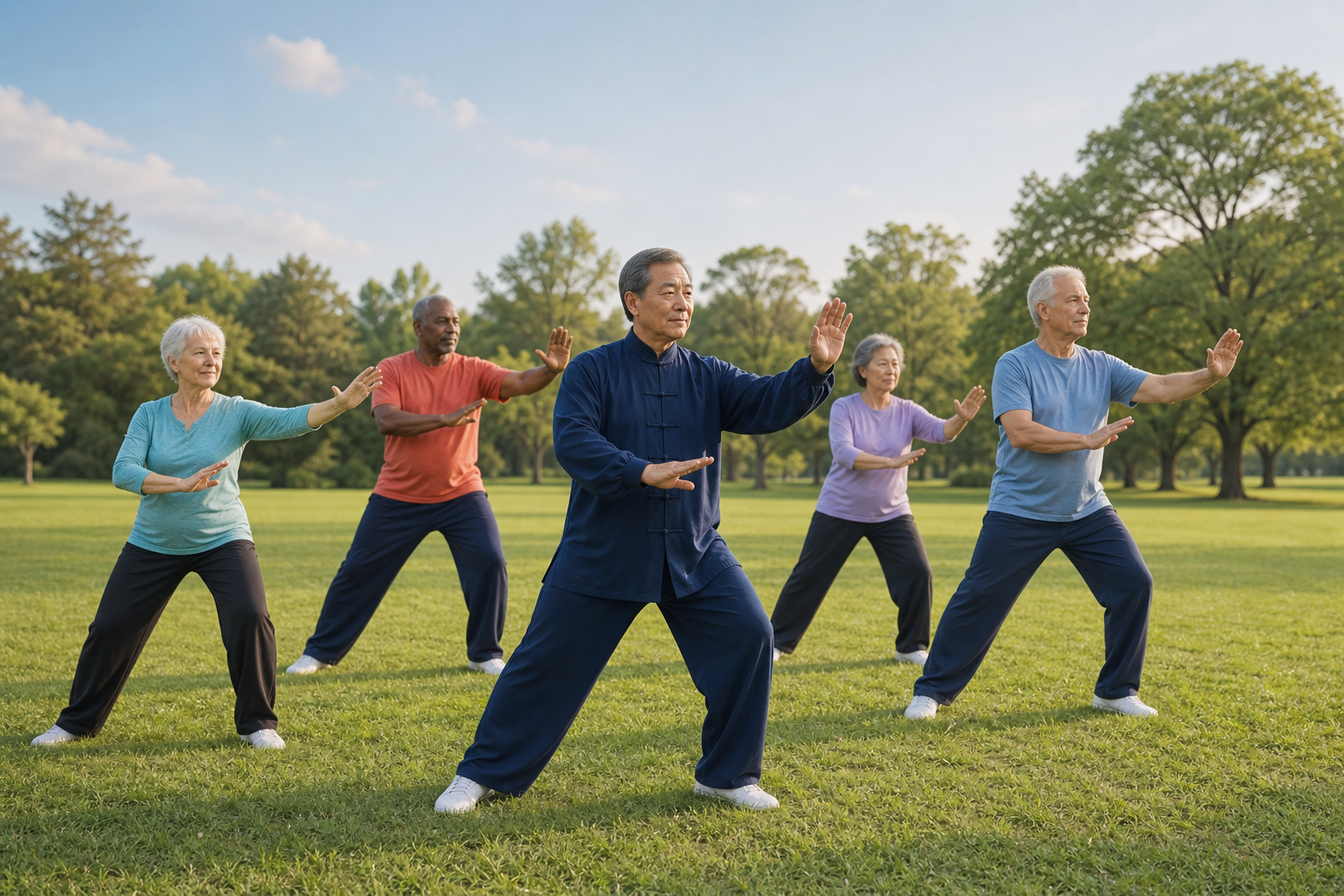
Tai Chi Benefits for Arthritis and Balance: The Science and the Stories
My friend Mary — 67, two knee replacements, and a mean lemon bar recipe — showed up at my door last year looking skeptical. "Linda, do you really think waving my arms in slow motion is going to help?" If you’re eyeing tai chi with the same suspicion, you’re in good company. I’m a registered nurse who’s spent two decades bandaging, icing, and troubleshooting stubborn joints. But after seeing what tai chi did for Mary (and a dozen other regulars in my old orthopedic clinic), I’m telling you: there’s more here than meets the eye.
Here’s the thing: Arthritis and Imbalance Are a Package Deal
If you’ve got arthritis, especially in the knees or hips, you probably know the drill. Aching joints wake up before you do. You shuffle out of bed, weighing if that first step will be a surprise. And balance? The less you trust your joints, the less you move — and losing your balance becomes a real fear.
Arthritis isn’t just creaky cartilage. It chips away at confidence. That fear of falling (rightly earned — falls are the #1 cause of injury hospitalization for people over 65, according to the CDC) makes you clench up, move less, and, ironically, get weaker and even more unsteady.
So, what if I told you gentle movement, focused breathing, and a little bit of daily discipline could chip away at pain and help you walk steadier? That's where tai chi sweeps in — quietly, persistently, and with a surprising amount of science to back it up.
Tai Chi Isn’t Woo-Woo — It’s Physical Therapy Disguised as Art
Look, I’ll be honest: I used to think tai chi was just for folks who liked incense and flowing robes. But then the research started piling up — and I saw my own patients using it to get off the couch, ditch their canes, and even smile again while moving.
Here’s why tai chi works for arthritis and balance:
- Gentle, weight-bearing movements — perfect for stiff, sensitive joints.
- Constant subtle shifts in posture — training your muscles and nerves to "catch" you before you stumble.
- Mind-body focus — so you actually notice how your body is moving (unlike mindlessly pedaling or walking).
- No equipment needed — making it way more accessible than the average gym schedule or yoga class.
Still on the fence? This isn’t wishful thinking — the Journal of Rheumatology published a 2013 study showing significant improvements in pain, stiffness, and physical function for adults over 65 practicing tai chi for arthritis. Participants did twice-weekly, hour-long classes. That’s it — no fancy gear, no pushups, just slow, controlled movement and a dash of patience.
Breaking Down the Research: Tai Chi for Arthritis Pain Relief
Let’s get specific — because I know some of you out there want numbers, not just stories. In 2016, Arthritis & Rheumatology published a randomized controlled trial (the gold standard, by the way) with 204 adults suffering from knee osteoarthritis. Half did 12 weeks of tai chi, while the rest hit standard physical therapy.
Results? BOTH groups improved in pain and function at 12 weeks, but only the tai chi folks reported better mood and quality of life on top of pain relief. And — here’s the real kicker — at 52 weeks, the tai chi group reported longer-lasting benefits than physical therapy alone. That lines up with what I’ve seen: gentle, rhythmic movement is easier to stick with for the long haul than most rehab “boot camps.”
How does it work? Tai chi doesn’t “cure” arthritis, but here’s what happens:
- Cushions the blow: Its slow, weight-shifting motions reduce joint impact compared to walking or even yoga.
- Builds muscle gently: Quads, glutes, and calves all get involved — stabilizing those sensitive knees and hips.
- Reduces inflammation (indirectly): Studies in the BMC Musculoskeletal Disorders journal (2020) found tai chi lowers pain, fatigue, and markers associated with inflammatory arthritis.
If you’re nodding along, you’re not alone. One of my readers, Tom, sent me an email last month: “Linda, I just want to garden without wincing every time I stand. Tai chi seems too simple, but I’m desperate.” A month in, he wrote back: his morning pain was down, and — maybe more important — he actually looked forward to his classes because he didn’t feel left behind like in gym workouts.
Balance: The Tai Chi Secret Sauce
Arthritis rarely comes alone. As pain grows, movement shrinks — and so does your sense of balance. The good news? Tai chi consistently shows up in research as one of the top non-drug ways to improve stability. I’ve seen patients go from “I always need a wall” to “I can walk across the lawn confidently” in just a few months.
2012’s famous New England Journal of Medicine study found that people with chronic balance problems (including arthritis patients) who practiced tai chi twice weekly fell 45% less often than those doing traditional stretching or even strength exercises. The secret isn’t brute force — it’s the constant micro-adjustments: you’re always fine-tuning your weight, posture, and focus. Your body gets quicker at catching itself when that curb or rug sneaks up on you.
There’s another benefit most articles skip: tai chi boosts confidence. After age 60, your risk of falling skyrockets the moment you start doubting your own steadiness. Tai chi is about slow, mindful success — you get to feel in control of your body again, one step at a time. That psychological win is half the battle.
How to Start: Tai Chi for Real People (No Silk Pajamas Required)
I know what you’re thinking: “Linda, I haven’t set foot in a gym in fifteen years.” Good. Tai chi isn’t about fancy fitness — it’s about moving safely, consistently, and in a way that feels good. Here’s my practical checklist for starting if you have arthritis or wobbly balance:
- Find a class (in person or online): The Arthritis Foundation offers beginner-friendly routines, and YouTube has hundreds of free, high-quality videos (I like Dr. Paul Lam’s arthritis-focused series). Don’t worry about choreography — follow along and pause as needed.
- Wear supportive shoes: Barefoot is fine if you have good floors and no neuropathy, but most folks do better in sturdy sneakers or non-skid socks.
- Start with 10-15 minutes: Even a short session counts. The goal: gentle, daily movement, not “breaking a sweat.”
- Check with your doctor: Especially if you have severe joint instability, recent surgery, or heart trouble. I always recommended a quick check-in for my higher-risk patients.
Some people like a little extra support, especially if knee pain nags during movement. I’ve had patients swear by the NEENCA Professional Knee Brace — it’s got side stabilizers and a cushy patella pad, so you get compression without the sausage-leg feeling. Not a must-have, but worth a look if you feel wobbly or your knees click in all the wrong ways. (As always: don’t use tight sleeves so much you forget to strengthen those thigh muscles!)
Daily Tips for Arthritis and Balance — Even If Tai Chi Isn’t Your Thing
Maybe you’re still not sold on group classes or online videos. That’s okay. You can take the principles of tai chi and sneak them into your day:
- Slow, mindful movement: Stand at your counter and shift your weight side to side before you start breakfast.
- Intentional posture checks: Notice if your shoulder hunches or your knees lock. (Old tip: pretend you’re balancing a book on your head while you brush your teeth.)
- Practice single-leg stands (holding a chair back): Even 10 seconds a side builds balance. I tell patients: do it while you’re waiting for the microwave.
For folks looking for at-home structure, I often recommend Treat Your Own Knees by Jim Johnson, PT. It’s not a tai chi manual, but the simple diagrams and step-by-step routines mirror what I loved about teaching tai chi — small, steady improvements you can actually feel day to day.
And for those stubborn, deeply achy days, a little topical relief can make your practice less daunting. I keep a tube of Voltaren Arthritis Pain Gel by my bedside and in my garden apron. Diclofenac sodium is FDA-approved for arthritis pain, and a 2016 BMJ review found it was as effective as oral NSAIDs in many cases — but easier on your stomach. Just don’t overdo it, and always check if you’re on other medications or have skin sensitivities.
The Tai Chi “Catch”: What It Won’t Fix (and Why That’s Okay)
Here’s what most shiny articles won’t tell you: tai chi isn’t a magic bullet. If you have advanced arthritis with severe joint deformity, or neurological balance problems (like after a stroke), you’ll still need a tailored rehab plan. And it won’t build muscle as fast as weight machines or keep your bone density high if you rely on it exclusively. I’ve found the best outcomes come from using tai chi as a base — then layering in strength, flexibility, and balance tools as tolerated.
Also, like all movement, consistency beats intensity. You won’t feel “sore” after a session; the gains sneak up quietly. Most research suggests two to three sessions a week for at least eight weeks, but I’ve seen people benefit even from 10 minutes daily in front of their window with a YouTube video. The real magic is momentum — once you start moving better, other activities (grocery shopping, gardening, even stairs) get easier too.
Frequently Asked Questions (from Patients — and My Inbox)
Q: Is tai chi safe for all types of arthritis?
A: Mostly yes, but always check with your doctor, especially for rheumatoid or advanced osteoarthritis. Movements can be adapted, and there are "seated" versions for severe cases.
Q: How long until I feel results?
A: Most studies — and my own “focus group” of patients and friends — report less pain and better balance after 6-8 weeks of regular practice. Some notice changes in sleep and mood even earlier.
Q: I have a bad knee. Will tai chi aggravate it?
A: Tai chi is low-impact, but listen to your body. Wearing a brace (like the NEENCA mentioned above) for confidence, working near a countertop, or doing shorter sessions all help. Modify as you go.
My Real-World Advice: Give Yourself (and Tai Chi) a Chance
Here’s my challenge: try tai chi — even just a few minutes a day — for a month. You don’t need to know the names of the moves or hit every pose perfectly. Just move with intention, breathe deeply, and notice how you feel within a couple of weeks.
And if you’re already a convert? Reach out. I love hearing about your wins, your stumbles, and what surprised you most. Mary’s favorite part wasn’t the pain relief — it was feeling “graceful” again, even after two joint replacements. That kind of confidence is hard to measure, but impossible to ignore.
The bottom line: Tai chi won’t turn back time, but it might just help you reclaim a little more of your day. And if you’ve been on the fence, trust this old RN — slow and steady is sometimes exactly what sore, wobbly bodies need.
Stay moving (and send me your lemon bar recipes),
Linda Hargrove, RN
Orthopedic Nurse & Joint Health Writer
JointReliefReviews.com
Always consult your healthcare provider before starting any new exercise program, especially with a history of arthritis, falls, or recent surgery. Affiliate links in this article support my work reviewing joint-friendly solutions; your cost stays the same.