Tai Chi for Arthritis and Balance: The Movement Medicine Most Doctors Overlook
I’ll never forget my first tai chi class. I was two decades into my orthopedic nursing career, and honestly? I thought it would be a bunch of slow arm waving and chit-chat. Then I watched a 70-year-old gentleman whose knees looked worse than mine move through a routine with such steady grace that I nearly dropped my clipboard. Turns out, there’s real muscle behind those gentle moves—and even more science backing up their effects on joint pain and stability.
The Daily Reality of Arthritis (And Why Balance Matters)
If you live with arthritis, you know the drill. It isn’t just pain. It’s the fatigue that hits after a trip to the grocery store, that little spike of fear on a slick sidewalk, the constant calculation: Can I make it up these steps today? A reader emailed me last month asking, "Linda, is there anything gentle that actually helps?" She didn’t mean another pill. She meant something she could stick with, even on a bad joint day.
Here’s the thing: Falls are the elephant in the room for anyone with joint stiffness. According to the CDC, adults with arthritis are at twice the risk of falling as those without. In my years at the hospital, I saw far too many patients who ended up in a cast—or worse—because their knees buckled or their ankles caught. Balance and joint pain are tangled together like headphones in a purse. Untangle one, and you help the other.
How Tai Chi Works for Stiff Joints and Wobbly Legs (Without Getting Out of Breath)
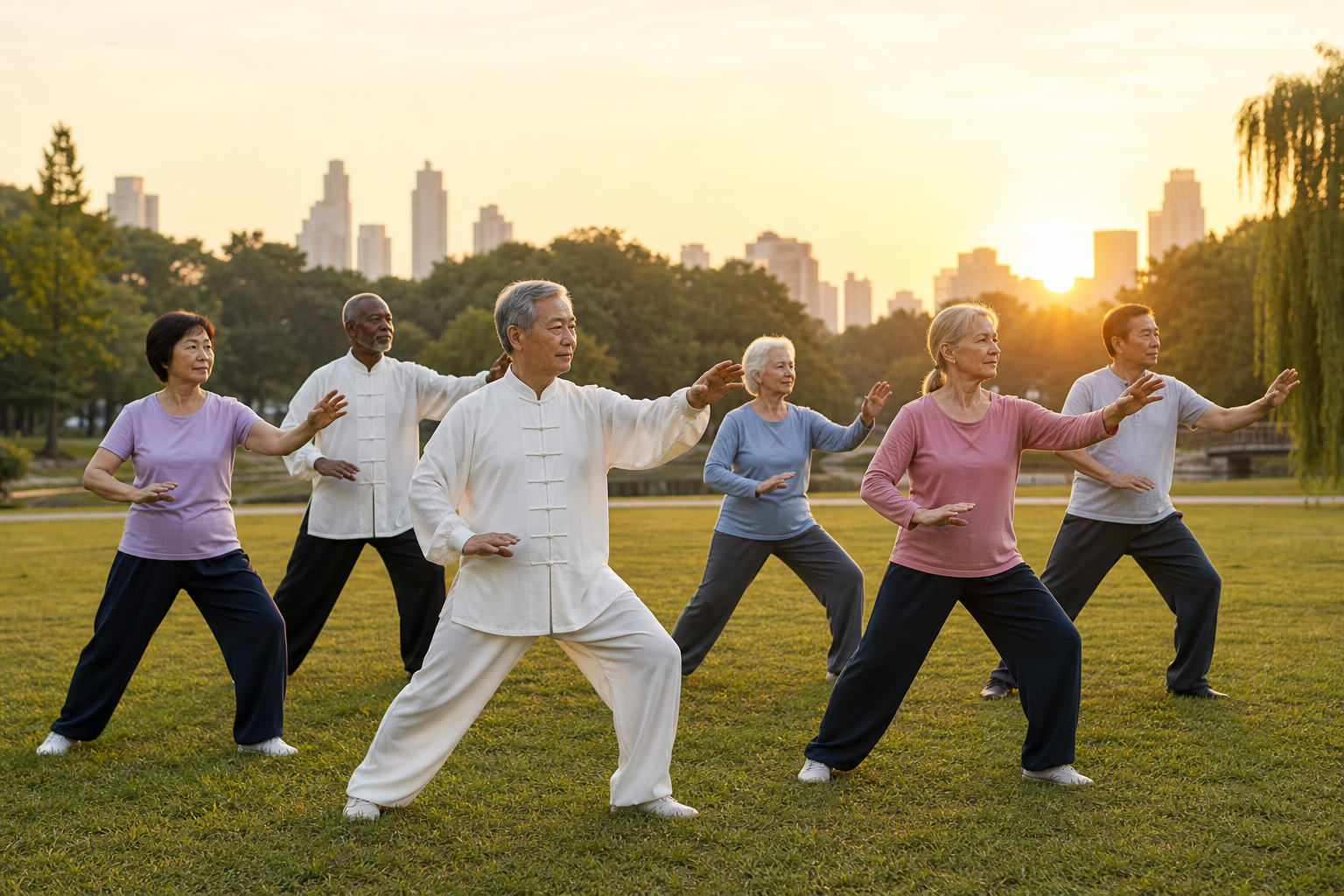
Tai chi shows up on all the "gentle exercise" lists, but those summaries miss the real story. This isn’t passive stretching. Tai chi is a series of slow, flowing movements (think: controlled lunges, soft knee bends, arm sweeps) performed in a set sequence. The magic is in the transitions—the constant shifting of weight from one leg to the other, demanding just enough muscle control and joint mobility to create change without overloading your body.
Here’s where it gets clinical. A 2016 review from Arthritis Care & Research found that twice-weekly tai chi improved pain and physical function in knee osteoarthritis patients as much as—sometimes more than—physical therapy. Yes, you read that right: ancient slow-motion exercise, same benefit as modern rehab, minus the gritted teeth.
But it’s not just about the knees. Research in the BMJ (2015) followed over 200 older adults and found that 12 weeks of tai chi reduced fall risk by 31%—not by building brute muscle strength, but by steadily improving proprioception (your body’s ability to sense position), joint stability, and reaction time. That’s huge. Especially when arthritic joints confuse those brain-body signals, making surprise stumbles more likely.
What Happens in Your Body During Tai Chi?
- Low-impact joint lubrication: Every bend and shift nudges synovial fluid (your joint’s natural oil) into action. My patients often report feeling "looser" after just a week or two.
- Calf and thigh muscle engagement: Even if you can’t do a full lunge, the small muscle contractions stabilize your legs and cushion the joints. The Journal of Rheumatology (2012) tracked measurable leg strength gains in older adults practicing tai chi.
- Core activation (without crunches): Tai chi’s slow turns recruit your abdominals and back muscles, which are essential for balance—especially if you have arthritic hips or spine.
- Gentle range-of-motion gains: Movements start small, so even folks with stiff joints can participate. Over time, your available motion improves, not from force, but from repetition and gentle stretch.
If you’re nodding along, you’re not alone. Many of my patients who can’t tolerate high-impact exercise find that tai chi leaves them less sore than even swimming or yoga. It’s the Goldilocks zone: challenging enough to build real function, gentle enough not to land you back on the ice pack.
What Does the Research Actually Say About Tai Chi for Arthritis?
Now, I’m the first to roll my eyes at wellness fads. (Don’t get me started on detox teas.) But tai chi’s evidence base is surprisingly strong. Here are the numbers that made me a believer:
- 2016 Harvard study: In knee osteoarthritis patients, tai chi reduced pain scores by 23% after 12 weeks. That’s on par with NSAID pain relievers—without the stomach upset. (Annals of Internal Medicine, 2016)
- Balance and fall reduction: Seniors who practiced tai chi had up to a 50% drop in falls, per a 2017 Journal of the American Geriatrics Society meta-analysis. That’s not a typo.
- Flexibility improvements: The BMJ review found significant increases in range of motion in hips, knees, and ankles after 8 weeks. (If you struggle with stairs or rising from a chair, this is key.)
- Mental health boost: Several studies link tai chi with lower anxiety and better sleep—important, since pain and stress run circles around each other.
Most articles won’t tell you this, but the real kicker is adherence. People actually stick with tai chi. More so than with stationary bikes or weights collecting dust in the garage. Community classes, gentle music, low risk of injury—it all adds up.
Can Tai Chi Replace Pain Meds or Physical Therapy?
Short answer: No, and no responsible expert should promise that. Tai chi is a tool—a potent one, but not a silver bullet. Most doctors (myself included) see the best results from combination therapy: tai chi plus targeted exercise, maybe medication, maybe a brace or topical relief. Use what helps. But here’s where tai chi shines: it’s accessible and works alongside other treatments, not in opposition.
One of my long-term patients—let’s call her Mary—paired tai chi classes with a knee brace and the occasional dab of Voltaren Arthritis Pain Gel. Her words, not mine: "It’s not a miracle—my knees still creak on rainy days—but I trust my legs again. I’m not afraid to stroll to the bakery." That’s the win I want for you.
Common Myths (And What I Tell Skeptical Folks)
- "It’s too slow to do anything." Actually, slow movement is harder for stability than fast movement—you have to control every wobble. That’s the point.
- "I’m not coordinated enough." If you can stand up and march in place, you can start. Good teachers break it down step by step. I’ve seen 80-year-olds with two left feet find their rhythm after a few tries.
- "It won’t help real pain." Science says otherwise. Multiple clinical trials show pain scores and function improve significantly, especially in the knees and hips.
How to Start Tai Chi for Arthritis and Balance—Even If You’re Stiff or Nervous
First, check with your doctor—especially if you have severe arthritis, advanced osteoporosis, or aren’t sure about your fall risk. Safety first, always.
Look, you don’t need silk pajamas or a sensei. Most communities (even small ones) offer beginner classes at YMCAs, senior centers, or physical therapy clinics. Even YouTube has reputable follow-along videos—search "tai chi for arthritis" or "Dr. Paul Lam’s Tai Chi for Health" for a clinician-approved start. Expect to feel silly at first. That’s okay. If you can only do five minutes, perfect. Consistency wins over heroic effort every time.
If standing is tough—say, you’re recovering from a flare or worried about your balance—I sometimes suggest using a sturdy chair for support. Practice weight shifts and upper body movements seated. Progress is progress.
My Favorite Tai Chi-Friendly Home Tools
- Supportive Footwear: Barefoot is best for feel, but if your arches need help, try a thin, flexible shoe. Avoid heavy sneakers with thick soles.
- Knee Support: For those with wobbly or painful knees, a device like the NEENCA Professional Knee Brace can stabilize without impeding movement. I’ve tested a dozen, and this one hits the sweet spot between support and flexibility. If you’re prone to meniscus twinges mid-exercise, don’t skip this step.
- Topical Relief: After class—or on those stubborn days—many patients swear by Voltaren Arthritis Pain Gel. It’s FDA-approved, non-greasy, and actually penetrates the joint (unlike menthol rubs). Studies show real effect within 7 days for osteoarthritis. I keep a tube at home and at work.
Tai Chi vs. Other Exercise: What’s Best for Arthritic Joints?
I get asked this every week: "Should I just walk instead? What about yoga?" Here’s my take, straight up.
- Walking: Great for cardiovascular health, but can irritate arthritic knees or hips if you’re starting from a place of pain. Pounding on pavement isn’t for everyone.
- Yoga: Excellent for flexibility, but some poses require deep knee bends or wrist strength. I love yoga, but it’s not as tailored for joint pain and balance as tai chi.
- Strength training: Vital for muscle support, but most arthritis patients need guidance to avoid overdoing it. Tai chi builds some strength but focuses on control and stability more than max power.
Tai chi sits in a unique spot: it addresses pain, flexibility, and balance simultaneously—without the risk of overuse injuries or intimidating gear. That’s why I recommend it as a foundation. Build from there as you progress.
Honest Limitations (Because No Intervention Is Perfect)
If you’re in a severe flare or have extremely limited mobility, tai chi may not be the starting point. That’s OK. Gentle range-of-motion moves—maybe even in bed—can be your first step. And while tai chi helps many people, it won’t rebuild worn cartilage. Think management, not miracle. There’s also a learning curve: it takes a few classes before the movements feel natural. If you’re someone who gets frustrated easily, practicing patience is part of the journey.
Simple Steps to Try Tai Chi at Home
- Find a safe, uncluttered space—preferably with a chair or wall nearby for support.
- Wear loose, comfy clothing and supportive shoes or grippy socks.
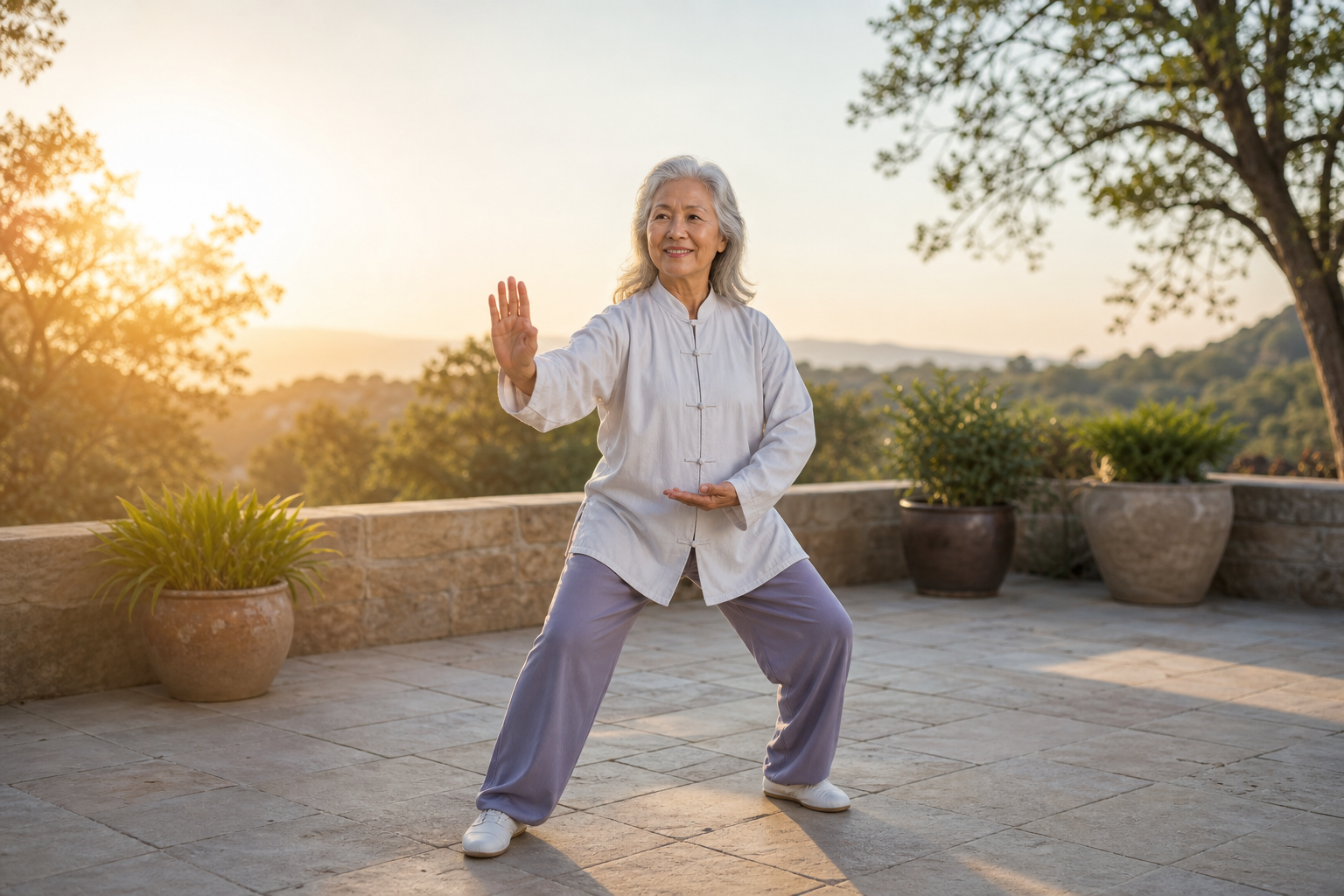
- Start with "weight shifting": Stand tall, gently transfer your weight from one foot to the other, keeping knees soft. (Sounds silly, but it’s the foundation for everything else.)
- Try simple arm flows: Raise arms slowly to shoulder height, then lower. Sync with breathing.
- Practice for 5-10 minutes a day, gradually increasing as you feel stronger. Mark your progress in a notebook—really, it helps motivation.
And if you ever feel sharp pain, dizziness, or new swelling, stop and check in with your doctor. Gentle doesn’t mean risk-free, and your safety always comes first.
Bonus Resource: My Go-To Book for At-Home Progress
I’d be remiss not to mention Treat Your Own Knees by Jim Johnson. It isn’t just stretches—it’s full of research-backed movement patterns (including tai chi-inspired routines) for anyone struggling with arthritis. I’ve recommended it to dozens of patients looking for something practical, affordable, and doable in small spaces. The drawings are easy to follow and, frankly, less intimidating than most exercise books out there.
Final Takeaways: What I Want You to Remember
If you’ve made it this far, you’re already ahead of the curve. Most people think tai chi is "just for relaxation." But for arthritis and balance—especially if you want more confidence moving through daily life—it’s a game-changer. The research is there, but the lived experience matters more. I’ve watched stubborn joint pain ease, stiff legs move more freely, and nervous walkers regain their stride. Is it magic? No. Is it worth trying, alongside medical treatment and tools that work for you? Absolutely.
And if arthritis flares or wobbly days get in your way, know that help comes in many packages. From a good knee brace to the right pain gel or a supportive guidebook, you’ve got options. Your first tai chi step doesn’t have to be perfect—just consistent.
If you ever have questions or want to share your own tai chi story, my inbox is always open. Keep moving, stay curious, and don’t let stiff joints write your story. You’re more resilient than you think.
— Linda Hargrove, RN
Registered Nurse & Joint Relief Columnist