Tai Chi Benefits for Arthritis and Balance: Why I Recommend It—Even If You’re Skeptical
I’ll never forget the first time I watched a group of older adults practicing tai chi at our community center. There was Marjorie (77, double knee replacement), moving slowly and deliberately, a calm smile on her face. Next to her, Jim (mid-60s, bad back, mild Parkinson’s), balancing with more confidence than I’d ever seen in my clinic. Honestly, I was a skeptic. Could these gentle, flowing movements really make a difference? Turns out, the science—and my own experience with patients—says yes.
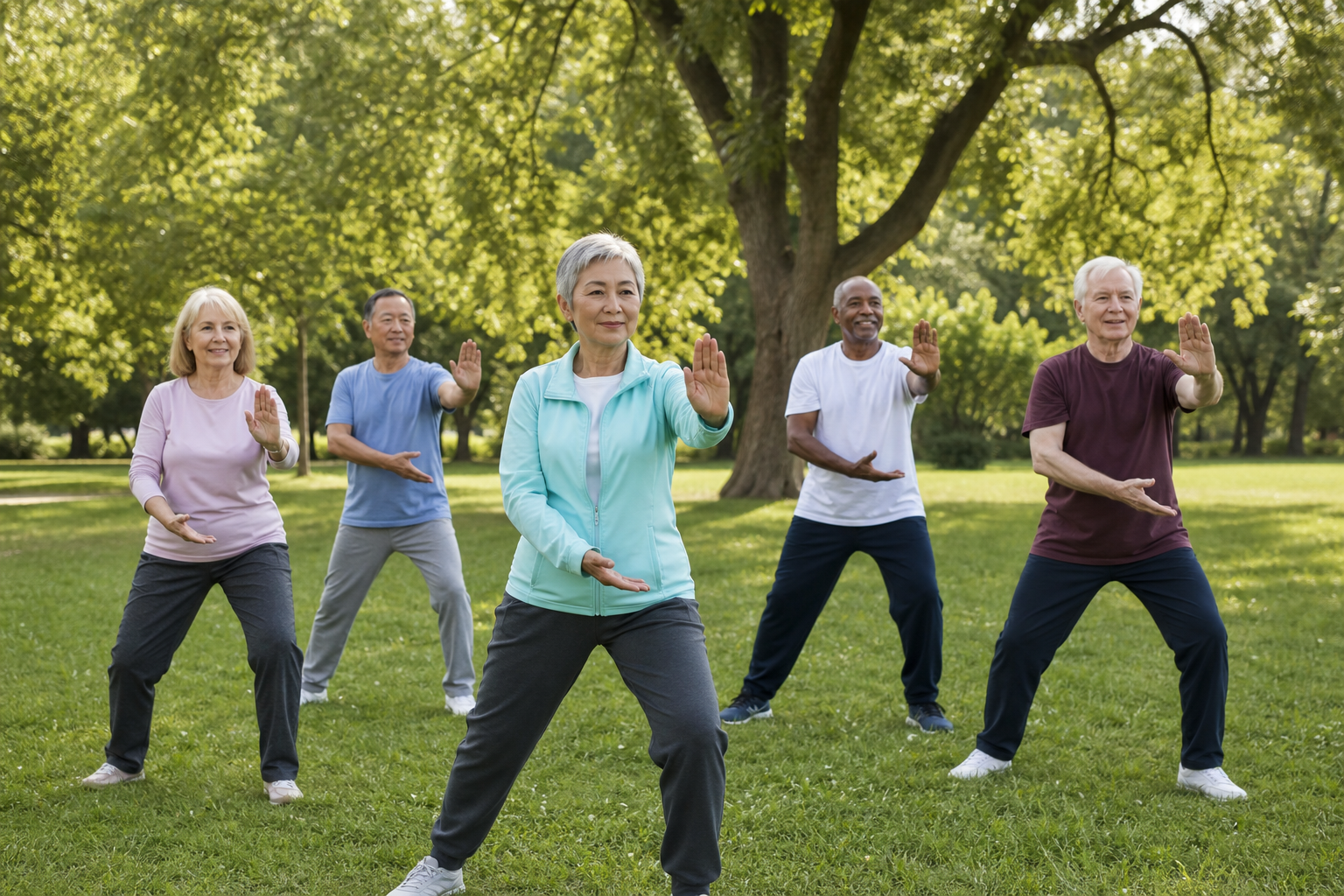
Arthritis and Balance: More Than Just Achy Joints
If you’ve got arthritis, you know the drill. Stiffness in the morning. A dull ache by lunchtime. Maybe it’s your knees, maybe your hips, maybe even your hands. And, if you’re like many of my patients, you’ve also started to notice something else: your balance isn’t what it used to be. Stairs feel steeper, curbs look taller, and sometimes you catch yourself wobbling for no reason. Sound familiar?
Here’s the thing: arthritis isn’t just about pain. It changes the way you move, the strength and stability in your joints, and yes—your confidence. The fear of falling is real, especially if you’ve already had a close call. I hear it in my office every single week.
Why Tai Chi? What the Research Actually Shows
I know some people think of tai chi as slow-motion exercise for retirees. But peel back the stereotypes for a minute. Researchers have been studying tai chi’s impact on arthritis and balance for decades, and the data is surprisingly robust.
- Arthritis Pain and Function: The big breakthrough study? 2010, New England Journal of Medicine. They tracked people with knee osteoarthritis for 12 weeks. Tai chi reduced pain scores by 40%, improved function, and even boosted mood. That’s not just a placebo bump.
- Balance and Fall Risk: BMJ published a meta-analysis in 2019 that still impresses me. Older adults doing tai chi saw up to 31% fewer falls over a year. That’s game-changing. No expensive equipment or risky side effects required.
- Mental Health Bonus: Arthritis isn’t just physical. One of my favorite studies (Journal of Rheumatology, 2016) found tai chi eased anxiety and depression—two common arthritis companions.
And there’s more. Tai chi improves proprioception (that “where-is-my-body-in-space?” sense), joint range of motion, and even immune system markers in people with inflammatory arthritis.
The Real-World Mechanisms: Why Tai Chi Actually Works
Here’s where it gets interesting. Tai chi isn’t magic. The benefits are rooted in simple, repeatable movements:
- Gentle, Weight-Bearing Motion: Each move gently loads your joints—stimulating cartilage health, without over-taxing inflamed tissue. For arthritis, that’s vital.
- Muscle Strengthening: You’re using your quads, glutes, calves, and core with every slow transition. Over time, this builds the support system your joints are craving.
- Neuromuscular Training: The balance challenge isn’t just “standing on one leg” — it’s coordinated stepping, shifting, and mindful movement. Your nervous system learns (or relearns) how to react to instability.
- Mind-Body Connection: There’s real science behind the meditative aspect. It lowers cortisol. It retrains the nervous system to interpret pain signals differently. That’s not just woo-woo; it’s neuroplasticity in action.
I remember one patient—a retired teacher with moderate hip arthritis—telling me, “Tai chi gave me my confidence back on the stairs.” Not pain-free, but functional. That’s the kind of victory the research often misses.
Is Tai Chi for Everyone with Arthritis? (Let’s Be Honest)
I’m not going to sugarcoat it. Tai chi is safe for most people, but not perfect for everyone. If you’ve got advanced joint damage, severe instability, or uncontrolled heart conditions, talk to your doctor first. And if you’ve had a recent joint replacement, you’ll need specific guidance from your ortho or PT before starting any new movement routine.
But for the vast majority? Tai chi’s low-impact nature makes it one of the safest group fitness options I’ve seen for folks with arthritis or balance concerns.
How to Start: My Realistic Tai Chi Roadmap
If you’re nodding along, you might be wondering: how do you actually get started? Here’s what I’ve seen work for real people (and what often trips them up):
1. Find a Quality Beginner’s Class
Look—YouTube is fine for inspiration. But the best results happen in live classes, where a certified instructor can correct your form. Many local YMCAs, rec centers, and arthritis foundations now offer beginner tai chi classes. If in-person isn’t possible, look for virtual classes from instructors certified by organizations like the Tai Chi for Health Institute.
Don’t let “advanced” classes (or hyper-flexible participants) intimidate you. Start slow. Good instructors will adapt movements for knee, hip, or shoulder pain.
2. Dress (and Prep) for Success
- Wear loose, comfortable clothes and shoes with good grip—but not so much traction that you can’t pivot.
- Clear your space. Even a living room will do, but remove rugs or furniture you might trip on.
- Hydrate! It may not feel like “real exercise,” but you’ll be surprised how much you move.
3. Set Realistic Expectations
This isn’t a “sweat now, pain gone tomorrow” solution. Most research shows it takes 6-12 weeks (2-3 sessions a week) to see noticeable improvements in arthritis symptoms or balance. Write it down. Track how you feel week-to-week, not just day-to-day.
If you’re also dealing with knee instability or ongoing pain flares, some of my patients have found that using an external support, like the NEENCA Professional Knee Brace, gives them the confidence to participate more fully, especially in the early weeks. (Not for everyone, of course, but if your knees feel wobbly, it’s worth a look.)
4. Combine Tai Chi with Other Smart Strategies
Here’s my not-so-secret formula for better results:
- Movement Variety: Mix in short walks or aquatic exercise on your off days.
- Pain Relief Tools: If pain is getting in the way, I often recommend topical options like Voltaren Arthritis Pain Gel (diclofenac gel, FDA-approved for arthritis). It can help take the edge off without relying on oral NSAIDs, especially before a class.
- Home Exercise Guidance: For those who want structure but aren’t ready for group classes, the book Treat Your Own Knees offers gentle, research-backed routines that dovetail well with tai chi, focusing on strength and flexibility.
Important: Don’t skip talking to your doctor or physical therapist before adding something new—especially if you’re on blood thinners, have balance problems with frequent falls, or have cardiovascular risks. Individual advice always trumps articles (even mine).
What About the “Alternative” Angle? The Debate Among Experts
I’ll be honest—I know some rheumatologists who still dismiss tai chi as “light stretching with fancy names.” I disagree, and so do a growing number of my colleagues in physical rehab. The quality of evidence in the last decade (especially for balance and fall prevention) is better than for most supplements or gadgets I see advertised.
That said, tai chi isn’t a cure. It’s not going to reverse advanced joint deterioration, and if you’re expecting to toss your cane in a month, you’ll probably be disappointed. But if you’re after less stiffness, fewer stumbles, and more confidence moving through your day? You could do a lot worse.
What Patients Actually Report (and What to Expect)
- "I can stand longer at my kitchen counter."
- "My knees don’t feel so tight in the morning."
- "I don’t panic on uneven sidewalks anymore."
- "I sleep better after class."
Not every story is a miracle, but these are genuine improvements. Most people aren’t aiming for perfection. They want small, sustainable wins—and tai chi seems to deliver those, even (or especially) for people with chronic arthritis.
The Details That Matter: Frequency, Duration, and Styles
Here’s something most articles won’t tell you: which style of tai chi matters less than how often and how consistently you practice. The most studied sequence for arthritis is the "Sun style," which features higher stances and less demanding knee flexion—perfect for those with joint pain.
- Frequency: Aim for at least two sessions a week (30-45 minutes each) to see real results. Three is even better, but don’t burn out.
- Intensity: Stay within a “gentle challenge” zone. If your pain increases by more than 2 points (on a 1-10 scale) the next day, scale back and talk to your instructor.
- Modifications: Sit for some movements if needed. Nearly all reputable programs teach chair-based adaptations.
And don’t feel guilty for combining tai chi with traditional treatments—meds, PT, bracing. The smartest arthritis management usually blends multiple tools, not just one silver bullet.
Takeaways: Practical Wins for Stiff Joints and Wobbly Balance
- Tai chi offers real, research-backed improvements in arthritis pain, joint function, and balance.
- It’s safest for most people—but get individual clearance if you have severe instability, recent surgery, or major health conditions.
- Expect gradual results over 2-3 months. Consistency wins.
- Support tools like the NEENCA Professional Knee Brace or topical products like Voltaren Arthritis Pain Gel can make practicing easier—especially early on.
- Don’t go it alone. Group classes (live or virtual) are motivating, safer, and just plain more fun.
I’ve seen tai chi give folks with arthritis a sense of control—and dignity—that pills and injections rarely deliver. Not everyone sticks with it, but those who do rarely regret it.
Give It a Shot—On Your Own Terms
If you’re still on the fence, no hard sell here. Try a class, watch a few videos, or chat with someone who’s walked this path. Your joints might just thank you for it next month and next year.
About the Author: Dr. Michael Torres, DC is a licensed chiropractor and certified nutrition counselor with over a decade of experience in musculoskeletal health and natural pain management. He’s reviewed and tested dozens of mobility solutions for JointReliefReviews.com—and still gets schooled by his 80-year-old tai chi instructor every Saturday.