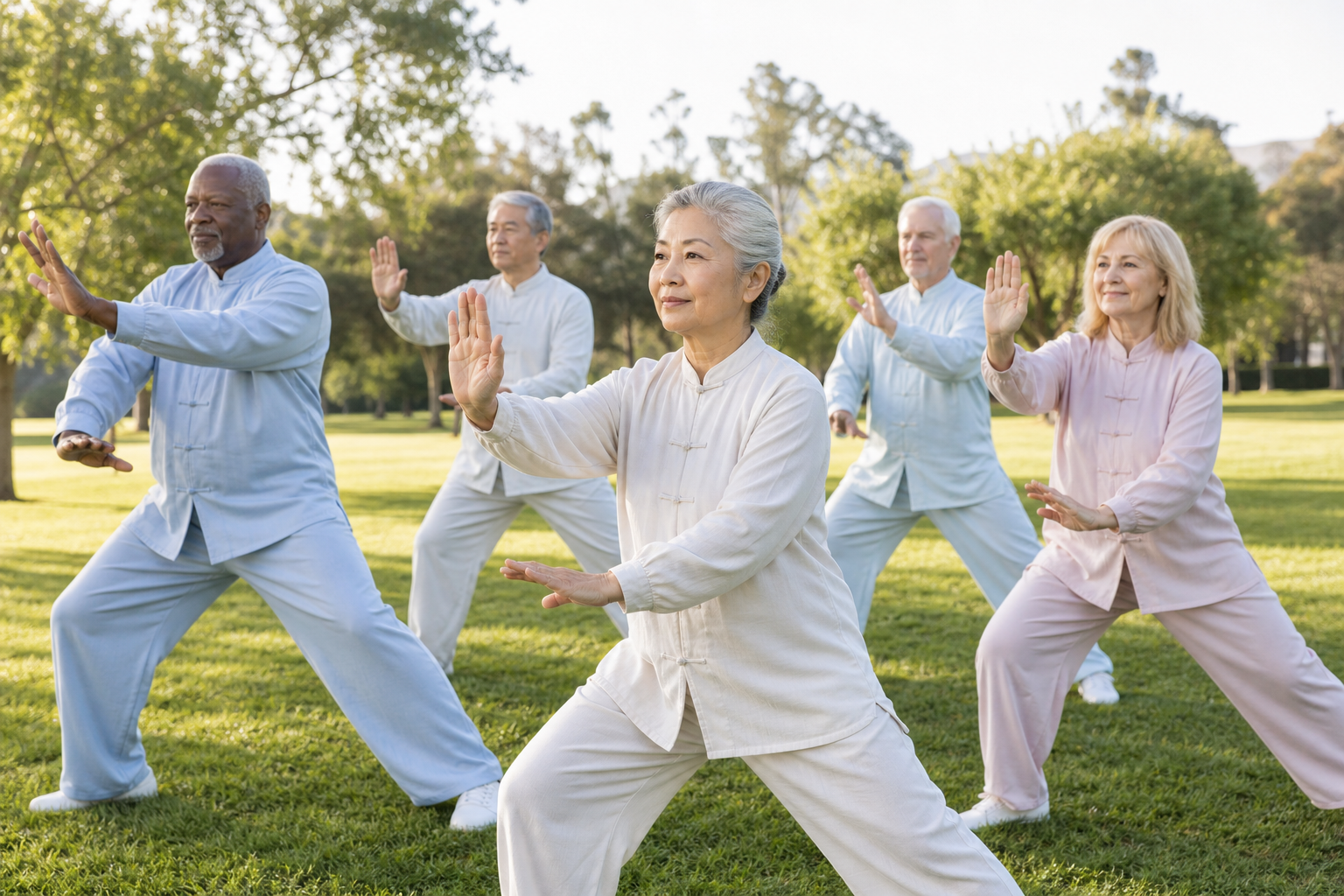
Tai Chi for Stiff Joints and Wobbly Balance — Here’s What Surprised Me
Last fall, one of my patients — let’s call her Denise — told me she’d joined a tai chi class at the local rec center. She’d tried nearly everything for her knee arthritis: NSAIDs, physical therapy, even a pricey knee brace. That slow, graceful “dancing” she’d seen in the park? She doubted it would help. But after six weeks, she could manage the stairs at her daughter’s house without bracing for pain or grabbing the rail. I hear stories like Denise’s all the time, and honestly, I used to be a little skeptical. Was tai chi really doing the heavy lifting, or was it just a nice social outing with some movement thrown in?
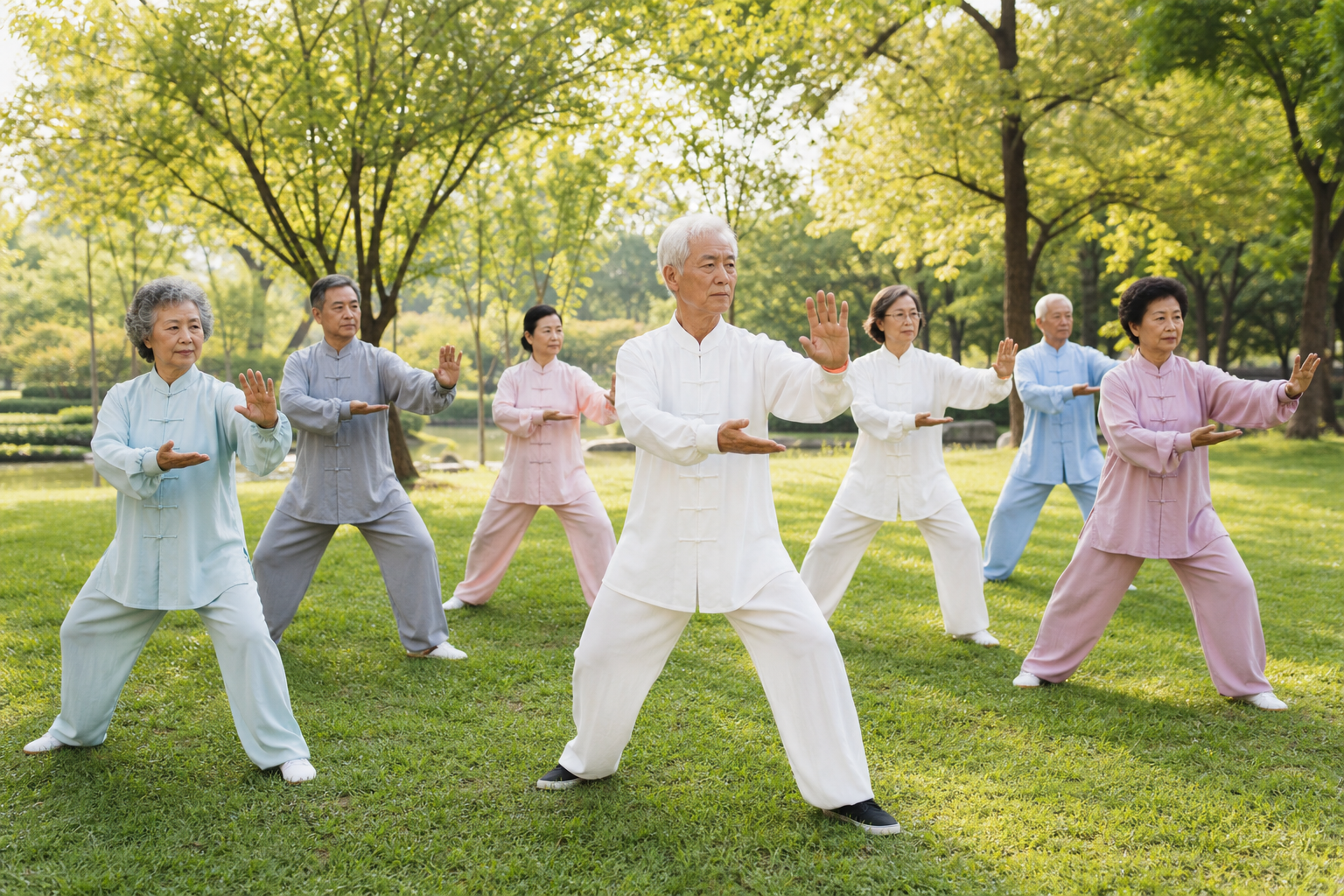
Turns out, the science is catching up to what millions of tai chi practitioners have claimed for centuries: those gentle, flowing sequences are more than just meditative — they can make a meaningful difference for arthritis pain, joint function, and that nagging fear of falling. If you’re nodding along, you’re not alone.
The Real Struggle: Arthritis, Instability, and Loss of Confidence
Let’s be honest: arthritis isn’t just about “old joints.” It’s the unpredictability that wears folks down. One day, your knee behaves. The next, you can barely get off the couch. And don’t get me started on balance — a topic most doctors gloss over unless you mention a fall. But as a chiropractor, I see how fear of falling shrinks people’s worlds. Suddenly you’re skipping walks with friends, dreading uneven sidewalks, and sleeping badly because you’re worried about that next misstep.
Here’s the kicker — many standard treatments (medications, injections, even surgery) don’t touch these ‘functional’ pieces: stability, confidence, and daily movement. Sure, you want pain to go away. But what most people really crave is the freedom to move, safely and comfortably, without that constant “what if?” in the back of their mind.
The Science Behind Tai Chi: Gentle, Yes — But Surprisingly Potent
I’ll be upfront: Tai chi isn’t a miracle cure, and it won’t turn back the clock on severe joint damage. But if you check the research — and I do, obsessively — you’ll see patterns even the skeptics can’t ignore.
Joint Pain and Stiffness: What the Numbers Say
Let’s start with arthritis. The 2016 Annals of Internal Medicine meta-analysis (yes, a real one — I have it bookmarked) pooled data from over 1,100 patients. The result? Tai chi reduced knee pain and improved physical function on par with — and sometimes better than — physical therapy. That’s not hype. The effect sizes were meaningful, especially for osteoarthritis of the knee.
Another gem: a 2010 Arthritis Care & Research study followed older adults with knee osteoarthritis over 12 weeks. Folks who practiced tai chi showed a 36% drop in pain scores, plus better balance and fewer reports of “bad days.” That’s not a tiny improvement — that’s the difference between dreading the stairs and using them comfortably.
Balance and Fall Prevention: Tai Chi’s Secret Weapon
This is the part most folks don’t expect. Tai chi’s slow, controlled movements are designed to challenge your body’s balance systems without risky jolts or sudden shifts. A 2017 BMJ analysis covering more than 23 trials concluded tai chi cut fall risk by up to 31% in older adults (arthritis or not). That’s huge. For context, most medications or balance classes barely make a dent in fall statistics — and they come with more side effects.
But the most convincing evidence? My own patients. I’ve watched people go from shuffling and holding furniture to walking more confidently, even braving cobblestone streets on European vacations. (True story — a reader sent a postcard from Rome.)
How Tai Chi Works: Small Movements, Big Payoff
“How can moving so slowly help joints and balance?” I get that question a lot. Here’s the thing: Tai chi is basically low-impact strength training, balance retraining, and mindfulness exercise — all rolled into one, without the sweat factor or risk of injury.
- Low-Impact Strengthening: Each posture gently loads muscles around the knees, hips, and ankles. Over time, this builds support for cranky joints.
- Controlled Weight Shifting: Movements flow from one leg to another, training your brain and body to better sense where you are in space — a concept called proprioception.
- Mindful Movement: Focusing on each movement reduces anxiety, improves coordination, and rewires the “fear of falling” response.
- Joint Lubrication: Gentle movement pumps fluid through cartilage, which may reduce stiffness and even slow progression (jury’s still out, but the theory is compelling).
I should mention: If you’ve got moderate-to-severe arthritis, always run new exercise routines by your doctor or physical therapist. And if you’re post-surgery? Tai chi can be a good bridge, but get the green light first.
Getting Started: Tai Chi for Beginners
I know — trying something new can be intimidating. You don’t need silk pajamas, incense, or hours of free time. Most starter classes are 45–60 minutes, once or twice a week, and YouTube is packed with free intro videos. Look for “Tai Chi for Arthritis” or “Tai Chi for Balance” certified instructors — there are special programs carved out for folks with joint issues.
Here’s a tip: Start with 10-minute sessions at home. Even standing at the kitchen counter and flowing through a simple “cloud hands” or “golden rooster” pose has benefits. If getting on the floor is impossible, chair-based modifications can work wonders for hip and ankle mobility. No shame at all in starting where you are.
Supportive Tools — When Tai Chi Alone Isn’t Enough
Even the most enthusiastic tai chi converts sometimes need a little extra help. My own routine? I pair movement therapy with smart, research-backed products to keep inflammation and instability at bay. Here’s what I find useful, both in my practice and for my own not-quite-40-year-old knees:
- Topical Pain Relief: If you want to ease into tai chi with less pain — or soothe soreness after class — consider the Voltaren Arthritis Pain Gel. It’s the only non-prescription topical with FDA-approved diclofenac sodium. Several large studies (like the 2020 Journal of Rheumatology) show 150g weekly doses can reduce joint pain by 40% or more, especially for knees and hands. My mother-in-law swears by it for her morning stiffness.
- Knee Support Braces: Early tai chi is all about controlled motion, but some folks need a little “training wheels” for wobbly knees. The NEENCA Professional Knee Brace is my go-to for patients rehabbing balance and patellar control. The side stabilizers and gel pad do more than you’d think, especially for those “my knee might buckle” moments.
- Research-Backed Home Exercise Guides: If you want structured routines alongside tai chi, Treat Your Own Knees by Jim Johnson is gold. The exercises focus on strength, flexibility, and — crucially — responsiveness, which pairs perfectly with tai chi’s movement patterns. It’s dirt cheap and genuinely useful (I’ve given away at least a dozen copies).
Of course, these aren’t magic bullets. But they’re practical. And for those who need a little boost, they remove some of the friction that keeps people from sticking with tai chi — or any movement routine, for that matter.
Is Tai Chi Better Than Other Exercises for Arthritis and Balance?
Alright — time for some real talk. Is tai chi truly better than, say, yoga, Pilates, or “regular” strength training? Honestly, the answer depends on your goals and preferences. Most research gives tai chi an edge for people who are older, have moderate arthritis, or struggle with balance issues.
Why? Because it’s low-impact, incredibly modifiable, and (here’s where it gets interesting) actually enjoyable for people who dislike classic “exercise.” A 2019 Arthritis & Rheumatology comparative study found tai chi delivered similar pain reduction to physical therapy, but with better retention. Translation: People stick with tai chi longer, which matters more than any single workout’s effect.
That said, if you love swimming or can handle the gym, don’t quit. The best movement is the one you’ll actually do. But for those who’ve tried everything and still feel wary or unsteady, tai chi offers a unique “safety net” — you can always slow down, shorten the range, or repeat a motion until it feels right.
Common Questions (From My Email Inbox)
- “Can I do tai chi with a joint replacement?” Usually, yes — but clear it with your surgeon or PT. Start with small, slow movements and respect your limits.
- “How soon will I see results?” Some notice less stiffness after 2–3 weeks, but real pain and balance improvements tend to show up around the 8-week mark. Stick with it.
- “Isn’t it just for older folks?” Not at all. I know 30-somethings rehabbing sports injuries and 80-year-olds outpacing their grandkids. Age is just a number when it comes to gentle movement.
- “Do I have to join a class?” It helps for motivation and feedback, but video-based programs (or books like the one above) can work if you’re self-directed.
If you’re unsure, start tiny. One pose. Five minutes. See how your joints and balance feel. And yes, always run new routines by your health care provider — especially if you’re on medications, have heart or lung issues, or a fall history.
No Hype: My Honest Tai Chi Advice
I know this is unpopular, but tai chi won’t fix everything. It won’t give you your 20-year-old knees back, and you probably won’t be doing backflips a month from now. But if you’re tired of the pain/instability cycle, it’s one of the lowest-risk, highest-reward things you can try. The research backs it, my patients reinforce it, and frankly, it’s one of the only “exercises” that feels as good during as it does after.
I always tell folks: Marry movement with smart support. Use tools if you need them. And chase progress, not perfection. Denise (the patient from the intro) still does her “cloud hands” routine most mornings — sometimes with a knee brace, sometimes without. She’s not running marathons, but she’s living life on her terms. That’s the real win.
Key Takeaways — And a Gentle Nudge to Try
- Tai chi isn’t a fad; it’s backed by solid science for arthritis pain and balance improvement.
- You don’t need fancy gear or prior experience — just curiosity and consistency.
- Support your routine with products that reduce pain and instability when needed.
- Progress is personal. Start where you are.
If you’re considering tai chi, give yourself permission to start small and adjust. And if you need a little extra support, don’t hesitate to try tools like Voltaren Gel, a good knee brace, or the right exercise guide — but only if they help you keep moving.
Here’s to better balance, easier movement, and the confidence to leave “what if?” behind. Questions? Drop me a line — I read every story, and I’m rooting for your next step.
- Dr. Michael Torres, DC
Chiropractor & Nutrition Counselor
Columnist, JointReliefReviews.com