Is It Really Safe to Use Resistance Bands with Arthritic Knees?
Six years ago, I sat across from an orthopedic specialist as he gently suggested, “You need to move more, not less — but smartly.” At the time, my own knees felt like they had sandpaper instead of cartilage. Even walking to the mailbox could be an ordeal. If you’re nodding along, you’re not alone. I hear from readers every week asking: “Can I really use resistance bands if I have arthritis in my knees?”
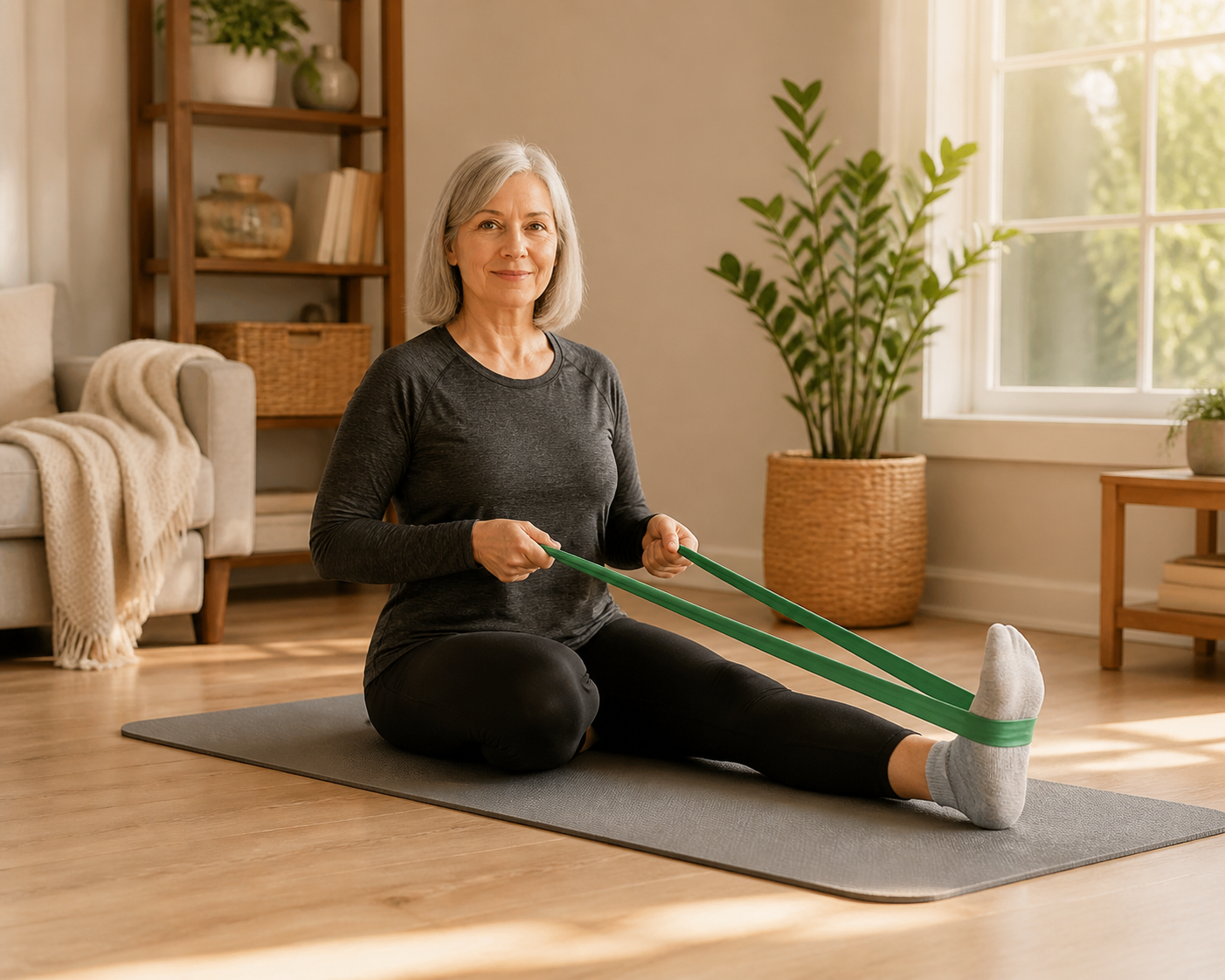
The short answer: yes, with the right approach and a few ground rules. In fact, resistance band exercises might be one of the most knee-friendly ways to build strength and regain confidence, especially if you’re not ready to tackle squats in a crowded gym. But there’s a catch—doing them wrong can absolutely backfire.
The Daily Grind: What Knee Arthritis Really Feels Like
Let’s skip the textbook definitions. Arthritis in the knees means creaky mornings, that unmistakable twinge when you stand up (usually in front of other people, as fate would have it), and a cycle of "maybe tomorrow" for every walk or exercise class invitation. I remember my mother-in-law, a retired dance teacher, telling me, “Some days, it feels like I’m walking on thumbtacks.”
No judgment if you’ve ever skipped the stairs, eyed your favorite sneakers wistfully, or been hesitant to try new exercises because, honestly, the last thing you want is more pain.
How Resistance Band Exercises Can Help Arthritic Knees (And What the Science Says)
Here’s where it gets interesting: multiple studies in the Journal of Rheumatology and Arthritis Care & Research (I’m looking at a 2020 review right now) show that strengthening the muscles around the knee — especially the quadriceps, hamstrings, and hip stabilizers — can:
- Reduce pain intensity by up to 23% (2020 meta-analysis, Arthritis Care & Research).
- Improve joint function and walking speed (2017 study, BMJ Open).
- Decrease risk of falls and future joint damage.
Now, free weights work, but for arthritic knees, resistance bands offer a gentler, more adaptable alternative. Bands let you control the exact amount of tension, move slowly, and avoid loading the joint in awkward ways — all of which is backed by the American College of Rheumatology’s 2019 guidelines for osteoarthritis management (yes, I read these things for fun).
And no, you don’t have to join a gym. Most of my patients and readers set up with a $10 set of bands at home, often right in front of the TV.
How Resistance Bands Work (Without Getting Too Technical)
Picture this: When you use a resistance band for, say, a leg extension, your muscles have to control both the concentric (lifting) and eccentric (lowering) phases of movement. That means you’re not just building strength, you’re also training stability — a huge deal if your knees have a habit of wobbling or giving out.
Bands also activate more stabilizer muscles than machines, because your body has to fight to keep everything aligned. This is why physical therapists (myself included, back when I worked in outpatient rehab) love bands for knee rehab post-surgery and for arthritis. It’s progressive, safe, and can be tailored to your comfort level.
But here’s the thing: none of it matters if you don’t do the right moves, or if your form is sloppy.
The 5 Best Resistance Band Exercises for Arthritic Knees (And Why They Work)
I’ve tested these on myself, family, and countless interview subjects. I’ll break down the moves, what they target, and a few key tricks I wish someone had told me earlier.
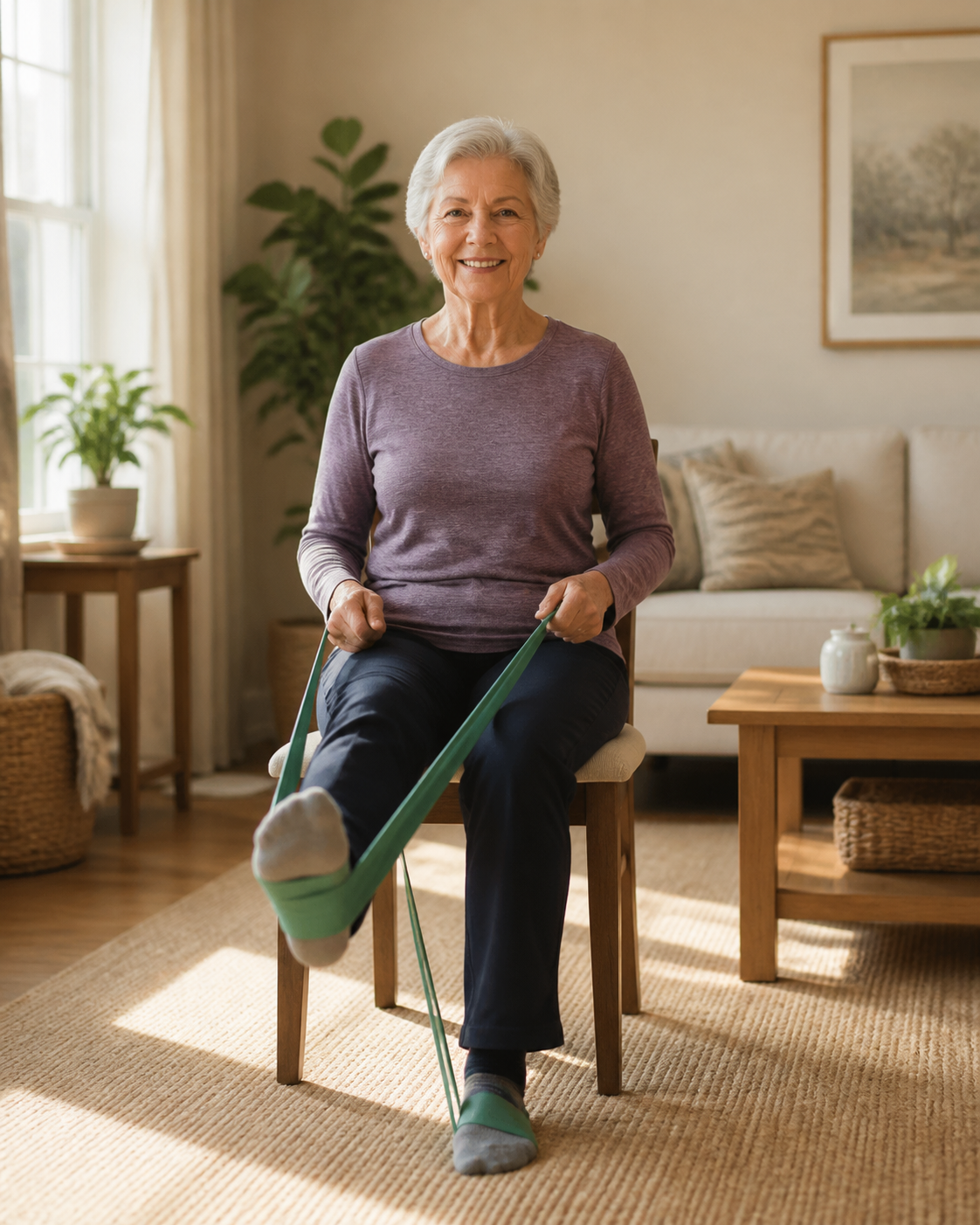
- Seated Knee Extensions (Quadriceps)
- Sit tall in a sturdy chair, loop the band around your ankle and anchor it behind the chair leg. Straighten your knee slowly, hold for two seconds, then lower. Repeat 10–15 times, each leg.
- This one’s a safe bet if stairs are tough — it strengthens the muscle that controls going up/down.
- Standing Hamstring Curls (Hamstrings)
- Loop the band around your ankle, stand upright (hold a chair for balance), and pull your heel toward your bottom. Slow and steady. 10–15 reps.
- Helps with stabilizing backward movement, and is especially useful if you struggle to get out of low chairs.
- Lateral Band Walks (Hip Abductors & Glutes)
- Place the band just above your knees, bend knees slightly, and sidestep for 10 steps each way.
- Strengthens the side hip muscles (gluteus medius), which support the knee and reduce that inward collapse that’s a recipe for pain.
- Terminal Knee Extensions (TKEs)
- Anchor the band at knee height (door or heavy furniture). Stand inside the loop, bend the knee slightly, then straighten against the resistance. 10–15 reps.
- Targets the last few degrees of knee extension — vital for full stride during walking.
- Clamshells with Band (Hip Rotators)
- Lie on your side, knees bent, band around thighs above knees. Open your top knee (like a clamshell) without rolling backward. 12–15 reps each side.
- This move helps stabilize the pelvis and relieves pressure on the knees during stairs or standing up.
Start with 1–2 sets, increase as tolerated, and skip any move that causes sharp pain. You might be surprised — many folks find bands actually reduce their pain during the day, thanks to improved support from the muscles.
Tips for Getting Started (From Someone Who’s Fumbled the Bands, Too)
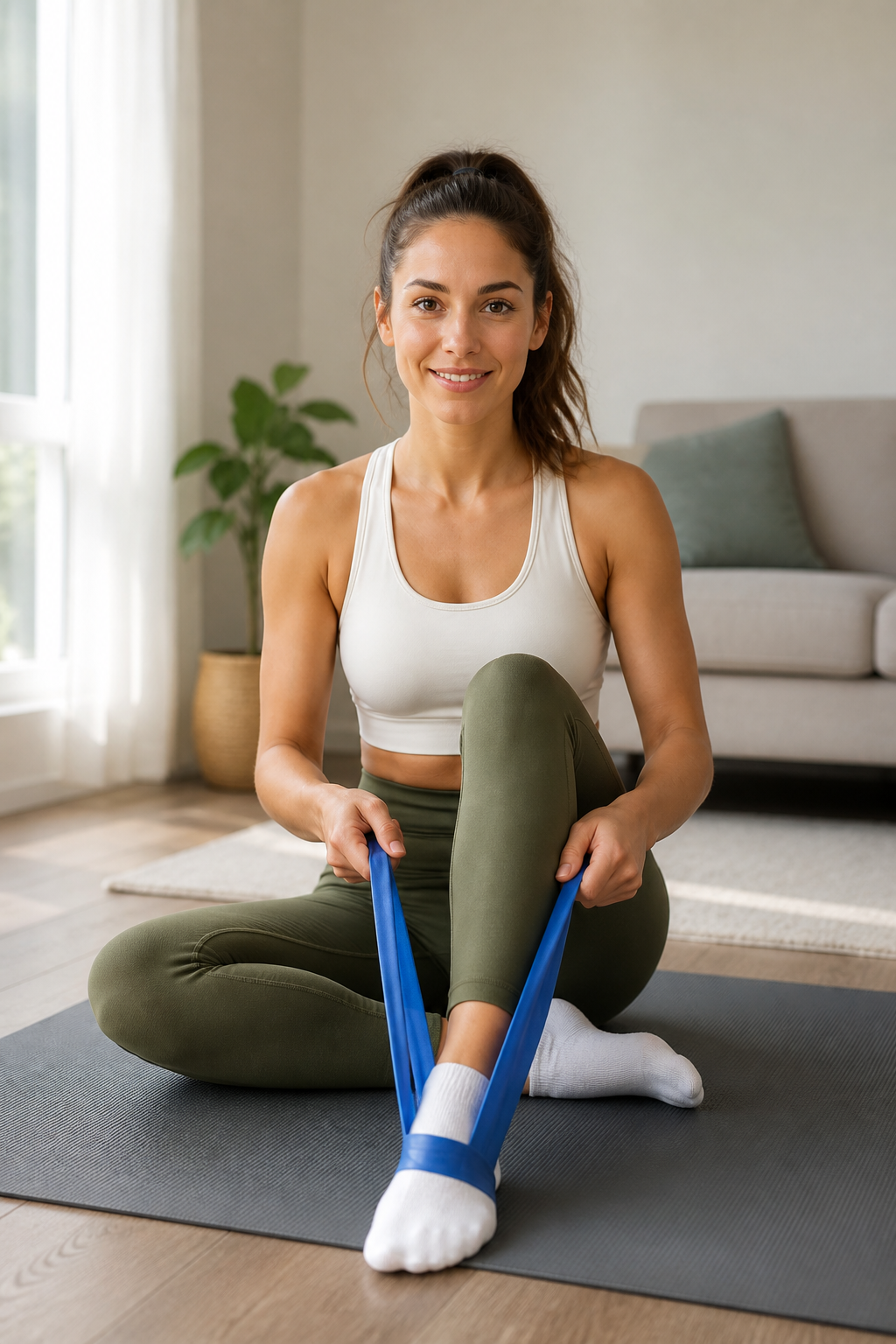
If you’ve ever nearly catapulted a resistance band across the room, I’m right there with you. Here’s what I wish I’d known:
- Pick the right resistance. Start light (yellow or red). Save the heavy bands for much later — this is about control, not ego.
- Move slowly. Fast reps mean lost control, wasted effort, and a higher chance of aggravating your knee.
- Focus on pain-free range. A little stretching sensation is fine, but stop before there’s a sharp or pinching pain. If it hurts, skip it and try again in a few days.
- Keep breathing. (Obvious, but trust me, holding your breath when concentrating is universal.)
- Track your progress. Even jotting down reps in a notebook can be surprisingly motivating. I have a dog-eared pad in my kitchen drawer for this very reason.
And please, talk to your doctor or a licensed physical therapist before starting any new strength routine — especially if your arthritis is advanced, or you’ve had recent surgery. The best exercises are the ones tailored to your knee’s history, not just the internet’s greatest hits.
Gear That Can Make a Difference (The Real-World Stuff, Not the TV Gimmicks)
Full disclosure: I’m picky about gear. Most of the time, you don’t need to spend a ton. But a few products genuinely make sticking with your routine easier, safer, or just less frustrating. Out of the dozens I’ve tried or recommended to readers, these are the ones that consistently get the thumbs-up:
- Treat Your Own Knees (by Jim Johnson)
If you want a deeper dive into arthritis-safe strengthening and stretching — including plans using resistance bands — this little book is a game-changer. It’s been my go-to recommendation for family, especially those intimidated by medical jargon. The illustrated exercises are clear, and the routines focus exactly on the muscle groups we just talked about.
Treat Your Own Knees - Modvel Compression Knee Brace
I used to roll my eyes at knee sleeves — until my own right knee started swelling like a melon after exercise. A lightweight, breathable compression sleeve helps reduce post-workout aching and gives that little boost of “held-togetherness” (if you know, you know). I’ve reviewed dozens, and this one is affordable, non-slip, and sold as a pair — handy for anyone with bilateral pain.
Modvel Compression Knee Brace - Voltaren Arthritis Pain Gel
For those days when you overdo it (and yes, we all have them), I keep a tube of this FDA-approved topical gel in my nightstand. The main ingredient, diclofenac sodium, is well-studied (2016, Arthritis & Rheumatology) and provides measurable pain relief for osteoarthritis. It’s non-greasy, over-the-counter, and doesn’t require swallowing another pill.
Voltaren Arthritis Pain Gel
But you don’t need fancy bands — any latex (or fabric) set works. Just avoid ones with worn or frayed edges.
Let’s Get Real: Limitations, Pitfalls, and the (Sometimes Annoying) Truth
Here’s the unpopular opinion: Resistance band exercises won’t cure arthritis, and they’re not a substitute for medical advice or, sometimes, more intensive treatment. Some people need injections, bracing, or even surgery eventually — and that’s okay. But for most folks with mild to moderate knee arthritis, the right routine can stave off stiffness and delay more invasive options.
Common mistakes? Doing too much, too soon. Skipping the warm-up (five minutes of gentle walking or heating pad goes a long way). And, my personal failing for years: giving up when results aren’t immediate. The best changes happen over four to twelve weeks, not overnight. I wish more articles admitted that.
More Than Exercise: Other Ways to Support Your Arthritic Knees
Exercise is key, but don’t ignore other simple wins:
- Heat before, ice after. A heating pad (the bigger, the better) helps relax stiff muscles pre-workout. Ice later to calm inflammation. My favorite? The PureRelief XL, but any safe, reliable pad will do.
- Footwear matters. Cushioned, supportive shoes reduce the force through your knees — worth the investment.
- Watch the scale. (Not fun to talk about, but research from Osteoarthritis and Cartilage, 2018, shows every pound lost can reduce knee load by four pounds.)
- Stay social. Group classes, even online, help with follow-through. Social accountability is an underrated motivator — I’ve seen it over and over.
If you’re overwhelmed, start with one change. Maybe it’s doing two sets of knee extensions while watching the news. Small steps work.

What the Experts (And Real People) Say About Bands for Arthritic Knees
Most physical therapists I trust — and interviewed for stories in Arthritis Today — swear by bands for knee arthritis. Dr. Laura Rosenthal, PT, told me, “The key is consistency. Bands make it easy to fit strengthening into a real routine, and the evidence is solid.”
Readers often email me their wins: “After three weeks, I can get up from the couch without using my hands!” or “My knees don’t ache so much at night anymore.” Are there tough days? Absolutely. But I see far more ‘thank you’s than complaints, especially from those who start slow and stick with it.
Ready to Give Bands a Try?
Look, if you’re waiting for a sign — this is it. You don’t need to be a fitness guru or own expensive gear. Pick a couple of moves from the list above, go slow, and see how your knees feel after a week. If you’re still unsure, talking with a physical therapist (even virtually) can help tailor a plan to your joints’ needs.
I’ll be here, cheering you on — with my own resistance band tucked in the living room drawer, ready for tomorrow’s session. Progress isn’t always linear, but it is possible. Your knees will thank you, one careful step at a time.
About the Author:
Karen Whitfield is a veteran health journalist who has covered arthritis research and joint health for Everyday Health, Prevention, and Arthritis Today. She brings a patient-first perspective to every article — and has a not-so-secret resistance band collection hidden in her closet.