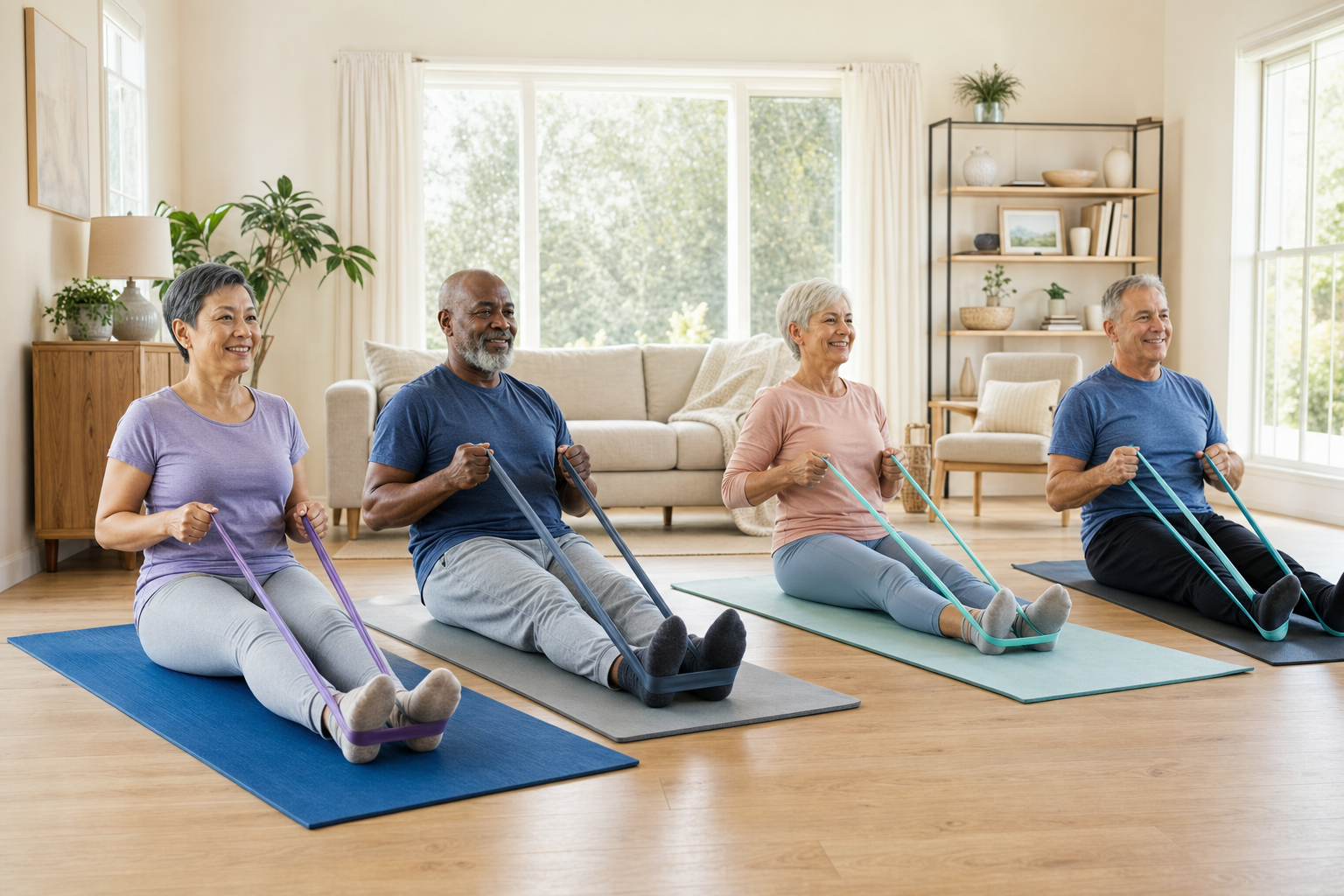
Can Resistance Band Exercises Really Help Arthritic Knees?
I’ll never forget the day my neighbor Ellen called me— nearly in tears after her third round of cortisone shots, wondering if she was doomed to slow walks and ice packs forever. She’d been told to “keep moving,” but no one told her how or what actually works for knees that creak and throb on the regular. Here’s the thing: Not all exercise is created equal when it comes to arthritic knees. Some can make things worse. But (and this is a big but!) resistance band exercises, when done right, are one of my favorite go-tos for gentle, effective joint support.
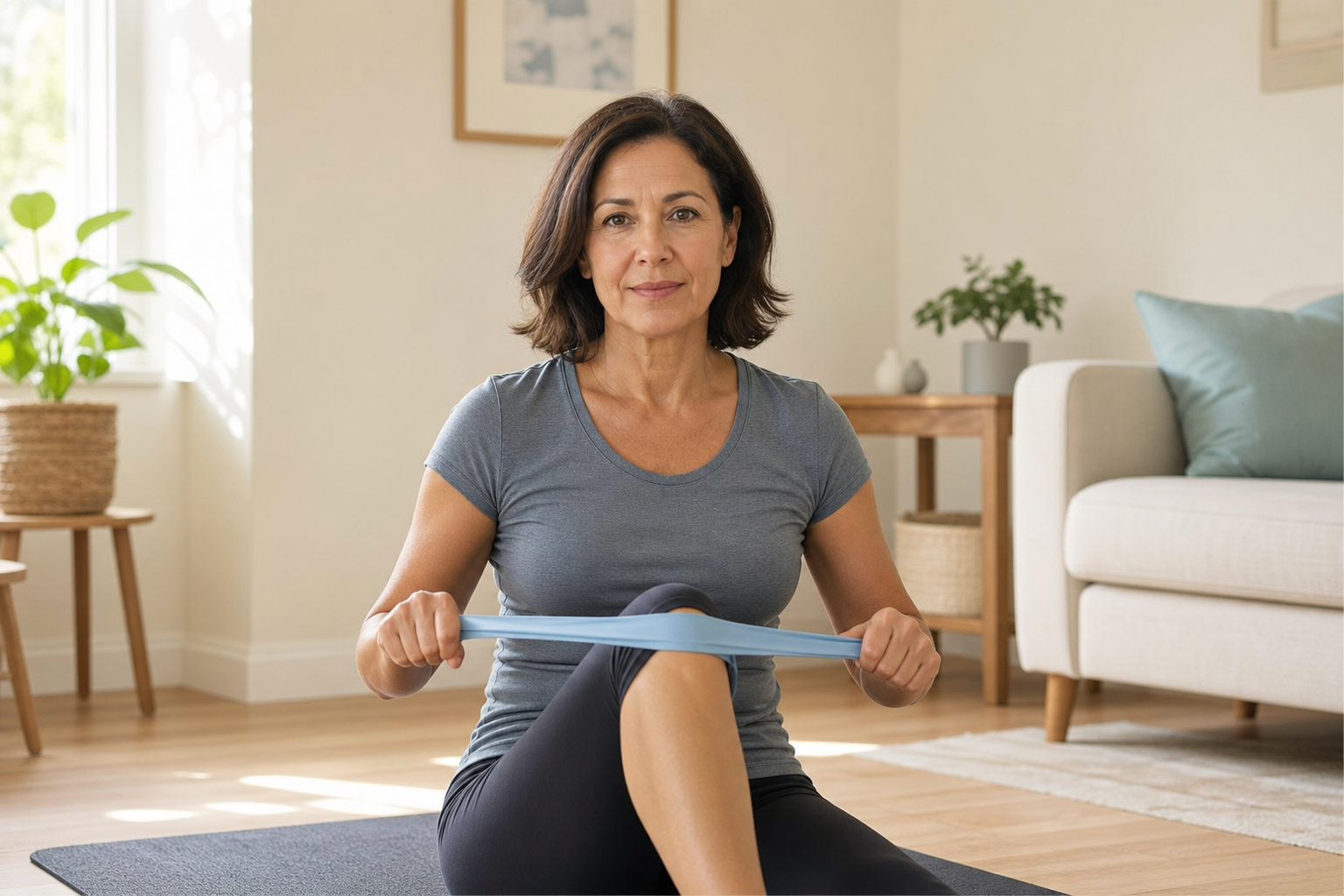
The Daily Struggle: Why Knee Arthritis Feels Like a Never-Ending Battle
Maybe you’re like Ellen. Or maybe you wake up every morning wincing at that first step out of bed. I’ve spoken to hundreds of readers who feel betrayed by their own knees—stairs become Everest, grocery trips feel like a marathon, and your old running shoes collect dust. There’s the dull ache that never quite lets up, the sudden stabs when you twist the wrong way, and the constant mental tally: How many ibuprofen have I taken today?
It’s frustrating. It’s exhausting. And frankly, it’s lonely—because unless someone’s been there, they just don’t get how arthritis takes over your life. But here’s what I always tell my own family (my mother-in-law is still stubborn about this): giving up movement isn’t the answer. The right movement can change everything.
What Resistance Bands Do For Arthritic Knees (This Surprised Me)
Let’s get nerdy for a second—because the science here is worth knowing. Resistance bands offer adjustable, joint-friendly resistance for building strength without the joint compression you get from traditional weights. In 2021, a randomized controlled trial in Arthritis Care & Research tracked 98 adults with moderate knee osteoarthritis who did 20 minutes of band-based exercises, three times a week. The results? After 12 weeks, pain scores dropped by 27%, and functional mobility improved by 19%—that’s more stairs, more walks, less grimacing.
Why does it work? A few reasons, actually:
- Gentle strength building — Bands challenge your muscles (especially the quads, glutes, and hamstrings) without pounding your joints.
- Supports joint stability — Stronger muscles lighten the load on your knee cartilage. Less grinding, less pain.
- Improved flexibility — Many band exercises encourage safe stretching, which can counteract the stiffening that arthritis loves to bring.
- Customizable — You pick the resistance level. Start light, work up slowly.
And here’s where it gets interesting—studies in the Journal of Rheumatology (2018) found that resistance band programs are just as effective as expensive supervised gym programs for most people with mild-to-moderate knee arthritis. Pretty empowering if, like most of us, you’d rather not spend hours at PT every week.
How Bands Reduce Knee Pain (And Common Mistakes to Avoid)
If you’re nodding along, you’re not alone. I was skeptical at first, too. I thought, “How is a glorified rubber band going to help when even walking hurts?” But bands allow for controlled movement that wakes up under-used muscles—especially those that stabilize the knee. This means less ‘wobble’ with every step, and more confidence tackling daily life.
But (and this is a big one), it’s easy to sabotage yourself with the wrong moves. I’ve seen this over and over: people jump into deep squats, add too much resistance, or twist awkwardly. If your knee swells or you can’t walk after—something’s off. Listen to your body, always.
If you have a history of meniscus injuries or severe swelling, talk to your doctor or physical therapist before starting any exercise program. Safety first.
My Favorite Resistance Band Exercises for Arthritic Knees
Ready to try some moves? These are the ones I suggest (and actually do myself, especially after a long writing session). All you need is a simple loop band—no fancy gym required. If it’s your first time, lighter is better. Don’t let Instagram fool you—progress isn’t about color-coded bands, it’s about consistency and comfort.
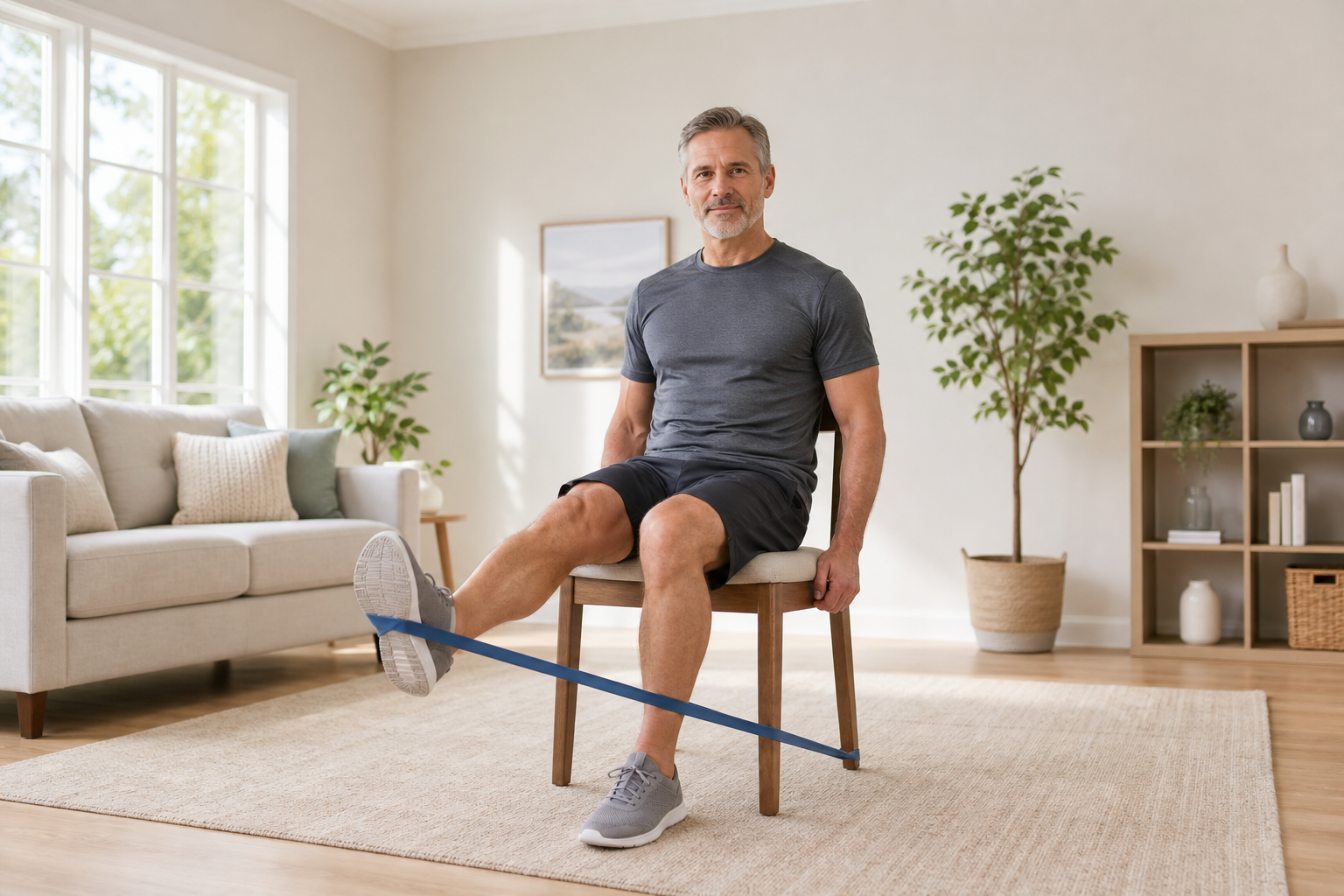
1. Seated Knee Extensions
Sit in a sturdy chair, loop the band around your ankle and anchor the other end under the chair leg. Straighten your leg slowly against the band’s resistance, hold for 2 seconds, then lower with control. Aim for 2 sets of 10–15 reps per leg.
2. Side-Lying Hip Abductions
Lying on your side, loop a band just above your knees. Rest your head on your arm. Keeping legs straight, lift your upper leg slowly against the band—don’t let your hips rock back! You’ll feel it in your side butt (gluteus medius). 2 sets of 10–12 per side.
3. Standing Hamstring Curls
Loop the band around your ankle, other end anchored to a sturdy object behind you (table leg works). Stand tall—don’t wobble!—and bend your knee to curl your heel toward your butt, resisting the band. Hold, then release slowwwly. 2 sets of 10–12 per leg.
4. Monster Walks
Place a band around both ankles or above the knees (try both to see which feels best). With knees slightly bent, take wide, slow side steps across the room—not ballet, but not a waddle either. This fires up your hips and helps stabilize your walking pattern.
5. Terminal Knee Extensions (TKEs)
An old-school PT classic. Anchor your band in a door at knee height, loop it behind your knee, and step back until the band has some tension. Gently bend and straighten your knee against the band, focusing on a slow, strong finish. It’s subtle, but it works wonders for those final degrees of straightening.
Start with 1-2 rounds of each, 2-3 times per week. If your knee flares, back off, ice, and try again after a rest day. Consistency is everything—think months, not miracle days.
Real Patient Stories: What Works, What Doesn’t
I’ve heard from dozens of readers who, like Ellen, were wary of bands at first. One emailed last month: “Karen, I thought you were kidding about the ‘monster walks’, but after three weeks my knee doesn’t click getting out of the car.” Another told me her doctor was amazed by her improved stability after adding 10 minutes of band work each morning.
But I’ll be honest—not everyone loves bands. Some struggle with sliding bands, or feel the exercises “aren’t enough.” My advice? Adjust the tension, change your position, but don’t force pain. And if you’re dealing with severe arthritis or had a knee replacement, always get personalized guidance first—band work isn’t for every single knee out there.
How to Make Bands Work For You (And Stick With It)
- Keep bands handy: I hang one on a doorknob where I see it every day. Out of sight = out of mind.
- Pair bands with heat: Some find a PureRelief XL Heating Pad session warms up stiff joints before exercise (I do 10 mins on low before my own workouts). (Affiliate Link #1)
- Track your progress: Write down your reps, or shoot a video each week. Small wins keep you moving—literally.
- Don’t skip flexibility: Finish your session with some light stretches (hamstrings, calves, quads). Bands can help here, too, for gentle, supported stretching.
- Consider knee support: If your knee feels unstable, a soft compression sleeve like the best-selling Modvel Compression Knee Brace can offer extra confidence (and is affordable enough that I send them to friends regularly). (Affiliate Link #2)
How Resistance Bands Compare to Other Knee Arthritis Treatments
I know some folks are tempted by every miracle gadget or supplement that promises pain-free knees. I’ve reviewed dozens of these over the years. Here’s how band exercises stack up, in my professional opinion:
- PT-Style Band Workouts vs. Weights: Less risk of re-injury, more control, easier to do at home when motivation wavers. For moderate arthritis, multiple trials (see BMJ, 2019) show equal or better results—especially for getting up from chairs and climbing stairs.
- Bands vs. Walking: Walking is essential for heart and overall health, but it won’t target weak muscles around your knee. Bands fill that gap. I usually recommend both, alternating days if needed.
- Bands vs. Passive Relief (topical gels, heat only): Band work addresses the root cause (weak, stiff muscles) rather than just dulling pain. That said, there’s a place for short-term relief—my husband keeps Voltaren Arthritis Pain Gel in his gym bag for post-hike aches (Affiliate Link #3)—but it won’t transform your joint on its own.
- Supplements: I’ll be blunt—glucosamine/chondroitin has mixed results, especially for advanced arthritis. If you want lasting function, band exercises are a safer bet, plus much cheaper long term.
Of course, if your pain is severe, constant, or you’re considering surgery, consult your rheumatologist or orthopedist before starting anything new.
Level Up: Advanced Tips (And a Few Pitfalls)
If the basics above get too easy, try slowing down the movement (count to 4 up, 4 down), or adding a second set. Add in balance work—like standing on one foot or using a stability cushion—if your knees allow. But always prioritize form over reps. If your knee caves inward or you feel shooting pain, stop and reset. I see this mistake over and over in YouTube videos—don’t sacrifice your joint for ego points!
One lesser-known tip: double up bands for a little extra resistance, but only if you feel zero pain. And change your exercises every month or so. Boredom kills motivation faster than any flare-up.
Takeaways: What Actually Matters for Arthritic Knee Health
If you’ve read this far, you care about your knees—and your independence. Here’s what I hope you remember:
- Resistance band exercises are safe, joint-friendly, and backed by real science for easing arthritis pain and boosting function.
- Stay consistent, start slow, and listen to your body. Don’t let Instagram or tough-love PTs push you into pain.
- Use bands with smart supports—heat, compression, and flexible routines—to maximize your results and make movement a habit.
- If your knees feel worse, or you have a complicated history (meniscus tears, recent surgeries, severe deformity), check in with your doc or PT before you start.
- And don’t forget: Band exercises won’t win you an Olympic medal, but they might just help you climb the stairs, chase your grandkids, or stand up without holding onto the furniture. That’s a win in my book.

If you try these moves, or have your own tips for making bands work with cranky knees, email me. I truly love hearing what works—because knee arthritis isn’t a solo sport. And if you want more ideas (or to share a band routine that finally clicked), drop me a note. We’re in this together.
Warmly,
Karen Whitfield
Veteran Health Journalist, Arthritis & Mobility Columnist
JointReliefReviews.com