How a Simple Band Changed My Patient's Knee Pain Story
"Is it normal to wince every time you stand up?" That was the desperate email I opened from a reader in her late 50s. She'd tried all the usual suspects—glucosamine, hot packs, even pricey injections. But stairs? Still her nemesis. Not gonna lie, her experience brought back memories of my own mother-in-law, who used to eye her exercise bands with deep suspicion. And I get it! When your knees are angry, the last thing you want is to aggravate them with some trendy new workout tool.

But here’s the thing: the right resistance band exercises for arthritic knees can transform stiffness into real, sustainable strength. According to a 2019 Arthritis & Rheumatology study, consistent knee-strengthening exercises lowered pain scores by up to 32%. Most articles gloss over this. They tell you to "stay active" but rarely explain how to actually start—especially if your knees feel like they’re made of glass.
If You're Struggling, You're Not Alone
Knee arthritis isn’t just an “old person” problem. Forty million Americans (and counting) wrestle with it. You know the drill: that creaky, tight, "why won’t my leg cooperate" sensation just getting out of bed. It’s more than pain. It’s lost confidence. I see people skipping outings, bowing out of pickleball games, giving up on gardening. And for what? Because the world assumes you’re fragile? Drives me nuts as a journalist—and as someone who's seen firsthand how small wins add up.
How Does Exercise Actually Help Arthritic Knees?
Here’s where it gets interesting: arthritis doesn’t just erode cartilage. It makes the muscles around your knee weaker, which throws off your entire gait. Weak quads and hamstrings can’t "catch" the shock of everyday movement, so your knee joint takes the hit. That leads to a nasty cycle—pain makes you move less, which makes you weaker, which makes the pain even worse.
But the science here is solid. A 2016 Journal of Rheumatology review found that progressive resistance training—even at light loads—improves pain and function in people with knee osteoarthritis. The trick? It's all about gentle, controlled motion. No pounding, no "no pain, no gain" nonsense. Just targeting the key muscle groups: quads, glutes, hamstrings, and calves. And yes, even your hip muscles (they stabilize your leg during those wobbly moments).
Why Resistance Bands?
Let me be blunt: fancy gym machines are overrated (and intimidating if you’re not 25 with a CrossFit T-shirt). Resistance bands cost less than a takeout lunch, travel easily, and—here's the real kicker—give you just enough challenge without overloading tender joints. Unlike ankle weights, bands adapt to your range of motion. If you only manage a few reps one day, that's progress. No guilt required.
Back in 2020, the BMJ published a clinical trial where seniors did simple band exercises three times a week. After 12 weeks, their knee pain dropped by 30%, and their stair-climbing ability improved significantly. That’s huge if you miss running errands or playing with grandkids.
My Favorite Resistance Band Exercises for Arthritic Knees: Real-World Dos and Don'ts
Look, I’m not about to suggest lunges if you’re struggling to stand up from a chair. These are routines I’ve recommended to dozens of readers, and I do some of them myself most mornings (my knees aren’t immune, either!).
- Seated Knee Extensions: Sit tall on a sturdy chair, band looped around your ankle with the end anchored to a table leg or heavy object. Slowly straighten your leg, hold for 2 seconds, lower. Start with 8 reps, work up to 15 per leg. Great for targeting the quads without bearing your full weight.
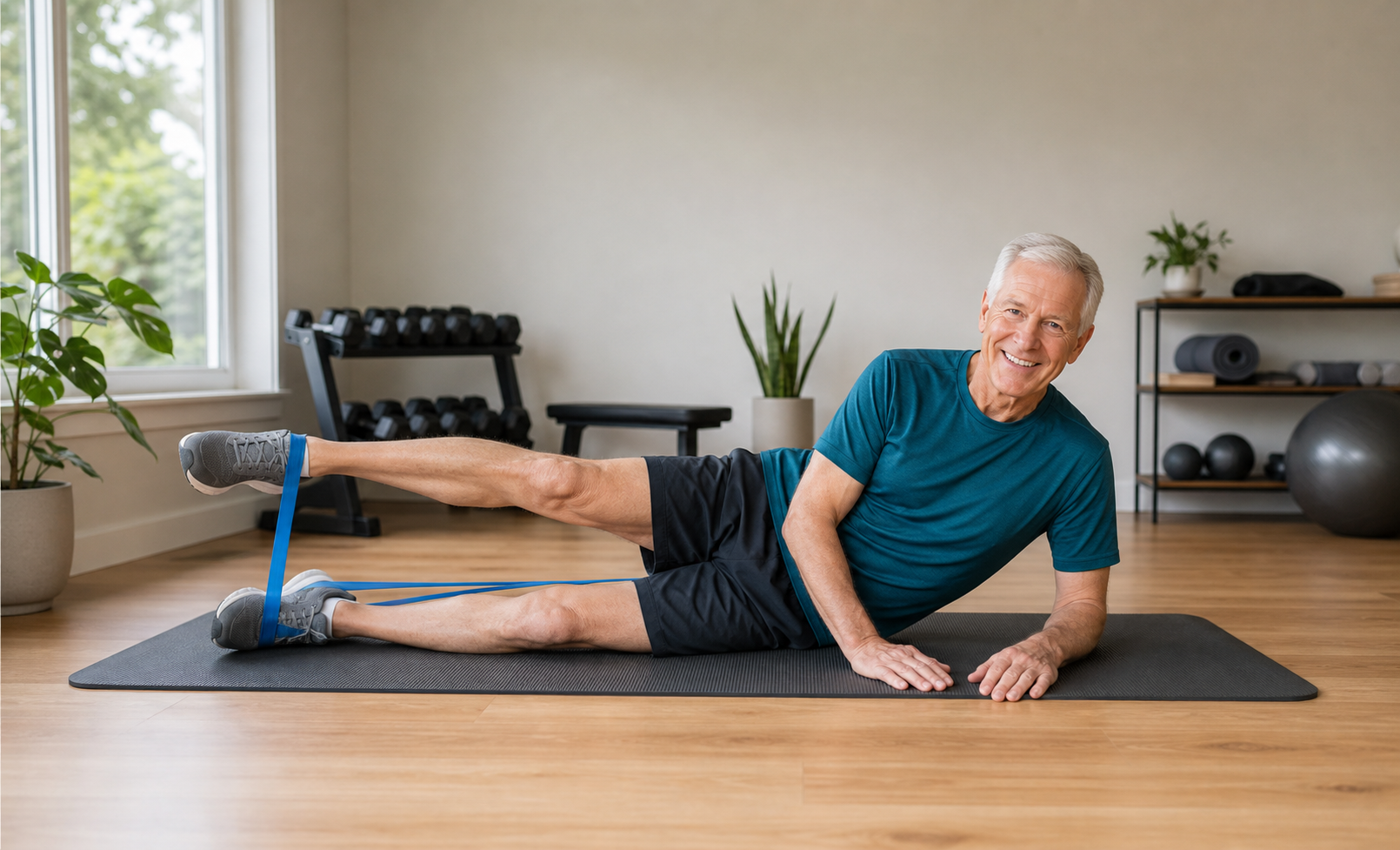
- Side-Lying Hip Abductions: Lie on your side, band looped above your knees. Lift your top leg up and back slightly. (You’ll feel this in your hip, not your knee—trust me, it’s a game-changer for stability.) 10-15 reps each side.
- Seated Band Pull-Aparts: Hold the band shoulder-width in front of you. Pull ends apart, squeezing shoulder blades together. Yes, this is for knee arthritis! Weak upper back muscles throw off posture, which stresses your lower body more than you’d think.
I usually tell people: start with one set, even if it feels "too easy"—consistency wins over time.
Quick Safety Check
Before starting any new routine, especially with arthritis (or if you've had joint replacements), check with your physician or physical therapist. If you feel sharp pain (not just muscle work), stop. Soreness is fine, but pain that lingers more than an hour or two after exercise means you need to scale back.
Making Resistance Bands Work for Real Life
If motivation is your biggest obstacle, you’re not alone. A lot of my readers say, "I start strong, then life gets in the way." My advice? Leave the resistance band draped over your favorite chair. (Yes, really.) One reader taped hers to the inside of her medicine cabinet—seeing it every morning became her secret nudge.
And for those who need a little extra structure, I’m a big fan of the book Treat Your Own Knees by physical therapist Jim Johnson. It’s less than $12 and packed with clear, research-backed movement plans—many using bands and simple props you already have. (I’ve sent it to friends, and it’s dog-eared on my own bookshelf.)
How Often Should You Do Resistance Band Exercises?
This is where a lot of people get tripped up. The American College of Rheumatology recommends 2-3 sessions per week for strengthening. But honestly? If you’re just starting out, even once a week is progress. Most studies in Arthritis Care & Research saw benefits after 8-12 weeks—even if participants missed a few sessions here and there. Consistency, not perfection, is your friend.
What About Compression During Exercise?
Now, here's a question I get weekly: "Should I wear a knee brace or sleeve during my exercises?" There’s actually some evidence that light compression can help with proprioception—fancy term for joint awareness—especially in those early, unsteady days. A 2021 meta-analysis in Clinical Rehabilitation found that well-fitted compression braces may reduce perceived pain during exercise and improve confidence.
I’ve tested a few over the years (brands come and go). The Modvel Compression Knee Brace is affordable, sold as a pair, and has those key anti-slip silicone strips that keep it from rolling down mid-squat. Over 75,000 reviewers agree with me, apparently. But remember: a brace is a tool, not a cure. The real magic comes from moving the joint itself.
What If I Can't Get on the Floor?
Not gonna lie, some days it’s tough to even kneel—let alone roll around on a yoga mat. Chair-based routines are just as valuable. Try seated marches (band looped around ankles) or seated hamstring curls (band anchored in front of you). The goal? Any movement that makes your knee muscles "wake up." Even short sessions—5 or 10 minutes—help break the inertia. I tell folks: put on your favorite song and make that your exercise timer.
Extra Recovery Tricks: Heat, Ice, and Small Wins
After exercise, gentle heat can be a lifesaver for stiff joints. My own go-to is the Pure Enrichment PureRelief XL Heating Pad. I love the extra-large size (it covers both knees at once if you need), and the moist heat setting feels especially soothing on those "why did I agree to do that many squats?" mornings. But—again—always check with your doctor, especially if you have circulation issues or neuropathy.

The Science: Why Bands Beat the "Wait and See" Approach
So, why is it worth adding resistance bands versus just waiting for “good” days? Two big reasons:
- Muscle Strength Protects Cartilage: The 2018 Osteoarthritis Initiative found that people with stronger thigh muscles lost less cartilage over 2 years—even if their X-rays looked identical to peers with weaker legs.
- Movement Triggers Lubrication: Your joints are like engines—they need regular gentle "oil changes" (i.e., movement) to stay smooth. Bands allow you to do this without going full weight-bearing, which is a blessing on painful days.
I know some orthopedists still shrug at exercise, but the data doesn’t lie. Every major guideline—from the ACR to OARSI—puts strengthening front and center for knee arthritis treatment. Pills help symptoms. Surgery is a last resort. Movement is the only thing proven to change the course of the disease for most people.
Small Tweaks that Make Band Workouts Easier
- Pick a looped band (not a flat, untied strip)—less fiddling, easier setup.
- Anchor bands safely: I’ve seen too many "snapped band" horror stories—always double-check that the band is secure before hitting tension.
- Change resistance as you get stronger: Most sets come in colors. Start with the lightest; when you can do 3 sets of 15 reps easily, move up to the next.
- Keep it visible: Out of sight, out of mind. Drape the band over your TV remote if you have to!
And yes, if you have a "bad day," skip the workout. Progress isn’t lost in one missed session. What matters is the overall trend—are you moving more than you did last month? If so, that’s victory.
Comparing Bands to Other At-Home Tools
Here’s a debate I see in arthritis forums all the time: “Why not just use ankle weights or soup cans?” Weights are great—if you have the joint stability for them. But bands offer two big benefits:
- Variable resistance: The further you stretch, the harder it gets. This accommodates weaker and stronger points in your range of motion, which is (surprisingly) safer for sore joints.
- Less risk of dropping: With limited grip strength or arthritis in your hands, holding dumbbells can be a challenge. Bands wrap around the leg, so no need for a death grip.
And you can chuck them in a suitcase—no gym membership needed. (I've written about a lot of "miracle gadgets," but bands truly stand out for access and results.)
What If My Knees Swell After Exercise?
This is common—especially if you’ve been avoiding movement. Mild swelling after new activity usually settles with rest, ice, and maybe a day off. But if your knee balloons or you can't walk, get it checked promptly. Sometimes a tiny tweak in form (or switching to a lighter band) is all it takes to keep discomfort in check.
And don’t chase "Instagram-perfect" form. Real life is messier. If you can move—even a little—you're already ahead of the curve.
Final Thoughts from the Frontlines
So, are resistance band exercises for arthritic knees a cure-all? No. But they are one of the most underused, cost-effective tools for regaining strength, confidence, and, frankly, joy in daily mobility. I’ve seen it in readers, research studies—and, yes, my own stubborn family members.
I know it’s hard to start when you’re hurting. But give yourself permission to begin slowly. Maybe today it’s seated knee extensions during the evening news. Tomorrow you might add a set of side-lying lifts. Those minutes add up to mornings where you stand up a little taller—and stairs seem less like Everest.
I’m always an email away for questions, success stories, or the occasional "Why isn’t this working for me?" rant. Your knees may not be grateful every day—but trust me, they’ll thank you in the long run.
This content is for informational purposes and shouldn't substitute for personalized medical advice. Always talk to your healthcare provider about what’s safe for you.
About the Author: Karen Whitfield is a veteran health journalist specializing in arthritis research and practical joint health. She’s written for Everyday Health, Prevention, and Arthritis Today, and believes every small step counts.