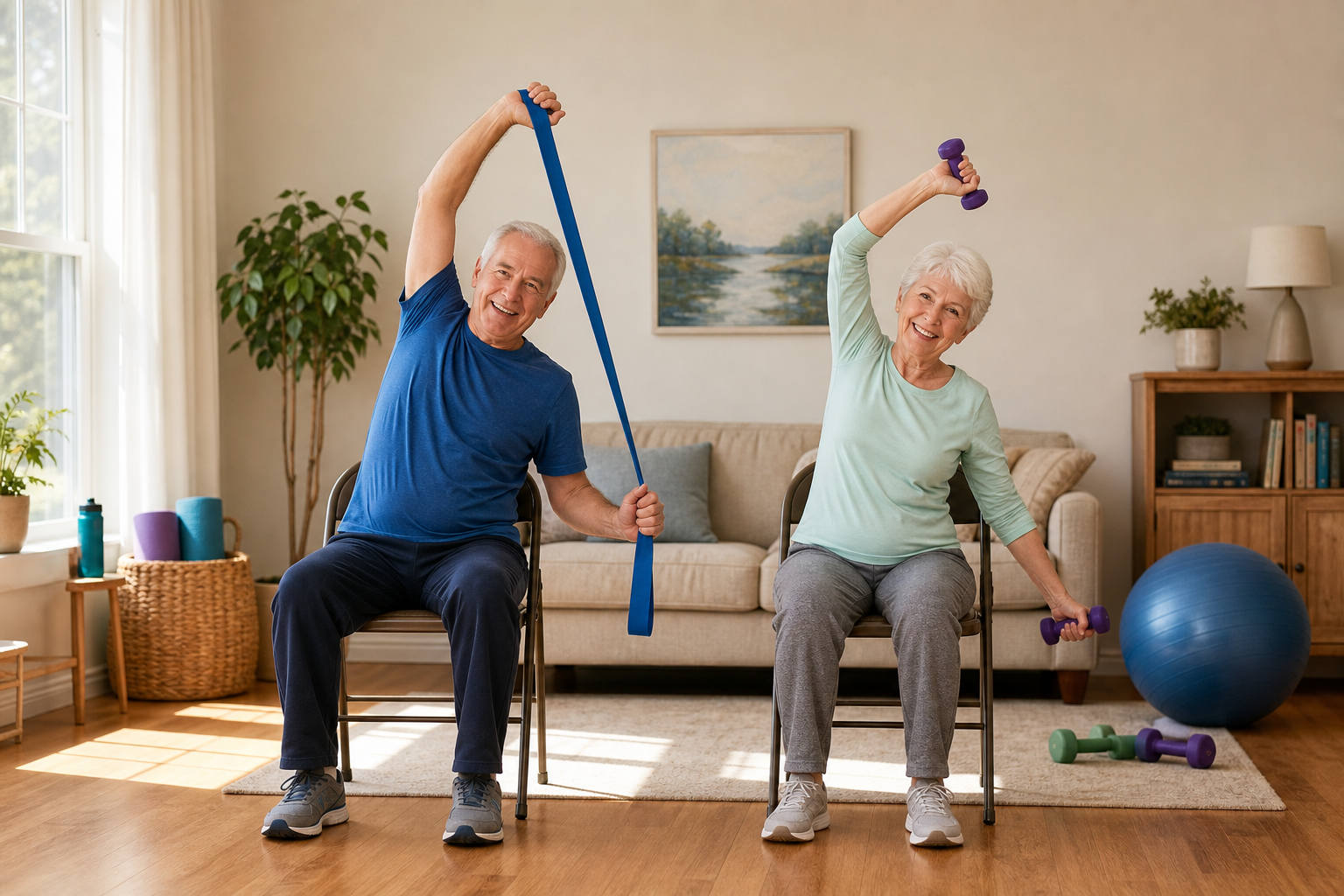
Why Low Impact Exercise Is a Game-Changer for Seniors with Arthritis
I can still picture Mrs. Donnelly, one of my favorite patients from my orthopedic nursing days. She was 74, sharp as a tack, “stubborn as a mule” (her words!), and convinced that exercise would only make her knees worse. Well, the look on her face after two weeks of simple chair exercises—when she realized she was sleeping better and needed fewer pain pills—stuck with me. Here’s the thing: most people don’t realize how powerful low impact exercises for seniors with arthritis can be until they try the right ones. Not everything you hear about exercise and joint pain is true. Some advice will get you hurt or discouraged. But the science? It’s actually pretty clear.
The Daily Reality: Why Exercise Is Tough—But Essential
Look, I know what the mornings feel like. That familiar ache in your joints, maybe some swelling, and the first 10 steps to the bathroom feel like walking through mud. If you’re nodding along, you’re not alone. Arthritis pain is sneaky—one day you’re just a bit stiff, the next, it feels like someone replaced your knees with rusty hinges. It’s exhausting both physically and emotionally. And the fear is real: “What if I hurt myself exercising? What if I make the pain worse?”
But here’s what almost no one tells you: Inactivity is actually riskier than movement. Joints stiffen and muscles weaken if they aren’t used, making pain and disability worse over time. The American College of Rheumatology (ACR) has hammered this point for years—people who regularly do low impact activity have less pain and better mobility over the long haul (Arthritis & Rheumatology, 2019).
What Does "Low Impact" Really Mean? (And Why Does It Work?)
Low impact exercise isn’t just a buzzword. It simply means movements that minimize stress on joints, especially those already inflamed by arthritis. You’re not jumping, pounding, or torquing your knees. Think of it as exercise that lets you work with your body, not against it. Examples include:
- Walking on even ground (especially indoors or on trails)
- Chair exercises and gentle strength work
- Swimming and water aerobics
- Stationary cycling
- Yoga and tai chi (with arthritis-friendly modifications)
Here’s where it gets interesting: a 2022 meta-analysis in the Journal of Rheumatology found that seniors with knee arthritis who did three 30-minute sessions of low impact activity per week saw a 25% reduction in pain scores (after 12 weeks). That’s without changing their medications.
How Does Low Impact Exercise Help?
Let’s simplify the science. When you move gently and regularly, you:
- Lubricate your joints with natural synovial fluid—think of it as oiling a creaky door hinge
- Build muscle strength to support damaged joints (stronger muscles = less pain)
- Improve circulation, which reduces swelling and stiffness
- Boost mood and sleep—pain is always worse if you’re tired or anxious, and exercise fights both
And candidly? Most of us underestimate how quickly these benefits show up. I’ve seen stubborn skeptics (like my own mother-in-law) start to feel changes after just 10-14 days.
Getting Started: Safe, Effective Moves You Can Try at Home
If you haven’t exercised in years—or ever—it’s totally normal to feel intimidated. The trick is to start ridiculously small. I’d rather you do 2-3 minutes of chair marching every morning than try for an hour at the gym and get sidelined.
Here are some basics I’ve taught dozens of patients (and use myself, post-meniscus surgery…):
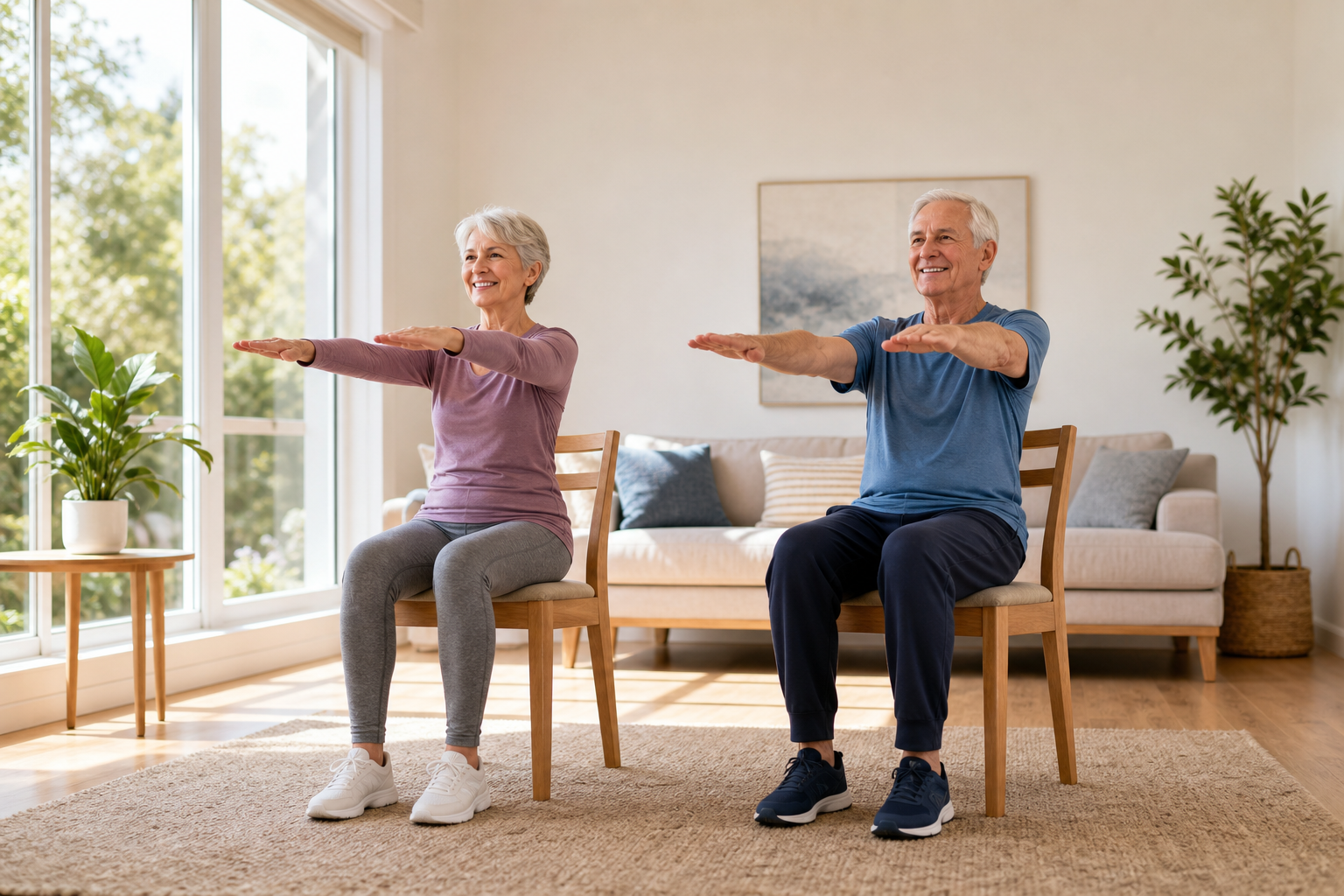
- Seated March: Sit in a sturdy chair, feet flat, and lift knees one at a time as if marching. Go for 1-2 minutes. You’ll feel it sooner than you think.
- Heel Slides: Still seated, slide one heel forward until your leg is nearly straight, then return. Alternate legs. This wakes up your knees and hips.
- Ankle Pumps: With legs outstretched, flex and point your toes repeatedly. Improves circulation—especially helpful if you swell up by day’s end.
- Standing Mini-Squats (using support): Stand behind a kitchen counter, feet shoulder-width, gently bend knees just a few inches, and return. Focus on smooth, slow movement.
Three sets of 10 for each, 3-4 times a week, can boost strength and reduce pain. That’s it—no complicated gear or routines.
My Favorite Resource for Home Exercise (and Why I Recommend It)
I’ll be honest—I’m picky about exercise guides. There’s a sea of books that over-promise or use confusing jargon. But one that’s consistently helped my patients (and myself) is Treat Your Own Knees by Jim Johnson. It’s research-backed, uses simple drawings, and breaks down exactly what exercises to do (and what to skip). The best part? It costs less than a single PT copay. If you prefer following a plan instead of winging it, this book is a solid bet.
What About Pain During Exercise?
This is the number one fear I hear: "What if it just makes me ache even more?" It’s a valid concern—and the answer is a bit nuanced. Minor discomfort (think: gentle soreness or warmth in the joint) is normal at first. Sharp, sudden, or worsening pain means stop and reassess. Arthritis joints do better with movement, but overdoing it can stir up a flare. Here’s a little rule I teach: if soreness lasts more than 2 hours after exercise, scale back next time.
Some seniors find that doing gentle heat before movement loosens things up and helps mobility. Afterward, using cold packs—or medicated creams—can settle any swelling.
Tool I Swear By: XL Heating Pads
A reader emailed me about this last week, asking if heating pads were “just a placebo.” They’re not — but the right pad matters. My personal favorite for knees and hips is the Pure Enrichment PureRelief XL Heating Pad. It’s extra-large, covers both joints, has a moist heat option, and an automatic shutoff (safety first!). I use it before my morning stretches most days — and I recommend it at least weekly in my arthritis support group.

Group Classes Vs. Home Exercise: Does It Matter?
Here’s where opinion gets divided (and the research gets spicy). Some experts say group classes—like arthritis water aerobics or chair yoga—are the gold standard. Social support is motivating, and certified instructors can modify movements for you. But I’ve met plenty of seniors who do just fine (sometimes better) following a trusted video or book at home. A 2021 BMJ study compared group versus self-guided arthritis exercise and found no statistically significant difference in pain reduction after six months. The key factor? Sticking with it. If you thrive around people, try a class. If you like privacy and flexibility, home routine is great. There’s no one-size-fits-all.
Do You Need Special Equipment?
Not really. A sturdy chair, comfortable clothes, and good shoes are your basics. For certain movements (or if your knee feels wobbly), a well-designed brace can add support. But caution: not all braces are created equal—and some are overkill, or just plain uncomfortable.
For those with moderate knee instability or swelling, the NEENCA Professional Knee Brace is one I trust. It has side stabilizers, a patella gel pad (great if kneeling hurts), and is adjustable. A handful of my “retired tennis players” say it lets them walk farther with less swelling. It’s not magic, but for $25, it can make a noticeable difference—especially if you’re trying to ramp up your walking routine.
Common Pitfalls (And How to Avoid Them)
Look, even with the best intentions, seniors (and their loved ones) make a few classic mistakes:
- Doing too much, too soon: 10 minutes every other day beats one hour once a week.
- Ignoring pain signals: Like I said above, sharp pain is a red flag. Back off or try a different move.
- Missing the warmup: Cold joints = stiffer, riskier exercise. Even 3 minutes of gentle movement helps.
- Sticking only to cardio: Strength and flexibility are just as (if not more) important for arthritis.
If you’re ever unsure whether an exercise is safe, talk to your doctor or physical therapist—especially if you have multiple health conditions.
The Science: What Does Research Actually Say?
Most articles gloss over this part, but as someone who has pored through (too) many studies, here’s what stands out. The Journal of Aging and Physical Activity (2020) reported that seniors with osteoarthritis who did a blend of strength, balance, and light aerobic exercise had:
- A 32% improvement in function (measured by walking speed and stair climbing)
- 22% less reported pain (even with moderate arthritis)
- Better mental health scores—lower depression and anxiety
What’s more, even people in their 80s and 90s saw these benefits. You don’t “age out” of exercise. In fact, the older you are, the more you stand to gain (or lose, if you stop moving).
And no, there’s zero evidence that low impact activity “wears out” joints. That’s a myth I wish would die already. The real risk is falling prey to inactivity.
Making It Stick: Motivation, Accountability, and Progress
This is where things get tough. The first week is often the easiest—motivation is high, and you’re feeling hopeful. But life gets in the way, pain flares up, and it’s all too easy to slide back into old habits.
Some of the strategies that work for my clients (and for me):
- Calendar appointments: Treat exercise like a doctor’s visit. Block it off, tell family not to interrupt.
- Track progress: Even a simple notebook where you jot down your minutes can keep you honest and show your wins.
- Find a buddy: A neighbor, your spouse, even a grandchild. Shared goals boost accountability.
- Celebrate tiny victories: Five more steps, one less pain pill, or an easier time getting up? That’s progress worth noticing.
And if you fall off? Just start again. That’s not failure—it’s the normal ebb and flow of managing arthritis.
Takeaways: What Actually Works
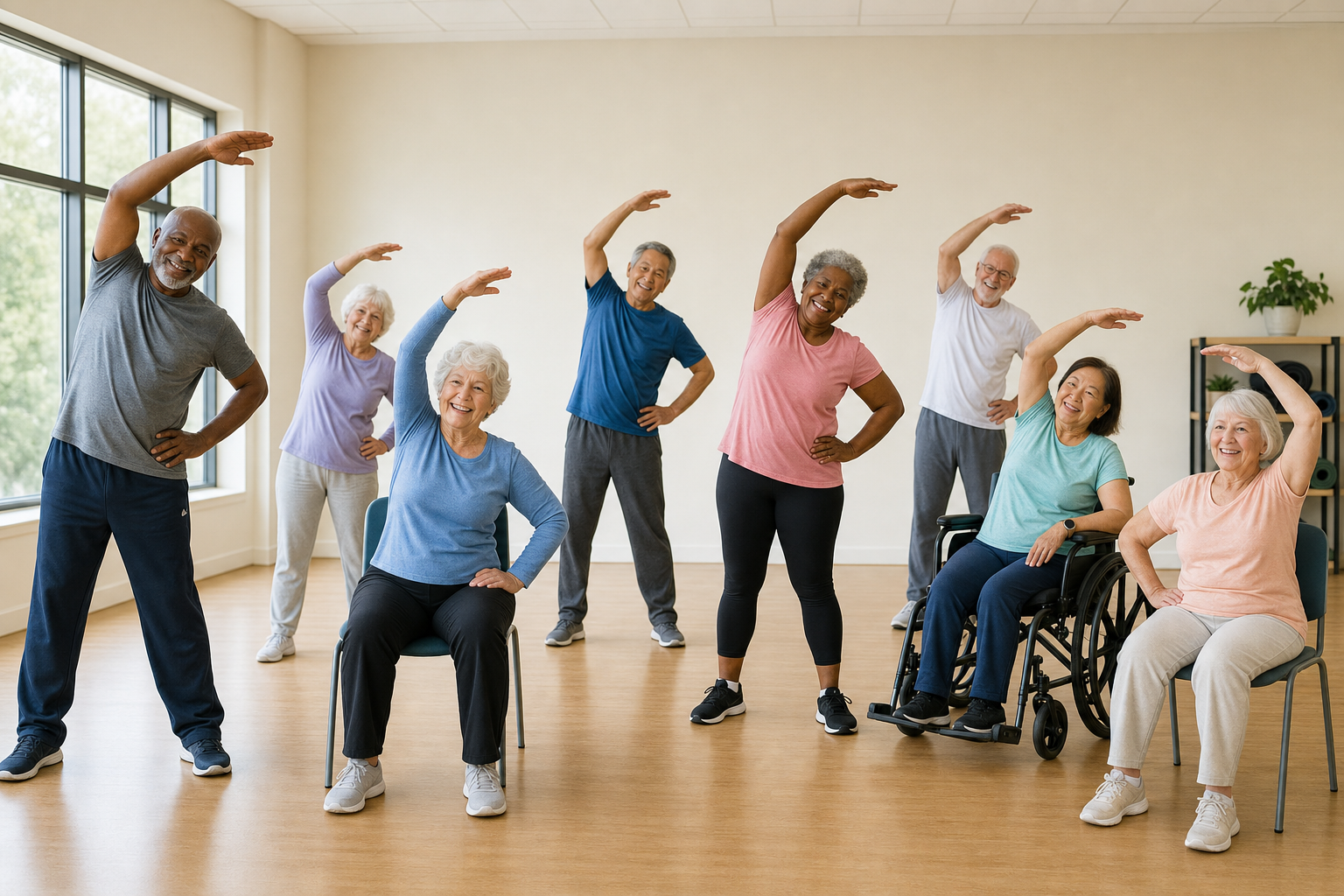
If you remember nothing else, remember this: Movement is medicine for arthritis, but it doesn’t have to hurt—or be complicated. The best low impact exercises for seniors with arthritis are the ones you’ll actually do, consistently, without dreading them.
Start simple. Listen to your body. Use tools—like a great book, a reliable brace, or a heating pad—if they help you move better. Don’t get hung up on perfection. And talk to your doctor before starting anything new, especially if you have a history of heart or lung disease.
There’s no magic bullet for arthritis pain, but the right movement—done regularly—can change your outlook, your comfort, and your independence. I’ve seen it happen too many times to count.
Let’s Get You Moving—One Step at a Time
If you have questions, frustrations, or want to share what’s working for you, I’d love to hear from you below. And if you saw a product here that caught your eye, let me know how it pans out. My inbox is full of seniors who swore they’d "never exercise again"—now they’re walking laps around their grandkids. It’s never too late to start.
Linda Hargrove, RN — 20 years in orthopedic care, now helping everyday folks find practical, research-backed relief for joint pain.