Low Impact Exercises for Seniors with Arthritis: Real Strategies That Work (and a Few Surprises)
My friend Maggie, age 72, called me last spring nearly in tears. "Sarah, I just want to play with my grandkids without my knees screaming at me." If you’re nodding along, you’re not alone—roughly 1 in 4 adults over 65 struggles with arthritis pain, according to CDC estimates. And let’s be honest: the usual “just walk more!” advice can feel tone-deaf when every step is a negotiation with your joints.
The Daily Grind: Why Low Impact Matters
Here’s the thing: movement really is medicine, but not all exercise is created equal when you have arthritis. High-impact activities (think jogging, tennis, or step aerobics) can send shockwaves through already inflamed joints, leaving you worse off. I’ve seen this firsthand in my clinic: well-intentioned patients trying to “push through” agony, only to end up on the sidelines for weeks.
But avoiding movement entirely isn’t the answer, either. The research is crystal clear: people with arthritis who stay active—especially with low impact exercise—enjoy less pain, better balance, and even improved mood (see: Arthritis & Rheumatology, 2022; Journal of Rheumatology, 2018). You don’t need to run marathons. In fact, I won’t even ask you to get off the floor unless you want to.
Arthritis and Exercise: What’s Actually Safe?
I’ll be blunt: the worst myth is that people with arthritis should "just rest." Prolonged inactivity leads to muscle wasting, stiffer joints, and, ironically, more pain. But not every movement is right for every body. The key? Low impact exercises—those that keep one foot on the ground and minimize pounding forces on the joints—are the real MVPs. Think of these as your joint-friendly toolkit.
- Walking (on flat, even surfaces)
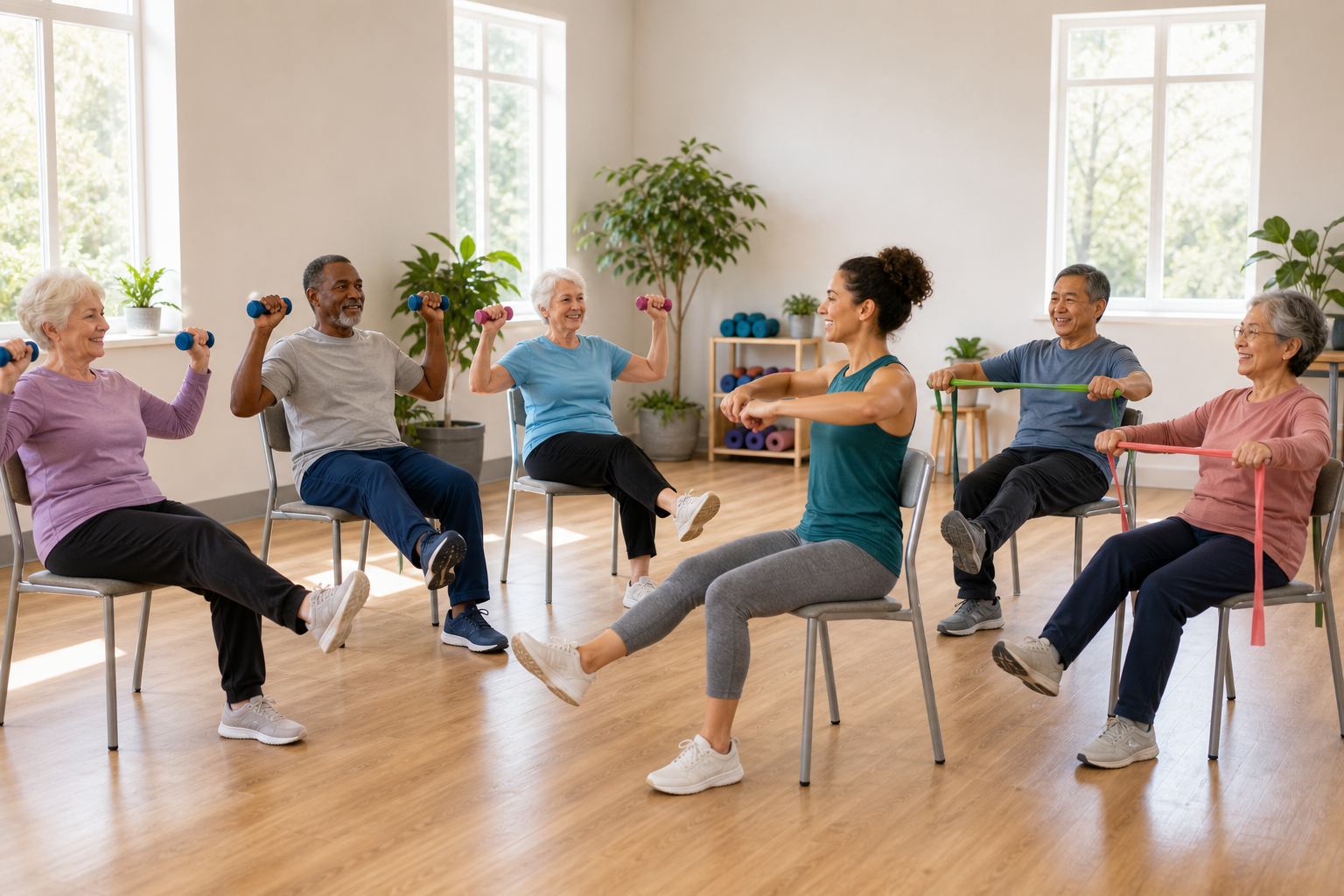
- Seated strength exercises
- Water aerobics or swimming
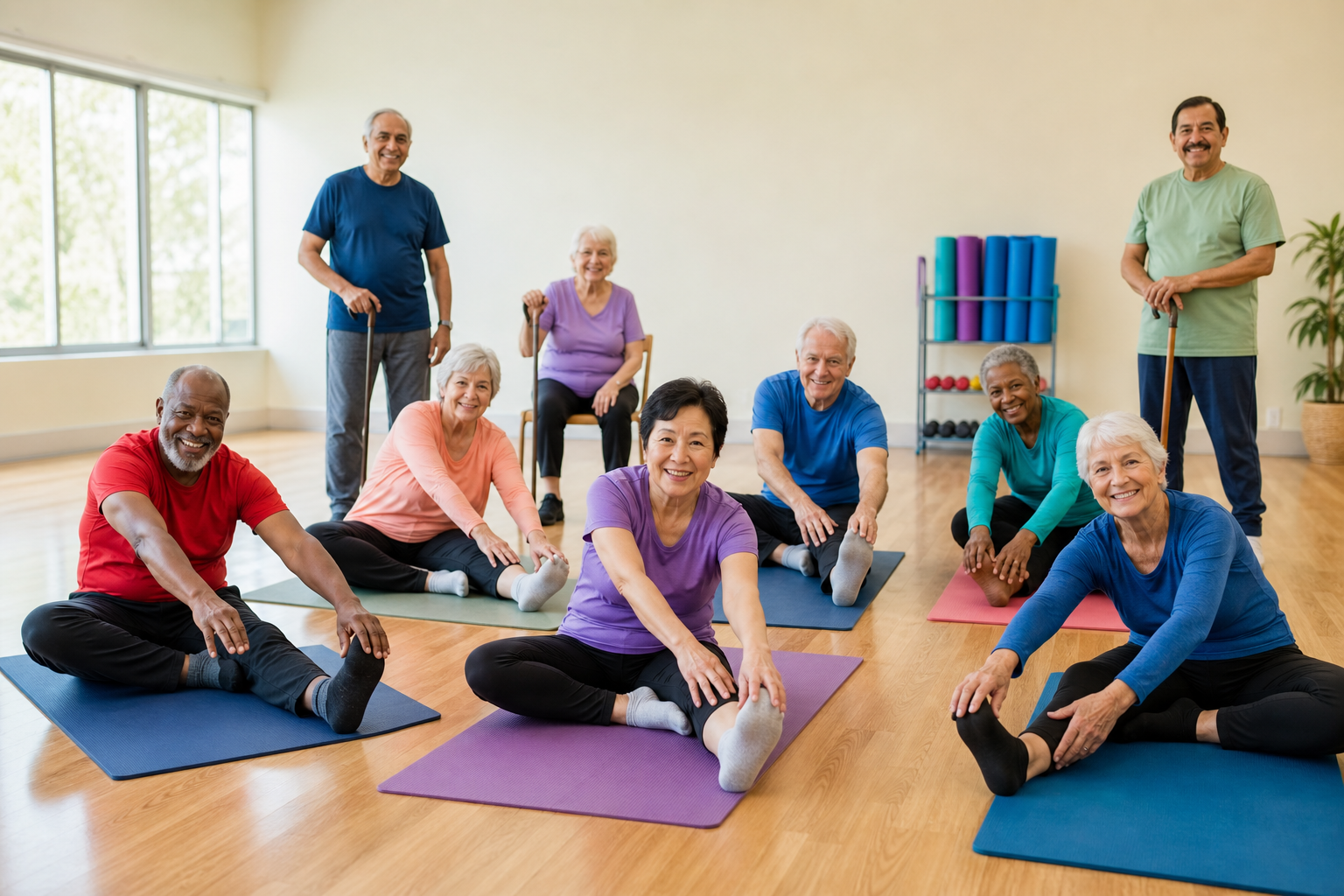
- Chair yoga or gentle stretching
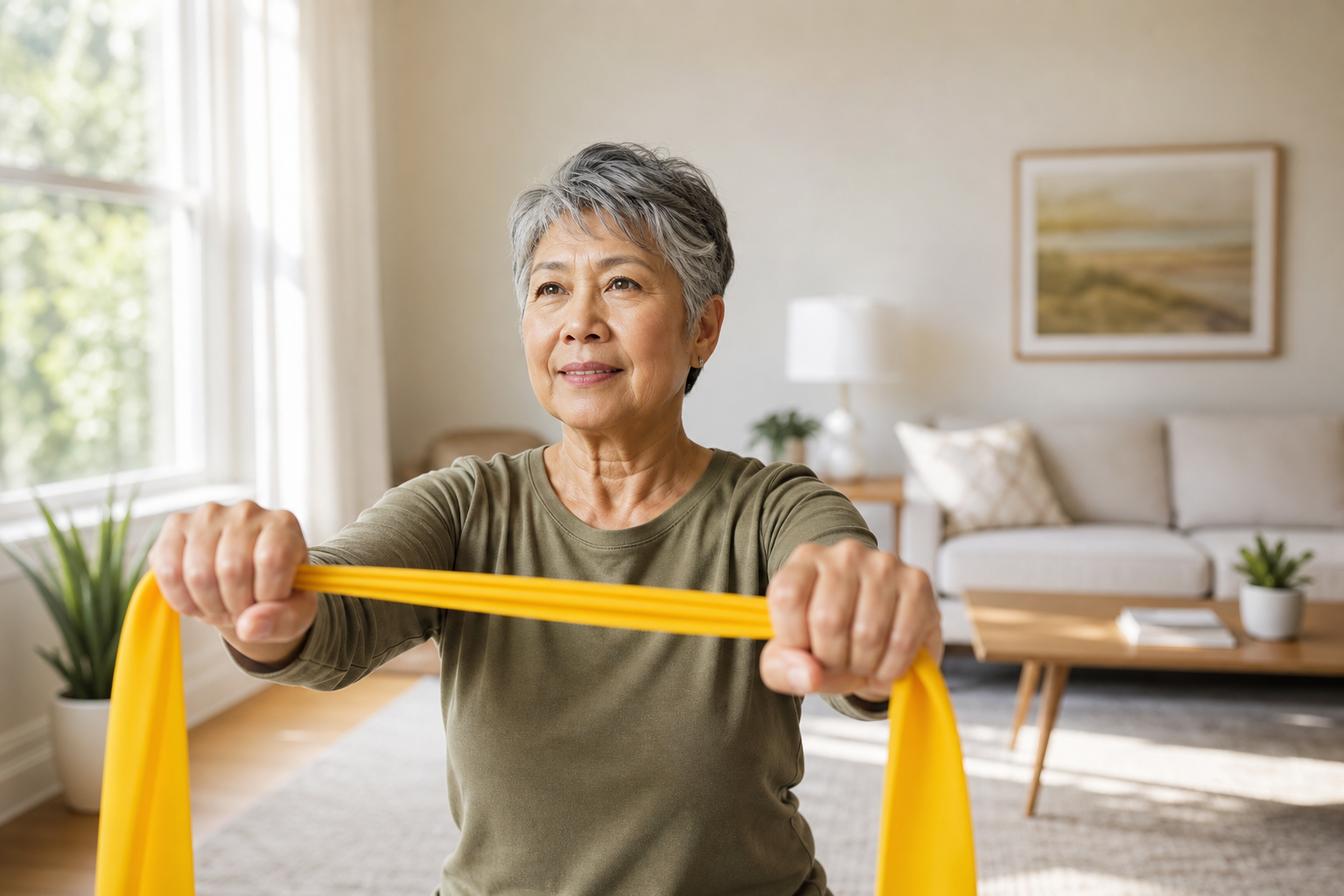
- Resistance band routines
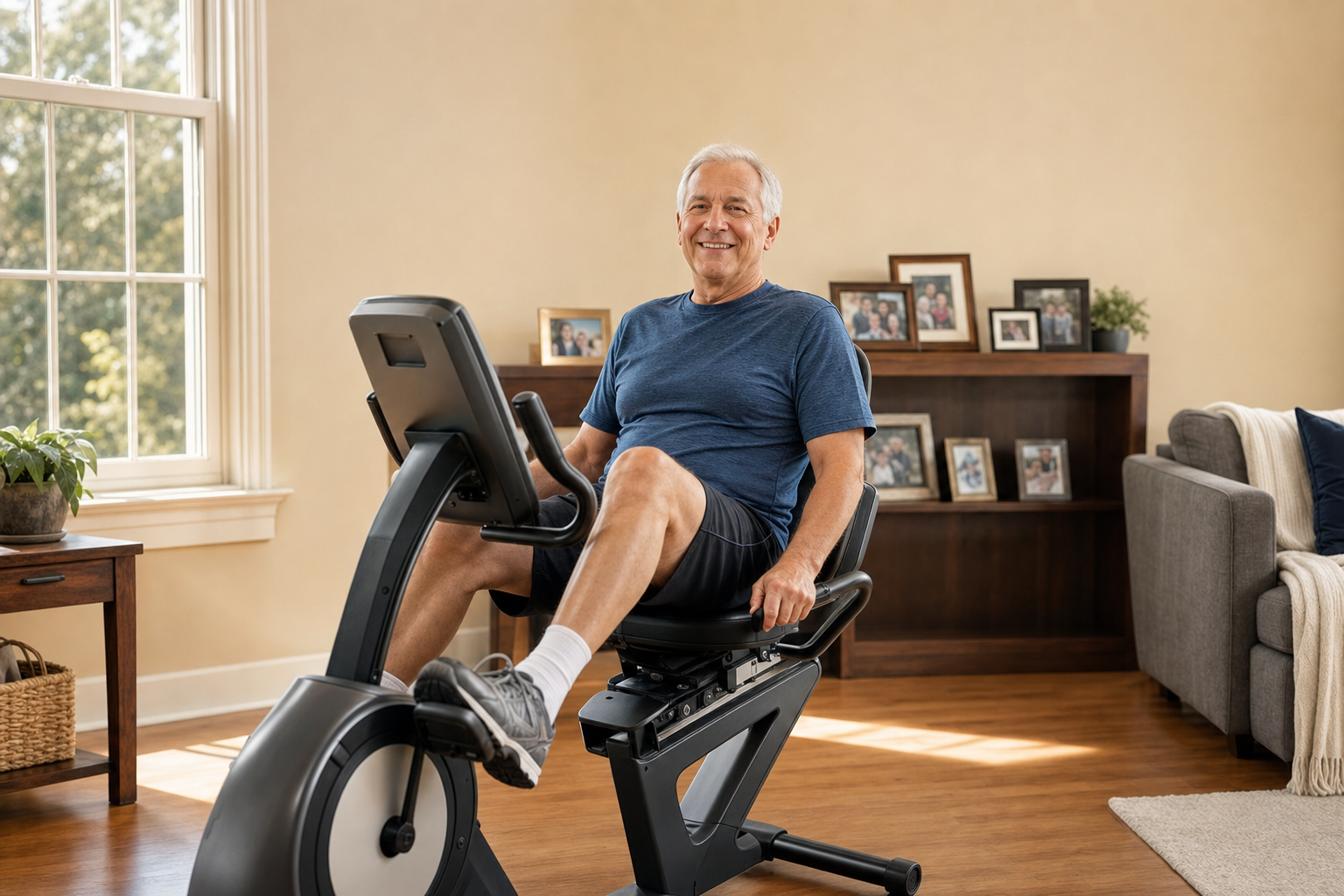
- Cycling (stationary or recumbent bike)
But the best exercise is the one you’ll actually do—consistently. I’ve had patients get excellent results just marching in place during TV commercials. It all counts.
The Science Behind Low Impact Exercise
Let’s unpack why low impact works so well. Arthritis, whether osteoarthritis or rheumatoid, means inflamed joints and less shock-absorbing cartilage. High-impact activity can grind down what’s left—ouch. But low impact movement promotes synovial fluid production (think: your body’s natural joint lubricant), reduces stiffness, and builds up the muscles that support the joint from every angle.
The BMJ published a review in 2020 showing that even short bouts of low impact exercise—10-20 minutes, 3-4 times per week—reduced pain scores by 22% on average in older adults with knee or hip arthritis. And here’s where it gets interesting: gentle resistance training (nothing fancy, just light weights or bands) actually slowed joint degeneration compared to no exercise at all (Arthritis Care & Research, 2019).
If you’re worried about flaring up your joints, you’re not alone. That’s why I always recommend starting with shorter durations (even five minutes!) and gradually increasing as your body adapts. And yes, some soreness is normal—sharp, lingering pain is not. Know the difference, and don’t be afraid to talk with your doctor or physical therapist if you’re unsure where your limits are.
Easy At-Home Exercises I Recommend (and Actually Do With My Patients)
I get this question constantly: “What are the best exercises I can actually manage at home?” Here are a few tried-and-true moves I use in the clinic and at home, especially for my older patients with arthritis:
- Seated Marching: Sit upright in a sturdy chair, gently lift one knee at a time as if marching. Great for hip and knee mobility. Aim for 30-60 seconds at a time. Trust me, your hips will thank you.
- Wall Push-Ups: Stand facing a wall, hands at shoulder height. Lower your chest to the wall and push back. Less stress on wrists and shoulders than floor push-ups.
- Heel and Toe Raises: Holding onto a counter, lift your heels, then your toes. This builds calf and shin strength, critical for balance.
- Gentle Side Leg Raises: Standing, hold the counter and lift one leg out to the side. This targets hip stabilizers. Try 10 reps per side.
- Chair Yoga: Simple stretches, like gentle seated twists and overhead reaches, increase flexibility without floor transitions.
Look, the real kicker is consistency—not complexity. Five minutes every day beats an hour once a week.
The Secret Weapon: Pool Exercises
Water workouts are a game-changer for many seniors with arthritis. The buoyancy of water supports body weight, reducing stress on weight-bearing joints by up to 80% (Journal of Aging and Physical Activity, 2016). Maggie—the friend I mentioned earlier—swears by her Tuesday morning aqua aerobics class. “It’s the only place I feel light on my feet,” she told me, and the research backs her up: a 2017 meta-analysis found that aquatic therapy improved pain and physical function for knee and hip arthritis even better than land-based exercise for some people.
Don’t have access to a pool? Even soaking in a warm bath before light stretching can make movement easier. Never underestimate the power of gentle heat for jumpstarting stiff joints (more on that below).
What About Pain Flare-Ups? Gentle Relief That Helps You Keep Moving
I know some folks hesitate to exercise because they don’t want to trigger a pain flare. Here’s my honest take: sometimes stiffness is part of the process, but you shouldn’t have to grit your teeth every time. Smart pain management can help you stick with your movement plan.
Quick tips for taming pain and stiffness before or after low impact exercise:
- Warm up with moist heat: I often recommend the Pure Enrichment PureRelief XL Heating Pad (affiliate link). That extra-large surface area covers both knees or the lower back—plus, moist heat can penetrate deeper than dry, making it my go-to at home and in the clinic.
- Topical relief: On days joints are especially cranky, a dab of Voltaren Arthritis Pain Gel (affiliate link) offers real, research-backed relief. The active ingredient, diclofenac sodium, is FDA-approved, and I’ve seen it cut pain scores in half for some of my knee OA patients. Still, always ask your doctor before starting new treatments, especially if you use other medications.
- Supportive bracing: If your knee feels wobbly, a well-designed knee brace like the NEENCA Professional Knee Brace (affiliate link) can make a world of difference for confidence during exercise. I recommend this one because it has side stabilizers and a gel pad for patella support. Not all knees need a brace, but for those who do, it keeps you moving safely.
But remember: if pain persists or worsens, that’s a sign to pause and consult your healthcare provider. Don’t tough it out if your body is waving the red flag!
Flexibility and Balance: The Overlooked Heroes
I see it all the time: people focus on strength, but neglect the simple magic of stretching and balance. Stiff, tight muscles can tug on your joints, making pain and instability worse. Simple daily stretches—like seated hamstring stretches or gentle neck rolls—keep you limber.
And balance? It’s your best safeguard against falls. Try standing behind a sturdy chair, lifting one foot off the ground, holding for 10-30 seconds. Do this daily, and you’ll notice more stability in just a few weeks. Studies in Physical Therapy Journal (2021) back up what I’ve seen for years: balance exercises cut fall risk among older adults with arthritis by nearly 30%.
Why Motivation Slumps Are Normal (and My Favorite Trick to Beat Them)
Let’s be real: chronic pain can sap your motivation. Some days, even the thought of tying your shoes feels like a herculean task. That’s not a personal failing, it’s biology—pain signals literally zap your brain’s energy reserves, according to research from Harvard Medical School.
What helps? Two things: 1) celebrating wins, no matter how tiny ("I did five heel raises while waiting for my coffee!") and 2) building exercise into your existing routines. Pair five minutes of stretching with your favorite TV show or stand up and march in place during phone calls. Habit-stacking makes it easier to stick with movement, even on tough days.
Expert Insight: What the Latest Arthritis Exercise Research Says
Sometimes it feels like every week brings a new "miracle cure" for arthritis—but most are hype. Here’s what the real science (not just marketing departments) says:
- Consistency trumps intensity: In a 2022 Arthritis Care & Research trial, seniors who did low impact activity just 3-4 days a week saw similar pain reduction to those doing more frequent, intensive programs.
- Resistance training is safe—so long as you keep weights light and focus on form. Studies show improved cartilage health and less pain over time.
- Yoga and Tai Chi: These practices aren’t just trendy—they’ve been shown to reduce joint pain and enhance flexibility, especially when adapted for arthritis needs (Journal of Geriatric Physical Therapy, 2021).
- Social support matters: Group classes, even via Zoom or phone check-ins, are linked with greater adherence and better results.
I’ll be honest—a few years ago I doubted chair yoga could be all that helpful. But after seeing how much my clients improved (and how much they enjoyed it!), I’m now a convert. Never underestimate the power of gentle movement, especially when done together.
Practical Tips: How to Start (and Stick With) Low Impact Exercise
Ready to begin? Or maybe you’ve tried before and fizzled out. Either way, here are a few practical strategies I’ve seen work:
- Start ridiculously small: Pick one exercise, do it for 2 minutes a day. That’s it. Build up gradually.
- Keep equipment simple: A sturdy chair, a resistance band, and (if needed) a well-fitted knee brace are all you really need at first.
- Write down your wins, not just your goals. This builds momentum (and it’s more fun!).
- Track your joint symptoms on paper or with an app—patterns emerge over time, helping you adjust.
- Swap exercises every few weeks to keep things interesting and challenge your body in new ways.
If you’re a book person, I’m a fan of Treat Your Own Knees by Jim Johnson, PT. It’s full of simple, research-backed knee routines, and I’ve lent my copy out so many times I finally had to buy a second one.
What Not to Do: Myths to Ignore
Let’s bust a few myths I hear constantly:
- “If it hurts, you should just rest till it goes away.” Nope—gentle motion is usually better than bed rest for arthritis.
- “Cracking joints means you’re making it worse.” Not true. As long as movement isn’t painful or causing swelling, little pops and clicks are harmless.
- “Seniors shouldn’t use resistance bands or weight.” Actually, studies show even folks in their 80s and 90s can safely use resistance (as long as you progress gradually and check with your doc).
One more: expensive, complicated equipment is NOT required. Start with your body and a sturdy chair. Everything else is just icing on the cake.
What If You’re Still Struggling?
You might have days where nothing feels good—and that’s normal. Flare-ups happen, motivation ebbs and flows, and sometimes progress is slower than you’d like. Don’t beat yourself up. Instead, focus on what you can do, even if it’s just gentle stretching or breathing exercises. Every bit counts.
And if you need more support, consider seeing a physical therapist—even a few sessions can help you build a safe, personalized program. There’s no shame in asking for help. In fact, it’s the smart move.
Fresh Takeaways for Moving Forward
- Start slow, keep it simple, and build consistency over perfection.
- Low impact does not mean low value—every step, stretch, or pedal stroke adds up.
- Use the tools available: heat, topical pain relief, support braces, and social motivation.
- Check with your doctor before starting any new exercise, especially if you have other health issues.
And finally—give yourself credit. If you’re reading this, you care about your health and your independence. That matters more than you realize. I’ve seen countless patients start with five minutes of stretching and end up hiking with grandkids or gardening again. Progress is possible, and you deserve it.
If you’ve got questions or want to share your own arthritis exercise wins (or struggles), shoot me a note. I love hearing real-world stories—they’re often more inspiring than any clinical trial.
Warmly,
Dr. Sarah Mitchell, DPT
Senior Health Editor, JointReliefReviews