Why Low Impact Exercise Is a Game-Changer for Arthritic Joints
I’ll never forget the look on my mother-in-law’s face after her first aquatic fitness class. She’d been battling knee arthritis for nearly a decade, and—no exaggeration—she glowed. "For the first time in months," she told me, "I got through a whole hour without pain." That moment sticks with me, because I hear versions of this story every week, from patients and readers alike.
So, here’s the thing: If you’re nodding along, you’re not alone. Arthritis—especially osteoarthritis—affects more than 54 million adults in the US, according to the CDC. And while most people know exercise can help, it’s easy to get stuck in a cycle of fear and inactivity. After all, who wants to risk making things worse?
How Arthritis Changes Movement—And Why Solutions Must Be Gentle
Let’s get specific. Arthritis chips away at joint cartilage over time, triggering pain, swelling, and stiffness. The upshot? Movements that used to feel easy—walking upstairs, kneeling for gardening, even reaching up for a mug—can suddenly feel risky or downright painful. I’ve worked with clients who literally schedule their days around "good" and "bad" joint hours.
But here’s the kicker: avoiding movement altogether only makes things worse. Immobility leads to muscle weakness, more joint instability, and, yes, more pain. In fact, a 2019 review from Arthritis & Rheumatology found that gentle, regular exercise reduces pain and improves function in older adults with osteoarthritis—even for those with moderate to severe symptoms.
So, the sweet spot? Low impact exercise—where movement is kind to joints, builds strength, and actually helps protect cartilage rather than wear it down further.
The Science Behind Low Impact Movement: What the Research Really Says
Let’s break this down. The phrase "low impact" gets thrown around a lot, but what does it really mean in the context of arthritis? Technically, low impact exercise is any movement that minimizes force through the joints. That means both feet generally stay on the ground (or in water), there’s little jumping or jarring, and muscles, rather than joints, do the heavy lifting.
Why does this matter? A well-cited 2017 study in the Journal of Rheumatology showed that older adults with knee osteoarthritis who participated in low impact exercise three times a week for 12 weeks reported 23% lower pain scores—using the WOMAC pain scale—compared to those who did no structured activity. That’s not a small improvement. Even more interesting, the benefits stuck around for at least three months after the program ended.
I know some folks worry any movement will "wear out" their joints faster. But the evidence actually points the other way. Regular, gentle activity helps nourish cartilage (which has poor blood supply), keeps synovial fluid moving, and maintains joint range of motion over time. It’s a bit like oiling a squeaky hinge—motion keeps it working better, longer.
Top Low Impact Exercises for Seniors with Arthritis (That I Actually Recommend)
Every joint—and every body—is different. But after years of coaching, teaching, and treating adults over 50 (and testing everything on my own aging knees), a few types of exercise reliably deliver results for arthritis:
- Walking — It’s the obvious choice for a reason. Walking on flat, even terrain can boost circulation, maintain hip and knee flexibility, and gently load the joints. If you’re just starting, try five-minute bouts, twice a day. Gradually build up.
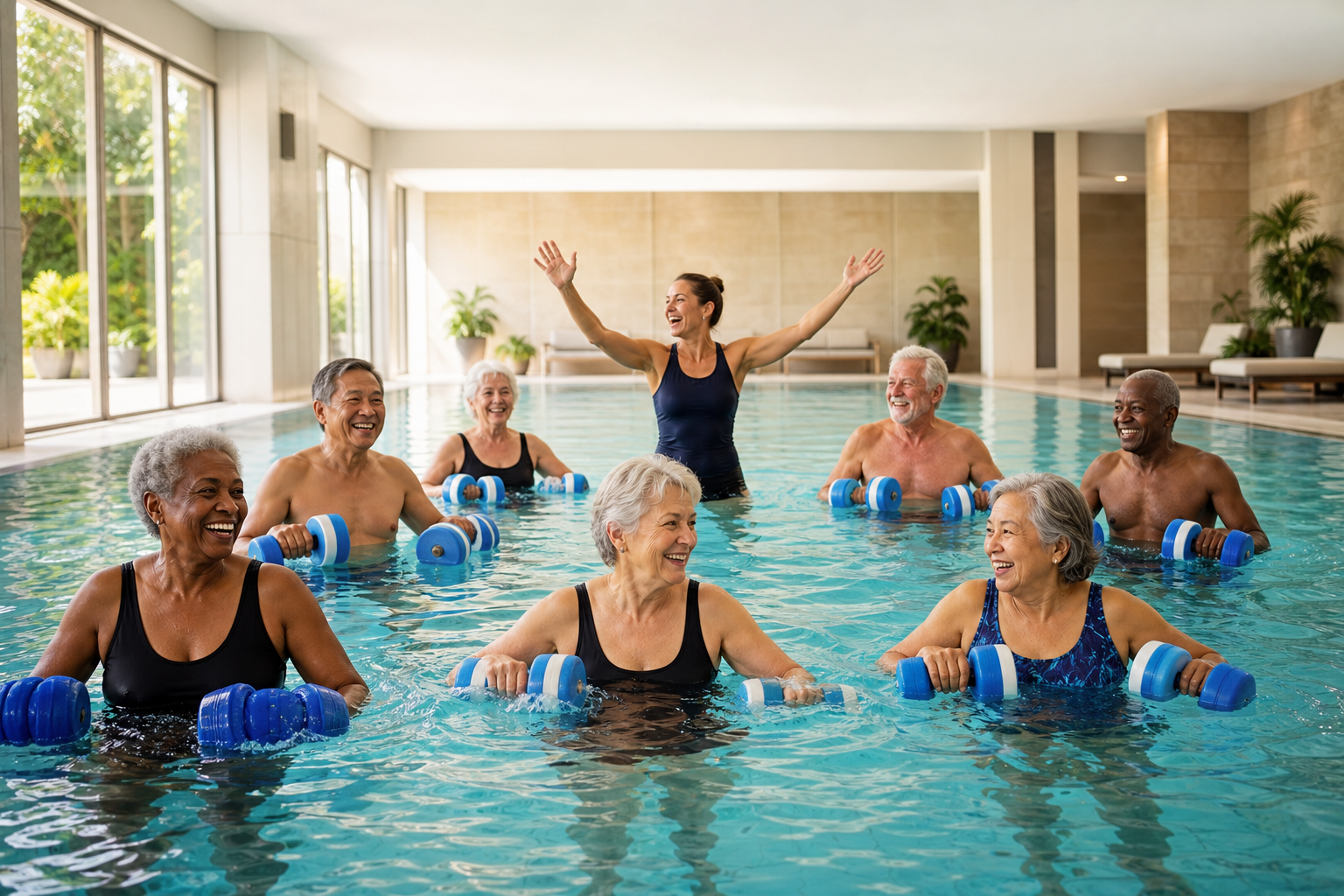
- Aquatic Exercise (Water Aerobics/Swimming) — The buoyancy of water reduces joint loading by up to 75%, according to a 2016 BMJ review. I’m a huge fan of pool-based movement; it gives people with severe arthritis a place to move with less pain and more confidence.
- Chair Yoga and Gentle Stretching — Flexibility work is crucial. Chair yoga routines (yes, real yoga in a chair!) increase range of motion while keeping joints supported. A reader wrote me last month: “James, I never believed I could do yoga with arthritis, but chair stretches have loosened my hips and knees more than anything else.”
- Seated or Standing Tai Chi — This gentle martial art emphasizes slow, flowing movements and deep breathing. The Annals of Internal Medicine published a 2016 meta-analysis showing significant pain reduction and improved balance for seniors with knee arthritis practicing tai chi twice weekly.
- Stationary Cycling — If you have access, a recumbent bike is my go-to for knee and hip arthritis. Pedaling is smooth, non-concussive, and research suggests it improves quad strength (which is key for knee stability) without aggravating symptoms.
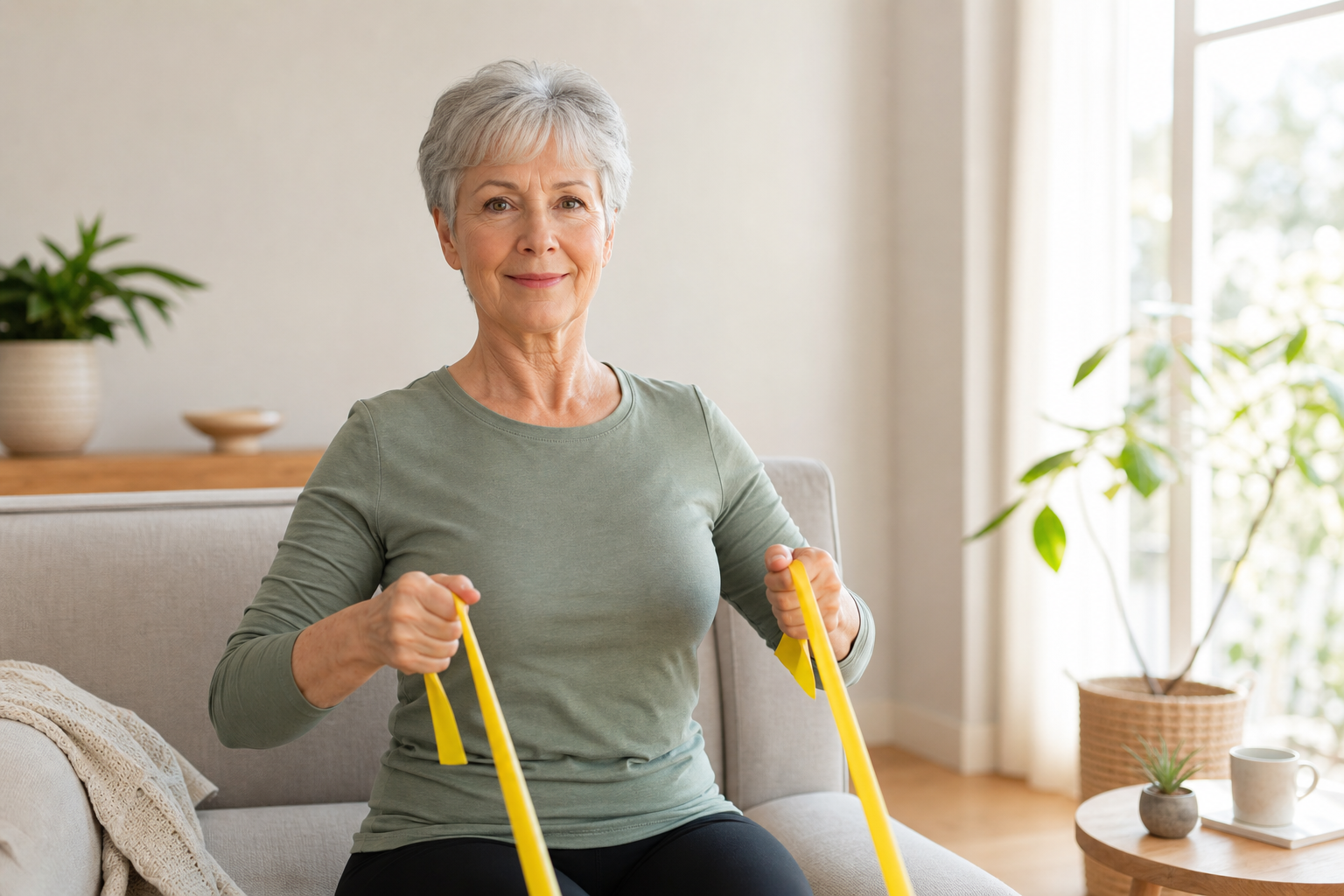
- Strength Training (Bodyweight or Bands) — I know this is controversial: many people assume strength training is "high risk." In reality, controlled resistance (using bands, light weights, or just your body) is incredibly joint-friendly—if you stick with slow, controlled reps. Strong muscles act as shock absorbers, taking pressure off sore joints.
How to Start Safely—And Stick With It
Look, motivation is tough enough. But arthritis adds a layer of unpredictability and fear. I tell clients to start with two simple rules: consistency beats intensity, and pain (not mild discomfort) is a stop sign.
Here’s my practical take:
- Pick two or three types of movement you genuinely enjoy. Rotate to avoid overusing the same joints. It’s fine to walk on Monday, swim on Tuesday, and do chair yoga on Wednesday.
- Keep sessions short at first—as little as 10 minutes is enough. Consistency (3-5 times a week) trumps doing a single long session.
- Warm up and cool down matter. Gentle joint circles, slow marches in place, or light stretching get your tissues ready and reduce post-exercise swelling.
- Use assistive equipment as needed. This is where I get a little opinionated: too many people wait until they’re in agony to try supportive braces or pain relief tools.
If you’re feeling hesitant, talk to your doctor or physical therapist before you begin. Especially if you have other health conditions, recent joint replacements, or a history of falls. A professional can help tailor a routine and set safe boundaries.
What About Joint Supports and At-Home Aids?
I’ll be honest—I used to think knee braces were just for athletes. But the newer medical-grade supports make a real difference for my clients. My top pick lately is the NEENCA Professional Knee Brace. Why? It’s got side stabilizers (making it ideal for wobbly knees), plus a gel pad over the kneecap for pressure relief. One of my regulars told me, “With the brace, I can walk the block again—without that sharp twinge halfway through.”
For non-movement pain relief, I’m a big fan of heat therapy—especially on days when joints are stiff but not acutely inflamed. The Pure Enrichment PureRelief XL Heating Pad has been a game-changer in my own house (my wife uses it for her hip arthritis). The moist heat option penetrates deeper, and the XL size actually covers both knees if you lay it out across your lap.
But—don’t just lean on products alone. The biggest wins happen when you combine these aids with daily, consistent movement. And be careful: if you notice increased swelling, redness, or warmth in a joint, skip heat and check with your doctor right away.
How to Build a Sample Week of Low Impact Movement
I get this question a lot: what does a "good" week look like? Here’s a template I often use for my 60+ clients with mild to moderate knee or hip arthritis. (Modify as needed for hands, shoulders, or spine!)
- Monday: 15-minute walk outdoors (or mall walk), plus 5 minutes of gentle stretching
- Tuesday: 30-minute water aerobics class (local YMCAs are a hidden gem for this)
- Wednesday: Chair yoga video (20 minutes) at home
- Thursday: Rest day. Try a heating pad session if you’re feeling stiff.
- Friday: 10-15 minutes on a stationary bike, followed by light upper body band work
- Saturday: Tai chi practice (either a group class or streaming video—YouTube is loaded with them)
- Sunday: Rest or outdoor stroll if you feel up to it
Notice this isn’t all-or-nothing. Rest days are built in. The goal isn’t perfection, it’s progress. Even 60-90 minutes of movement per week can make a measurable difference in pain and function, according to the 2018 Physical Activity Guidelines for Americans.
What If Mobility Is Really Limited? Practical Adaptations
I’ve worked with plenty of folks who can’t get on the floor, or whose balance isn’t what it once was. Good news: there are excellent chair-based programs out now. The old myth that you “must” get down on a mat to benefit from exercise is—well, a myth.
I often recommend the book Treat Your Own Knees by Jim Johnson (a PT who’s done real clinical research). The methods are simple but so well-explained: clear drawings, step-by-step progressions, and a focus on both strength and flexibility. And honestly, for under $12, it’s one of the best values in joint pain self-care I know.
A Few Evidence-Backed Tips to Get the Most Out of Every Session
Here’s where the rubber meets the road. A few "insider" strategies that make the difference between fizzling out and actually feeling better:
- Go slow, monitor your symptoms — Track your pain before and after sessions (I use a simple 0-10 scale with clients). If pain spikes and stays up for more than 2 hours after, scale back next time.
- Hydrate and fuel up — Joints need fluid. I see more flare-ups in patients who exercise dehydrated. Aim for a glass of water before and after movement.
- Prioritize movement quality over quantity — Ten perfect, controlled squats in a chair beat fifty rushed ones. Quality protects joints and builds lasting strength.
- Don’t ignore flare signals — Increased warmth, redness, or sudden swelling? That can be a sign to rest, ice, or check in with your provider. Movement should never "punish" sore joints.
- Build a support system — A walking buddy, a virtual exercise group, or even texting a friend your activity streak can keep you accountable. Social support is huge—especially on tough days.
What Most Articles Don’t Tell You: It’s Not About Perfection
Here’s a little secret—and maybe the biggest relief. You don’t have to do everything "right," every day. Life gets in the way. Joints flare up for no obvious reason. Weather changes, energy dips, the grandkids come over. The key is to nudge your activity average a little higher, week by week. Even small changes add up.
The research backs this up. In a 2020 study published in Rheumatology International, seniors with arthritis who simply increased their daily steps by 500 found significant improvements in reported pain and physical function after three months—regardless of whether they hit some arbitrary 10,000-step target.
So, if you had a tough week? Shrug it off. Start fresh tomorrow. Your joints will thank you for every bit of gentle movement you can give them.
Final Takeaways: Gentle Progress Wins the Day
If you remember one thing from this whole piece, make it this: movement is medicine, but only when it fits you. Low impact exercise isn’t a magic bullet, but it is a reliable, affordable, and empowering tool. Mix types, listen to your joints, and use aids when you need them.
And if you’ve tried everything and still feel stuck? Reach out to a physical therapist or arthritis specialist. There are so many more resources (and creative solutions) than most people realize.
Drop me an email if you have questions, or want to share your own successes (or struggles). I’ve reviewed dozens of products and programs, but nothing beats hearing what really works for folks out in the real world. Here’s to stronger, happier joints—at every age.
James Chen, MS, CSCS
Exercise Scientist & Certified Strength and Conditioning Specialist, JointReliefReviews.com