The Truth About Moving with Arthritis (It’s Not Easy—But It Matters More Than Ever)
If you’ve ever stared at your sneakers and thought, “Not today—my knees just can’t,” you’re in good company. In fact, I’ll never forget a conversation I had with my mother-in-law, Joan, a few years back. She was newly diagnosed with osteoarthritis, frustrated, and felt like her body had betrayed her. “Why bother with exercise if it hurts?” she asked. And honestly? I didn’t have a perfect answer—for her or for many readers emailing me with similar worries.
Here’s the thing: arthritis pain is real, and it changes how we move. But after two decades covering joint health and reporting on arthritis research for Prevention and Arthritis Today, I can say this much: gentle movement is medicine. You just need to choose the right kind. And if you’re worried about hurting yourself or making things worse—keep reading. This is for you.
Arthritis Doesn’t Mean You Have to Sit Still
Arthritis affects roughly 1 in 4 Americans over the age of 65, according to the CDC. Stiffness, swelling, and pain—especially in the knees, hips, and hands—can make the very idea of exercise seem laughable. But research from the Journal of Rheumatology (2021) shows that low impact exercise not only reduces pain and stiffness over time, but can improve balance, muscle strength, and even mood. The hard part? Starting.
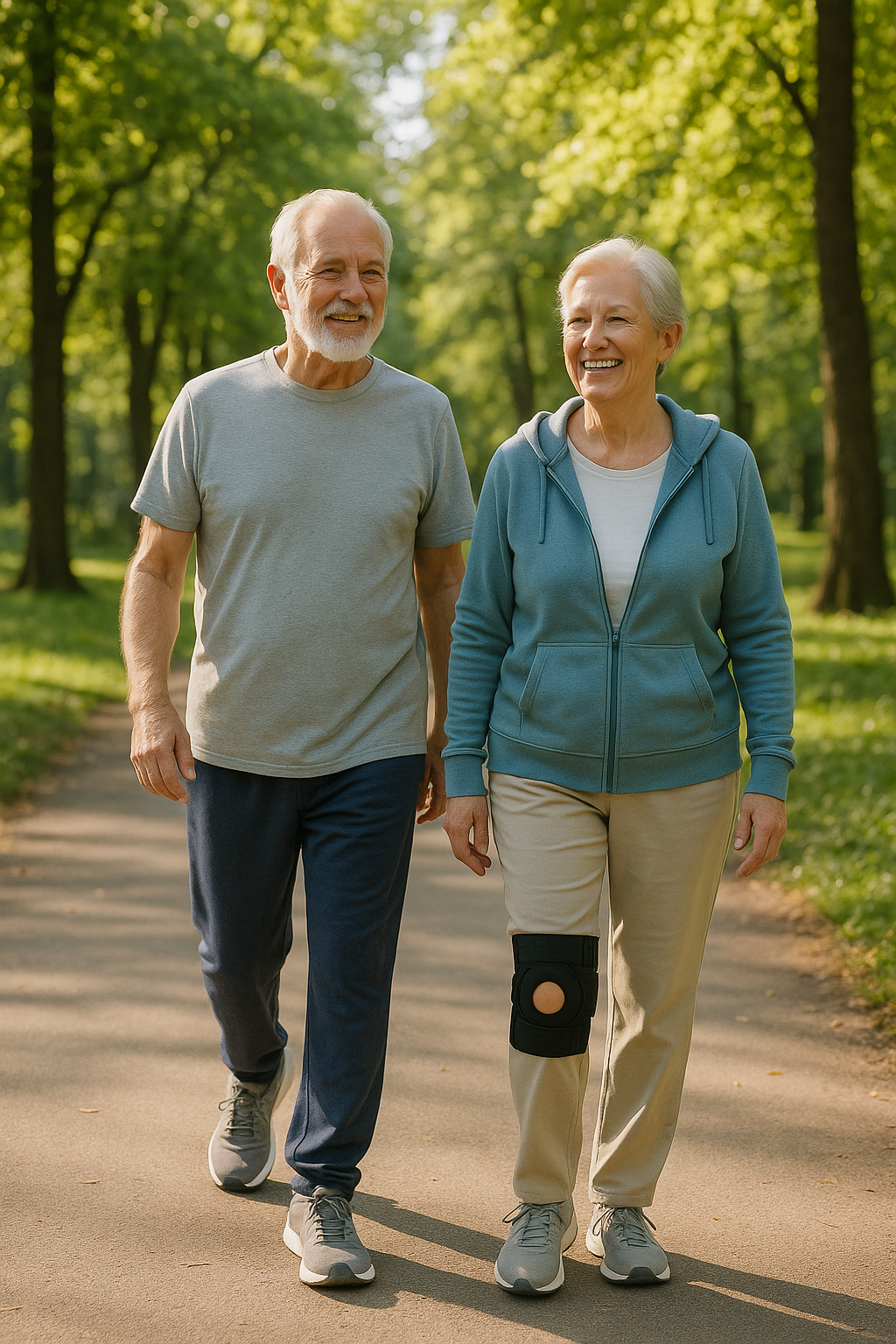
If you’re worried that even a gentle routine will make things worse, know this: most studies suggest that “motion is lotion” for arthritic joints—as long as you stick to low impact. That means activities that cushion your joints instead of pounding them. Think walking, water aerobics, cycling, gentle strength training, Tai Chi, and chair yoga.
Why Low Impact Matters—And What Actually Counts
Okay, but what exactly is “low impact”? In the world of arthritis, we’re talking about activities where at least one foot stays on the ground (minimal jumping, no jarring). More specifically, these workouts:
- Reduce pressure on tender joints (especially knees, hips, ankles)
- Encourage flexibility and blood flow
- Can be adjusted for any fitness level—yes, even if you haven’t exercised in years!
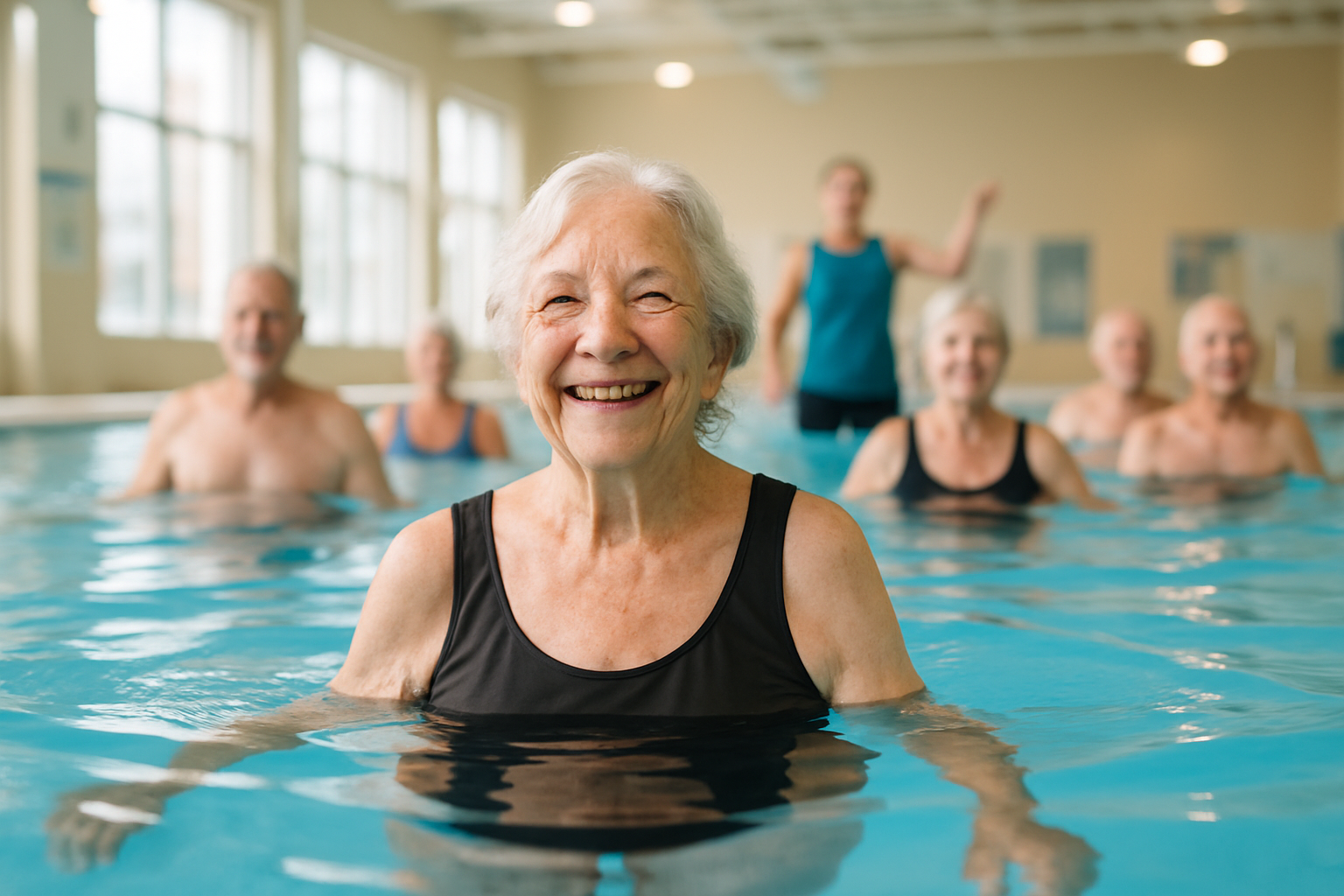
Examples? Besides walking, you’ve got swimming, gentle cycling (stationary bikes are a favorite), resistance band routines, and even modified Pilates. I know water aerobics sounds a little retro, but a 2020 study in BMJ Open found participants with knee OA who did aquatic exercise twice a week reduced their pain scores by nearly 30% after 12 weeks. Not too shabby.
The Real Barriers (and How to Overcome Them)
Let’s be honest: fear and fatigue are huge. “I’m afraid I’ll fall,” a reader wrote to me just last week. “Or I’ll make my pain worse.” That’s valid—arthritis does raise the risk of falls, and overdoing it can backfire.
Here’s what I tell my own family:
- Start smaller than you think you should. Five minutes is better than none. Build up slowly from there.
- Pick the time of day you feel best. For many, that’s late morning when stiffness eases. But if evenings are better, go with that.
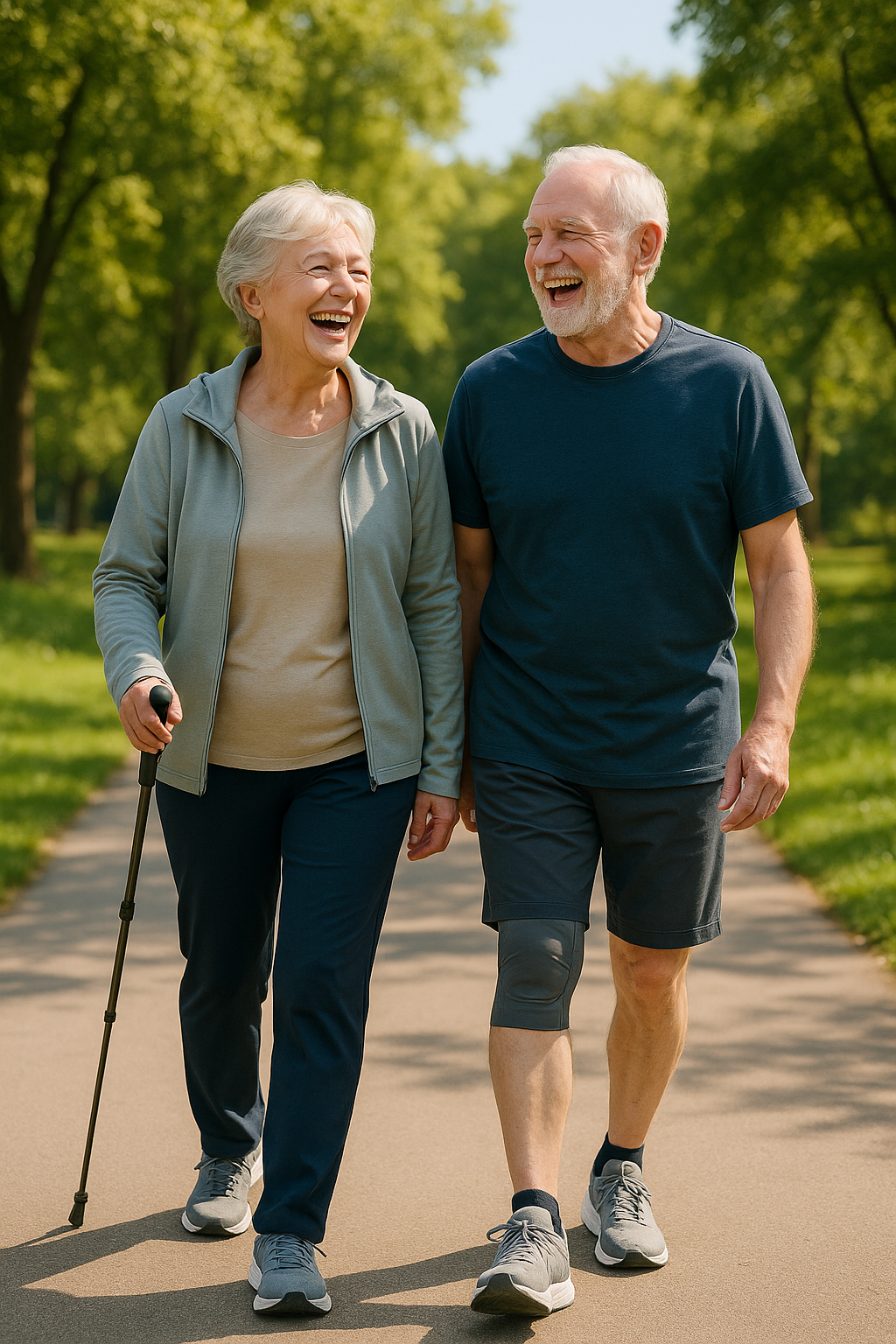
- Use supports. A sturdy chair, walking stick, or brace isn’t cheating—they’re smart tools to keep you safe and steady.
- Listen to your body. Sharp pain is a stop sign. Gentle soreness is normal, especially at first. Give yourself permission to rest and reset.
My Go-To Low Impact Exercises for Seniors with Arthritis
I’ve tested dozens of routines, from physical therapy protocols to pool-based workouts. Here’s my own “short list” of what works for most people (and what doesn’t):
- Walking (with support if needed): If you can manage outdoor strolls—even 5-10 minutes a day—it’s gold for your joints. Indoors works too. I like mall walking in winter (yes, it still exists!).
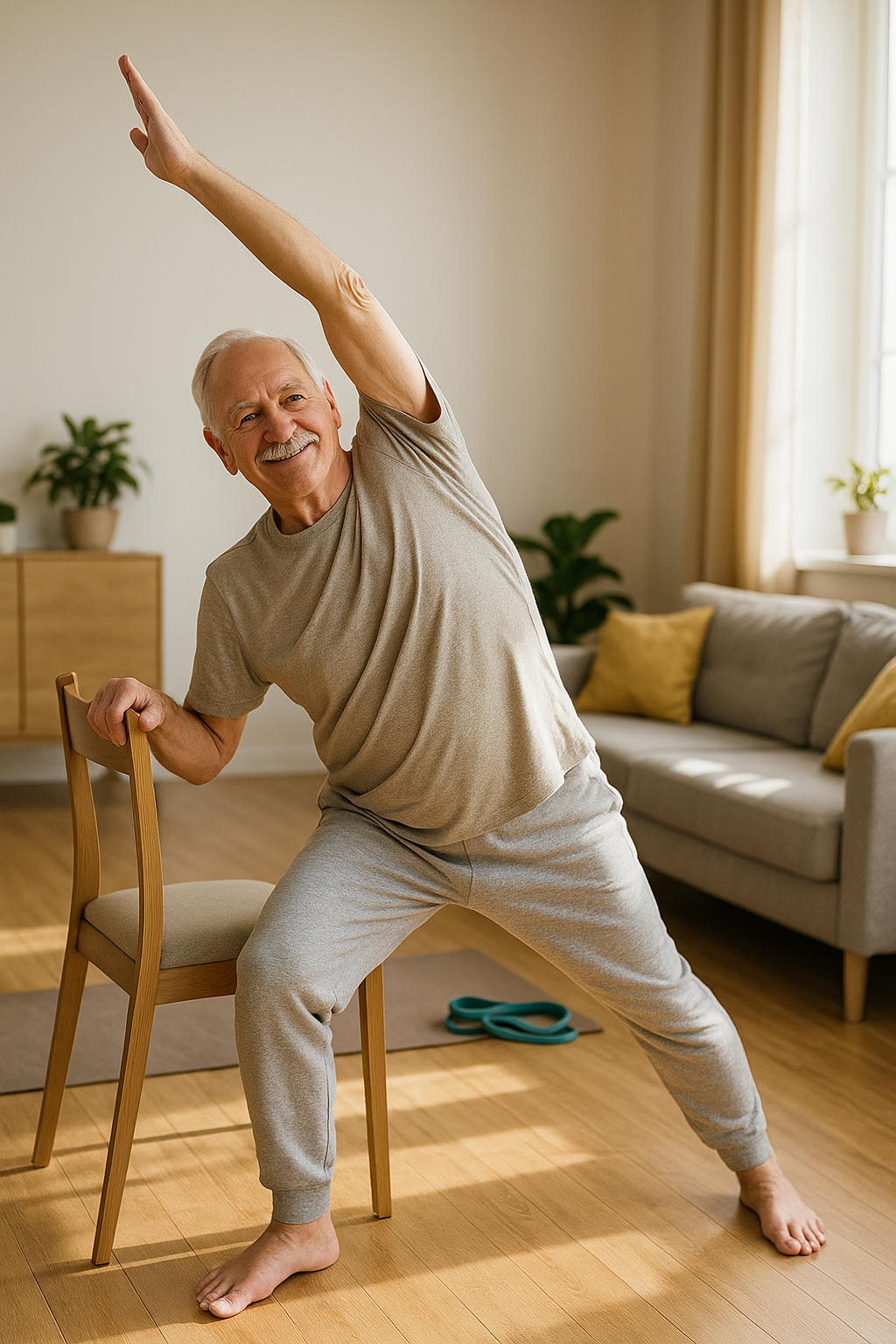
- Chair-based strength training: Simple moves like sit-to-stand, seated leg lifts, or using a resistance band. Builds muscle without risky movements.
- Water aerobics or swimming: The buoyancy of water supports your weight, making movement almost effortless. And yes, it counts as cardio.
- Gentle yoga or Tai Chi: Both improve balance, flexibility, and (surprisingly) mood. Chair yoga is a great starting point if you’re worried about getting down to the floor.
- Cycling (stationary bike or recumbent): Takes the pressure off knees while strengthening thighs and glutes. If you have trouble getting on/off, recumbent bikes are much easier to manage.
Here’s where it gets interesting: Not all “gentle” routines are actually good for arthritis, especially if you have unstable joints. For example, bouncing movements, deep squats, or any high-torque twisting (I’m looking at you, Zumba Gold) can aggravate pain.
Simple 15-Minute At-Home Routine (No Gym Needed)
If you’re looking for a place to start, try this gentle sequence 2-3 times a week. (Always talk to your doctor before starting a new routine, especially if you have severe joint pain or have had recent surgery.)
- March in place (2 minutes): Stand tall, pump arms gently. If balance is tricky, hold a chair.
- Seated knee extensions (2 x 10 reps): Sit in a sturdy chair, straighten one leg at a time. Pause, lower gently. Switch sides.
- Standing side leg lifts (2 x 10 reps each side): Hold the back of a chair, lift one leg to the side (not too high). Lower, repeat.
- Wall push-ups (2 x 10 reps): Stand facing a wall, arms outstretched. Lower your chest toward the wall, then push back.
- Gentle supported squats (1 x 10 reps): Holding the chair, lower your hips as if sitting (don’t go deep!). Rise slowly.
- End with gentle stretching: Calf stretch, hamstring stretch, shoulder rolls.
Five moves, fifteen minutes, nothing fancy. And yes, it “counts”—even if that’s all you do today.
How to Make Low Impact Exercise Easier (and Safer)
I’ve covered these tips in magazine columns, but they bear repeating:
- Dress the part: Good sneakers make a world of difference—especially models with extra cushioning or rocker soles for arthritis. Avoid bare feet unless you’re on a yoga mat and stable.
- Warm up before, cool down after: Even a few minutes of gentle movement gets blood flowing and joints lubricated. I’m a fan of simple shoulder rolls, ankle circles, and wrist stretches.
- Use a brace if needed: I tried the NEENCA Professional Knee Brace when my own knee flared up last fall, and I’ll be honest—it was a game-changer for stability. The side stabilizers and patella gel pad actually made me less nervous about moving.
- Don’t go it alone: If you can, join a group (there are excellent virtual arthritis classes through many YMCAs and local hospitals). Social support really helps motivation.
What About Pain? (Here’s My Rule of Thumb)
This is the million-dollar question. Mild soreness is normal, especially at first. But sharp, stabbing, or swelling pain? Stop and rest. I’m not a fan of “pushing through”—I’ve seen too many readers land in physical therapy after overdoing it.
Here’s a trick I picked up from a sports med doc: Keep a simple pain log for a week. If your discomfort spikes and doesn’t calm down within an hour or two post-exercise, you might be overdoing it. And yes—warm compresses or a heating pad after moving can be incredibly soothing.
I personally use the Pure Enrichment PureRelief XL Heating Pad for my own aches. The moist heat option is a lifesaver for deep knee twinges. (Just don’t fall asleep with it on!)
Expert-Backed Advice: What the Research Says
Here’s some good news: you don’t have to trust only my anecdotes. Several large studies have validated that low impact exercise eases pain and improves function for seniors with arthritis:
- In 2019, Arthritis & Rheumatology published a trial that found 12 weeks of chair-based resistance training improved joint function and reduced pain scores by over 20% in older adults with knee OA.
- Another research review in American Journal of Lifestyle Medicine (2022) highlighted that even light walking three days a week, for as little as 10 minutes, contributed to better balance and reduced risk of falls.
- Swimming and aquatic routines? They consistently reduce morning stiffness and improve mood—win-win if you ask me.
But not all approaches are created equal. Trendy “joint mobility” routines you see on social media often skip the basics of arthritis safety. If you’re at all unsure, I strongly recommend a resource like Treat Your Own Knees by Jim Johnson, PT. It breaks down knee-friendly exercises with drawings, tips, and research notes—no frills, just facts. (I’ve handed it out more times than I can count.)
More Ways to Keep Moving—Even on Tough Days
Let’s face it: not every day is a winner. There will be mornings when your joints simply refuse to cooperate. On those days, I recommend:
- Gentle stretching in bed before standing up. Even ankle pumps and wrist circles help.
- Short bouts of movement—like a lap around the house or a gentle arm raise every hour.
- Music for motivation. Turn on your favorite oldies playlist and move to the rhythm (even if it’s just seated dancing!).
- Set a "movement reminder." I use my phone—it nudges me every hour to stand up and do 1-2 minutes of activity.
The real kicker? Research shows that breaking up long periods of sitting with even a minute or two of light movement helps combat stiffness, improves circulation, and makes it easier to tackle longer exercise sessions later.
Common Questions I Get About Low Impact Exercise and Arthritis
- “What if I have a joint replacement?”—You can still exercise, but talk to your surgeon about specific restrictions. Usually, walking, swimming, and stationary biking are fine after healing.
- “Is it ever too late to start?”—No! Even seniors in their 80s see benefits. The key is to start gently, build up slowly, and celebrate every little win.
- “How do I know if an exercise is too much?”—If you’re limping, swelling, or your pain spikes for more than 24 hours, it’s time to scale back. And yes, you can always check in with a physical therapist for tailored advice.
Final Takeaways: What You Do Today Matters Tomorrow
I won’t sugar-coat it—living with arthritis is an ongoing negotiation between what your mind wants and what your joints will tolerate. But movement, especially of the low impact variety, comes with real dividends: less pain, more independence, and (my favorite) a boost in confidence. You are not fragile. You are adaptable.
If you take nothing else from this long-winded advice session, let it be this: Start small, listen to your body, and keep moving in ways that feel good. Whether that’s a stroll around the block with a friend, a gentle swim, or even chair yoga in the living room, it all adds up.
If you’ve found a routine or tool that really helps, send me an email—I’d love to hear from you. And if you’re feeling stuck, know that taking the first step—no matter how tiny—is always progress.
Stay steady, stay curious, and don’t be afraid to ask for help. Your joints (and your future self) will thank you.
— Karen Whitfield
Veteran health journalist and contributor, JointReliefReviews.com